Playing with Power

Posted by Bradley L. Garrett on Sunday Jul 11, 2010 Under Freedom, Psychogeography, Situationism, Urban Exploration

Your pain is the breaking of the shell that encloses your understanding.

-Kahlil Gibran

We are not depressed; we’re on strike. For those who refuse to manage themselves, “depression” is not a state but a passage, a bowing out, a sidestep towards a political disaffiliation. From then on medication and the police are the only possible forms of conciliation. This is why the present society doesn’t hesitate to impose Ritalin on its over-active children, or to strap people into life-long dependence on pharmaceuticals, and why it claims to be able to detect “behavioural disorders” at age three. Because everywhere the hypothesis of the self is beginning to crack.

– The Invisible Committee

Prison

Exploration is the only medication my body subscribes to. My trembling fingertips reach for the sewer keys on my way out the door and my bowels twist in satisfaction. This addiction began as research, then I went native, then I lost my way. My love for ruins, my love for old stuff, slipped quietly into the present without even a little wink to let me know what was happening. A life spent looking for material traces of the past morphed into a series of events connected only by my churning belly that vaguely resembles art or a job in construction.

Please don’t expect me to say I found my way again because I didn’t. I was at Tate Britain the other day listening to Joseph Heathcott talk about digging through a photo archive. He said that as he dug, he became more and more confused, buried in images that he didn’t know how to contextualize. When he reached the bottom of the box of images, all he could see was himself.

We explore not to find places but to find meaning. Place hacking is only partly about architecture, history, dereliction or photography. It is about reminding ourselves what in life is worth experiencing. Our explorations embody a consistency between action and thought where what we dream becomes real. The addiction that comes along with that is the point at which your synapses start firing in new directions, making connections you didn’t know existed or that you lost somewhere along the way. It’s the point at which you realize you never want to work again, the instant at which you understand you never want to own a home, the moment when the revelation occurs that the terrorist threat is as non-existent now as it was in 1972 and 1023 and that most of the world, despite what the media would have you believe, is full of love and attachment, not hate and fear.

Thinking of you

I have lost my way. I hardly know the (a?) government exists. I have forgotten about commitments. I have widened my focus to the point that I can barely see anything not in front of me and yet eschew almost nothing, an optic of total stimulation. I spend all day with my friends. I am in love with every moment. I know my neighbourhood, my city, inside out. I just described childhood.

We have built up a shell around ourselves to defend our bodies and minds from the barrage of victimisations they are subjected to. We are left staring stupidly at what it is we are being asked to do, wondering again and again “is this it?” Joshua Ferris, in his novel And Then We Came to the End sums it up in this tidy moment seen through the eyes of Carl, a copywriter for an ad agency: “Directly to his right, something curious was going on. Two men in tan uniforms were hosing down the alleyway – a small dead-end loading dock between our building and the one next to it. Carl watched them at their work. White water shot from their hoses. They moved the spray around the asphalt. The pressure looked mighty, for the men gripped their slender black guns, the kind seen at a manual car wash, with both hands. They lifted the guns up and sprayed the dumpster and the brick walls as well. They spot cleaned, they moved refuse around with the stream. For all inert purposes, they were cleaning an alleyway. An alleyway! Cleaning it! Carl was mesmerized….good god, was work so meaningless? Was life so meaningless?”

We have become desensitized to the everyday. We have become part of the spectacle, ignoring emotional engagement with the world because we are so alienated by it. We formulate emotional shells that lock out beauty as well as pain and stop us from taking action. We are left in a state of perpetual isolation, mouths open, ready to pour in pills to fix what we lost. We are left inert, flaccid, empty. As Raoul Vaneigem once said, “people who talk about revolution and class struggle without referring explicitly to everyday life, without understanding what is subversive about love and what is positive in the refusal of constraints, such people have a corpse in their mouth.” Raoul’s thesis is outlined succinctly in the following diagram.

I suggest a different sort of medication to cure that corpse-filled mouth. Explore everything, shatter the shell and live free.

Dreamers

get vertical

Playfully

Move beyond your conceptions of exploration. Explore your mind, explore the dance floor, explore your broken family that your are ignoring while you read this drivel. Move into abandoned buildings, take locks off of doors, turn CCTV camera so they only see each other, light off fireworks randomly. Scream at people in the streets, talk to strangers, photograph police. Stop paying the state until they give something back other than the promise of a good pension if you join the military and avoid dying through war X. Take what’s in front of you and pour your heart into it. And if you have to quit your job to make that happen, then go. But do it in style – run out screaming into the sky to invoke your freedom. Even better, abseil out of your window and rappel to freedom.

Play is power. Freedom is power.

Photo by Marc Explo

We don't need 4th of July or 5th of November as an excuse to explode things in celebration (Marc Explo).

Our work ethic

__________

Share
Tags : , , , , , , , , , , , , , , , , , , , , , | 4 comments

Cavendish Crematorium

Posted by Bradley L. Garrett on Wednesday Jun 16, 2010 Under Anthropology, Archaeology, Cultural Geography, Psychogeography, Urban Exploration

The Silken Hotel wasn’t open yet. We were standing there at the hoarding, Silent Motion and I, with that jelly of a man in his yellow vest pointing his finger accusingly, shaking with rage in a kind of mild convulsion, the orbed camera behind him spinning around and zooming in on our faces, like an eyeball rolling back in a head, making the convulsion a complete yet disembodied visceral experience for this lamentably flabby being.

The sergeant arrived, blue lights painting the walls, tires screeching. He almost rolled out of his car “UrbEx huh? Yeah, we get your kind around here sometimes. Tell you what, see that boarded up building across the street there? Let’s see if you can get into that one!” We meekly accepted the challenge as they frantically tried to fix the zip ties on the Heras fencing we had snapped off in our aborted miniature vertical scramble.

Challenge Issued

Across the street, we found that this building, Cavendish House it was called, was boarded up exceptionally well, stone gargoyles on patrol in moody up-lighting, three stone Furies screaming insults at us as we hung from ledges over the road, tugging on widows.

Stoney stares

Furies

With a pop, a seal on one gave and Silent Motion swung it parallel to the floor. We dove through headfirst and when the window closed with a sharp bang, we were surrounded by silence. I crawled to the dirty pane on the other side of the room and peeked across the road. The sergeant was there, his belly still threatening to rip his utility vest in two. He was smiling, staring at the building and smiling. Creepy fuck.

Popped

Marauder

The exploration proceeded as we opened doors and windows for the next team of rogue adventurers, torches moving around like little bugs on walls looking for a hole to hide in. Silent motion found a generator running and hooked up to a small TV. He powered it up and we spent an hour watching an old Bollywood classic, a brief respite from the endless stairs. Room after room of blue and orange light comforted us behind the boarded up first floor. Unlikely to see, impossible to catch, invincibility ensued. Down or up? Up.

Dance music invoked

Creepy

The top of the first building (indeed we now realized there were three of these concrete monoliths, these plywooded Thatcherite government lumps of cement) had a roof that sat level with some office blocks. I peeked in the clean windows across, imaging the illicit affairs in office chairs that took place during our work hours, suits humping secretaries and capitalism. A blue church to our left looked like a plastic Disneyland air-filled jump house, replete with nostalgia for the abbey it was until Henry VIII seized it and ravaged it like a conquered Irish queen in the 16th Century.

Little things

Pink

The millennium eye approached us on the other side, that little monument we all love and love to say we hate. “Ride on that thing? Never!” Its millennium glow bounced off of the Thames, offering no apologies for its slow creep our direction. We did handstands, climbed radio antennae, pulled ourselves around in monkeyed feats of post-adolescent strength. We lost track of time. We didn’t care. Damn the horror of the night buses, we’ll ride ‘em!

The Furies descent

Eye

The lustful runs across the roof deteriorated eventually into a pink sky, and we knew that the time for morning coffee and a long walk to Elephant and Castle would soon be upon us. Time to go down. And down. And down. The building suddenly became distinctly subterranean.

Nuances of texture

It was wet here. It stunk like old dog, soaked in a summer-time sprinkler and shaking all over the children who uniquely appreciated the horrible musky shower, full of love. The empty corridors offered room for thought and made my stomach tense up, knot and twist, crying foul at the late (early?) hour. One turn revealed a large room with a safe, a thick door with twisty dials and an unsettling echo. We spun the lock, robbing the history from the place.

Sort of safe

The watery passage continued until we could stand it no longer, blistering feet soaking in the liquid filth. We went for the ProEx shot to cap off the night, twisted and intoxicated, drunk on our own success at pissing on every wall in this building. Lighting was essential, we decided, draining camera batteries and making film strips roll back on themselves in our multiple attempts to get it right.

Pr0 Shadows

Suddenly, the sharp slap of metal on tarmac stopped us cold. Voices. A quick retreat. How could it be, this UrbEx fortress infiltrated? The retreat continued into a side room where we sat, a gentle humming behind us. Suddenly, Silent Motion sprung up, hitting the hum with his torch and there is was – a meat grinder, working with no electricity to speak of, begging for fodder. I screamed a little, quickly covering my mouth to stifle the alarm, pride on the floor. The voices were closer now, finally clear enough to make out the distinct sound of someone saying “they’re over here.” I knew that voice.

Ground

We fled down the hallway once more, trying to keep the drips and splashes from reverberating, a considering how long the water ripples that announced our direction of departure would continue their hideous radial momentum. The smells of the place began to change as we moved. It smelled… like burning. When we found out why, it was already too late. The swollen bellied sergeant and the jelly-man sidekick were on either side of us, laughing as we both stared in horror at the door to what looked to be a huge furnace.

Burned

“Welcome to Cavendish Crematorium!” The sergeant yelled, spit streaming from his plump pink lips. “The last stop for nosy UrbExers!” Next to me, Silent Motion sighed, staring into the murky water.

Share
Tags : , , , , , , , , , , , , , , , , , , | 2 comments

London’s Olympic Waterscape Exhibit

Posted by Bradley L. Garrett on Monday Jun 7, 2010 Under Cultural Geography, Film, Uncategorized

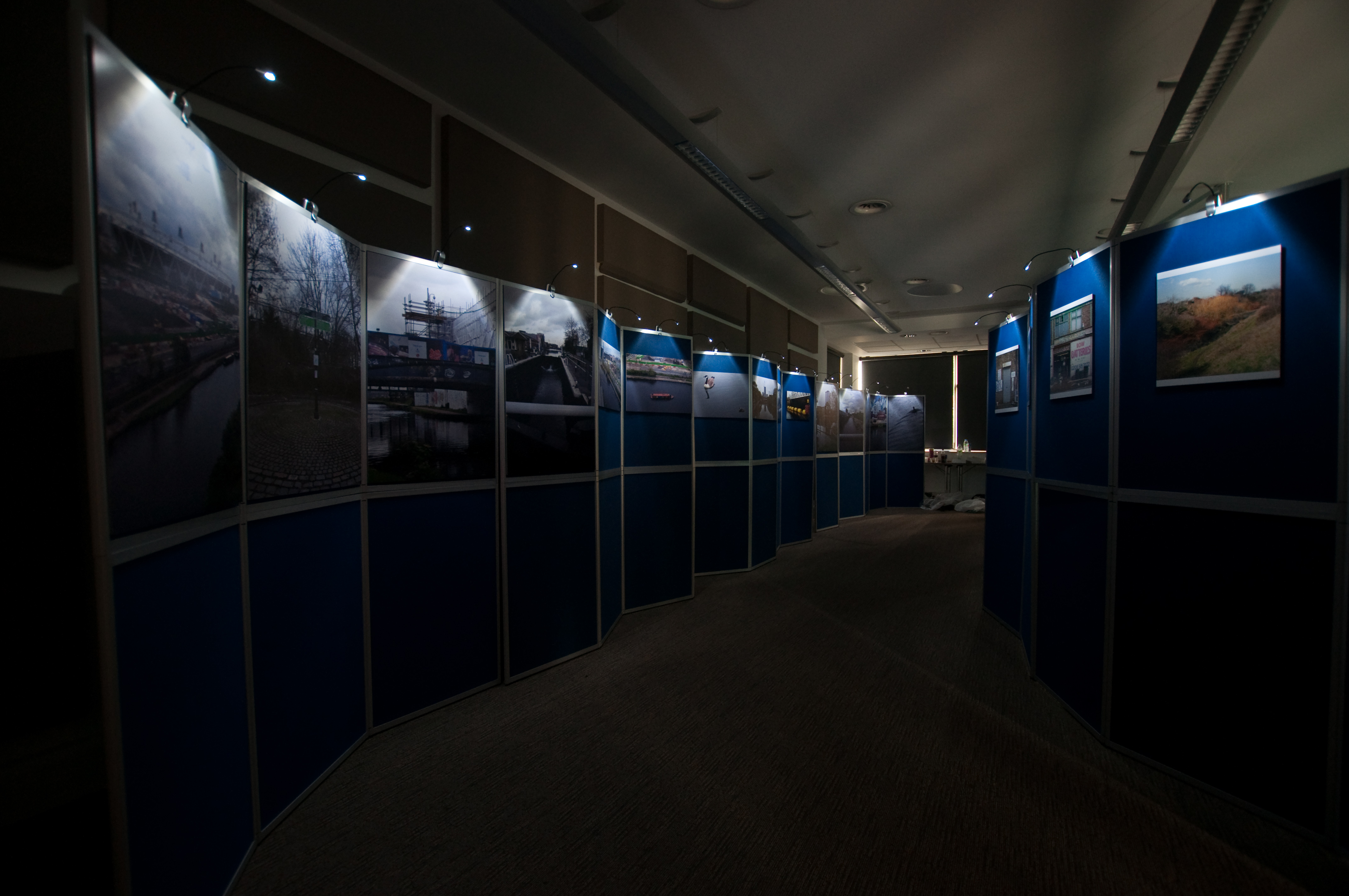
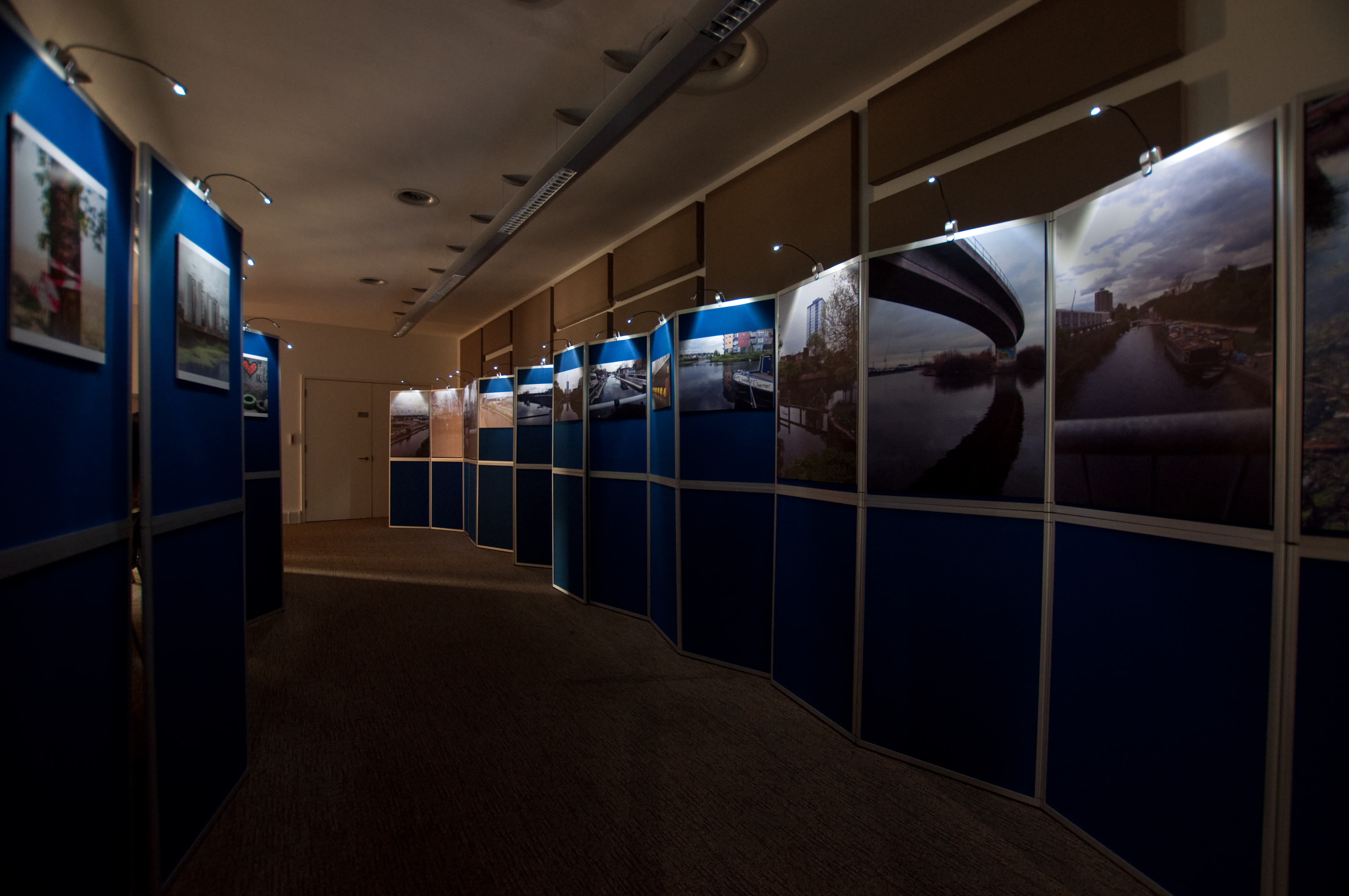
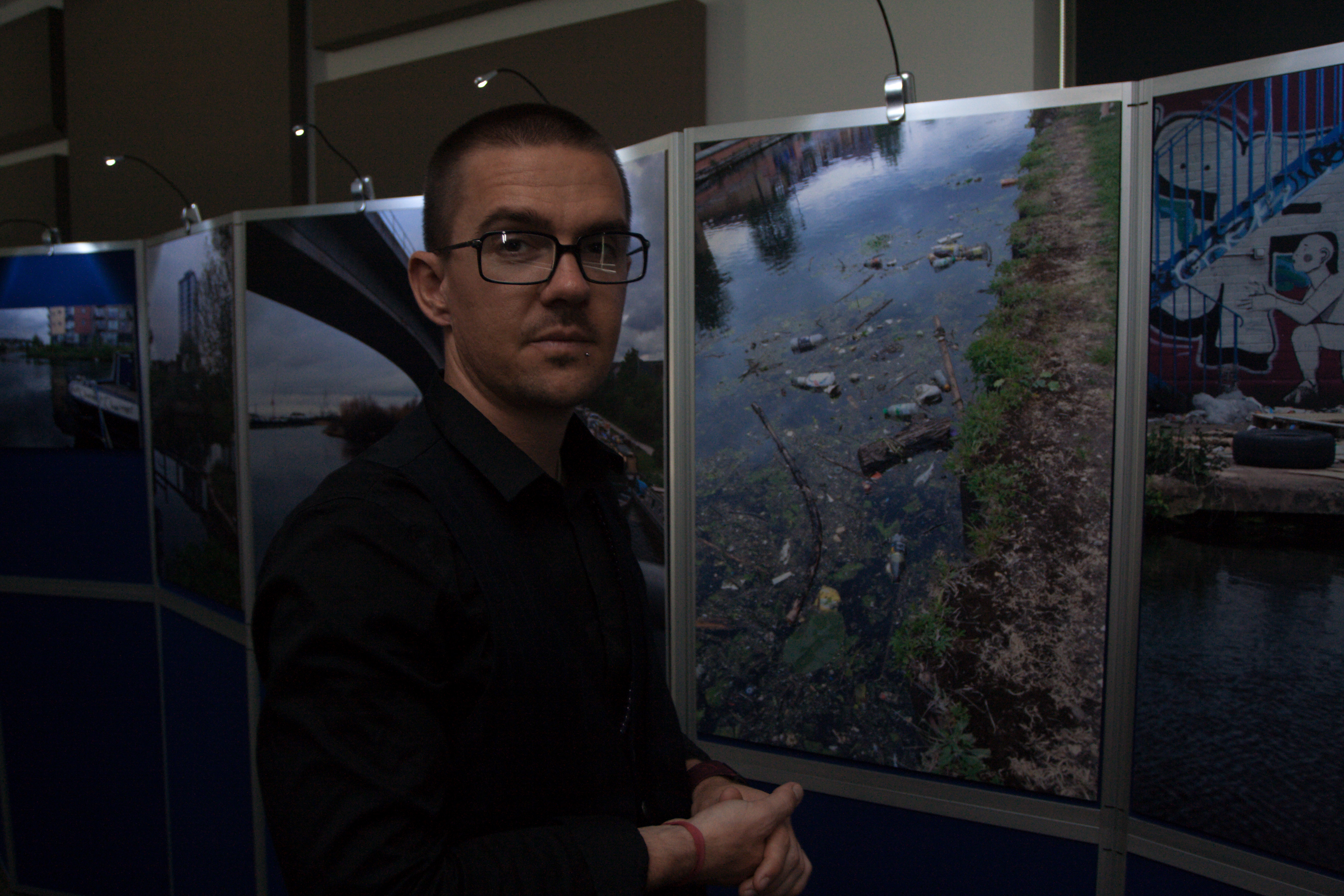
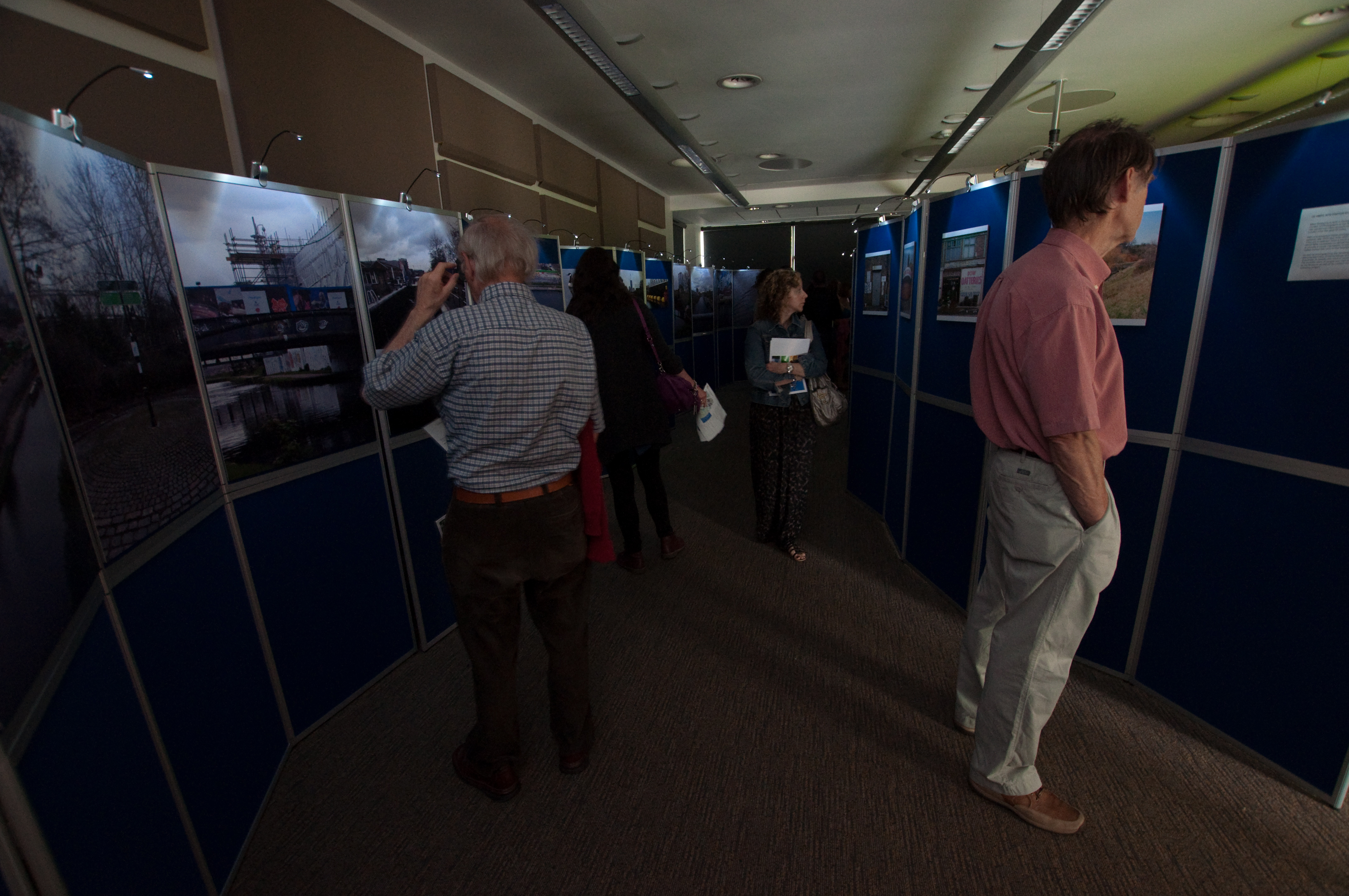
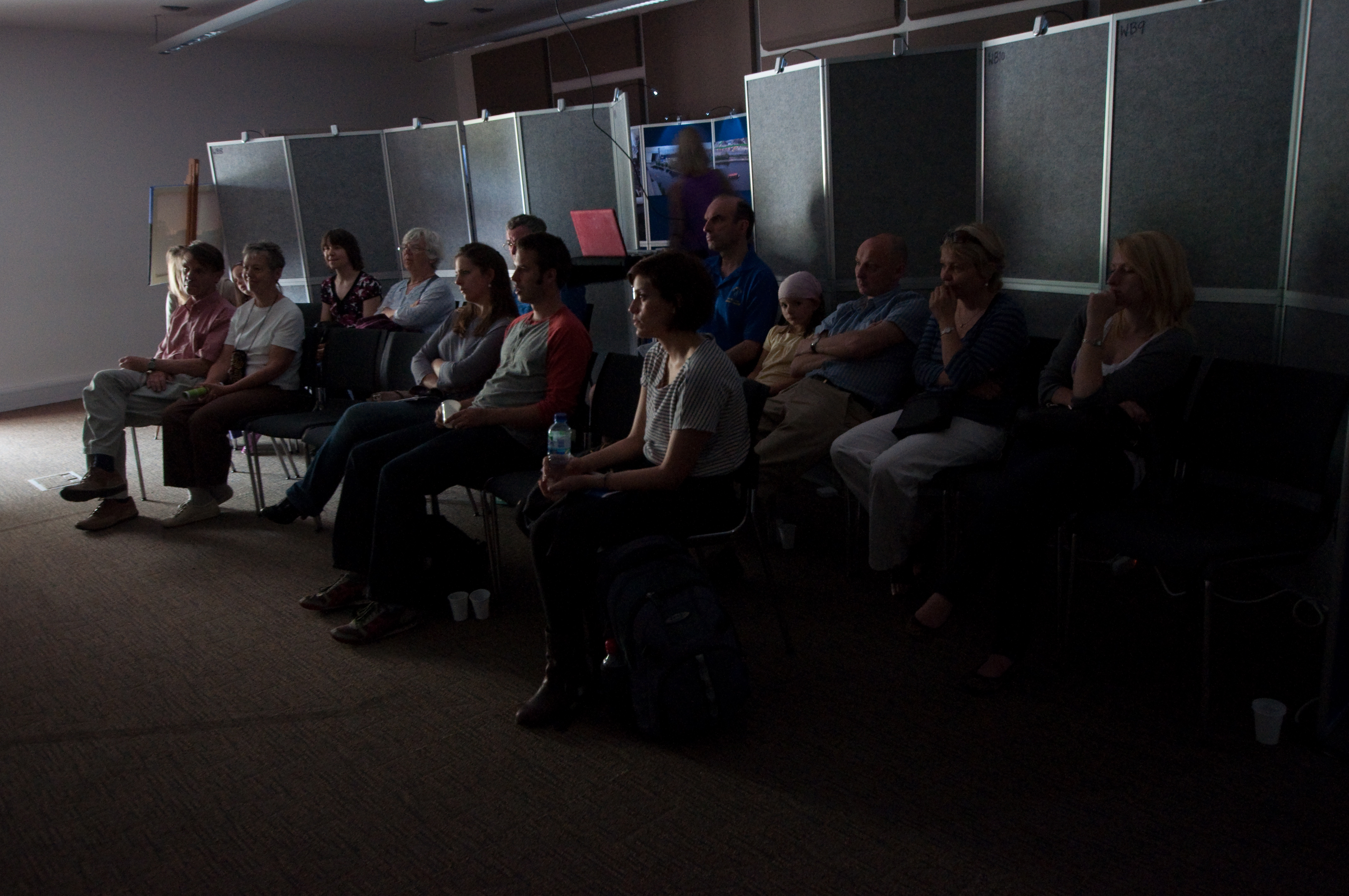
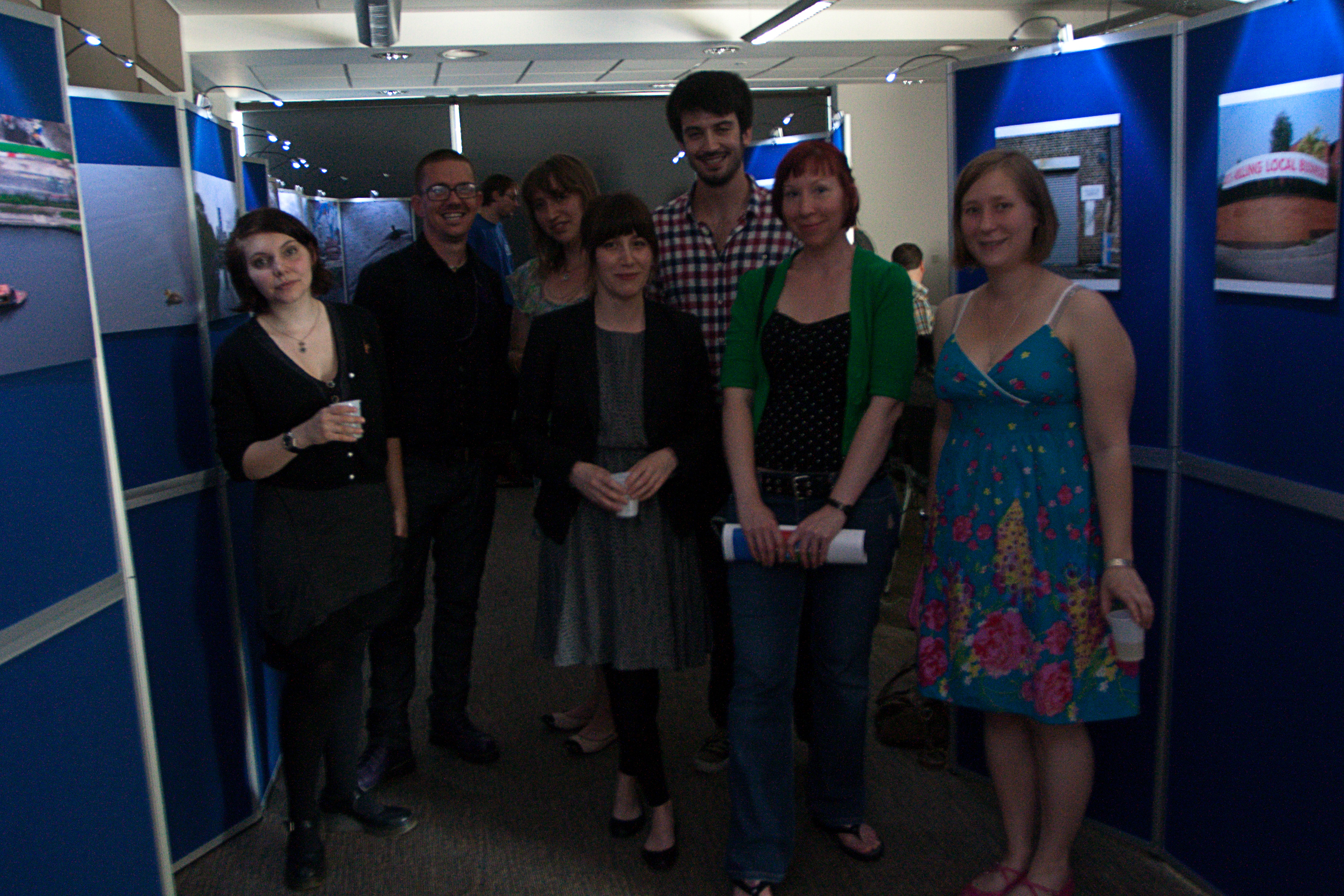
Last night we put on an exhibit at Royal Holloway, University of London as part of the Creative Campus Initiative linked to the London 2012 Olympics. The exhibit, run by Alison Hess, Ellie Miles, terri moreau, Michael Anton, Amy Cutler and myself was a huge success with far more visitors than we ever could have anticipated! Thank you so much to everyone who came out and to the rest of the team for putting on an amazing show!

The exhibit was broken into 3 parts. In the first, we displayed 10 photographs from Mike Seaborne, a photographer at the Museum of London, depicting the Olympic Waterscapes prior to construction of the stadium site. Opposite these, we displayed a number of photographs from our own journeys (undertaken as a geographic triathlon) up, down and around these waterscapes documenting the changes taking place there.

Finally, we made a 20 minute film about the past, present and future of these olympic waterscapes which I am proud to present for the first time here!

Here are some pictures from the exhibit. All photographs are by Danny Pack.


_________________________
Please also visit the project website

Share
Tags : , , , , , , , , , | 4 comments

Lust for London

Posted by Bradley L. Garrett on Saturday Feb 13, 2010 Under Anthropology, Cultural Geography, Psychogeography, Uncategorized, Urban Exploration

Let us go then, you and I.
When the evening is spread out against the sky
like a patient etherised upon a table;
Let us go, through certain half-deserted streets…
-T.S. Eliot

Passion

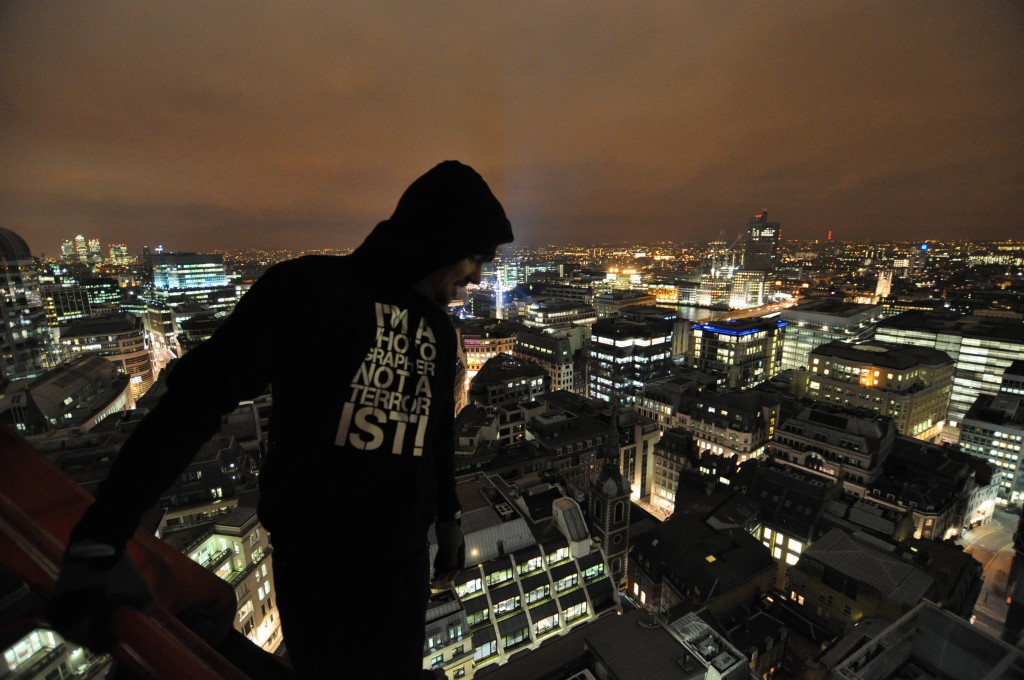
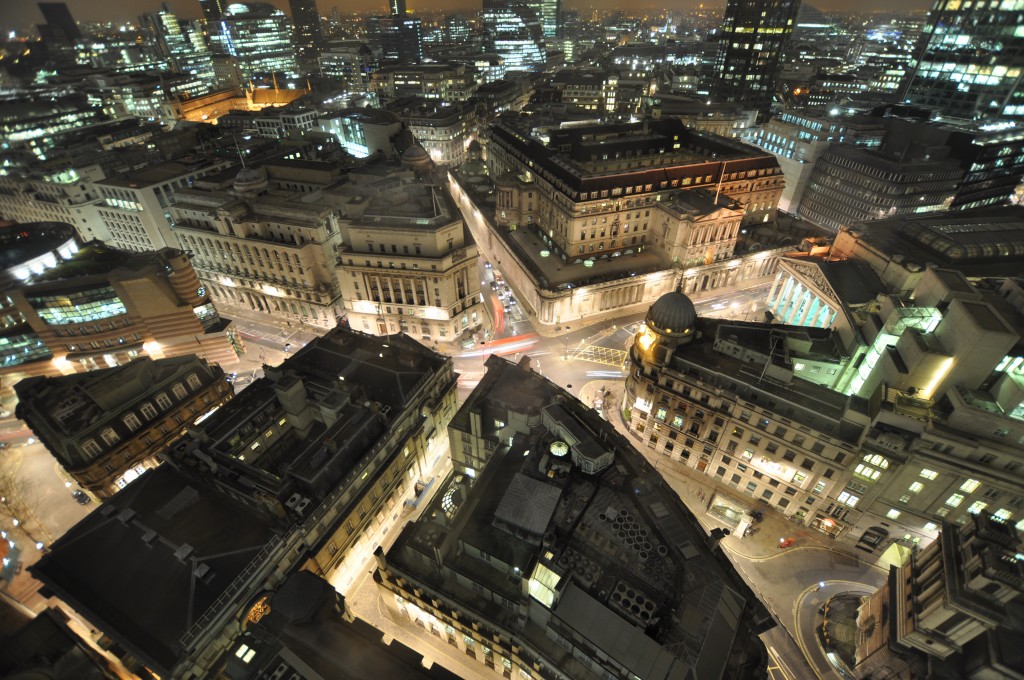
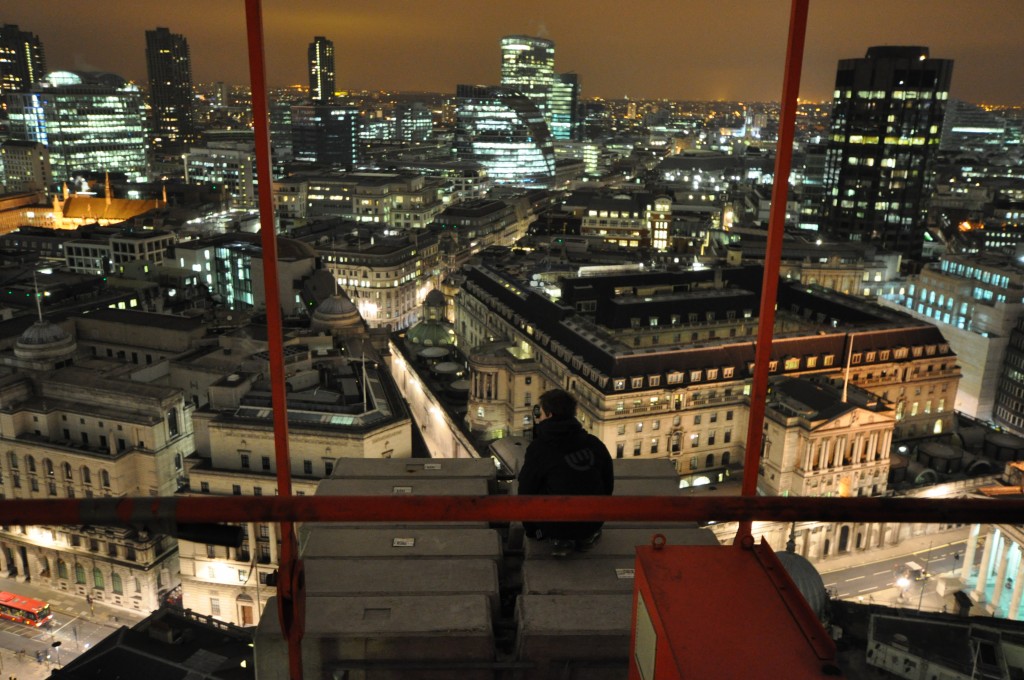
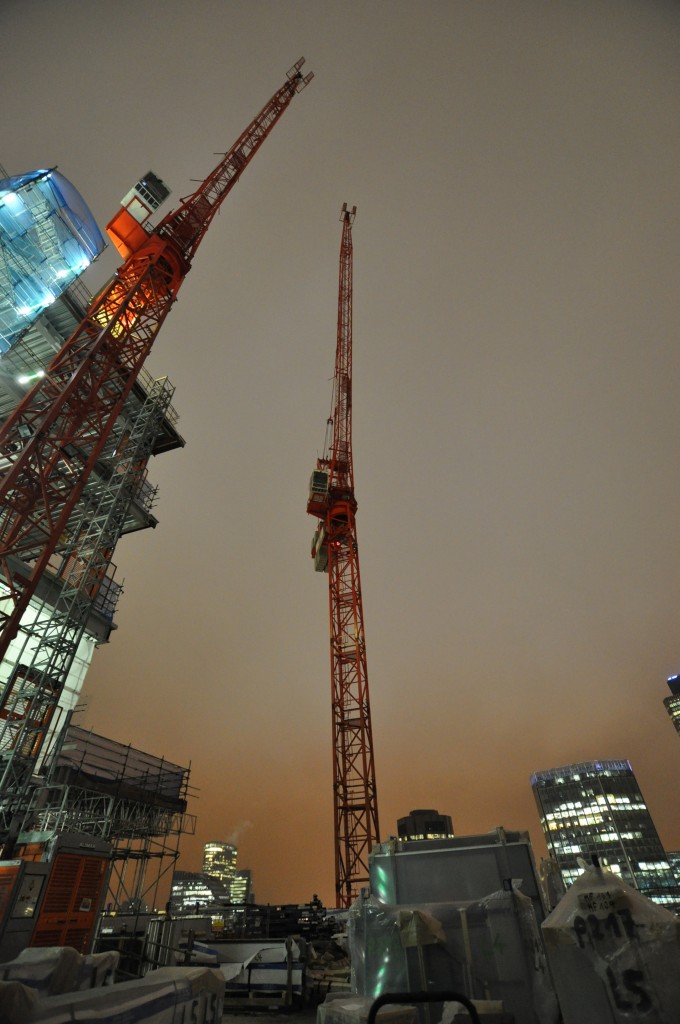
Hanging above bank station from a red crane that pulsates with foggy light warning off incoming aircraft, the metal making slow groaning sounds as the bitterly chill wind nudges the structure into a gentle sway, I look down at the bank of England and hear a cacophony of voices in the city.

But the voices I hear are not of the screaming hordes of city bankers, roping in whithered lovers for an evening of lust soon to be forgotten or morphed into office scandal, they are the voices of the past, explorers who walked these city streets in ours and other ages, who crawled into the dark folds of urban architectures looking for crack, photographs, walls to graph or poetry. I connect with myriad individuals who share my love for plenitude, the inanimate animated.

Dickens was a fellow nighttime crawler, a man wrapped up in a perpetual dream, an explorer of the uncanny who felt “a solemn consideration when I enter a great city by night, that every one of those darkly clustered houses encloses its own secret; that every room in every one of them encloses it’s own secret; that in every beating heart in the hundreds of thousands of breasts there is, in some of its imaginings, a secret the the heart nearest it!”

Beauty unmatched

Delving

Our secret is here, looking down on the city we work in, play in; the place where we encounter life in all it monstrous forms. And Dickens stands here with me, laughing at the audacity of this adventure, an approving smirk cracking his extravagant goatee.

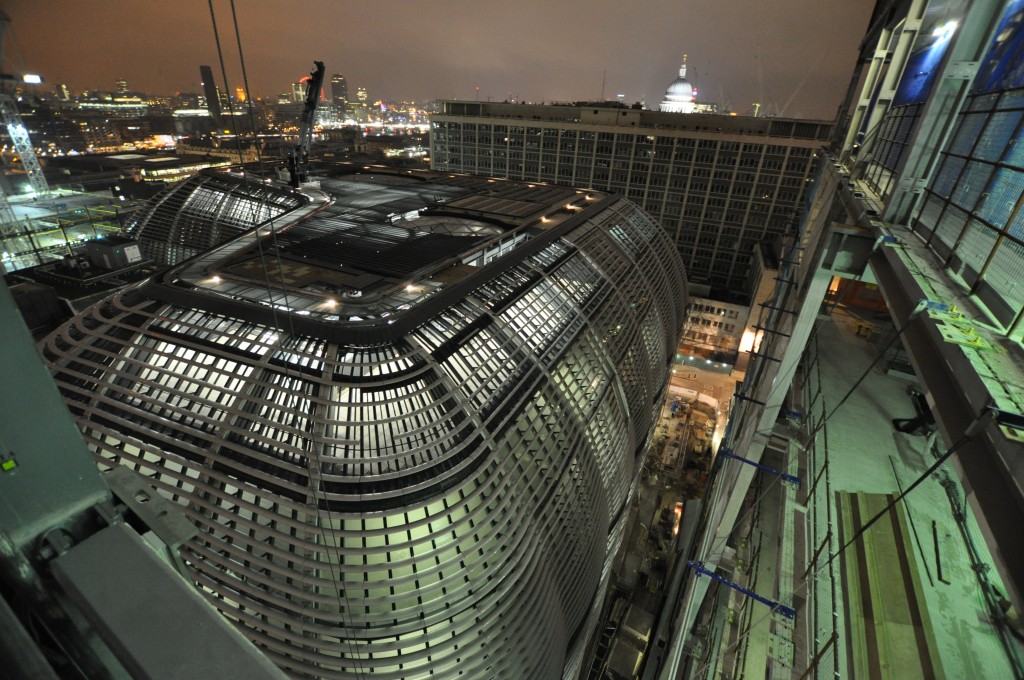
I used to think of infiltration as an masochistic incarnation of urban exploration, a pale shadow of experience, disconnected from roots to history or respect for those that walked before us. But up here, staring down at this city that I am courting, the only city that has replaced my perpetual desire to be intimately attached to another human being, the city of blissful isolation where everyone minds their own fucking business, I am in love with the history of this moment and with the workers who are building our future, one brick at a time.

Building our future

In our limited time here on the planet, we can choose to stumble through life, working our job, drinking our beer in front of the blaring television in the darkness of “off-time”, blissfully uncaring. We can remain wrapped in an Indian Ashram, walking circles in the garden, in perpetual meditation for meaning, eschewing the trajectory of the age. Or we can hit back, head on, at the age in which we live, mining it for meaning and finding answers to questions both small and large, wherever those journeys may take us. None of these ways of life are better than another. They are just different, little epitaphs to tombs not yet constructed.

What luck!

The last time I watched The Big Lebowsky, I was stuck anew by the opening narration from the Old Timer:

“…Sometimes there’s a man…who, well, he’s the man for his time and place. He fits right in there.”

One day I may ask for your love London, but for now, thank you for returning my lust. For the first time in my life, I fit right in there.

Always yours,

The Goblinmerchant

Share
Tags : , , , , , , , , , , , , | 23 comments

London’s Olympic Waterscape

Posted by Bradley L. Garrett on Friday Feb 5, 2010 Under Archaeology, Cultural Geography, Film, Uncategorized

London/Water

I haven’t been out exploring for some time. My energies as of late have been devoted to writing my thesis, preparing my students for a field class in New York City in March and getting ready to begin filming our Creative Campus Initiative project London’s Olympic Waterscapes. London is set to host the 2012 Olympic games and we have been generously funded to create a June exhibit about what this means for the city’s waterways. Wicked.

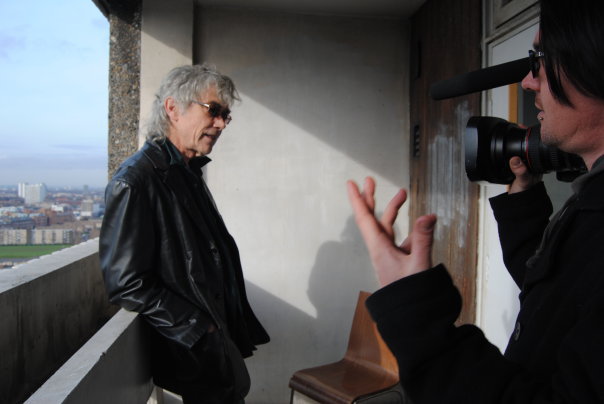
Well, I am happy to report that my students are off and running with their project proposals and that we have finally started filming for the Olympics project! It started last Sunday, rather unexpectedly, when William Raban, Director of Thames Film (1986) texted me in response to my inquiry letter and asked me to come along for an interview during the final day of his exhibit in East London. Amy Cutler and I went out and had a fantastic morning chatting with one of the legends of London filmmaking who showed us rushes from his new film and told us about the similarities he sees today with when he made Thames Film, just before Margaret Thatcher tore into the city.

William Raban

William Raban on the 21st floor of Balfour Tower over East London

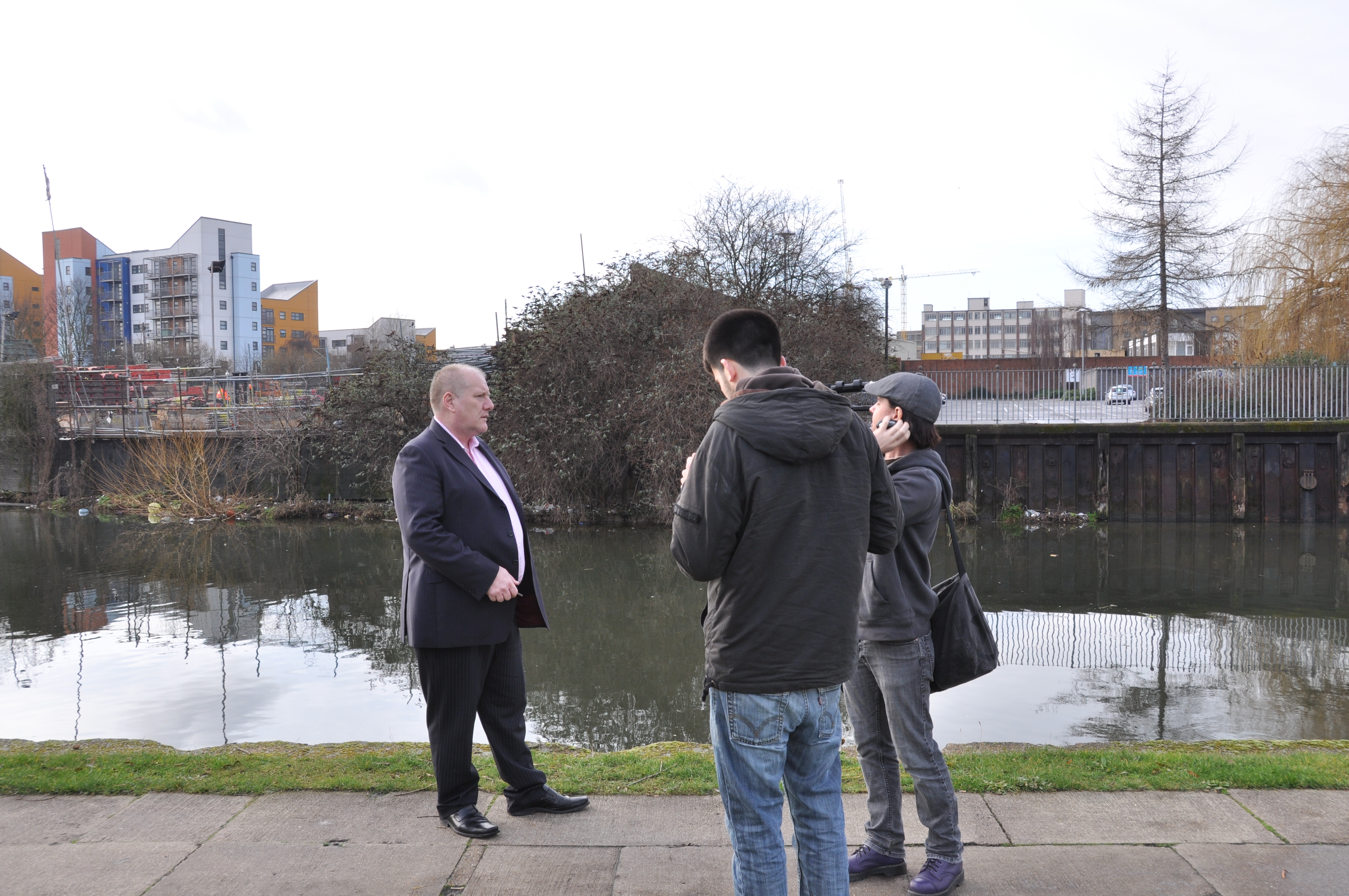
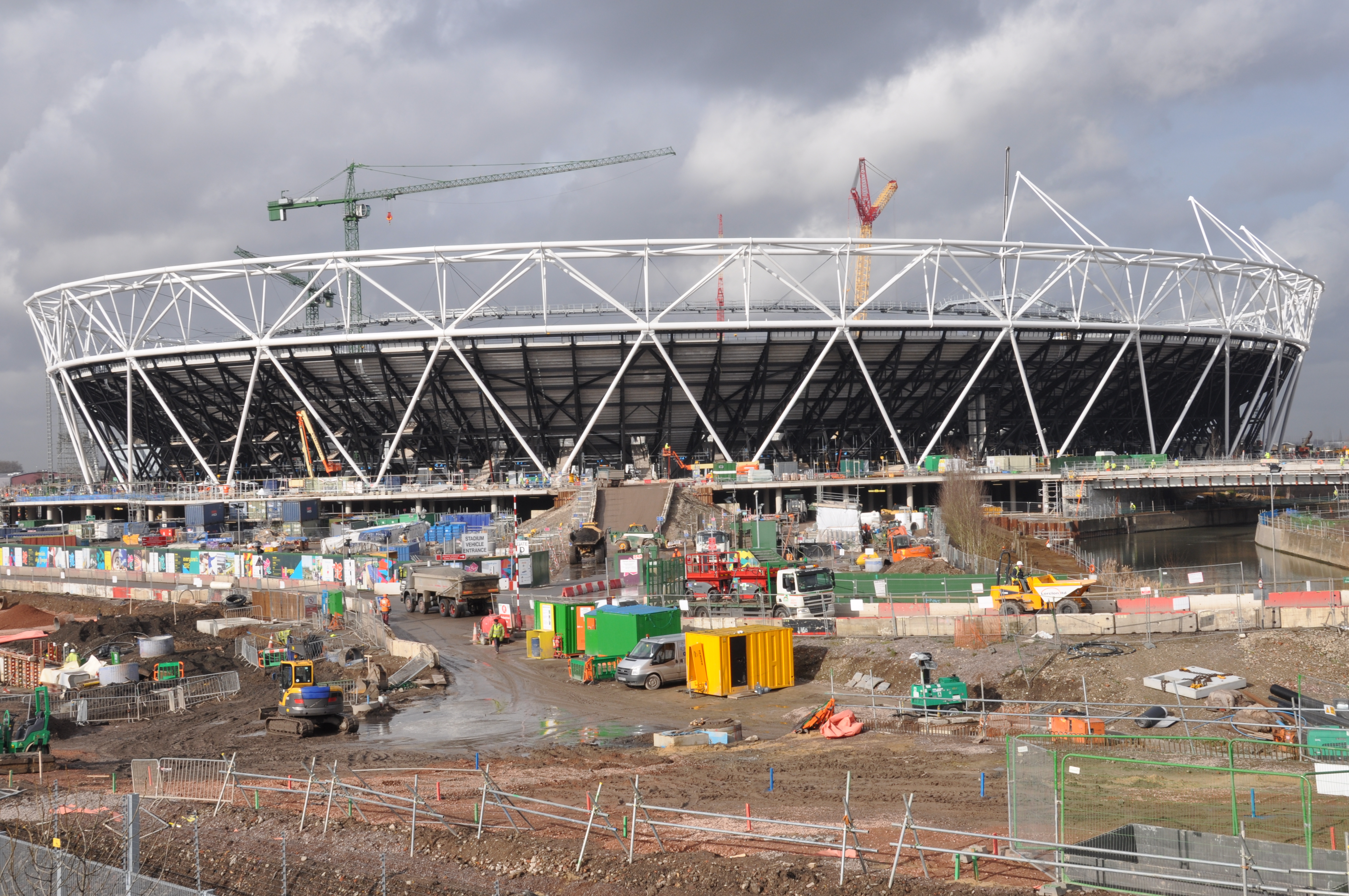
The fun continued today with an interview at the Olympic site with Rob McCarthy, the Olympic area coordinator for the UK Environment Agency. Rob spoke to me, Terri Moreau and Michael Anton about how he has been working in the area for 30 years and how the Olympics has money pouring into the area causing unprecedented changes to the waterways. Rob was fantastic, fielding the interview in between trains, moving locations multiple times and in the end, driving us around to the Olympic Stadium to get some footage of the construction.

Rob McCarthy teaches us a thing or two

Monday we are scheduled to sit down with Iain Sinclair, one of the literary giants of our age and an unabashed critic of the Olympic development. In the meantime, rest-assured, an exploration is planned for Sunday so you can see more pictures of decaying, decrepit and disused dreadfulness. In the meantime, imagine this as a ruin in 2013:

2012

Share
Tags : , , , , , , , , | 1 comment