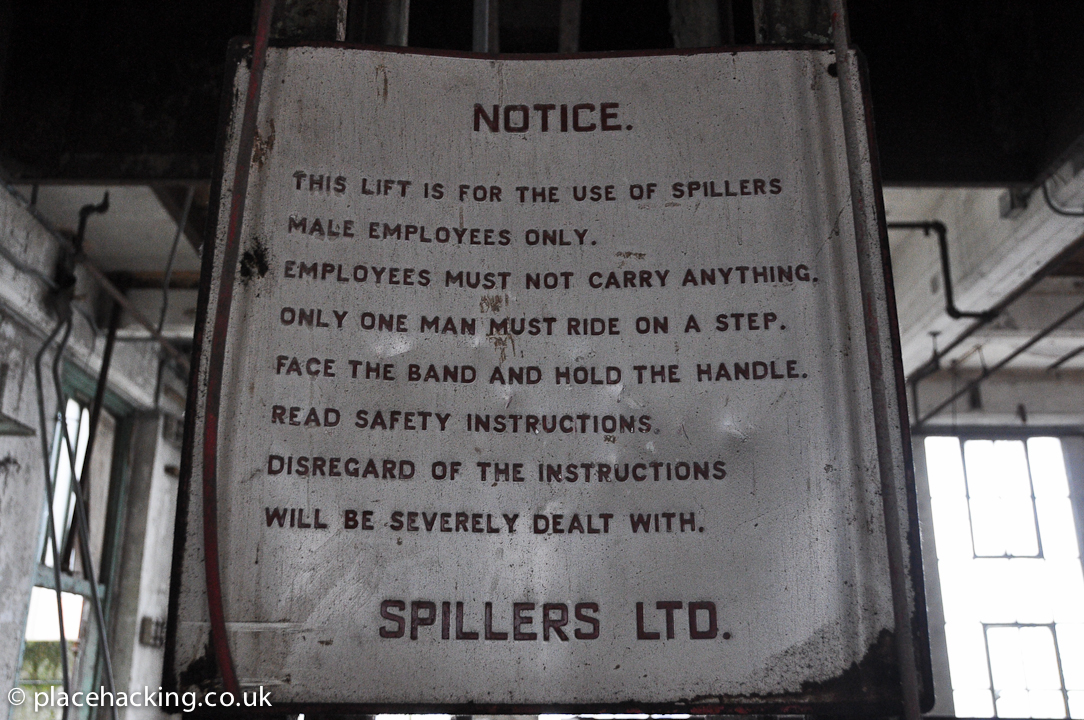
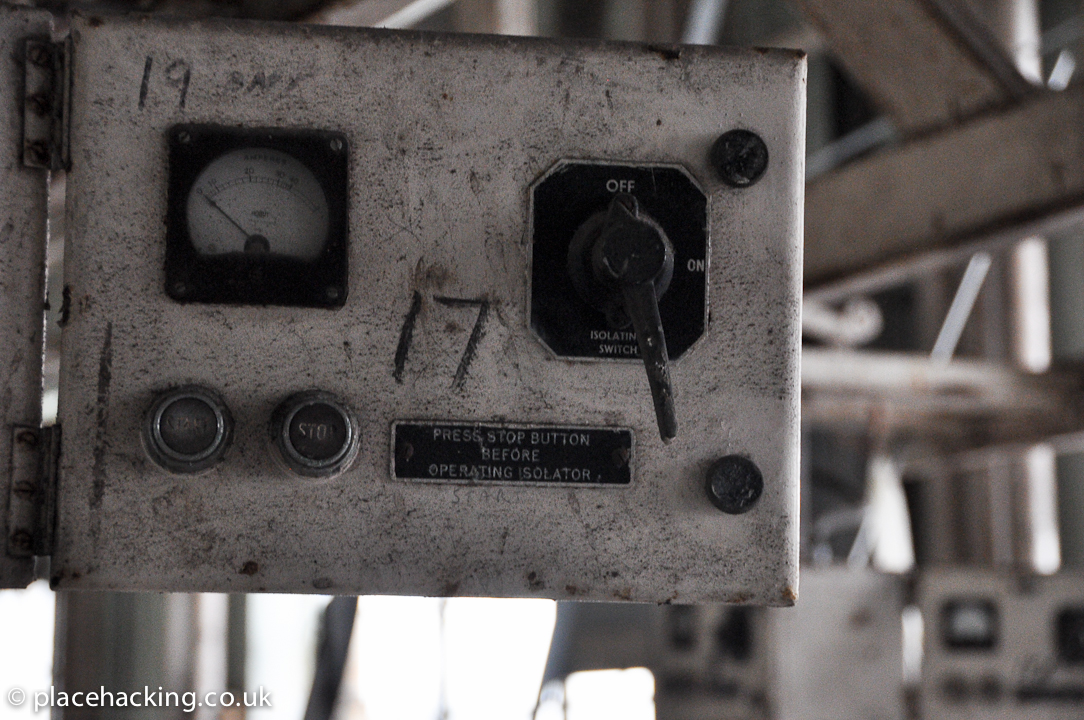
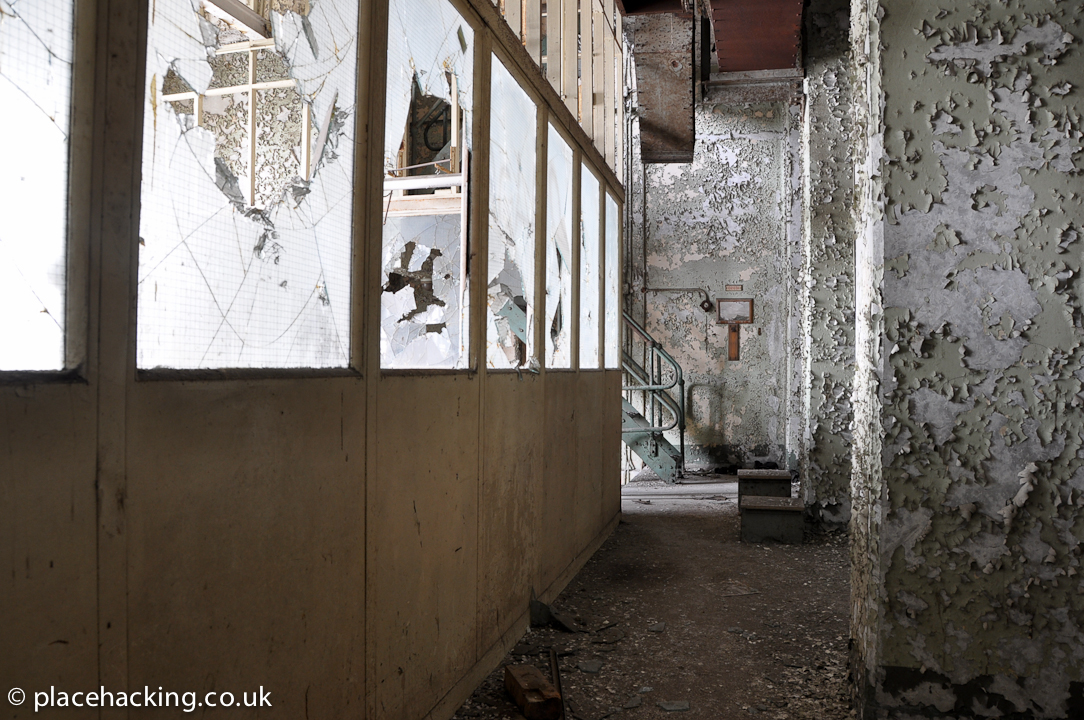
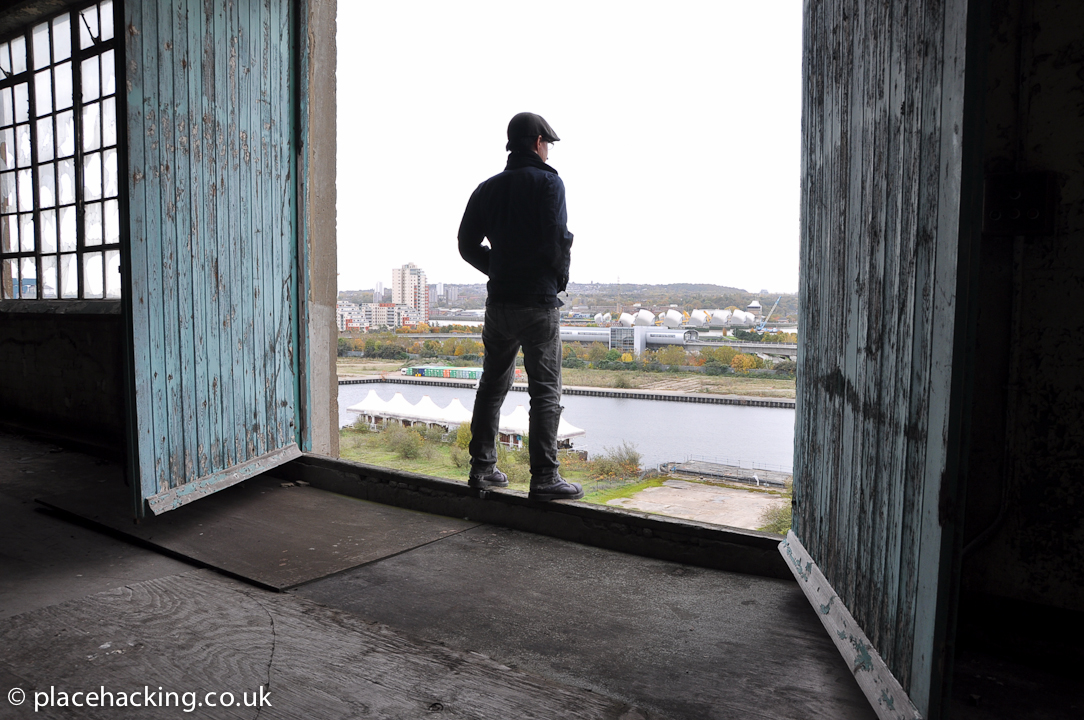
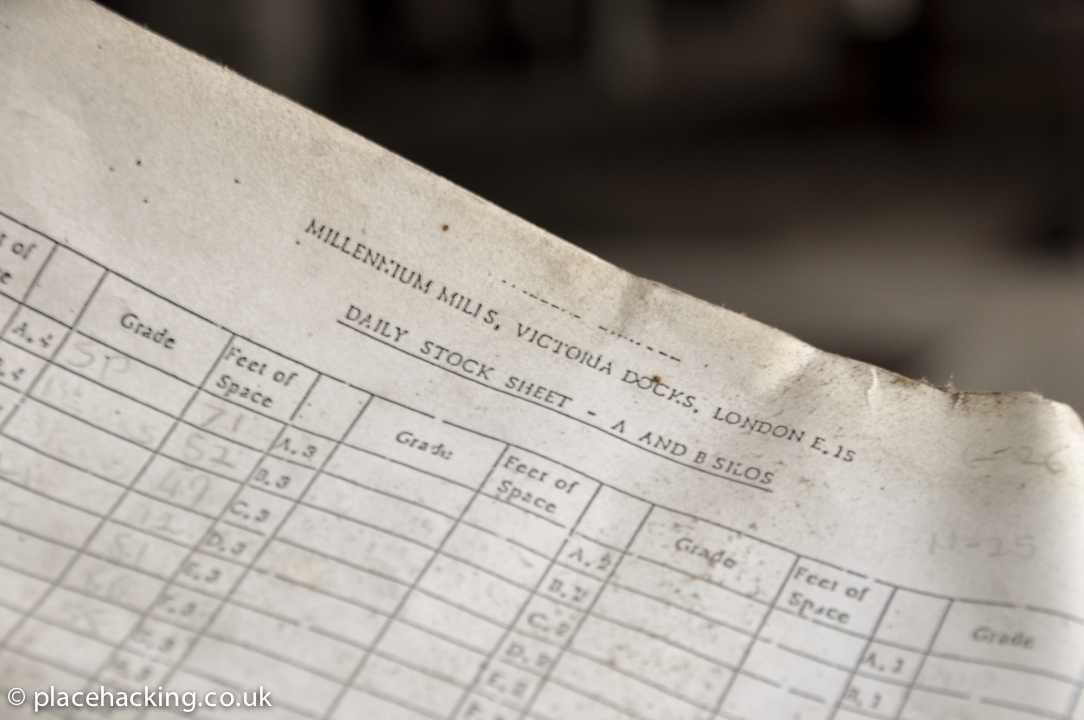
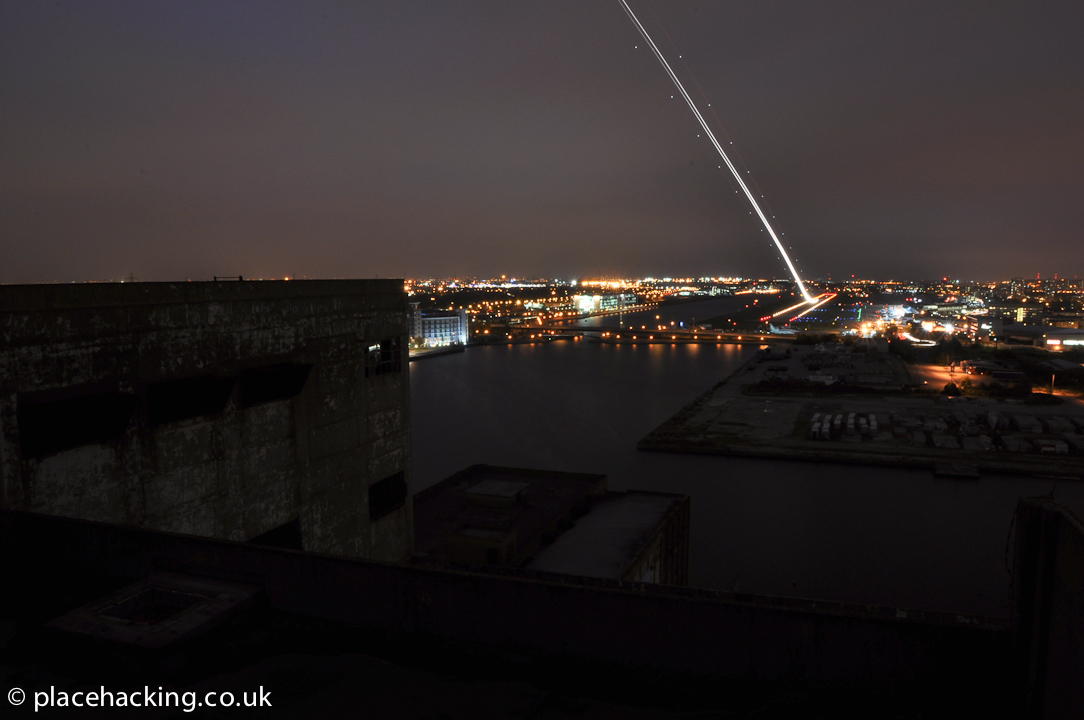
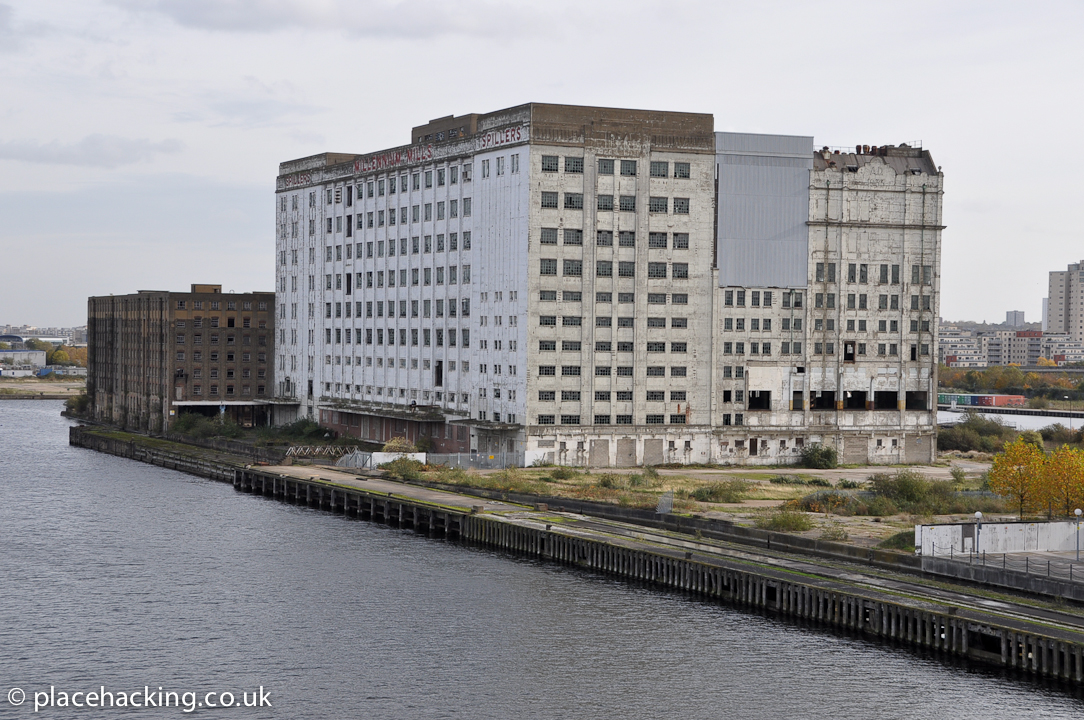
Millenium Mills

Posted by Bradley L. Garrett on Monday Nov 15, 2010 Under Academia, Archaeology, Cultural Geography, Freedom, Poetry, Ruins, Spatial Politics

With Ruins
Li-Young Lee

Choose a quiet place, a ruin,
a house no more a house,
under whose stone archway I stood
one day to duck the rain.

The roofless floor, vertical
studs, eight wood columns
supporting nothing,
two staircases careening to nowhere,
all make it seem

a sketch, notes to a house, a three-
dimensional grid negotiating
absences, an idea
receding into indefinite rain,

or else that idea
emerging, skeletal
against the hammered sky, a
human thing, scoured seen clean
through from here to an iron heaven.

A place where things
were said and done,
there you can remember
what you need to remember.
Melancholy is useful. Bring yours.

There are no neighbors to wonder
who you are,
what you might me doing
walking there,
stopping now and then

to touch a crumbling brick
or stand in a doorway
framed by the day.
No one has to know you
thing of another doorway

that framed the rain or news of war
depending on which way you faced.
You think of sea-roads and earth-roads
you traveled once, and always
in the same direction: away.

You think
of a woman, a favorite
dress, your old father’s breasts
the last time you saw him, his breath,
brief, the leaf

you’ve torn from a vine and which you hold now
to your cheek like a train ticket
or a piece of cloth, a little hand or a blade –
it all depends
on the course of your memory.

It’s a place
for those who own no place
to correspond to ruins in the soul.
It’s mine.
It’s all yours.

___________________

For Toby Butler

Share
Tags : , , , , , , , , , , , , , , , , , , , , , , , | 6 comments

London’s UrbEx Pilgrimage

Posted by Bradley L. Garrett on Sunday Nov 7, 2010 Under Breaking and Entering, Celebration, Cultural Geography, Freedom

Beauty is a thing of might and dread. Like the tempest she shakes the earth beneath us and the sky above us.
-Kahlil Gibran

Life is a pilgrimage. The wise man does not rest by the roadside inns. He marches direct to the illimitable domain of eternal bliss, his ultimate destination.
-Swami Sivananda

Ecstasy

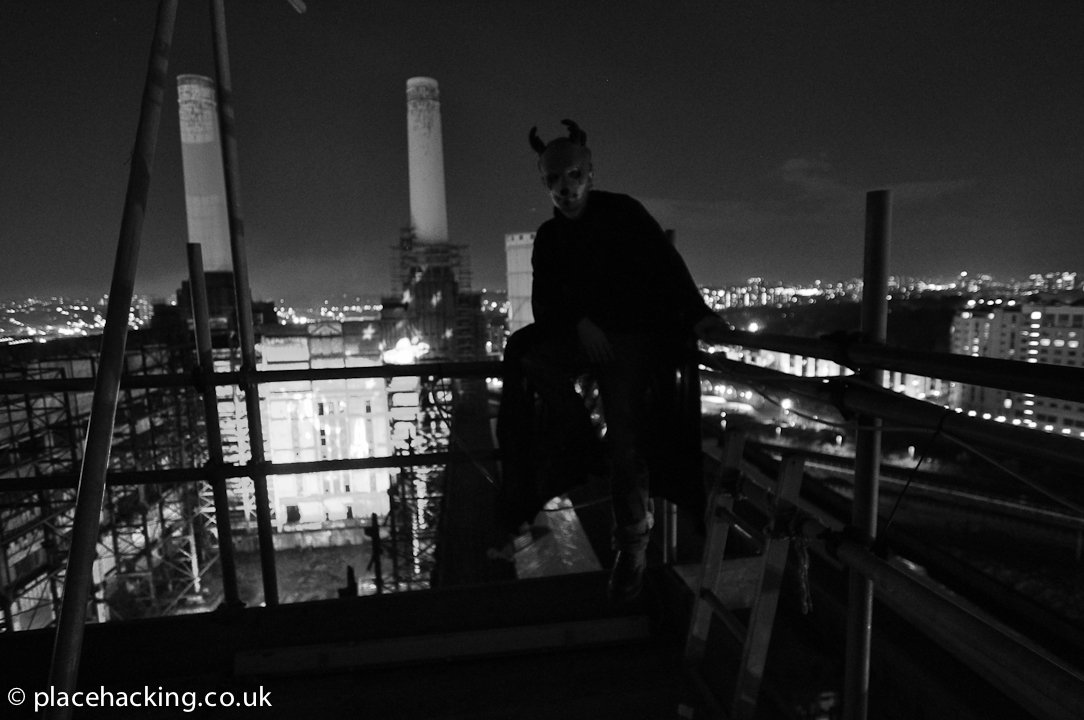
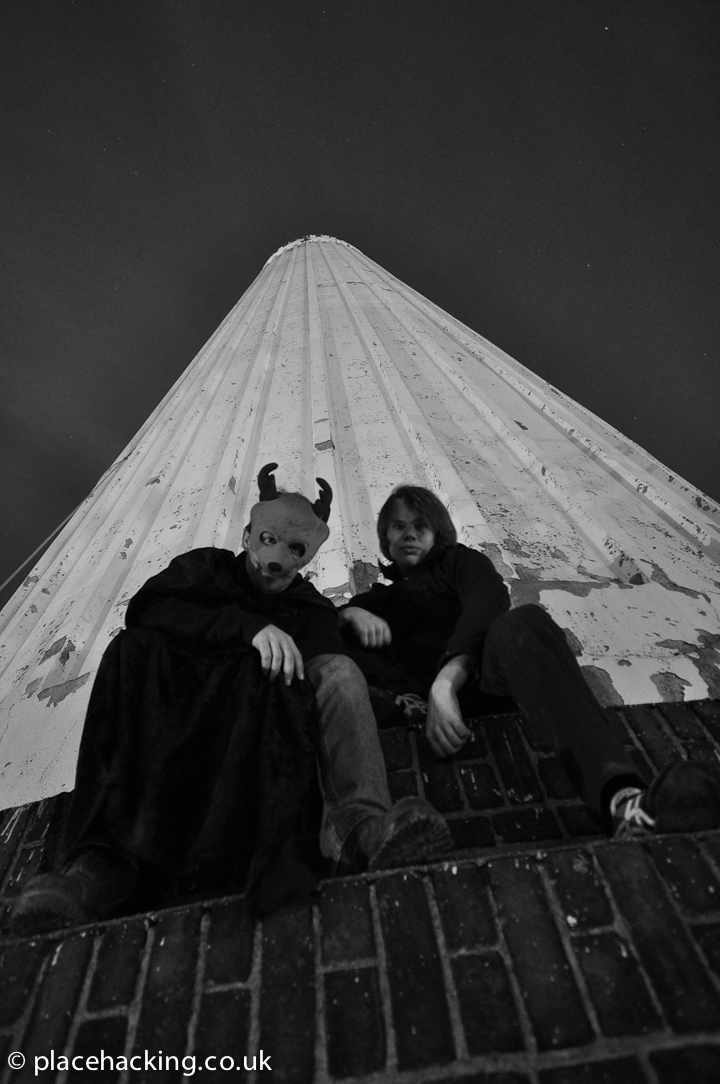
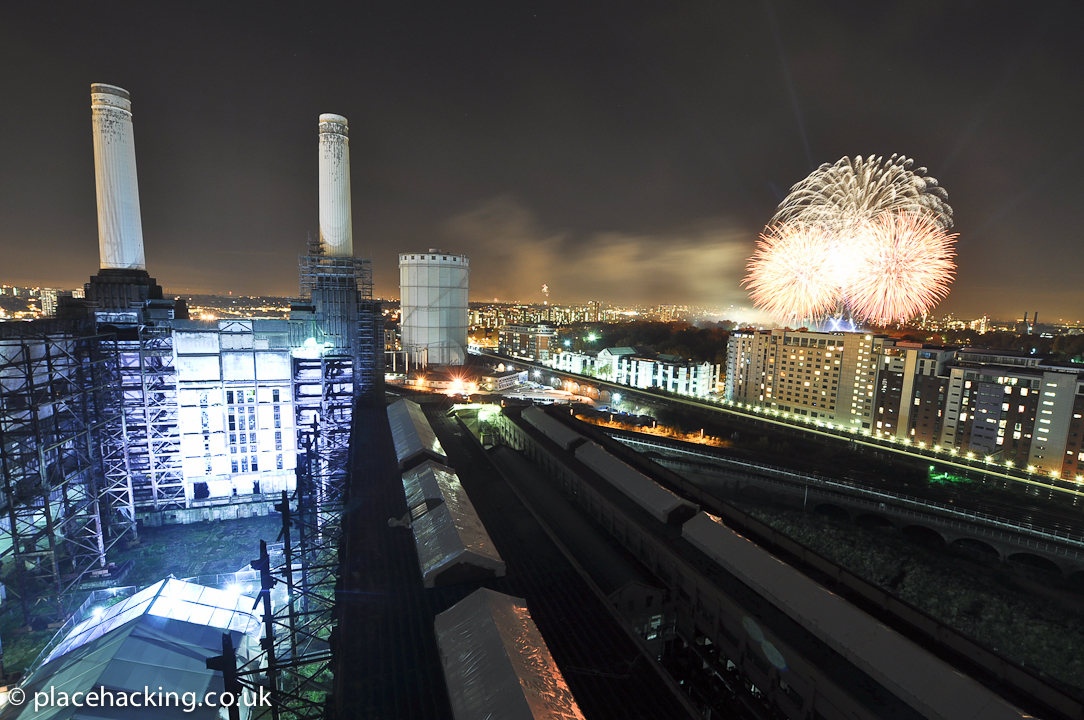
Certain sites of urban exploration are to be tasted, others swallowed and some to be chewed and digested. I have had a love affair with Battersea Power Station, my Dark Princess, since arriving in London. The first time I rode past on the train and saw her crumbing dark brick and creamy smokestacks shining in the afternoon light, I began to feel a powerful desire to get closer. Slowly, over the course of 2 years, I have gone back to her over and over again, on foot, crawling through tunnels, by boat. I have visited her on lonely late nights of contemplation, seeking advice and solace, in the evenings, in the days, through changes of ownership and constantly changing security measures, running around the control rooms playing hide and seek and laying along the chimneys with friends in London’s early dawn light waiting for the ecstasy of her grandeur to eventually fade, which it never does. I feel that we have, over the years, developed a complicated and passionate relationship to the point that I defend her liminal status as being the best place for her to reside. I want her just as she is, now and forever.

No man's land

With intention

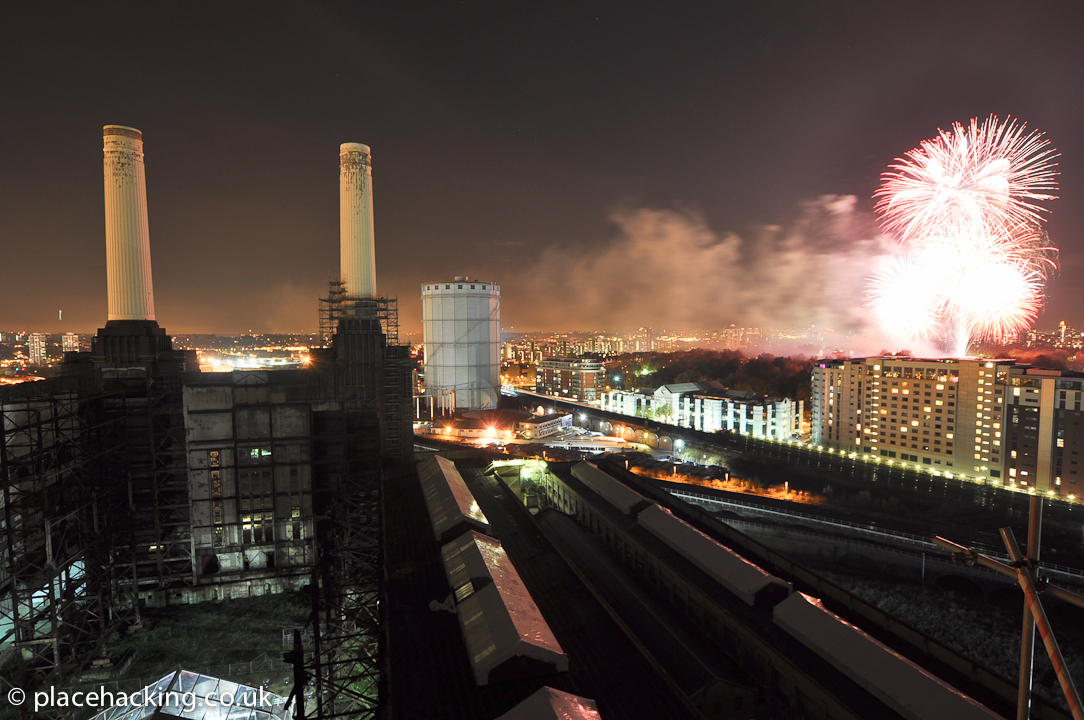
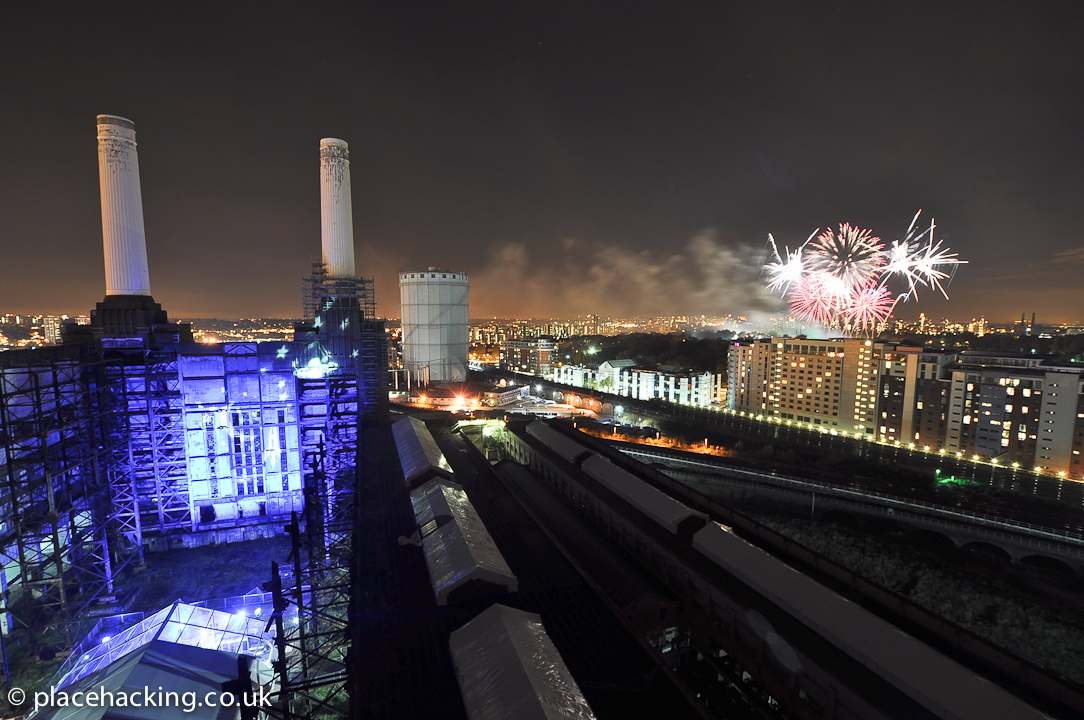
Last year, a plan was hatched to watch the city’s firework display from Battersea Park via the chimneys of my Dark Princess. Ironically, because of all of the traffic coming to Clapham Common where I live for the epic yearly display here, I couldn’t get there in time. I have regretted it ever since, determined to let nothing stop me this year from attending what has become a sacred urban explorer pilgrimage.

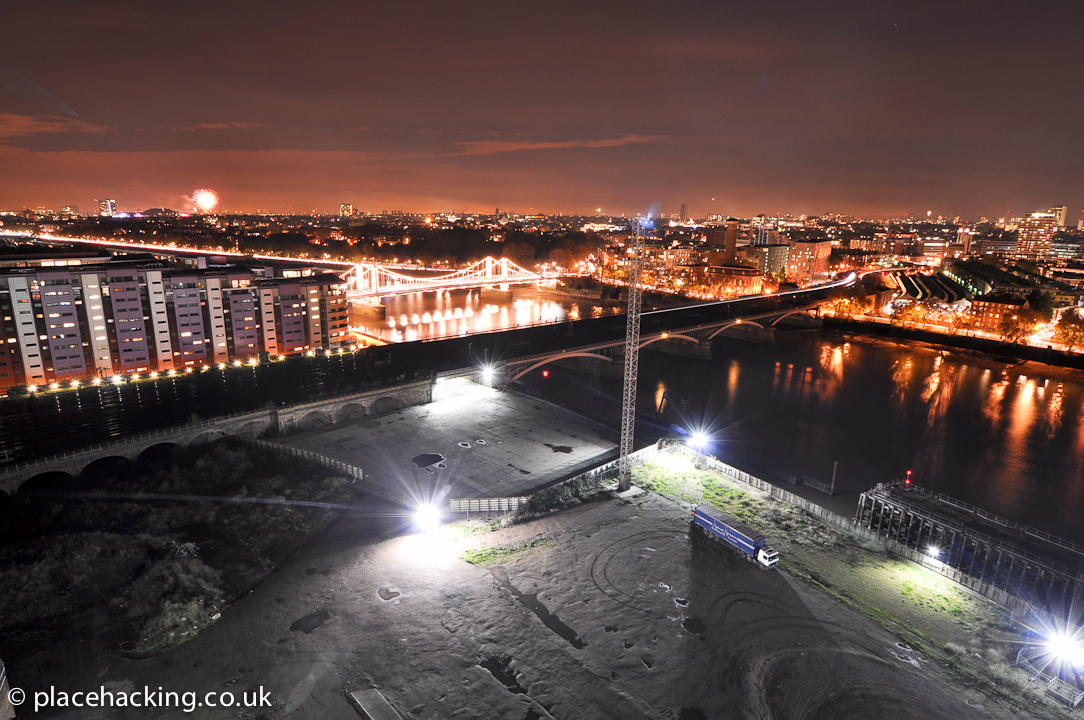
Security is part of the game. They know we are coming. They know we won’t give up spending this night with the Dark Princess. Last night, the place was swarming with workers and patrols, a large tent in the middle shooting blue lights onto the interior walls as we slipped up the scaffolding. The tremors of fear and roaming floodlights only added to the passion of the affair. In the end, 7 of us made it in even as others were caught in the yard below with screams and footchases we could hear while hanging from the steel girders.

And for our persistence, the Dark Princess rewarded us with the most spectacular beauty imaginable, aided in no small part the worker’s light show they unintentionally put on for us (thank you workers!).

Rekindled

The night

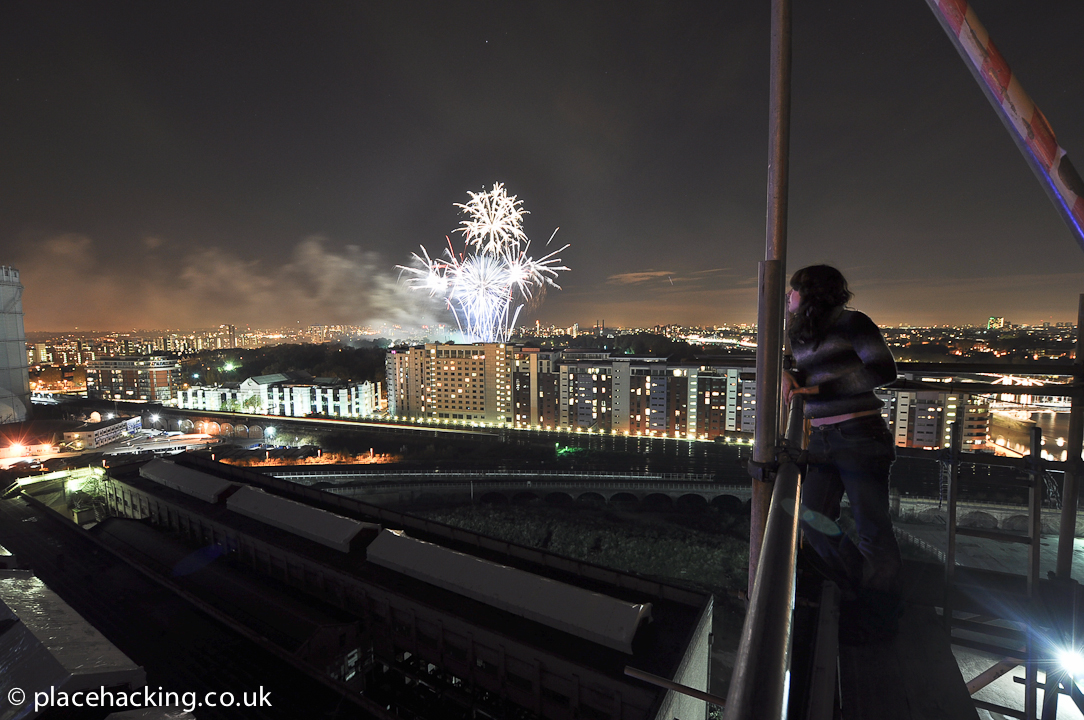
For 30 minutes, we sunk into the bliss of a successful pilgrimage, eyes closed with the sky flaring behind our eyelids, one terrible rumble after another awaking our primal imaginaries, drifting into the night. The evening turned into a fervour of laughter and play as we ran into the city to wreak more havoc in our intoxication of passion. I let the night go with a heavy heart.

In revelry

The whole universe will glow

Share
Tags : , , , , , , , , , , , , , , , , , , | 1 comment

I like to just gobble the stuff right out in the street and see what happens, take my chances, just stomp on my own accelerator. It’s like getting on a racing bike and all of a sudden you’re doing 120 miles per hour into a curve that has sand all over it and you think “Holy Jesus, here we go,” and you lay it over till the pegs hit the street and metal starts to spark. If you’re good enough, you can pull it out, but sometimes you end up in the emergency room with some bastard in a white suit sewing your scalp back on.

–Hunter S. Thompson, Playboy Magazine, 1974, discussing drug use as edgework

Keep looking

Edgework was a term first used by gonzo journalist Hunter S. Thompson in his book Fear and Loathing in Las Vegas to describe the necessity some people find in pushing boundaries to find fulfillment. The idea is to work as close to the “edge” as one can without getting cut (or at least not too deeply). For Thompson, this meant putting himself in perilous situations such as doing ethnographic research with the notorious Hell’s Angels Biker Gang, ingesting various intoxicants to the point of near overdose or taking drugs of unknown origin in unexpected combinations.

The term edgework was appropriated by the socialist Stephen Lyng as a blanket term for anyone who “actively seeks experiences that involve a high potential for personal injury or death.” In his 1996 article Edgework: A Social Psychological Analysis of Voluntary Risk Taking (expanded in 2004 as an edited book), Lyng goes on to explain edgework as a negotiation between “life and death, consciousness and unconsciousness, and sanity and insanity”.
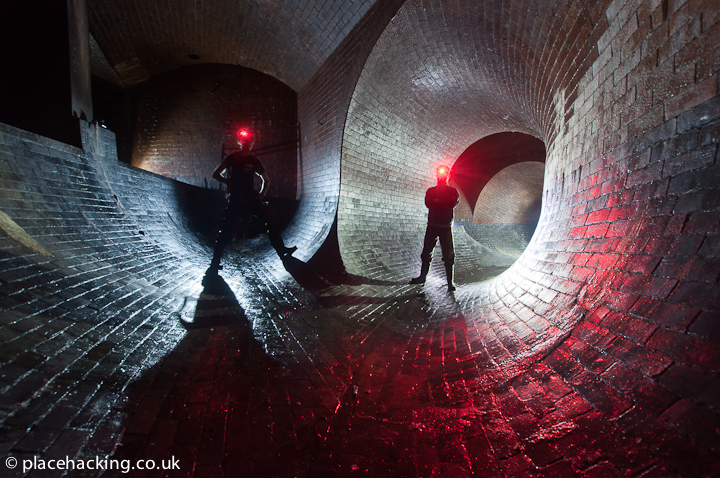
Relatively conscious (photo by Otter, Yaz and Goblinmerchant)

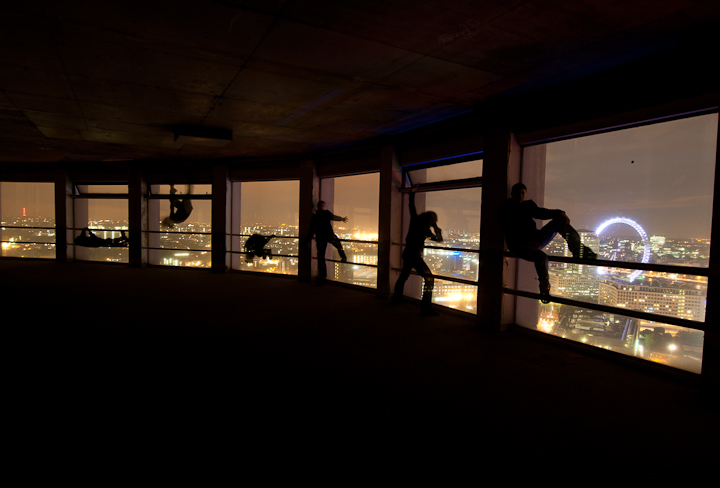
It seems to me that most urban explorers not only feel the need to test those limits, but to push them. We find those opportunities in drain systems, where the obvious risk comes from flooding and drowning to abandoned buildings which have both short term (collapse) and long term (respiratory problems, cancer etc.) negative impacts on our bodies. Many urban explorers also frequent high places where falling is always a possibility. In these locations we are free to do our edgework, pushing these boundaries by hanging from cranes, balancing on edges of long drops, precariously tiptoeing over weak floors and scrambling under collapsing roofs.

Edging (image courtesy of nocturn.es)

In wider society, inevitably connected to the concept of “liability”, is the notion that these activities are trangressive. UrbEx, like street art, skateboarding and parkour, is a practice which reappropriates urban space for an unintended or unexpected use that may result in bodily harm and one of the common reactions to people choosing to take unnecessary risks is, of course, suspicion that these people are “out of place”. But as Christopher Stanley has written, “these subcultural events [could] assume the status of resistant practices not in terms of ideology but rather in terms of alternative narratives of dissensus representing possible moments of community.”
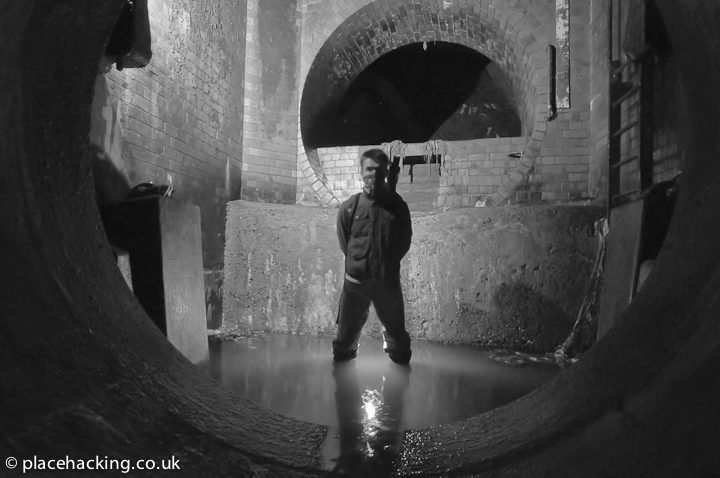
Sinking feeling

As Lyng rightly points out later in his article, “risk taking is necessary for the well-being of some people” as individuals work to “develop capacities for competent control over environmental objects” (see Klausner 1968) inspiring edgeworkers to sometimes speak of a feeling of “oneness” with the object or environment while undertaking these risks.

I know that the places where I feel most embedded in the “fabric” are places where I have taken risks. In those places, I have bonded not only with Lyng’s “object and environment” but also with my friends who shared in those risks.

Alternative cathedral use, Paris (image courtesy of Marc Explo)

The desires to explore for the sake of exploring, to take risks for the sake of the experience, with little thought to the “outcome”, is something that runs deep in us when we are children. Urban explorers are, in one sense, rediscovering and forging these feelings of unbridled play, of useless wandering, of trivial conversation and of spontaneous encounter, all of which lead to the creation of very thick bonds between fellow explorers who use play as a way “to de-emphasize the importance of work and consumption and their pervasive monetary components.”

These explorations bond people in an emotive embrace, tendrils of affect conjured by shared fear and excitement, experiences that have become increasingly hard to find in many modern city spaces which Guy Debord argues “eliminate geographical distance only to produce internal separation.”
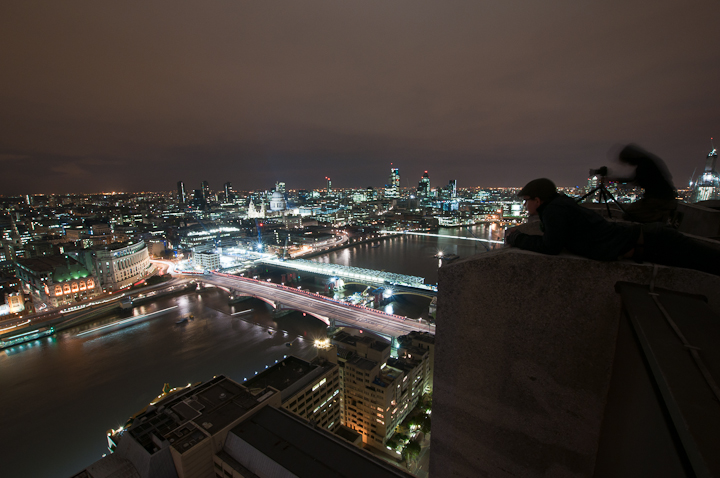
Perched

Despite the ways edgework may be seen as trangressive, the empowering and inspiring process of undertaking edgework is exactly what is lacking from many people’s lives in global cities. Edgework may in this sense be seen  healing rather than severing, a hot blade that melts. Physical human connections through shared experiences of peaked emotions build stronger bonds of community, and I am proud to belong to this tribe of urban bodhisattvas.
Tribe
Share
Tags : , , , , , , , , , , , , , , , , , , , , , , , , , , , , , , , , , , , , , , , , | 8 comments

Tragedy is when I cut my finger. Comedy is when you walk into an open sewer and die.
-Mel Brooks

Peel

At the wheel

Recently, our buddy Paul Dobraszczyk, author of the book Into the Belly of the Beast: Exploring London’s Victorian Sewers was interviewed by Resonance FM for their series Tunnel Vision where the producers took people on an legally-questionable journey into a London sewer for an interview. I met Paul soon after at the subterranean London Illumini exhibit in Shoreditch. Just about the same time, Silent Motion was making a fuss about how we neglect South London on our explorations.

When Paul told me about his experience in the Effra River, given it runs only a mile from my house, we thought we may as well have a look. So last night, Silent Motion, Statler and I went down with a backpack sound system, a video camera and an abundance of energy to explore my own backyard. What we found amazed and surprised us.

It’s good to know this little wonder is just a short walk from my house. It was a night well spent exploring another of London’s hidden rivers.

Zarathustra

Share
Tags : , , , , , , , , , , , , , , , | 2 comments

Urban Verticality

Posted by Bradley L. Garrett on Saturday Aug 14, 2010 Under Archaeology, Cultural Geography, Freedom, Psychogeography, Situationism, Urban Exploration

“To get back up to the shining world from there my guide and I went into that hidden tunnel, and following its path, we took no care to rest, but climbed: he first, then I – so far, through a round aperture I saw appear some of the beautiful things that Heaven bears, where we came forth, and once more saw the stars.” -Dante, Inferno, Canto XXXIV

Sloping

The blood bubble

It was a night to remember, wandering around in a team of 5 dressed as construction workers. Even at 2am, the yellow vest and hard hat that signifies us part of an invisible working class, rendering accessible the cavernous depths and dizzying heights of the city never ceases to amaze. I find it fascinating how many people in London ignore these hidden verticalities of the city – not just in a physical but in a social sense. People don’t touch spaces above and below because that is not where their class belongs. The middle class, true to its name, moves horizontally.

Tonight was a drift tonight tinged with a particularity lovely glow, plans of sewers flooded by rain landed us underground where trains sped by as we ran down the tunnel laughing. Our desires for a complete and situated urban verticality led us from low to high in search for adventure, insatiable in our lust to escape a capitalist suicide by instalment plan, spontaneously mapping sites of urban tenderness one after another.

Tender

That night, we once again forsook the pact the modernism asked us to make, seeing it as yet another impotent utopia, and found our own phantasms, cultivated during chemical visions in the sands of the Black Rock Desert, the swirling concrete flow  and smooth-waxed rails of skateboard parks, in the melted organic mental materialities of peyote festivals.

We weren’t really resisting anything because the resistance would eventually “turn to irony, irony to realism, realism to pragmatism, and pragmatism to solace in spectacular visions, consumerist monsters, development triumphs, and nostalgic dreams.” Perhaps, Vidler tells us, in his article Air War and Architecture, “such anxieties, brought once again to the surface, will stimulate new resistances, desperately needed right now – resistances that will not take the critical understanding of the past as mere pessimism or wrongful authority, but as salutary instruments against a globalising development frenzy that insists on burying history” (Viddler 2010 :39). All true, yet that as we rise and rise again to meet this city in all of its grandeur, in all of our might, these histories can’t be buried because we are building them one exploration at a time, a history of hidden dreams, of decay and of class and capital in all of its tropes and treats. And that is a geography of love.

Tropes

Treats

With love, ever-renewable

Share
Tags : , , , , , , , , , , , , , , , , , , , , | 2 comments