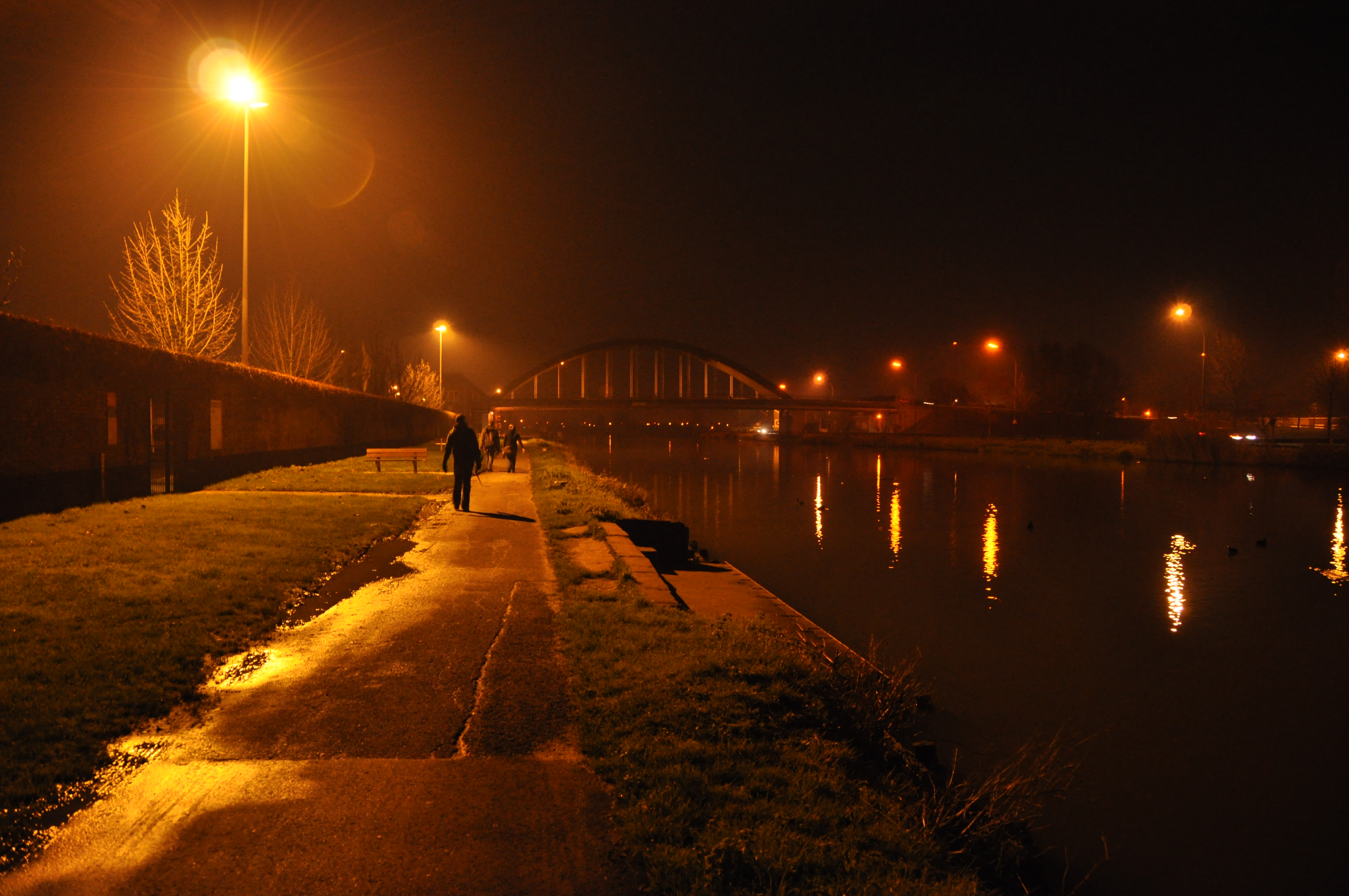
Ride of the vagueries (conquest of Paris)

Posted by Bradley L. Garrett on Saturday Mar 6, 2010 Under Cultural Geography, Uncategorized, Urban Exploration

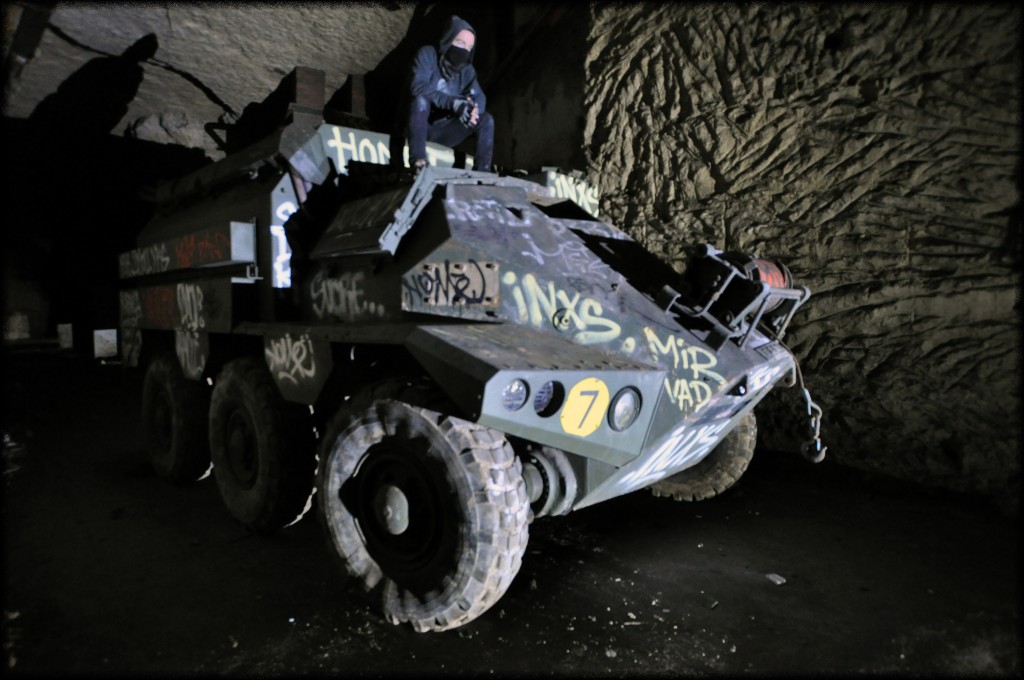
“They rolled down the Champs de Lise in these armored vehicles. They were dressed in black, carrying tripods and camera gear, saying the would explore every inch of the city. It was terrifying.” – Constant Conscious, Baker

“One of them said he had been under the Musee du Louvre bowling with skulls and I was like ‘what the fuck is happening here?'” – Achille Chevalier, Town Watchman

War games

Leave no one alive

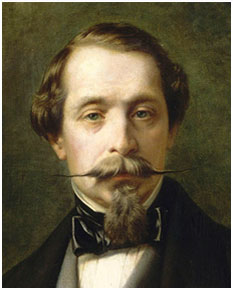
Marc called us from Paris where he remains in exile after murdering that poor Gurkha security guard at Pyestock. The Parisian populace was getting downright menacing he said, throwing instead of blowing kisses at President Sarkozy. The wet smooches were slapping him in the face with soppy smacks, knocking him down on every street corner, leaving him sapped of mojo. And a flaccid emperor can’t run this city, as Napoleon III learned 300 years ago, despite his glorious mustache.

Tashe

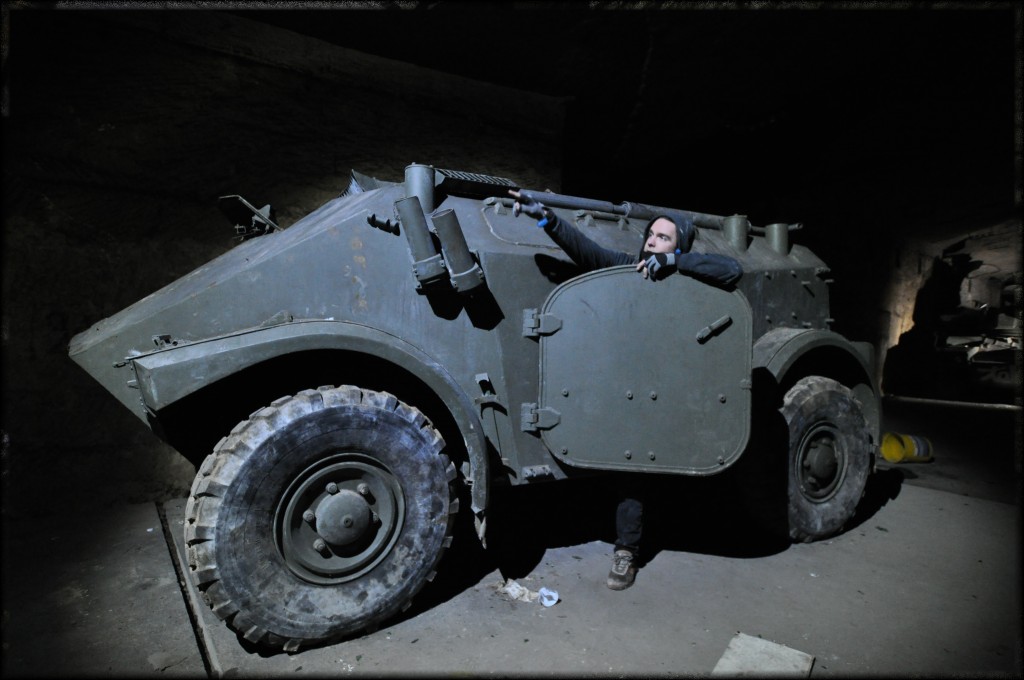
Turns out, Marc had been rummaging around (as he does) the other week and had located a fleet of abandoned military vehicles, perfect for quelling French proletariat rebellions. He imagined us piloting them down the wide toward the city centre, just as Baron Georges-Eugène Haussmann built it to be used, setting all right once again.

Under the cover of darkness, we crept in, leaving behind two operatives to secure the vegetable supplies in a adjacent quarry. I hopped into a small Humvee and ordered the doors battered down. Can’t believe they left the keys in this puppy.

Charge!

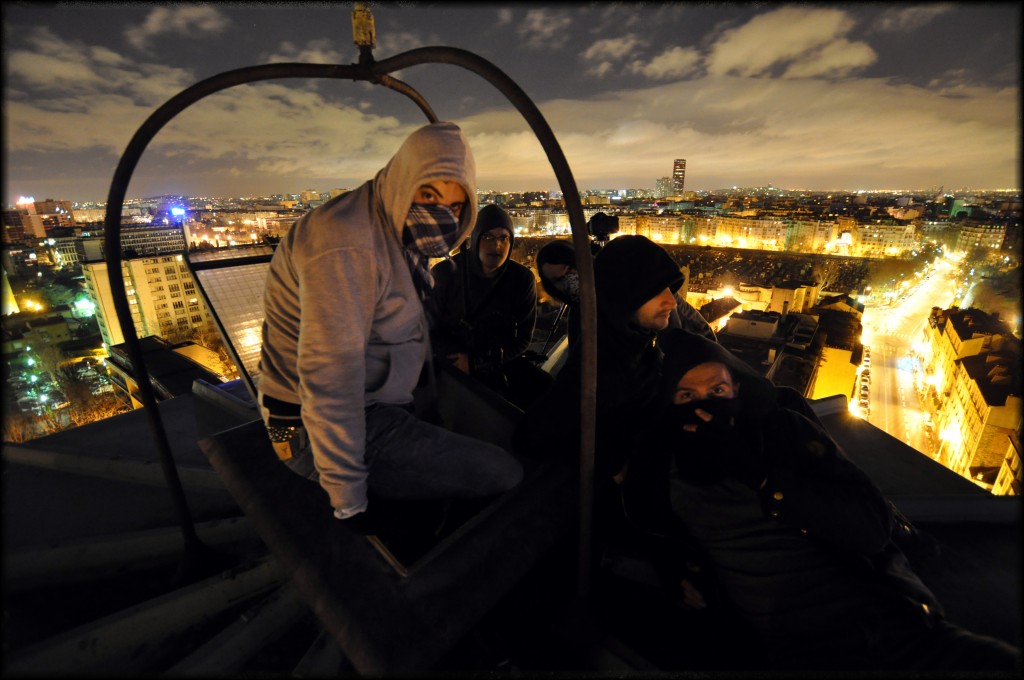
We rolled into central Paris in our new acquisitions bumping Del The Funkee Homosapien and drinking blue Chimay, throwing baguettes at hopeless romantics, police and cataphiles alike in a transparent attempt to capture hearts and minds. Implementing an age old audacious tactical maneuver passed down through the Statler family for 40 generations, we climbed every tall building in the city to survey the scene.

Seizure

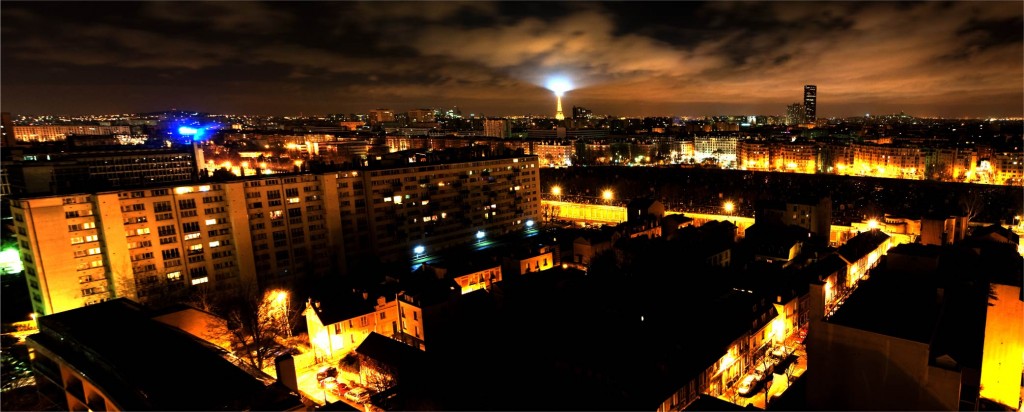
Just then, Silent Motion cried out, pointing to the horizon, an almost inarticulable gasp pouring out of the side of his mouth. In the distance there was what appeared to be a rift opening in the sky.

Holy smokes!

We took decisive action, speeding over the the rift only to find that it was a reincarnation of Zuul, back from Ghostbusters I to invade Paris the same night as us. Damnation!

This party's over!

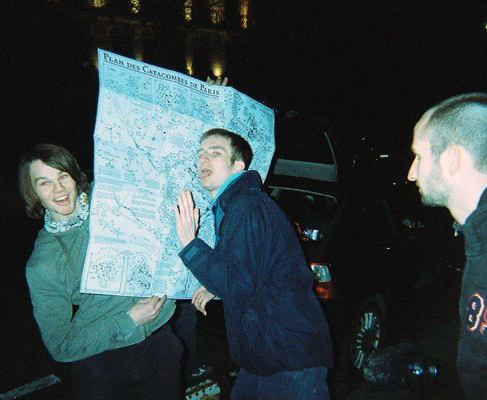
With a stroke of luck, LutEx arrived, fresh off the Eurostar, answering our Craigslist ad for reinforcements. Right then and there, he pulled out this horrendous map of some underground city where he claimed previous failed revolutionaries had gone into hiding. Clearly drunk at this point, we decided he was the man to follow.

And then the revolution died

The dejected revolutionaries crawled into the underground maze through a manhole at rush hour, dragging the bodies of their dead comrades, pussing fang marks and all, hopes and dreams tied up in little canvas sacks, squirming and wiggling, screaming for acknowledgment.

Shouldn't have crossed the Rubicon

]

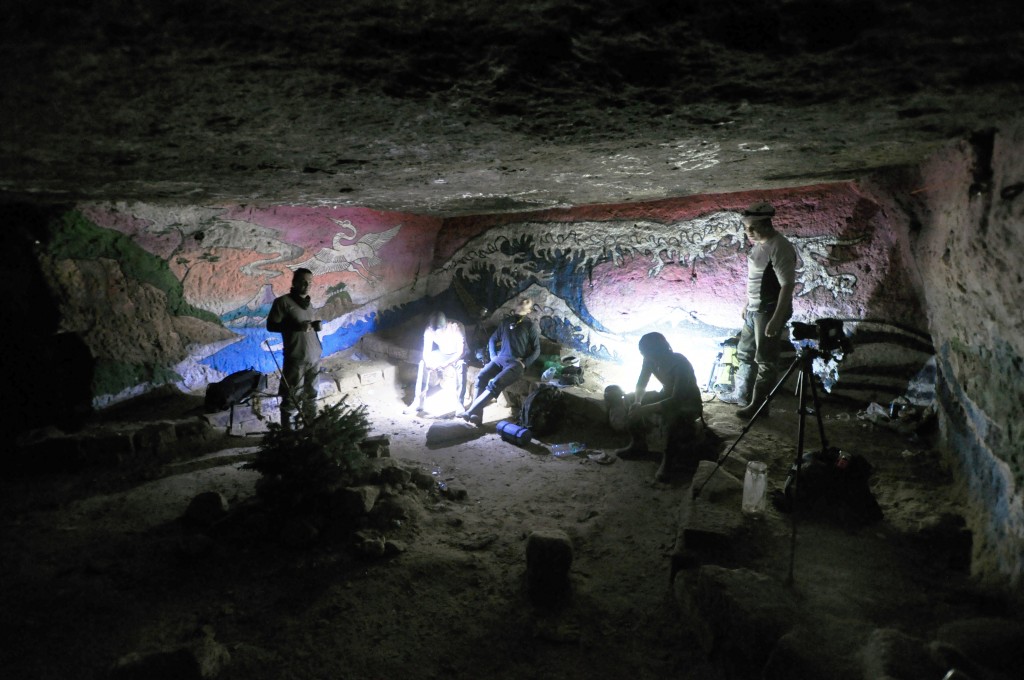
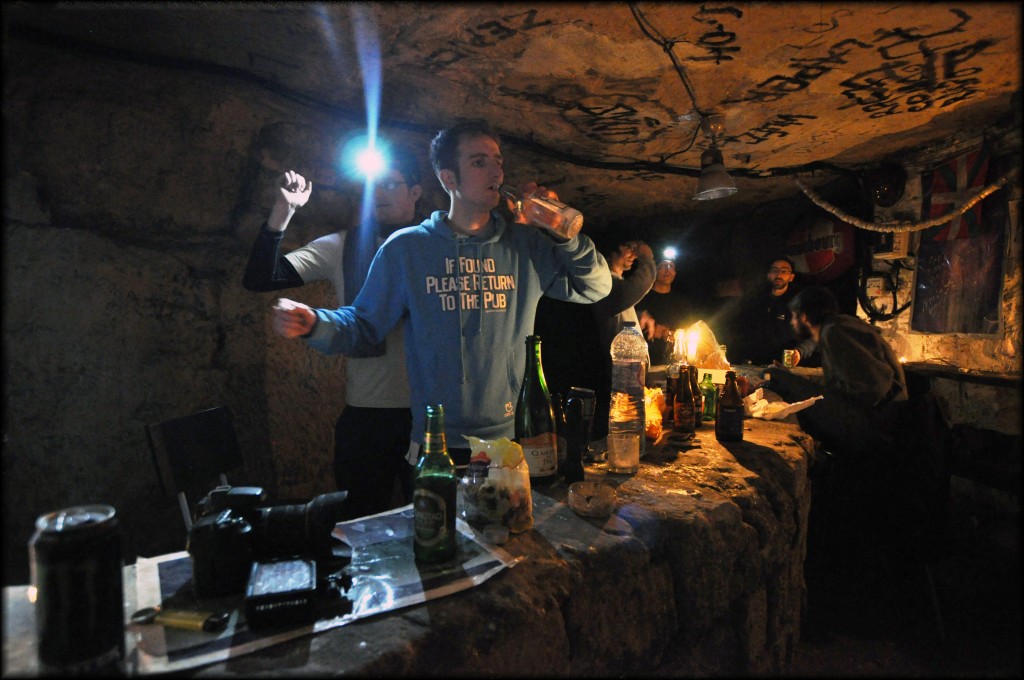
Lest our hopes get the best of us, we left them in the bags and trampled them while we danced to our failures, praying that Zuul had been lenient with the people after her extraterrestrial takeover. And that’s how Marc’s dream of a new Parisian republic died, in a bout of inebriated dirty dancing, headtorches waving in little battery powered gestures, light painting the the walls of the cave we all knew we would never be able to leave.

Here's to failure!

_____________________________________________________

This post is dedicated to that little Swedish boy that died exploring in Stockholm last week. I celebrate you for not sitting inside playing video games like your friends kid.

Share
Tags : , , , , , , , , , , , , , , , , , , , , , , , , , , , , | 6 comments

Lust for London

Posted by Bradley L. Garrett on Saturday Feb 13, 2010 Under Anthropology, Cultural Geography, Psychogeography, Uncategorized, Urban Exploration

Let us go then, you and I.
When the evening is spread out against the sky
like a patient etherised upon a table;
Let us go, through certain half-deserted streets…
-T.S. Eliot

Passion

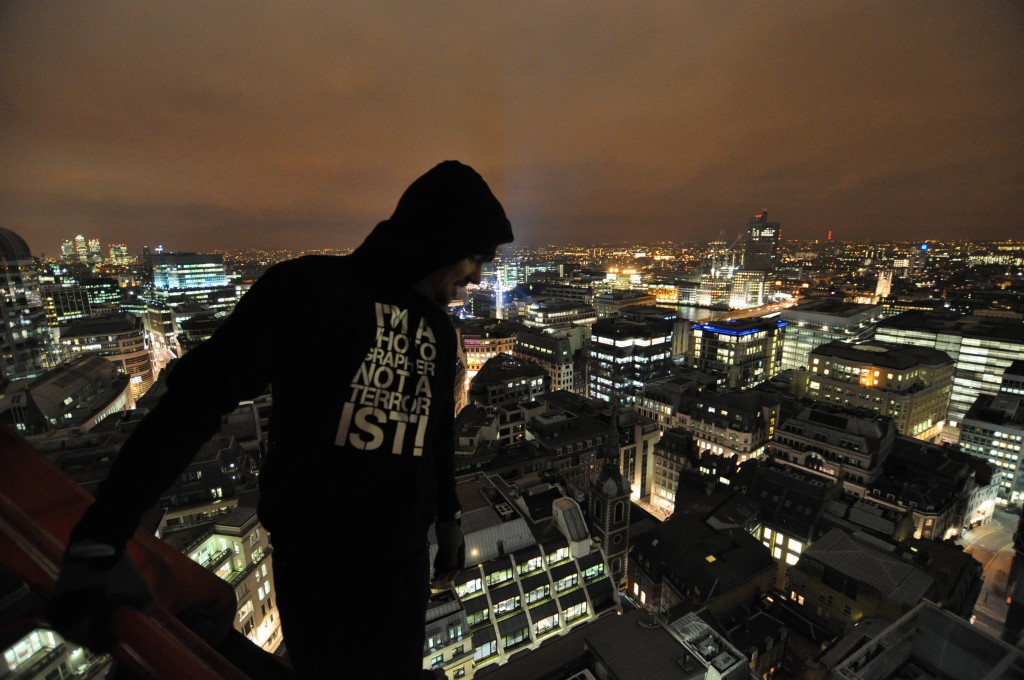
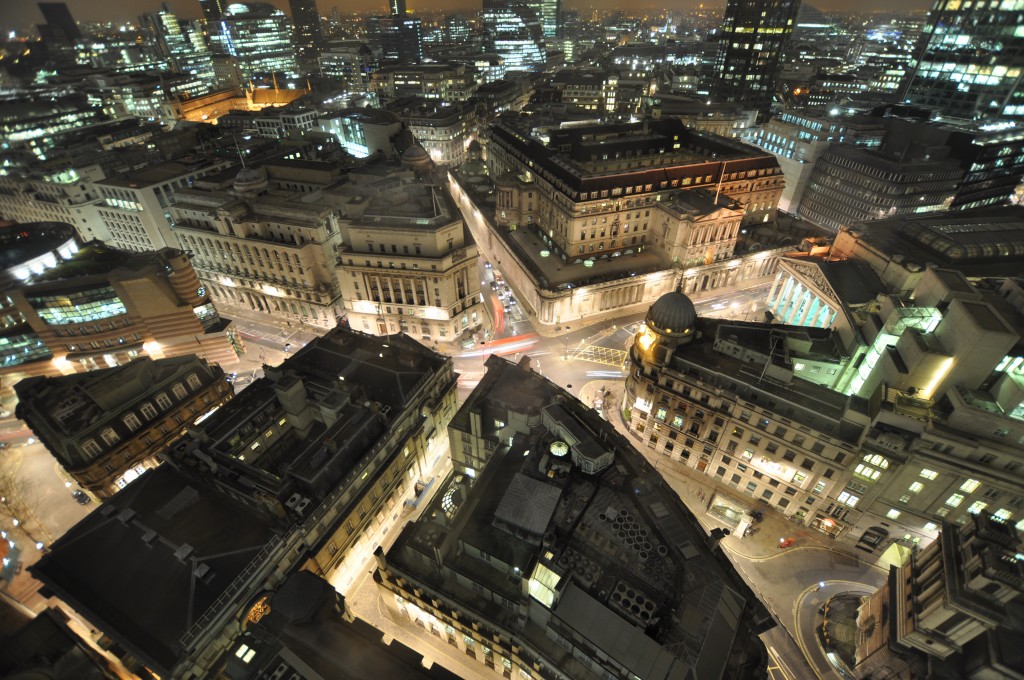
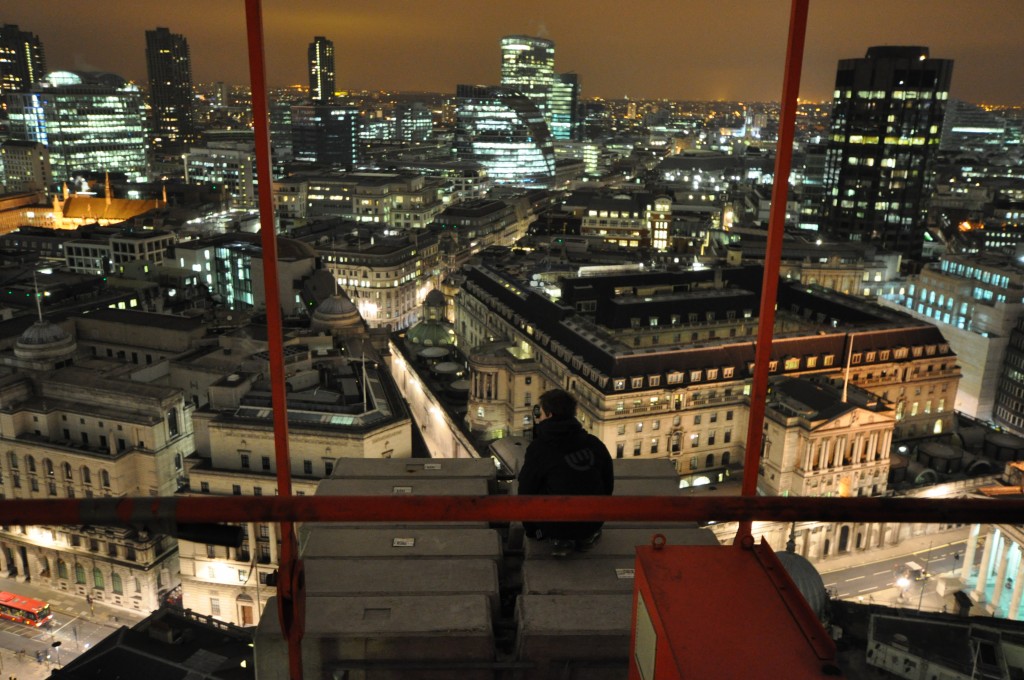
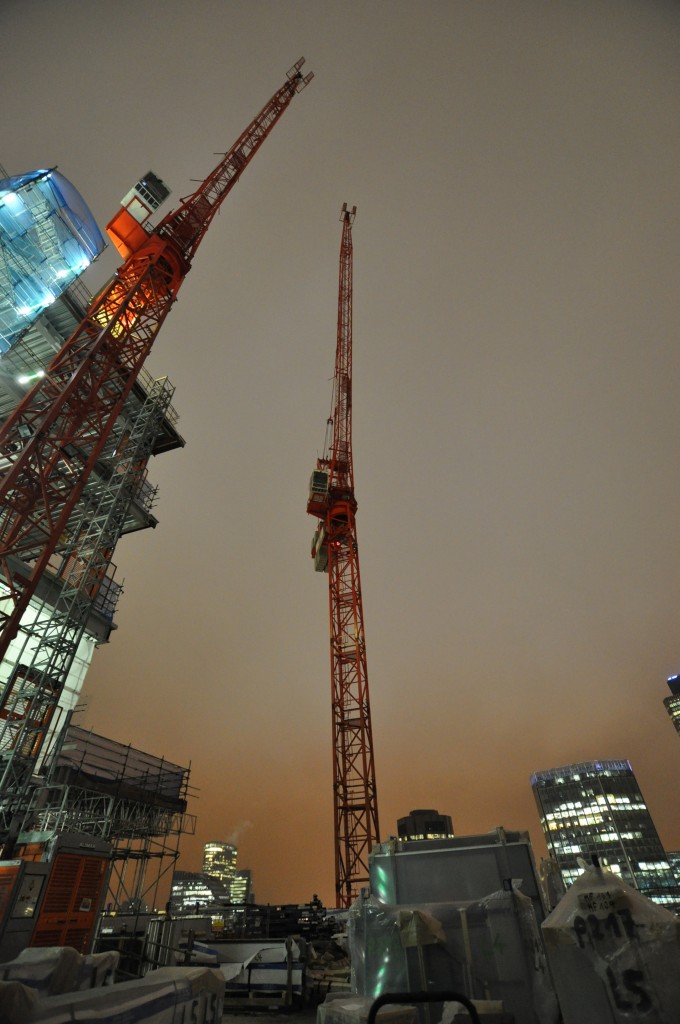
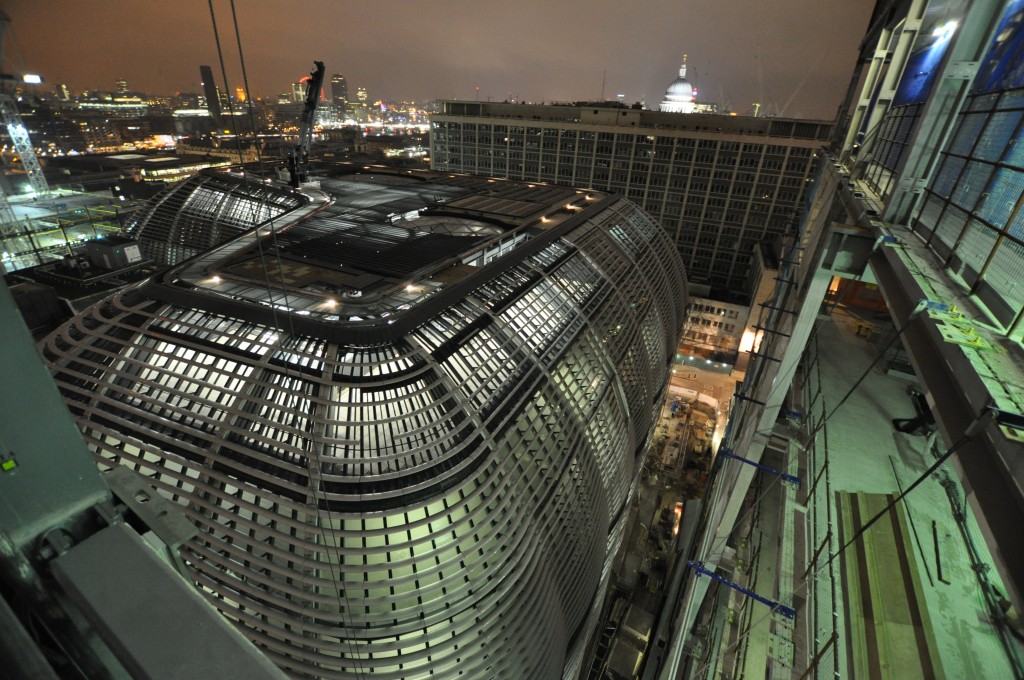
Hanging above bank station from a red crane that pulsates with foggy light warning off incoming aircraft, the metal making slow groaning sounds as the bitterly chill wind nudges the structure into a gentle sway, I look down at the bank of England and hear a cacophony of voices in the city.

But the voices I hear are not of the screaming hordes of city bankers, roping in whithered lovers for an evening of lust soon to be forgotten or morphed into office scandal, they are the voices of the past, explorers who walked these city streets in ours and other ages, who crawled into the dark folds of urban architectures looking for crack, photographs, walls to graph or poetry. I connect with myriad individuals who share my love for plenitude, the inanimate animated.

Dickens was a fellow nighttime crawler, a man wrapped up in a perpetual dream, an explorer of the uncanny who felt “a solemn consideration when I enter a great city by night, that every one of those darkly clustered houses encloses its own secret; that every room in every one of them encloses it’s own secret; that in every beating heart in the hundreds of thousands of breasts there is, in some of its imaginings, a secret the the heart nearest it!”

Beauty unmatched

Delving

Our secret is here, looking down on the city we work in, play in; the place where we encounter life in all it monstrous forms. And Dickens stands here with me, laughing at the audacity of this adventure, an approving smirk cracking his extravagant goatee.

I used to think of infiltration as an masochistic incarnation of urban exploration, a pale shadow of experience, disconnected from roots to history or respect for those that walked before us. But up here, staring down at this city that I am courting, the only city that has replaced my perpetual desire to be intimately attached to another human being, the city of blissful isolation where everyone minds their own fucking business, I am in love with the history of this moment and with the workers who are building our future, one brick at a time.

Building our future

In our limited time here on the planet, we can choose to stumble through life, working our job, drinking our beer in front of the blaring television in the darkness of “off-time”, blissfully uncaring. We can remain wrapped in an Indian Ashram, walking circles in the garden, in perpetual meditation for meaning, eschewing the trajectory of the age. Or we can hit back, head on, at the age in which we live, mining it for meaning and finding answers to questions both small and large, wherever those journeys may take us. None of these ways of life are better than another. They are just different, little epitaphs to tombs not yet constructed.

What luck!

The last time I watched The Big Lebowsky, I was stuck anew by the opening narration from the Old Timer:

“…Sometimes there’s a man…who, well, he’s the man for his time and place. He fits right in there.”

One day I may ask for your love London, but for now, thank you for returning my lust. For the first time in my life, I fit right in there.

Always yours,

The Goblinmerchant

Share
Tags : , , , , , , , , , , , , | 23 comments
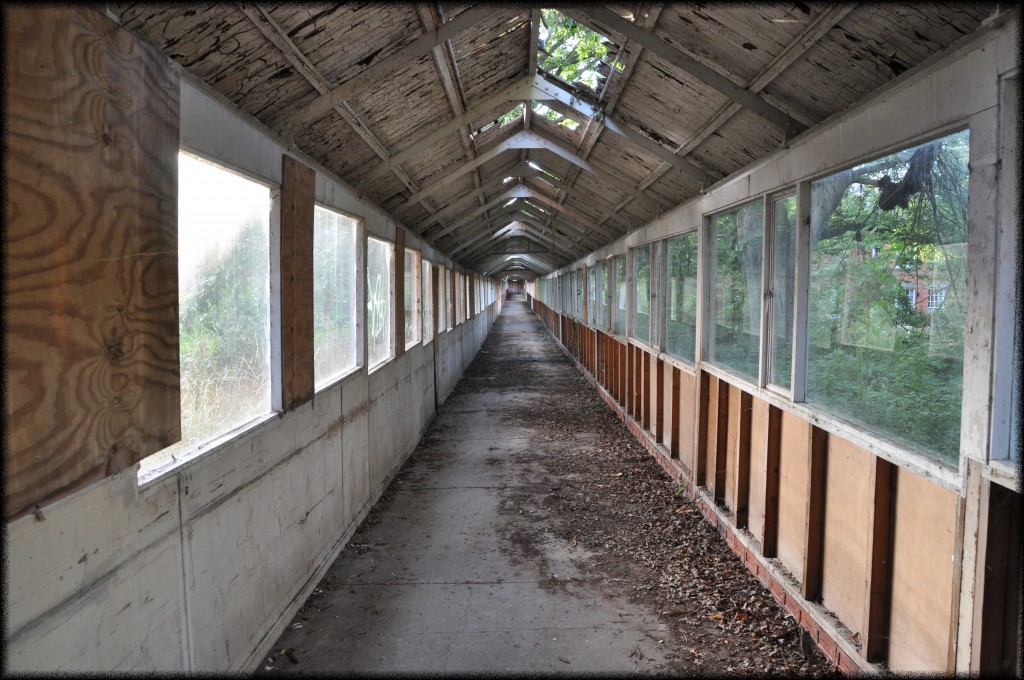
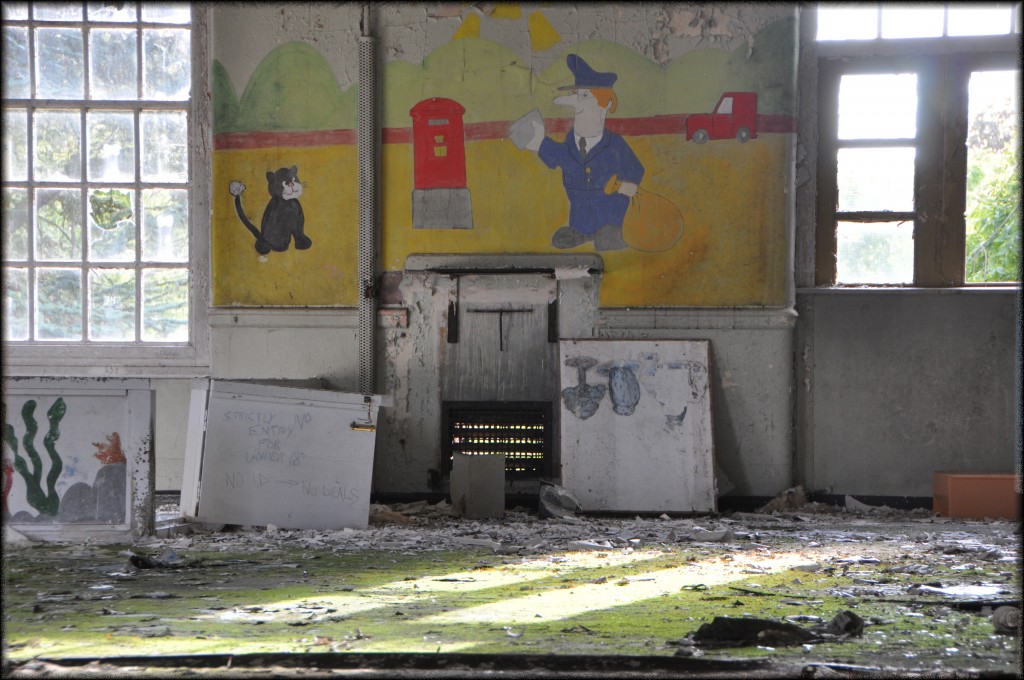
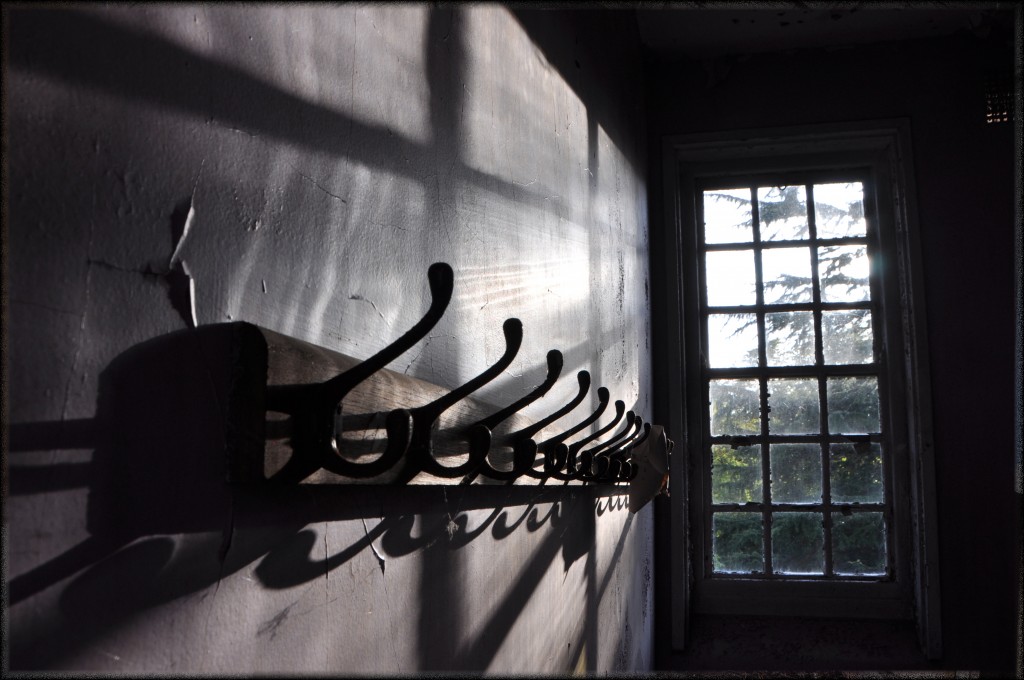
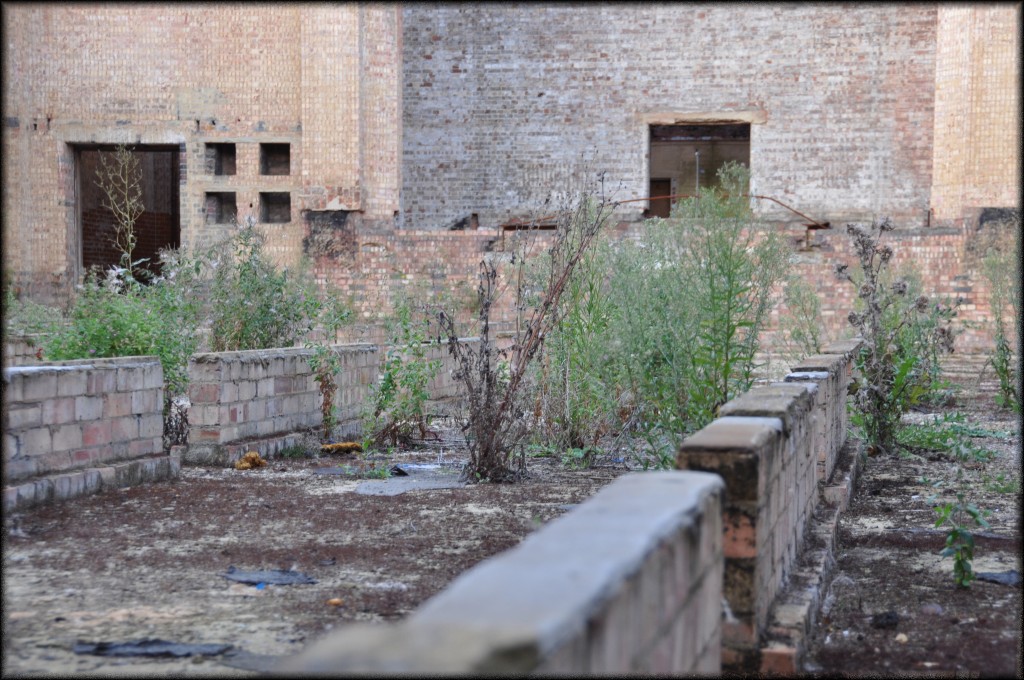
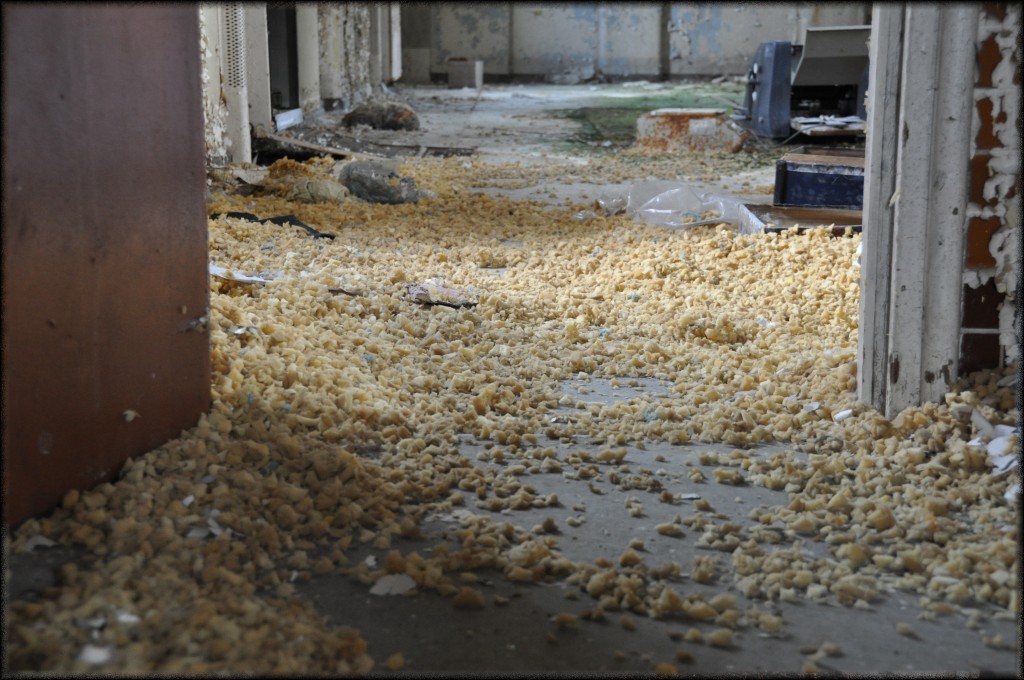
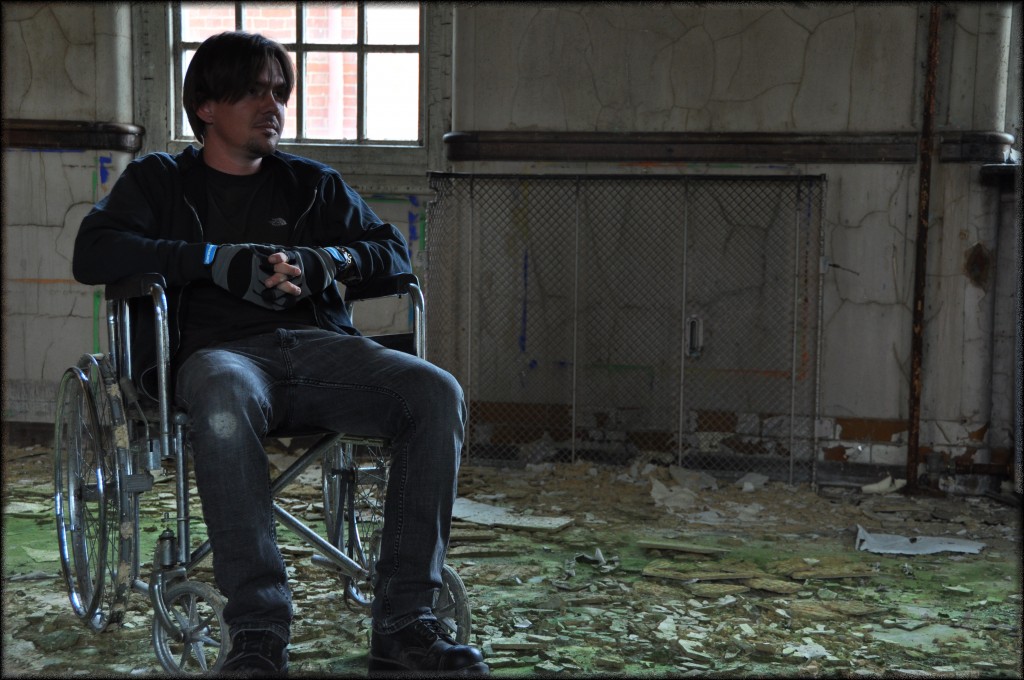
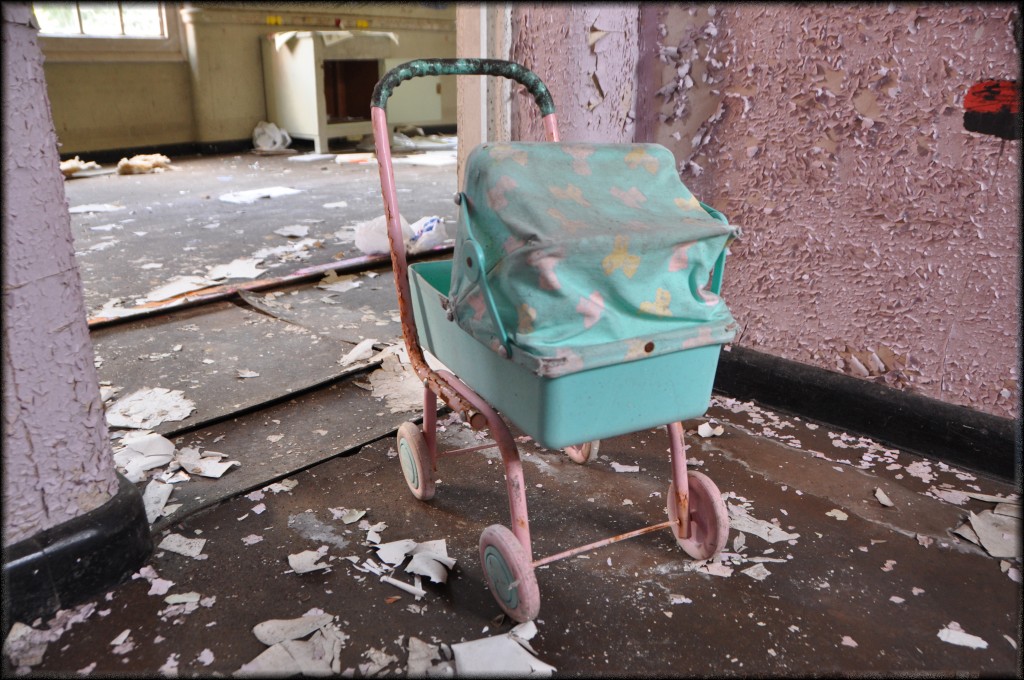
One of the most unique things to explore in and around London for the past 20 years or so has been the county asylums, many of which were shut down in the 1980s during Margaret Thatcher‘s privatization of UK government systems. Asylums like Severals, Cane Hill, Horton, Manor, Long Grove, and West Park have been places that inspired slow strolls, beautiful photography and space for quiet contemplation about local histories that we seem to have collectively forgotten.

Better housing?

In January of last year, I wrote about West Park, about how the legendary security guard lovingly called The Hammer came down on us like a ninja and walked us off the property. He was a good sec and likely the reason why the place was so beautifully preserved.

Then, in July, I wrote about it again, this time making it in after The Hammer had been laid off, probably due to the recession. I predicted at the time that this may be the end of our beloved asylum, with the economy crumbling and every developer grubbing around for areas to “redevelop” in line with the government’s plans to embed a curtain of concrete, metal and glass over the whole of greater London before the Olympic games in 2012.

Where we still play

Shiny

Well, sure enough, I just got word that Jonathan Lees, the Liberal Democrat Parliamentary Candidate for Epsom & Ewell has announced plans to level the site and build “a total of 373 new homes.”

When I posted the news story to my facebook page, I was surprised by two things. First, there was no cry of “let’s stop them!” (as my archaeologists friends might do) and second, the two comments that were posted (by UrbExers) were very reasonable in terms of letting go of the place. The first from Midnight Runner who say this “always happens but who’s going to buy their buildings in this financial climate?” and the second from Statler who said “interesting that they propose to convert the water tower into 4 dwellings, that tower has a HUGE crack down the middle of it and is held together by steel bands!”

Well thought out?

These comments reinforce my earlier postings about the UrbEx communities enjoyment of architectural transition and the lack of a need to hold on to the physicality of a place. But these comments also say something about the depth of our relationships with these places. Who else in this city has such detailed information about dangerous substances, unsafe architectural elements and archaeological points of interest?

Granted,  most of us who explore this place never saw West Park as an active asylum and maybe there are some memories here that people might want to forget. Perhaps this concept sits behind the scenes like a memory architect, quietly guiding the hand of redevelopment. We get nostalgic about the London Asylums but as David Lowenthal writes in The Past in Foreign Country “nostalgia is memory with the pain removed. The pain is today. We shed tears for the landscape we find no longer what is was, what we thought it was, or what we hoped it would be.” But does our discomfort with particular memories warrant an erasure of that past? Certainly a lesson here could be learned from Germany, a country which humbly preserves horrible memories because even memories of difficult times can help us to better understand who were are today, even if it is just about not repeating certain mistakes.

Dangerous?

The question that lingers is an important one – do we need the physical space to remain in order to remember? The UrbEx community seems content to look at thousands of photos taken and say “yeah, I was there when it was something different” yet we know an intimacy of place through experience. It seems to me a very mature response to spatial change, memory without attachment to place. But the archaeologist in me still wants to cry foul.

One comment on Lee’s blog by Dave Baker asks whether “there also been budgetary arrangements and provisioning for a photographic survey prior to demolition”. Dave, just so you know, there is probably no building in the city that has been better documented. The better question in my mind is whether our digital archiving is all that is needed to make sure these places are never forgotten. Where is the room in the agenda for experience of place?

I guess the likelihood of that argument holding weight in a society based on a commodity system is not likely to sway many hearts or minds but in terms of documentation, whenever the council would like to thank us for our wonderful work in preserving memories of these neglected places, including Rookinella’s controversial tour offered to The Independent, I am sure the UrbEx community would be happy to hear it. In the meantime Mr. Lee, just from an economic standpoint, please consider the possibility that the Asylum would make more money as a London County Asylum living museum and heritage park that as a housing development in the middle of a recession. Just a thought.

Thinking space

Documented

Young ones

Left behind

Share
Tags : , , , , , , , , , , | 12 comments

Secret Histories of Infiltration

Posted by Bradley L. Garrett on Thursday Jan 14, 2010 Under Anthropology, Archaeology, Cultural Geography, Uncategorized, Urban Exploration

Sometimes it's an accident

When I began exploring here in London over a year ago, I was never quite sure how secretive I needed to be about what I was getting up to. But in the interest of academic transparency, I decided to be less cautious that I might have otherwise been. I felt an obligation, being here on a generous scholarship, to put my work “out there” to be crossed-checked, criticized and appreciated. It did not go unnoticed; a couple of people challenged my decisions to openly discuss certain exploits.

To tell you the truth, now that I know these places well, I think there was never much harm done in being open about my nocturnal wanderings. But some things change. Not because writing about the places I have been is going to get them locked down, not even because they are super-secret or ultra-sensitive. The real reason is, I think, a philosophical one.

Sometimes it's not

At some point in the last few months, I started doing infiltrations. It wasn’t really intentional; I just lost sight of the line between UrbEx and infiltration.

To be honest, I am not that interested in infiltration. Being an ex-archaeologist, I get really excited about the histories of sites and love seeing them falling apart and decay. Many infiltrations take place on construction sites and I spent a good chunk of my life working in these sorts of places. I therefore don’t find a lot of magic in them – too close to my own history I suppose, though I often make the argument that they are too close to the mundane existences of those who work there, hence my indifference.

So why are we interested in these places? They might be considered the polar opposite of the derelict building, going up instead of down, though they are both in a transitional state. They are also both, in a sense, “hidden”, off the grid and not to be seen. But I think our fascination with these places lies, as with most things, in the experiential fascination and secret personal histories to be found there.

So okay, yeah I am coming out of the closet and admitting that I have done some infiltrations that I have not shared, neither here nor on facebook. I can’t share them, either because I was recorded there on CCTV at some point during the explore, or somebody I know might have a connection to these places, or… I don’t know… that’s somebody’s job site. It would be like publishing pictures of your desk after hours when you weren’t there and I sat in your chair and went through your drawers. It’s just a little too personal. Maybe this is why we like it, because in these places we touch living histories, not dead or forgotten ones.

I wonder how many other explorers have secret histories of infiltration, how many sketchy night wanders were not photographed, caught in the memory of someone a little too nervous to ever talk about it? How much of urban exploration consists of secret histories of infiltration?

Either way, I'm still in love

Share
Tags : , , , , , , , , | 3 comments

4 explorers, 5 Countries, 2000 miles, 16 abandoned sites, 5000 photographs, 3 hours of video footage, a pocket full of loose change to live on and a car full of $7000 worth of camera gear. It’s these last two bits that I find so amusing, these are the pieces of the puzzle that turn this from a hobo trip to a pro hobo trip I suppose. That and the radical mobility of our opt-in faux homelessness.

After our last trip to Europe, I wrote about urban camping. I felt like that long weekend away was a sort of like a wilderness retreat, a little escape from work and obligations to see something unstraited. Some people choose go to a pine forest for these retreats, we go to abandoned châteaus in Belgium. Seems fair enough.

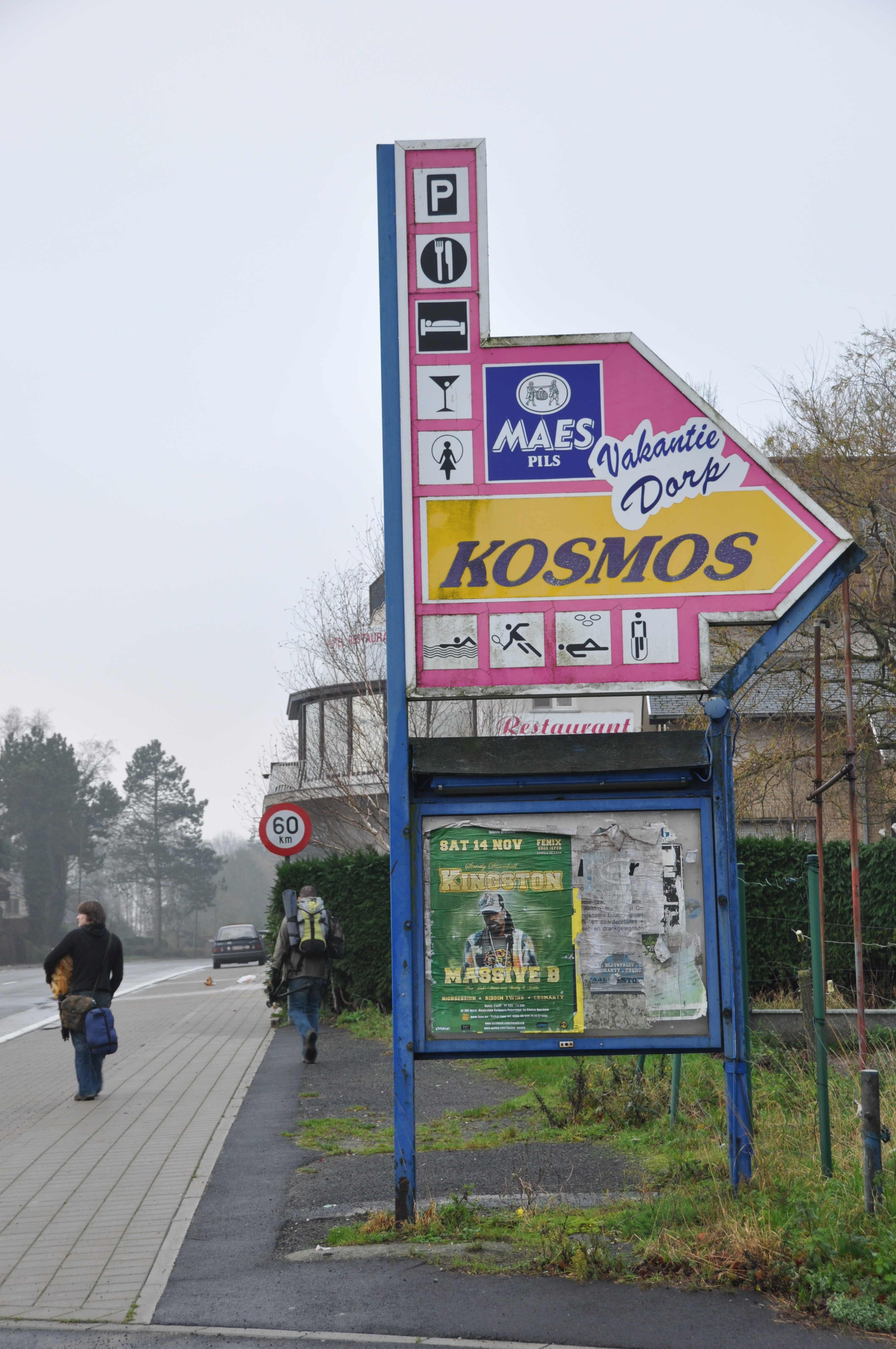
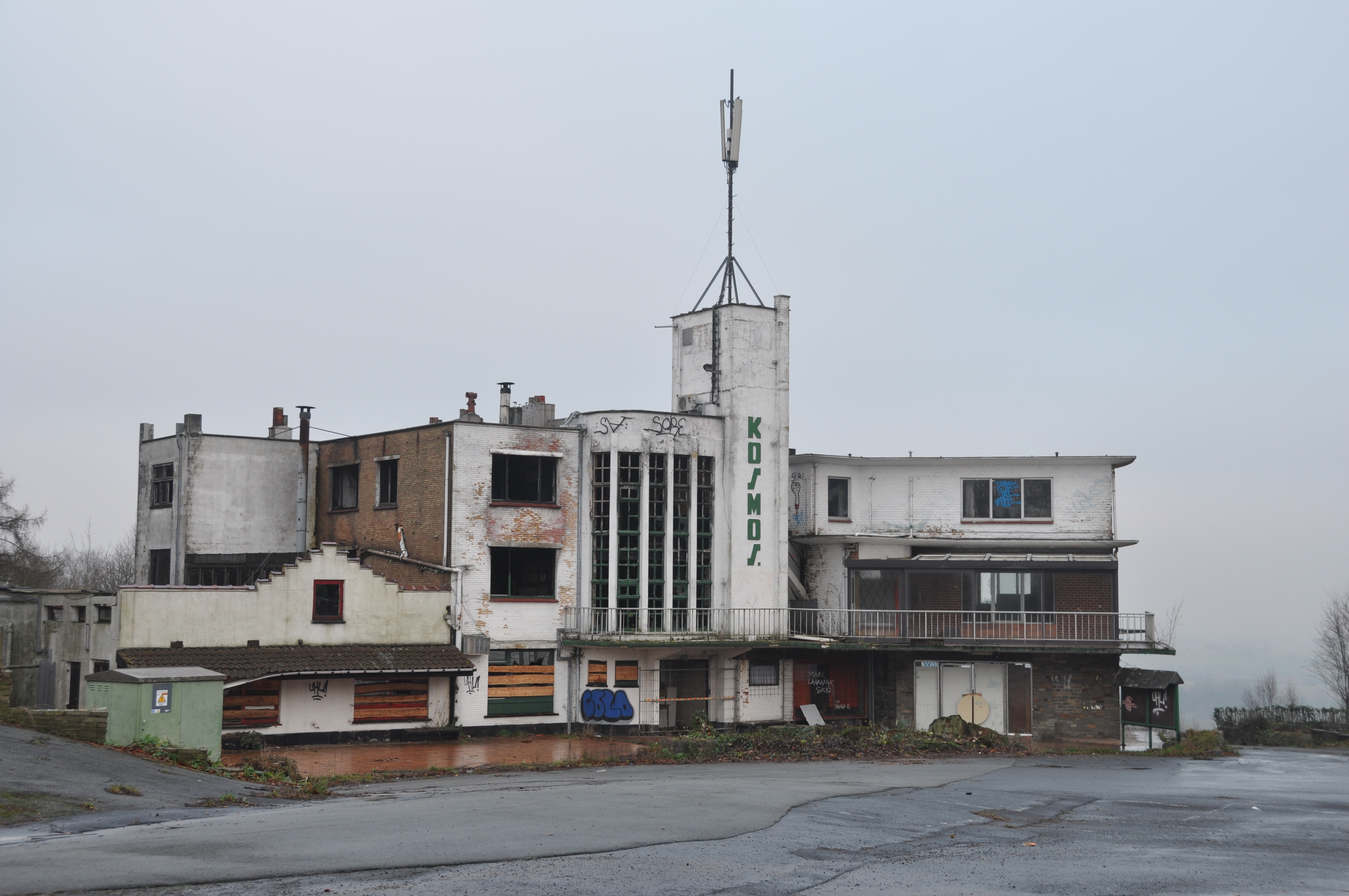
But this trip was different right from the beginning. Part of it was due to the length of our expedition, part of it due to the dynamics of the crew. We had a crew of 4 – myself, Statler, Winch and Silent Motion, all up for it in a big way. We were long inspired by the perpetual homeless adventures of Dsankt at Sleepy City which seemed to pry open a new level of UrbEx or, at the least, open up new possibilities for adventurous play. So we struck out on a Sunday night from Reading, UK, across the channel on the P&O car ferry, through the sadness of Calais, France, just across the border into Belgium to Kosmos, a hotel with a weird Russian art-deco theme that had closed in 1996 where we planned to stay the night.

Transgressive Mobilities

What a shithole

Tourism?

Getting into it

Rated 1 Star on Travelocity

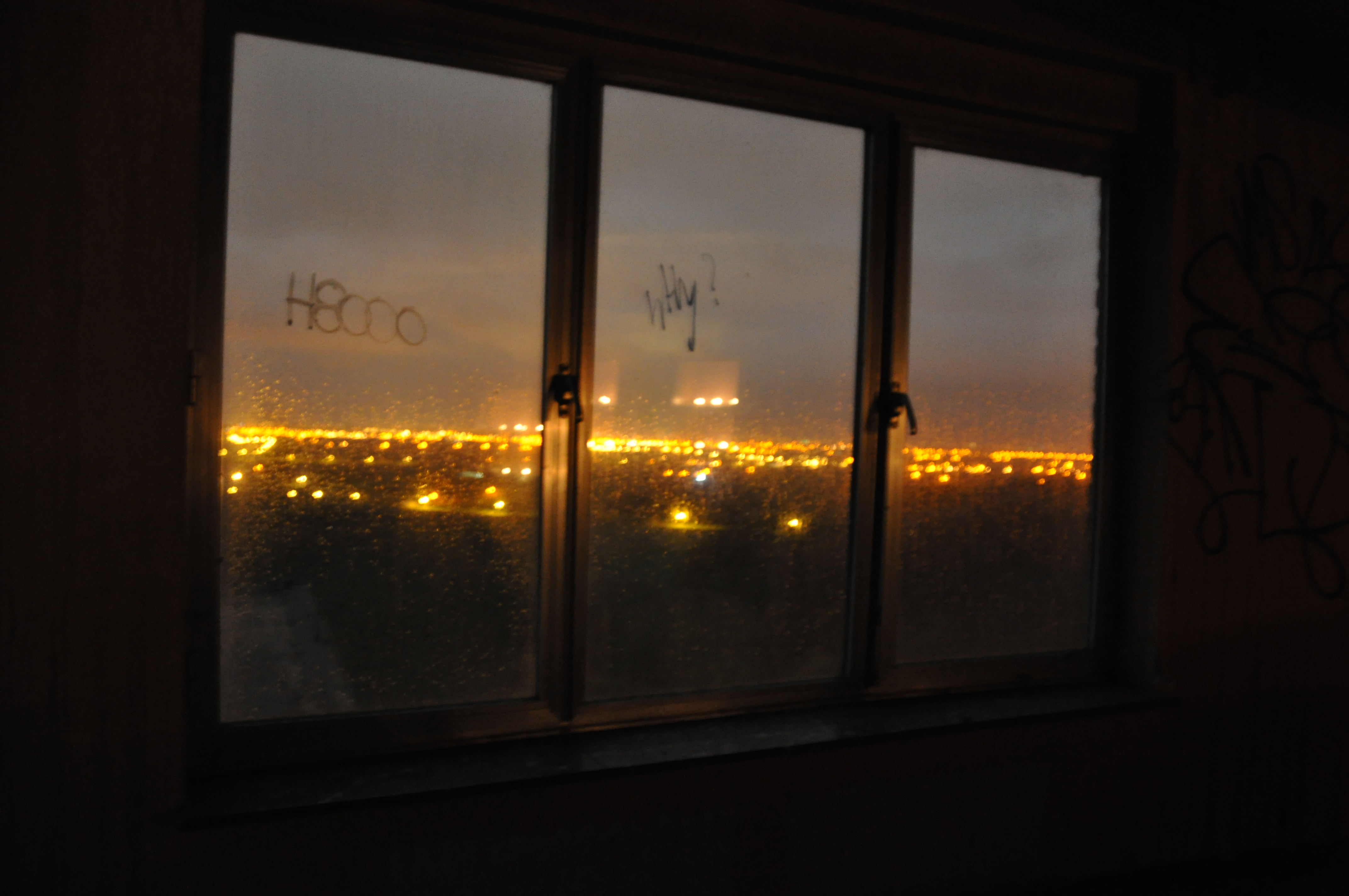
Strangely enough, given what a pile of crap this place was, it was really hard to get into. Finally, after making our way in, ferrying in bags of clothes, food, whiskey and 8 bottles of Chimay looted from a road side stop, we settled in for the night, with a gorgeous view of a random Belgian valley spread out before us, full P&O shot glasses of cheap drink and a horrible rattling noise from the winds assaulting some loose flap on the roof above us.

Not broken yet

Penthouse

Winch

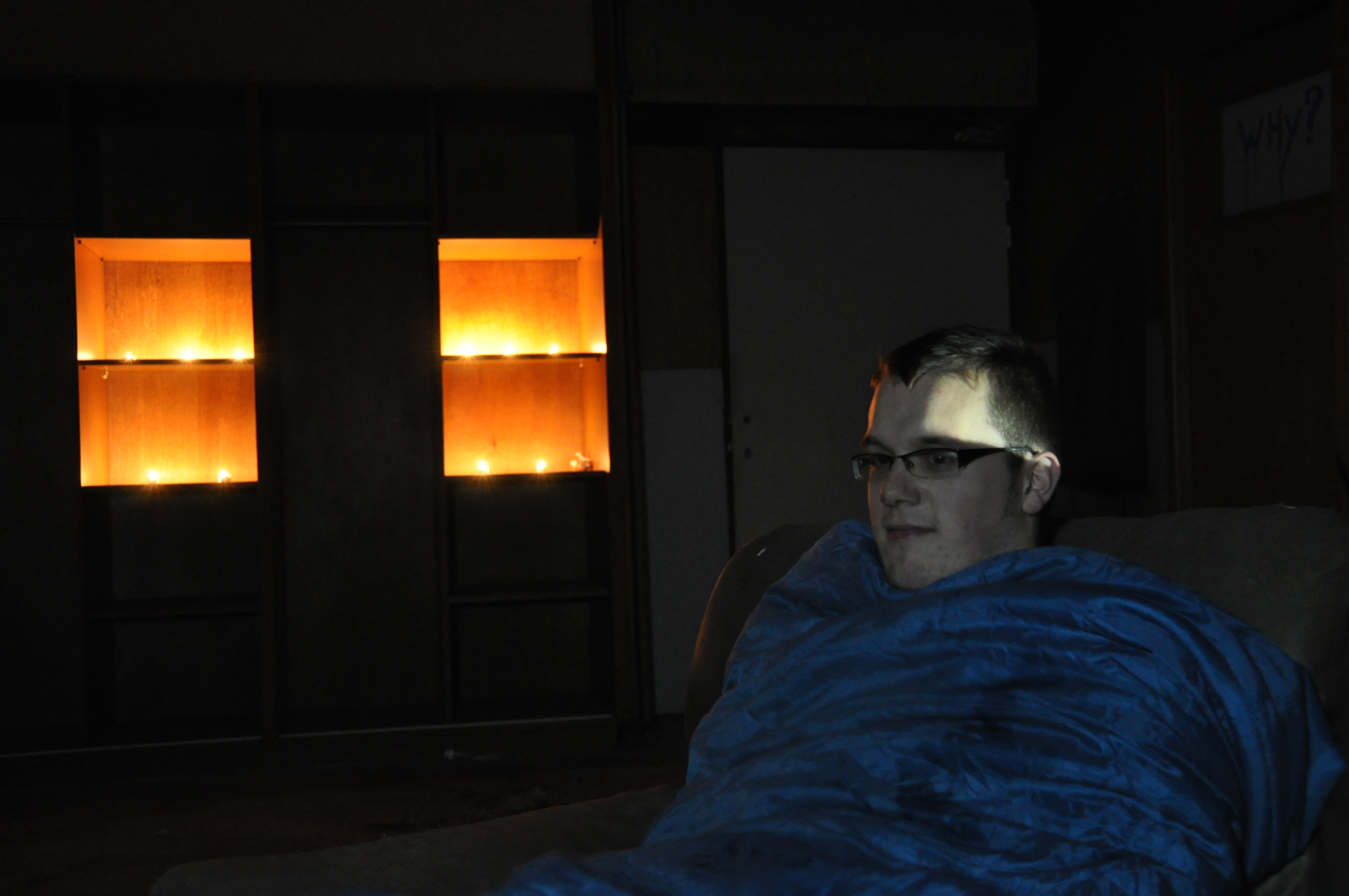
Winch taking in the epicness of first night

Unstrap

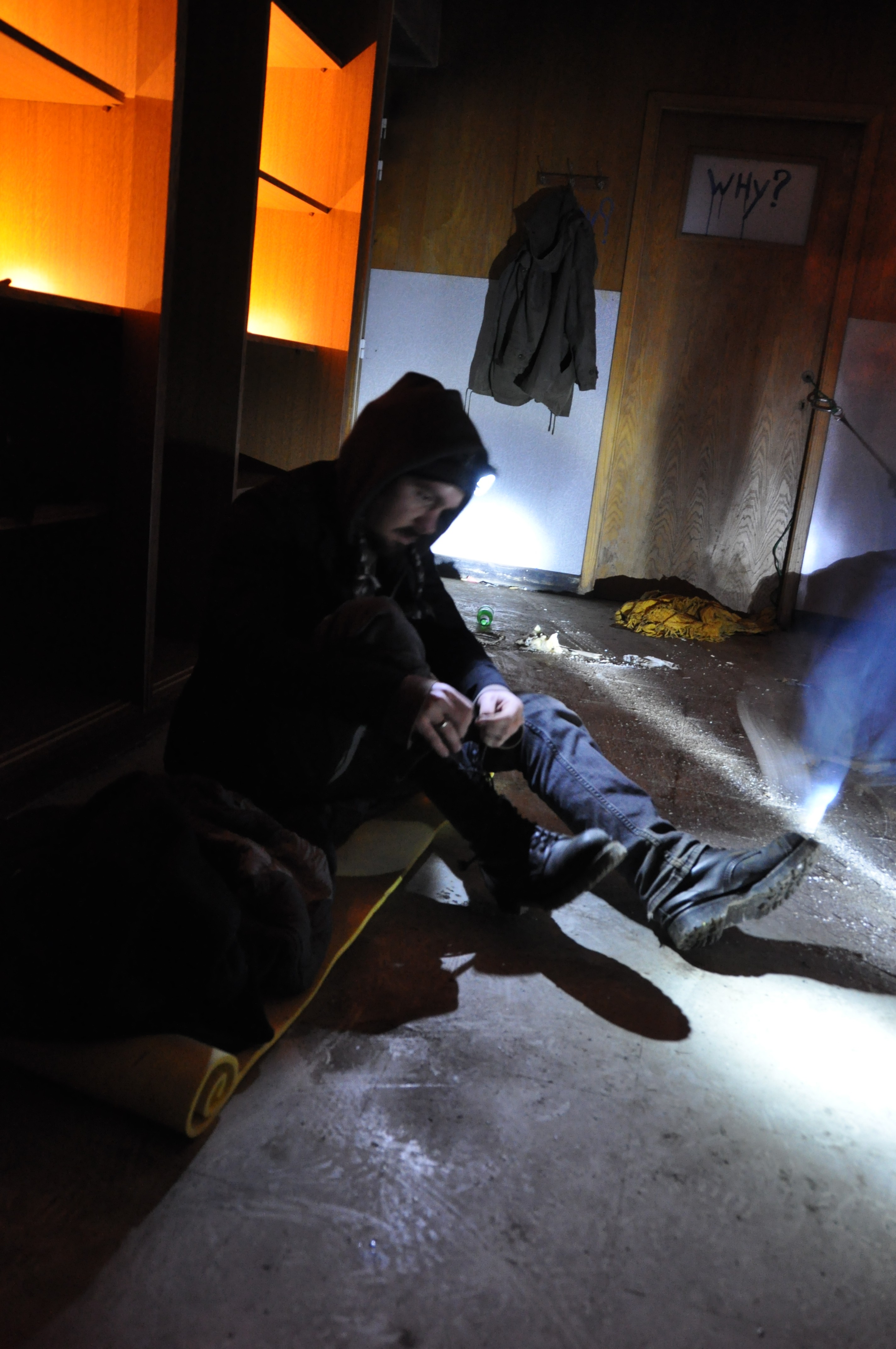
The Goblinmerchant get naked

We ended up finally dragging tables and chairs from other rooms to board up the windows which were allowing massive gust of wind and rain into our sleeping quarters. Essentially, we started doing home repairs. That night, falling asleep to Aphex Twin’s Selected Ambient Works Volume II playing softly on my phone, I had dreams about the property owner showing up weeks later to find that somebody had actually repaired their building, boarded up windows, brought in and cleaned up couches, filled the bookshelves with tea lights. I imagined them being, at first, dismayed and confused and then… amused, a small smile cracking their stoically disappointed Belgian head.

The thing I started thinking was that our move from UrbEx into pro hoboness was actually a move that benefited property owners because, as Silent Motion put it, “our sleeping in the space builds a more intimate connection with it, we become a part of the fabric.” So going pro hobo, in my mind, even the documentation aspect that you are scrolling through right now, is about place hacking, about finding intimacy in a world full of sterile engagement.

This idea was made even more funny when the property owners showed up at 8am the next morning and started putting up more fencing on the site. Between us and them, the place was going to be completely remodelled soon. We waiting 30 minutes or so for them to leave and made our hasty escape.

Although I am tempted to write about all 16 sites we went to, I can’t. The reason for this is, quite simply, that I cannot relay the epic nature of the experience to you in a blog posting, try as I might. With every day that passed, the crew got more raw, more volatile, more energetic, in a weird, confused sort of way. It was a delirious panic that I think would have even made Dionysus proud. I was drunk for most of it, partly because I do better fieldwork after a few beers and partly because the experience was so raw that it had to be shielded, it was like trying to stare into the sun. Now I know why so many homeless people drink.

Staring at the sun

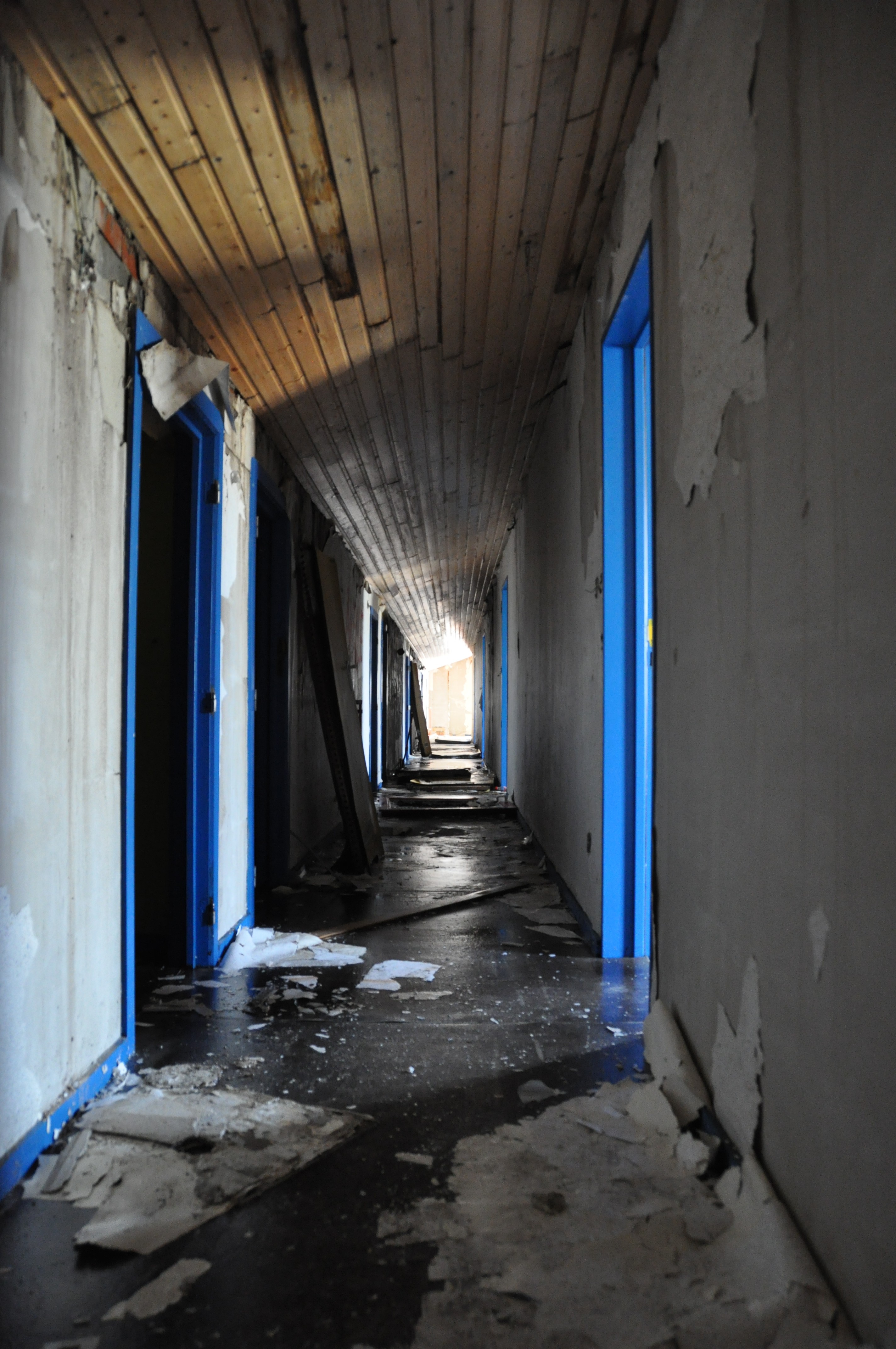
Hallway

The raw light of experience

Boundaries that existed in our little UK bubble began to break down. We did not speak the language, we did not meet a single person outside of the grocery stores and petrol stations we ravaged, washing our hair in their bathroom sinks and leaving piles of trash in their parking spaces, running under the turnstiles at the restrooms that demanded 50 cents. All that existed, all that mattered was the adventure and the bond between us which grew tighter with every sip of Jupiler in the back seat of Statler’s car, with every step walked over squishy mold/carpet. We could not think about what was happening because as Dostoevsky points out “one must love life before loving it’s meaning.” And this love was on fire. We began infiltrating live sites, barbecuing dinner in wheelbarrows, lighting dozens of candles in random rooms of Nazi extermination camps and free climbing timber into bell towers in crumbling buildings to photograph the holes in the roof veiled in cloudy continental morning mist.

The film here were shit

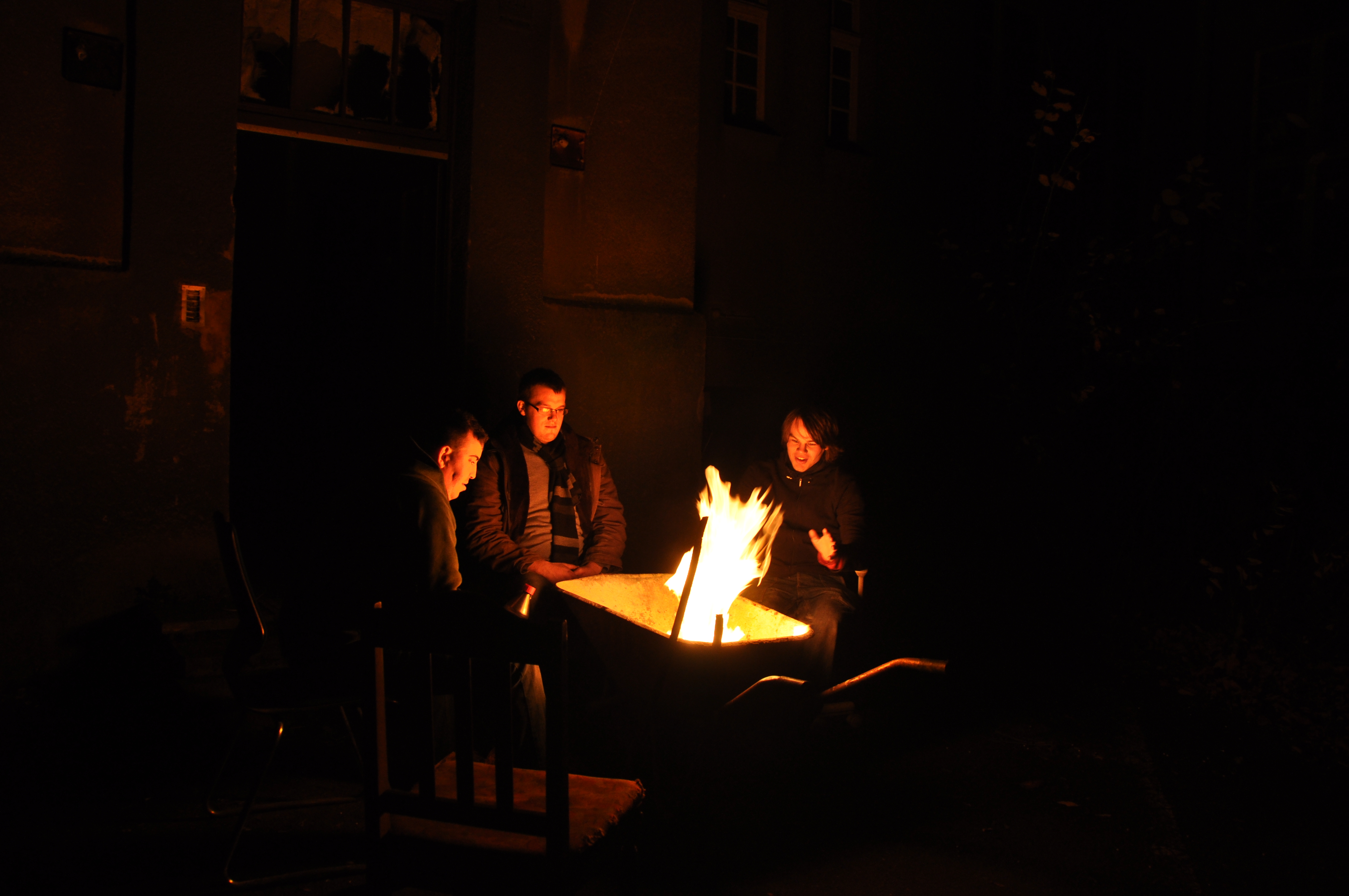
Dinner sorted

Dinner cooked over pieces of the gas chamber

Europro

Do they know we're in here?

Winch was the primary conspirator of this little frozen-toed expedition. Always up for a challenge and a laugh, he had booked this absurd holiday in December, I think, to break our will. After all, only the broken can be admitted into the ranks of legend. After taking in a few leisure sites over the first few days, he hits us with the news – we are going after heavy industry. Now, given that I am about to give a paper on reanimating industrial spaces through urban exploration at the 2009 Theoretical Archaeology Group conference in Durham at the end of the month, I thought this is a grand idea. Until it actually started going down.

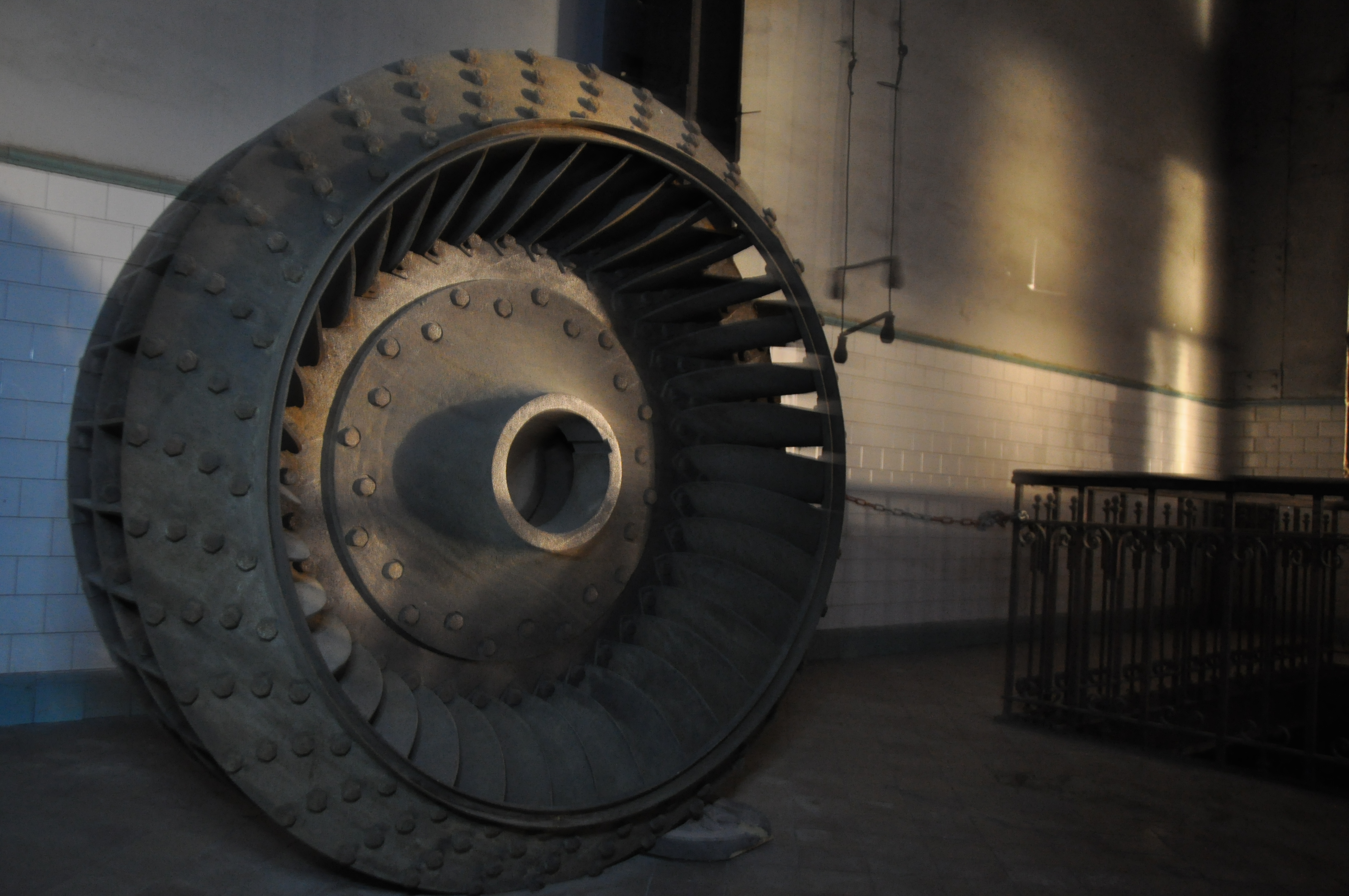
We walked up to Transfo, a power station in Belgium, to find it swarming with people. We waited until dusk. When we thought everybody had gone home, Silent Motion ninja’d his way in to the secure building past the motion sensing lights and infrared alarm system. We got in and snapped some pics for about 10 minutes before some worker ran up and started rattling the doors to the heavy equipment room. Whoops. Turns out they were not all gone, but Silent Motion clearly could give a shit and starting climbing the infrastructure of the building to get a landscape shot.

Roll me

Raw Metal

Pushing it

Ghosts of industry

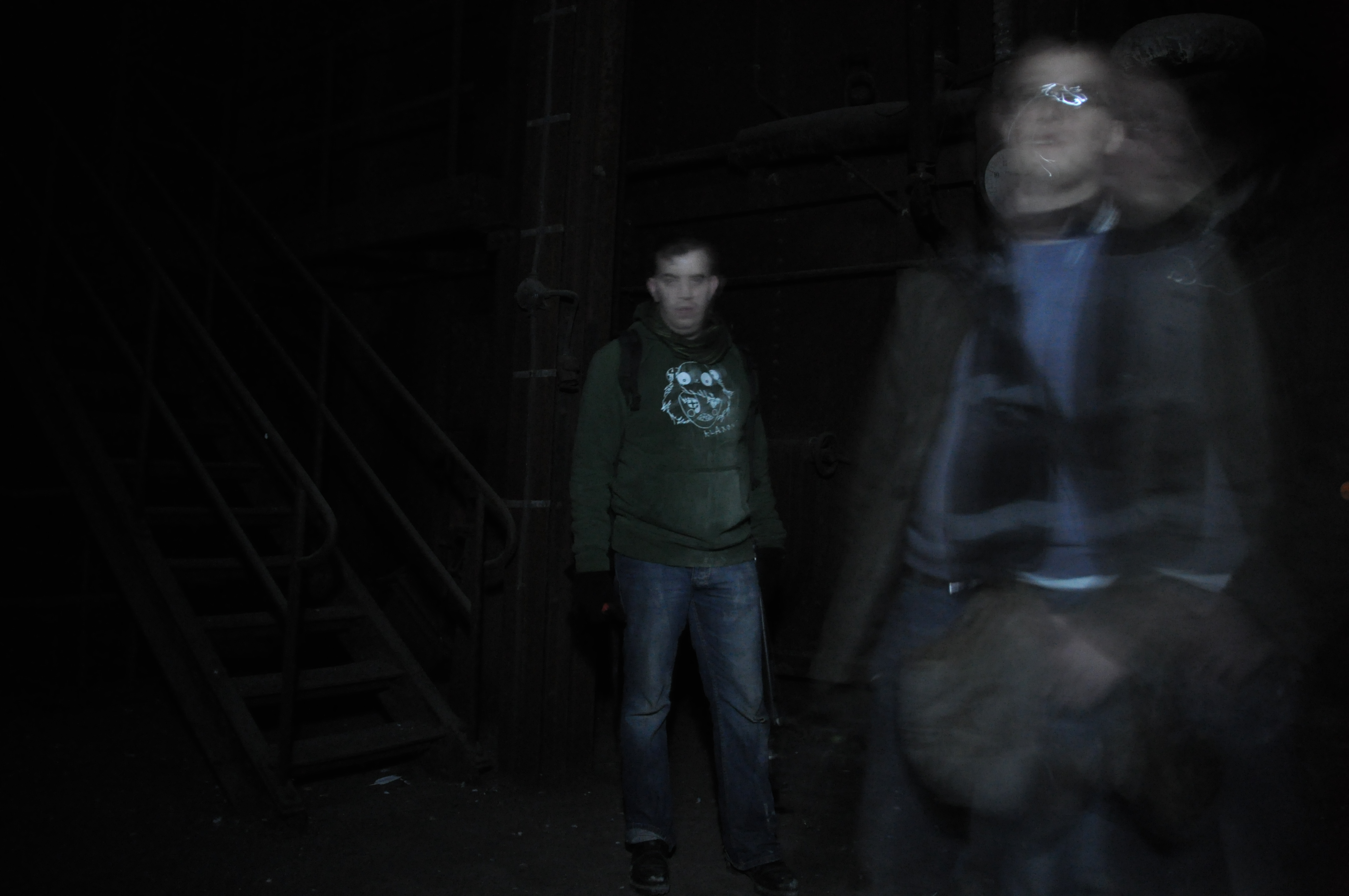
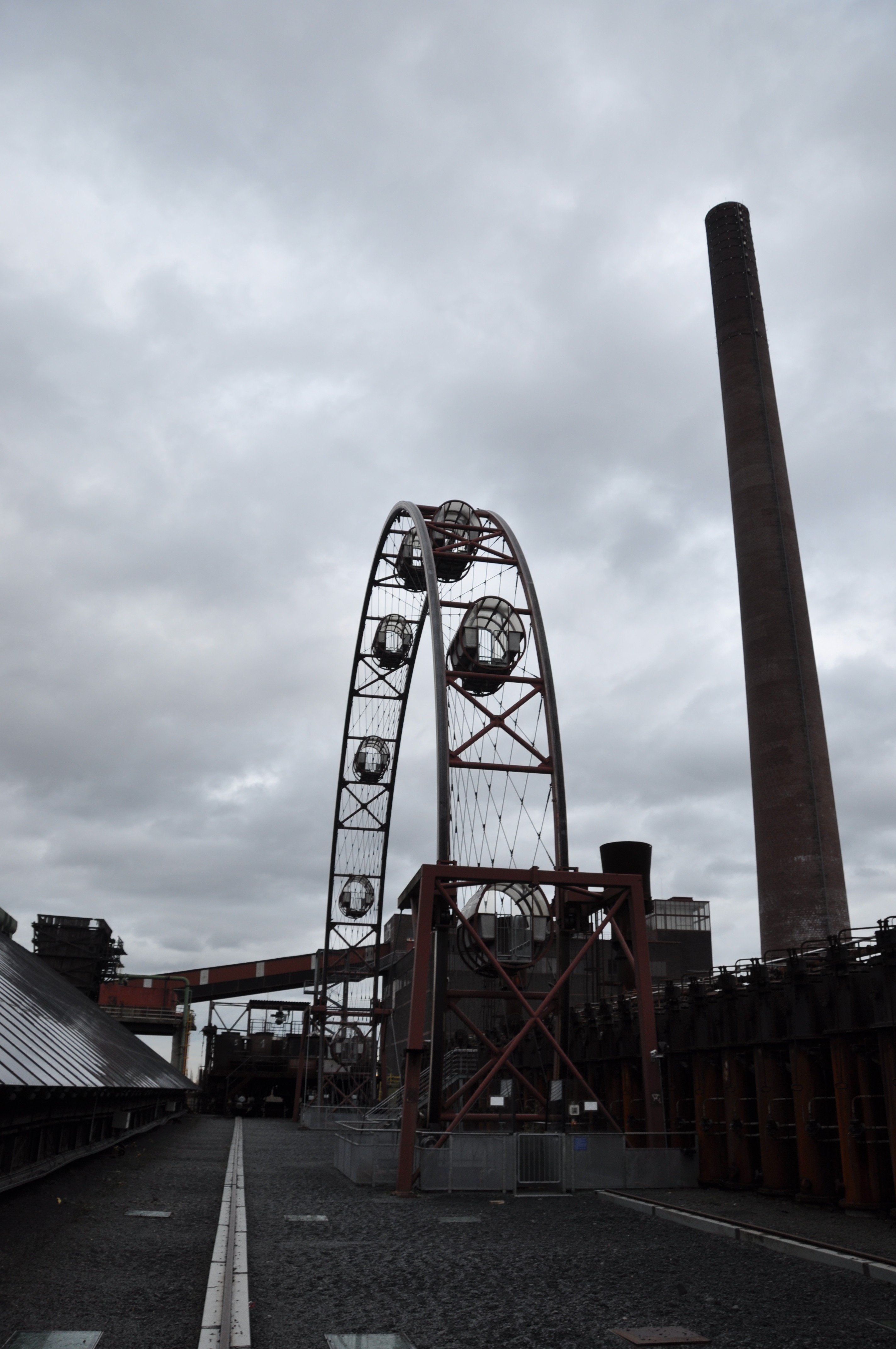
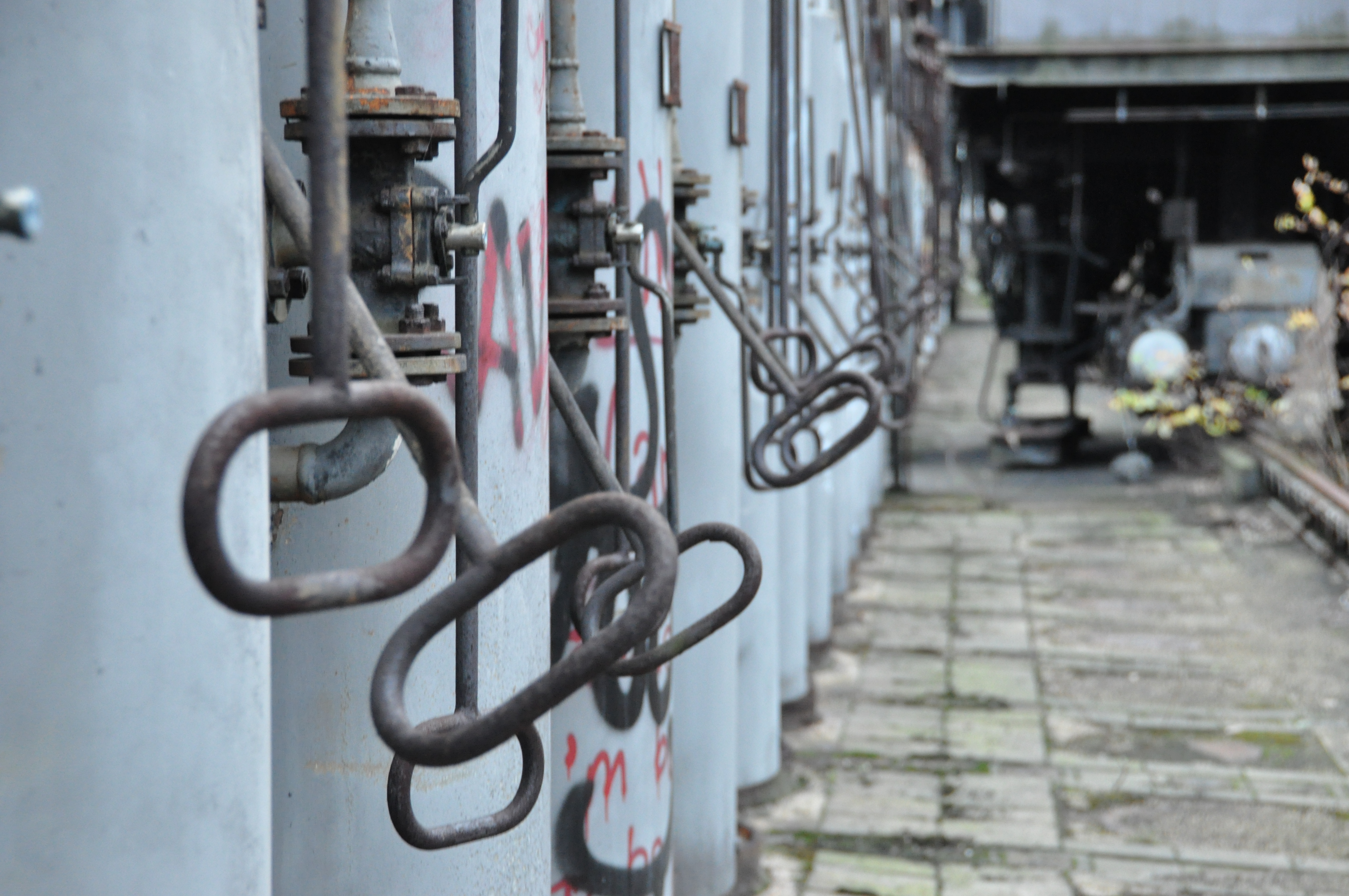
On our way to Germany, we stopped to infiltrate Kokerei Zollverein, again swarming with people including professional photographers and men in suits. I swore that this infiltration would end badly. The only bad outcome, in reality, was my nausea from being meters away from workers as we snook past them and hid in the shadows. All my photos from there are shaky save two:

Up top

Processing

Pause

Pulled

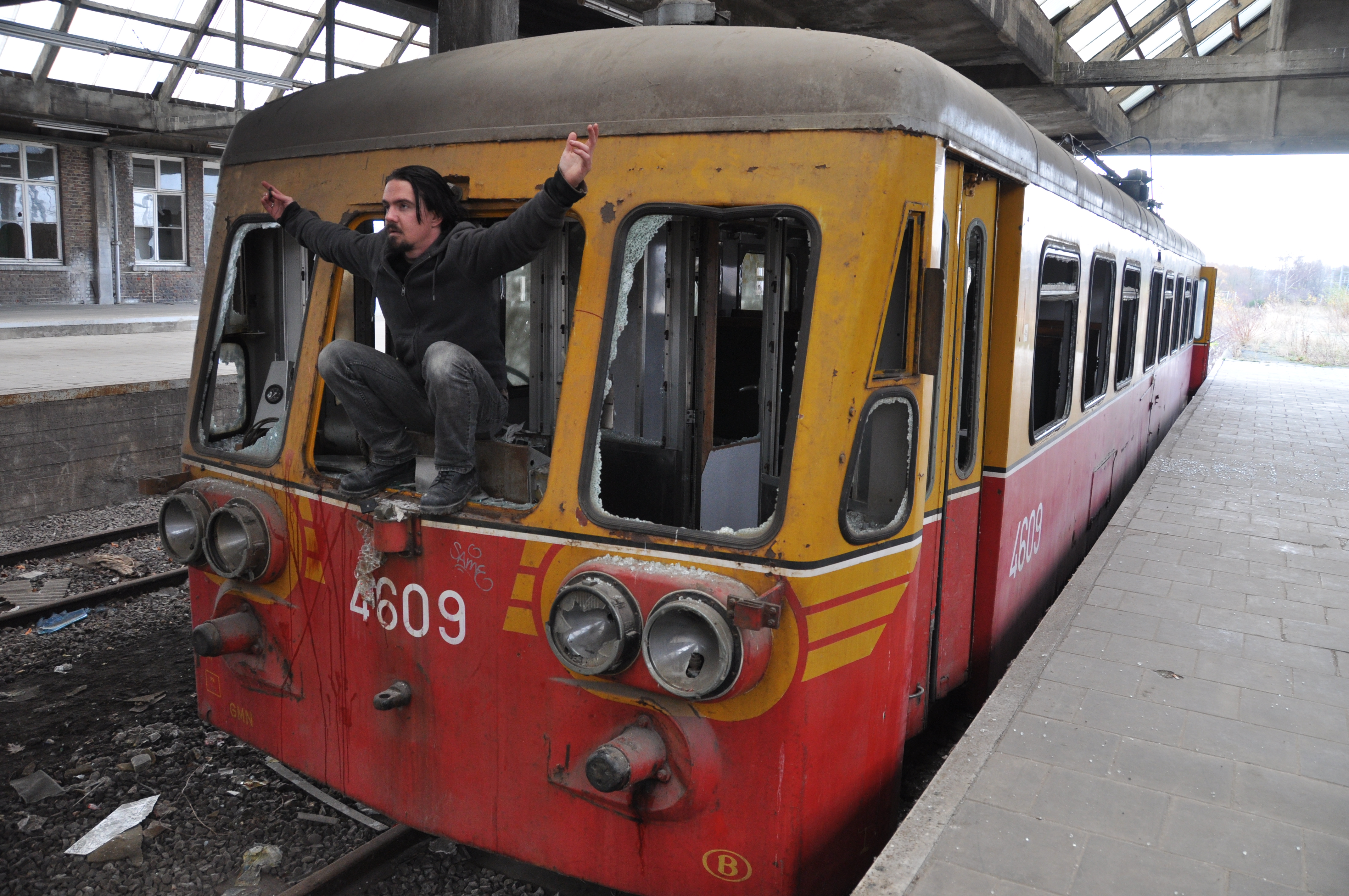
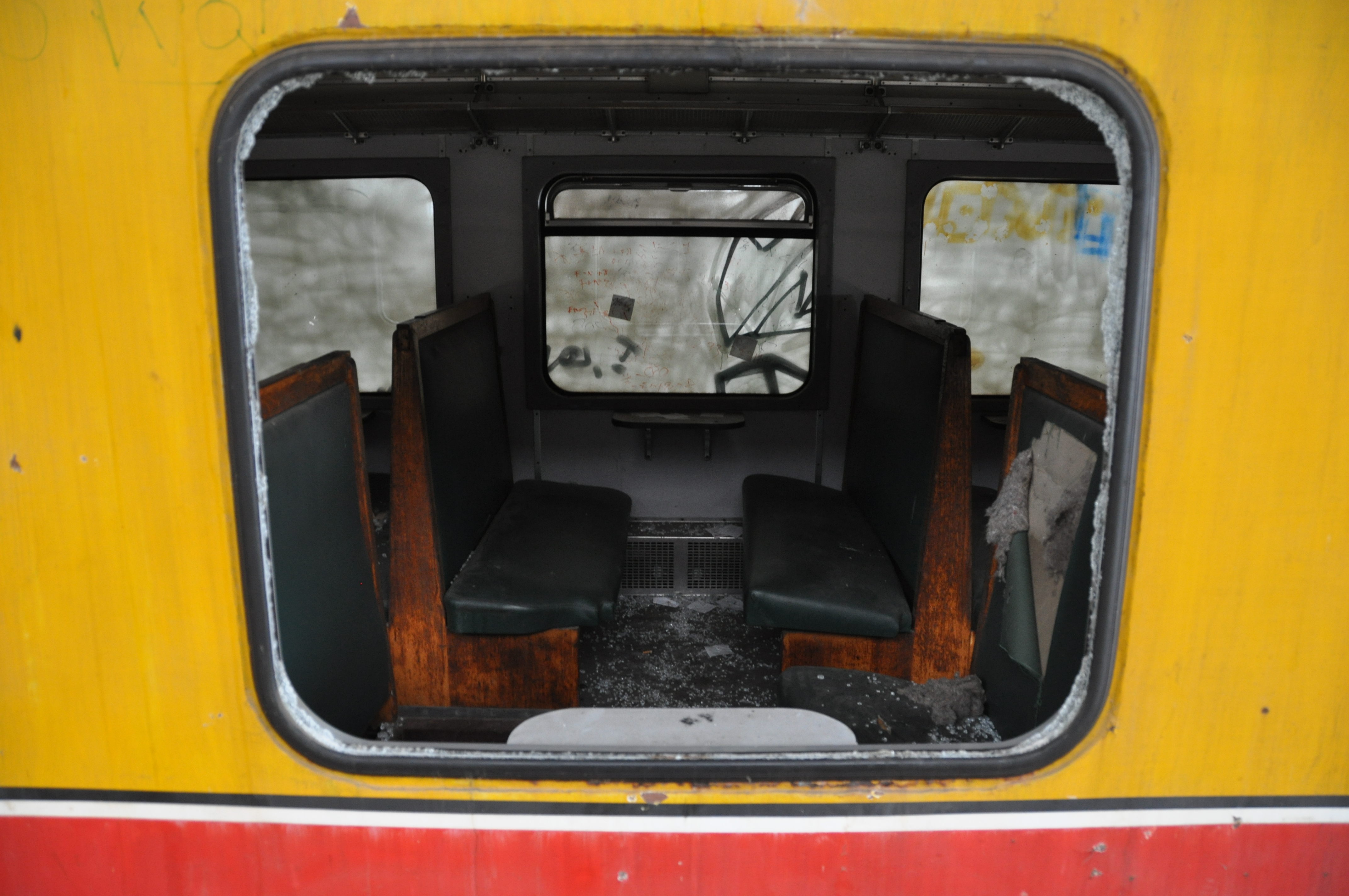
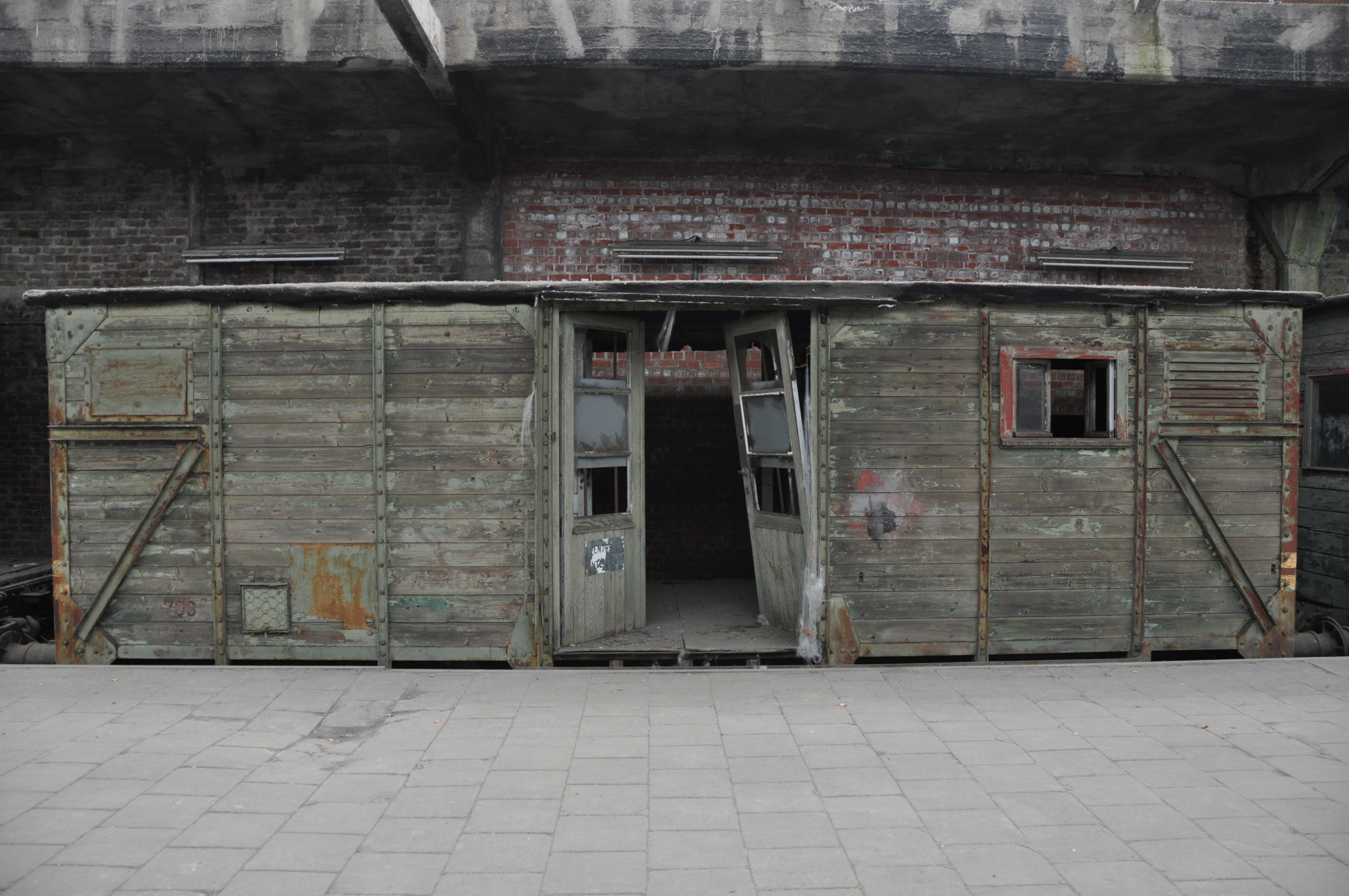
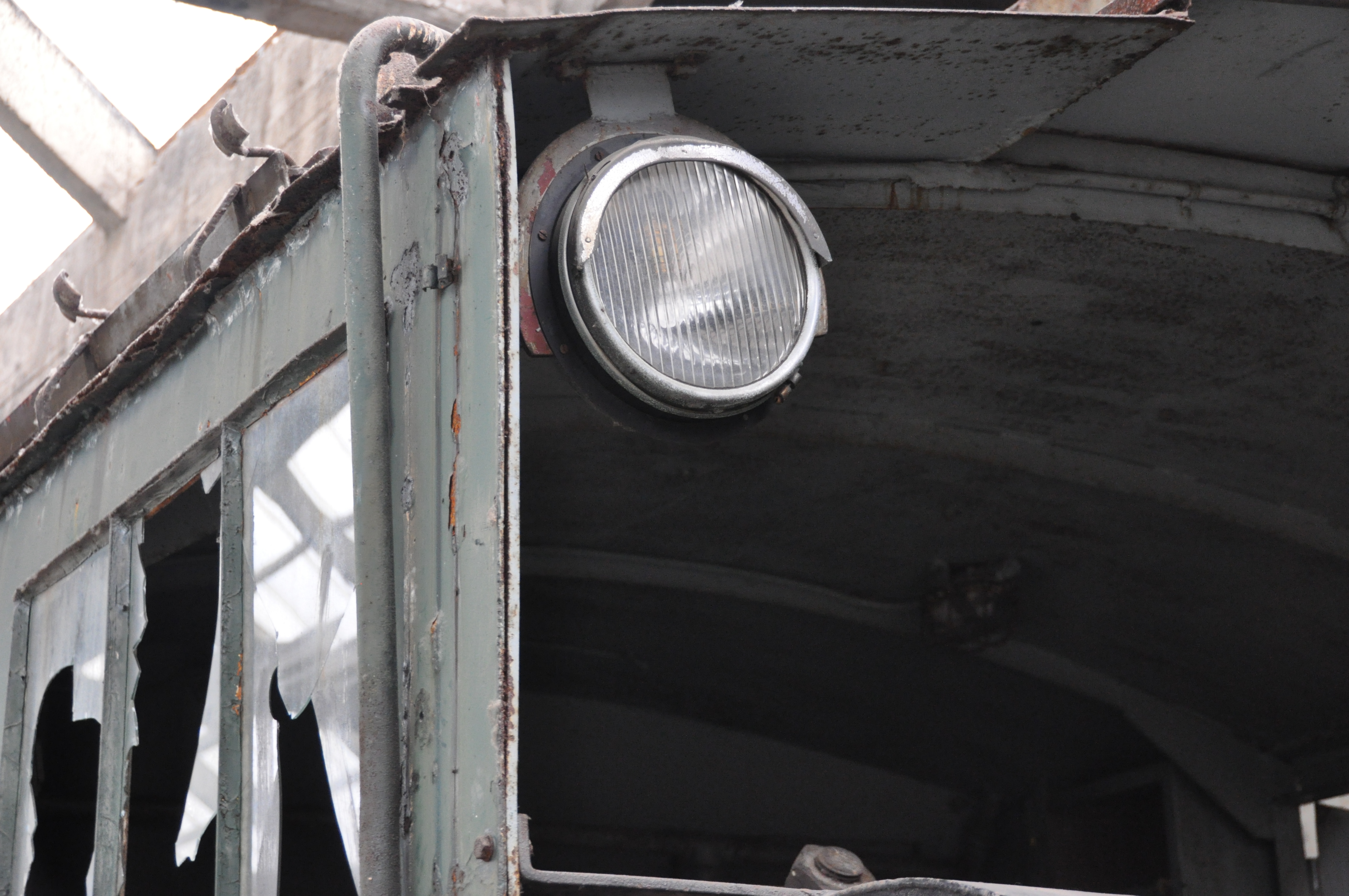
After my moment of existential crisis, we made our way to an abandoned train yard Munster Gare, a glorious moment for me for some odd reason. Something about the intersections of transportation (mobility), dereliction (history, aesthetics) and remote location (opportunity for playfulness) made this my favorite site of the trip.

Titanic

I'm the captain of this ship!

moving?

The passengers

Woody

No more goods

Broken

Unnecessary

After that locomotive jizfest, we drove into Germany. I had not been since I was 19 years old when I pursued the country on a underage American-in-Europe beer run, and was dismayed to find that it was actually a really beautiful place. Mostly because the further East you go, the more derelict structures begin to dominate to landscape. I always thought of dereliction being about the failures of capitalism, but nowhere was abandonment more apparent that in East Germany, markers to the collapse of communism and the retreat of the Soviet Union. The group entered a fervor as we drove through the country side, everything began to look derelict. At one point I remember Silent Motion saying, “Hey there’s a building over there!” and Winch responding “Nice, does it has trees growing out of it?”

We had resigned ourselves to a week of squatting. It was safe to say, at this point, that we had all left our lives behind. I didn’t care about my research anymore, I just wanted to keep getting high on adrenaline. No one ever talked about their jobs, their families. We talked about girls, 4chan, about what country had the best beer (hint: it’s Belgium), about football. Even our Blackberries and iPhones served only to get us aerial photos and to update our facebook status so everyone knew how much more fun we were having than them being homeless, elite and stacked with fat kit. As we crept into East Germany, we were all broken.

I don’t mean that in a bad way. What had been broken was our expectations, our existential dilemmas, our need for unnecessary daily crisis. These things were overwhelmed by the experience of the present, by what was just around the horizon. I felt, for the first time on this project, like I had actually broken the research barrier. I was not studying UrbEx anymore, I was UrbEx. I sat in the back of the car, delirious and drunk, and saw Winch staring at his fingernails. He says “When you look at my fingernails what do you see?” I told him “Maybe the blood and sweat of old inhabitants.” He considered it and replied “I don’t want to clean them…” This was our arrival, the point at which we had committed to dreaming instead of sleeping. And with that, we moved into Berlin, into post-Soviet Territory. But that, my friends, is a story for another day.

Lucid

Never done
Share
Tags : , , , , , , , , , , , , , , , , , , , , , , , , , , , , , , | 4 comments