Man is free at the instant he wants to be.
-Voltaire
Clear light of bliss

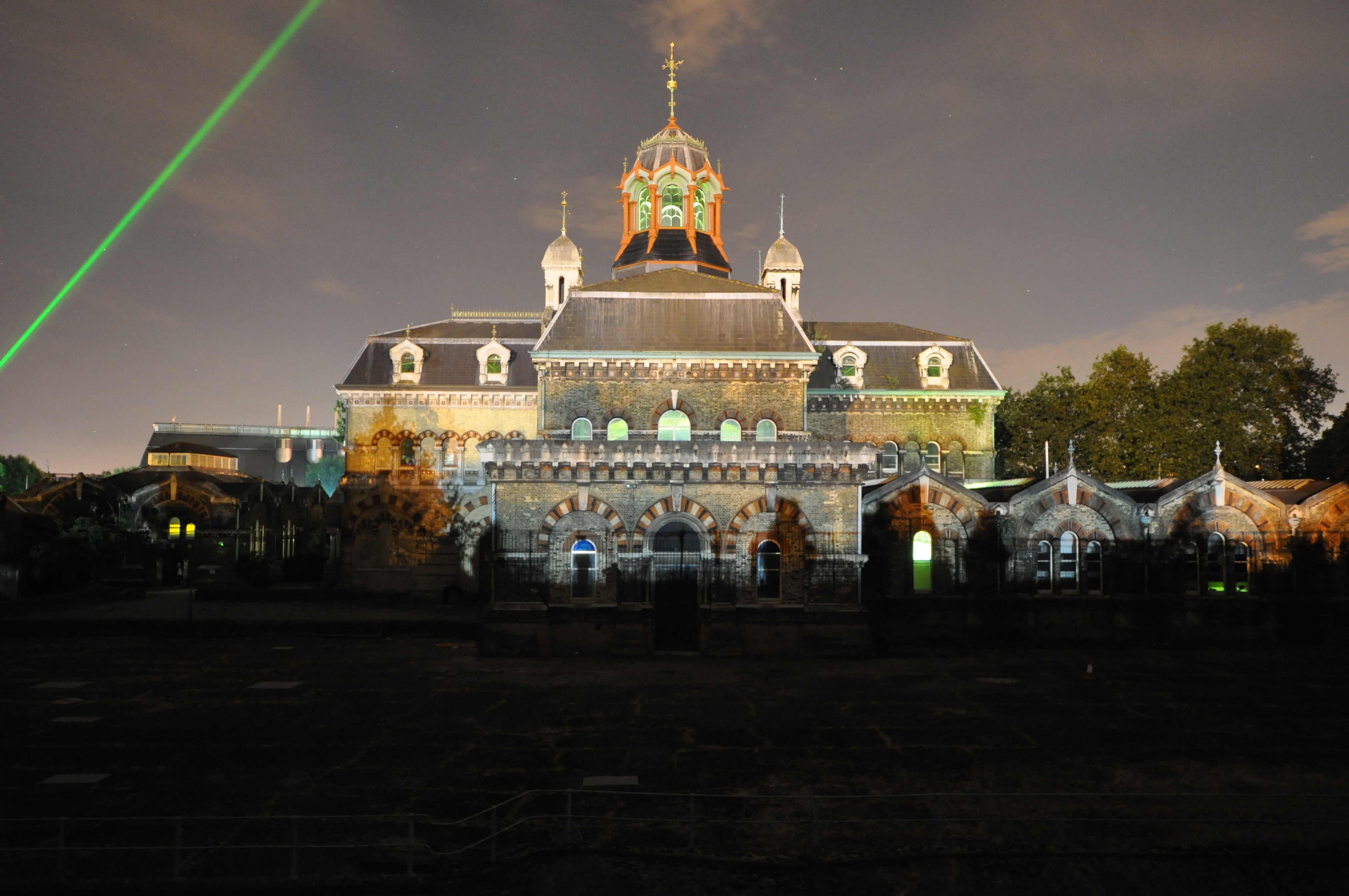
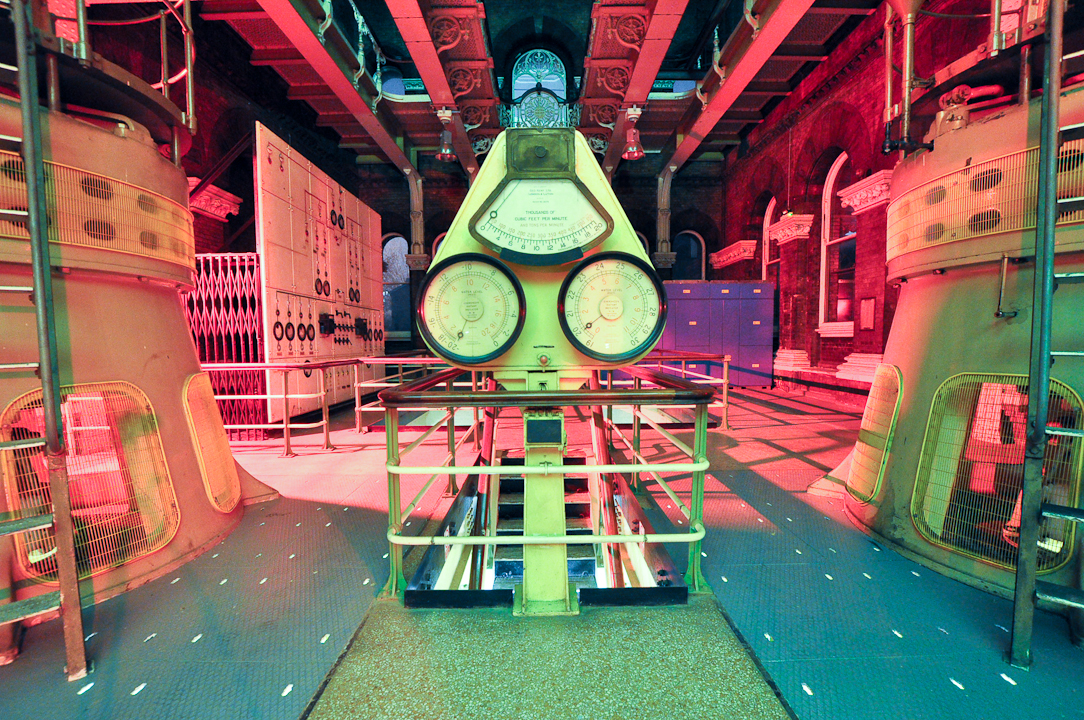
Silent Motion rolled up on the East London Greenway at about midnight. Sarah and Maria were with him and he was headed with a determined stride to an old flame. Architecturally speaking of course. The Abbey Mills Pumping Station, recently written about by our friend Paul Dobraszczyk on rag-picking history is indeed a Cathedral of Sewage.

The first empty Redstripe can spiked onto the security fence followed by another empty precariously placed on a ledge waiting for the next little gust of wind to send it spiralling into the River Lea clearly indicated that the Goblinmerchant and Brosa were already inside. But when Silent Motion and the girls rolled up, they found the dejected pair with the rogue Sophie dancing around a fifth of Famous Grouse playing tag with the demons of the night. The window was jammed.

Two hours of death-defying acrobatics followed. We all knew with Silent Motion there we weren’t walking away. The popping sound of the fire exit opening 40 minutes later was consequently rather satisfying, given how miserably cold we all were lying huddled around our empty Grouse bottle drawing straws to see who would be eaten first while we waited for the early-morning train from the Far East back to more respectable South London Boroughs.

Post-apocalyptic imaginaries were abandoned as we walked through the door.
In the presence
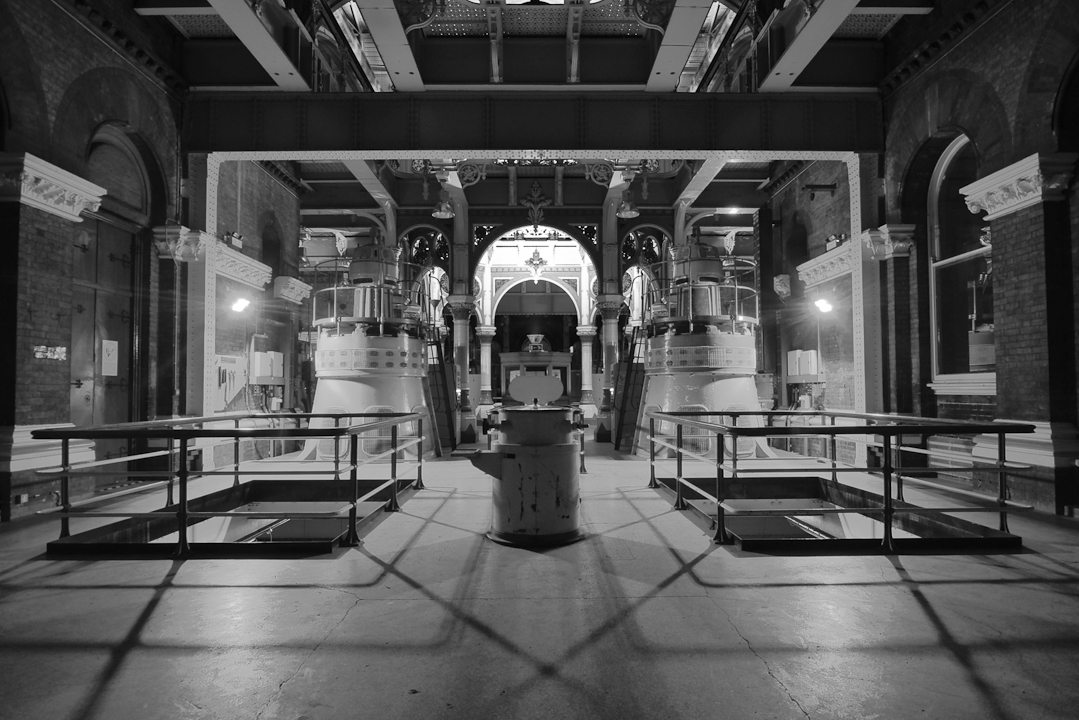
Of Bazalgette

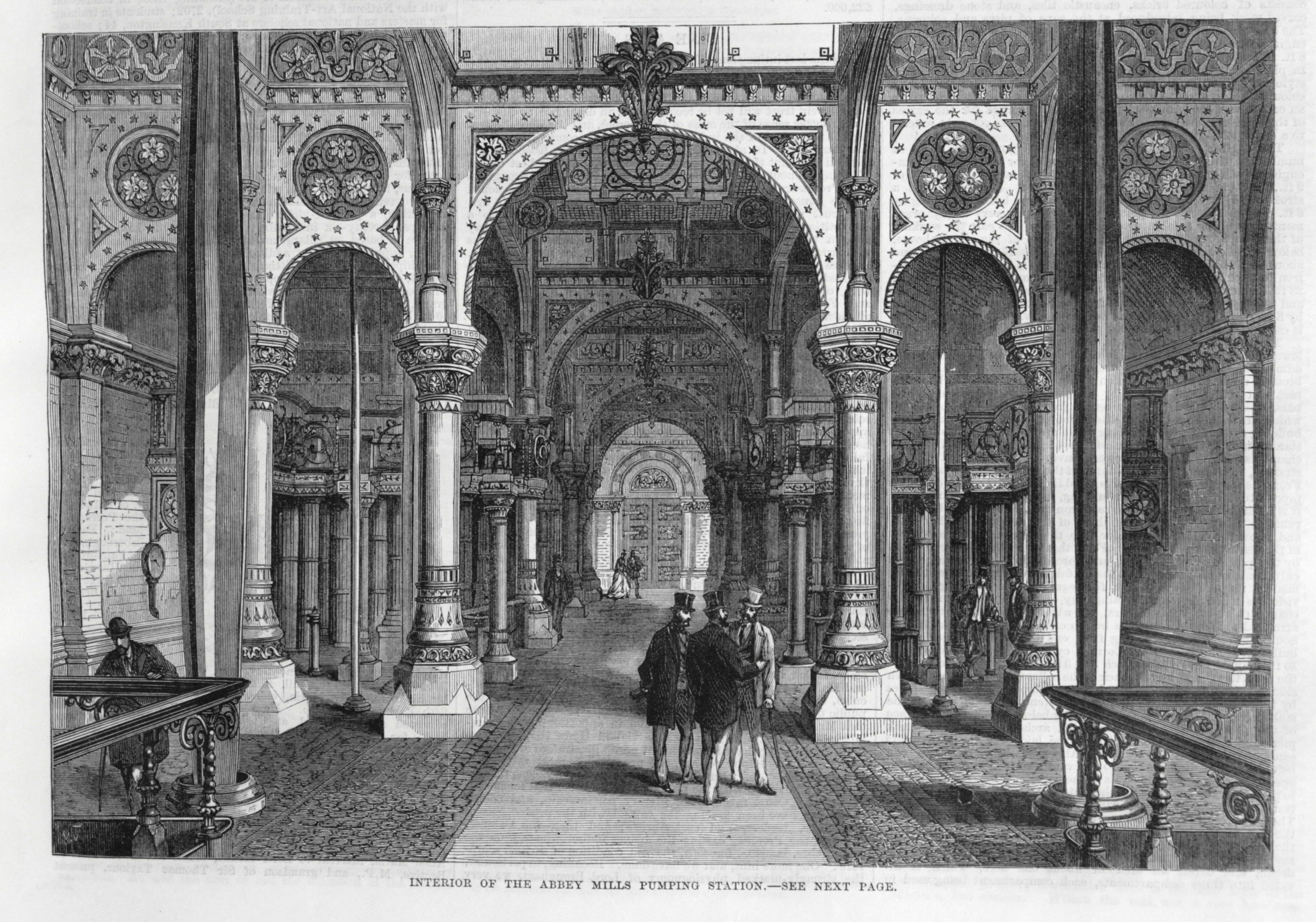
Being in such close presence to Joseph Bazalgette, hero of London sewage, urban exploration and architectural aesthetics, was instantly sobering. Standing in the main hall, it become clear that Bazalgette was mad as a hatter when he built this absurd monstrosity of shit-pumpage. But as Jack Kerouac writes in On The Road,

“The only people for me are the mad ones, the ones who are mad to live, mad to talk, mad to be saved, desirous of everything at the same time, the ones who never yawn or say a commonplace thing, but burn, burn, burn, like fabulous yellow roman candles exploding like spiders across the stars and in the middle you see the blue centerlight pop and everybody goes “Awww!”

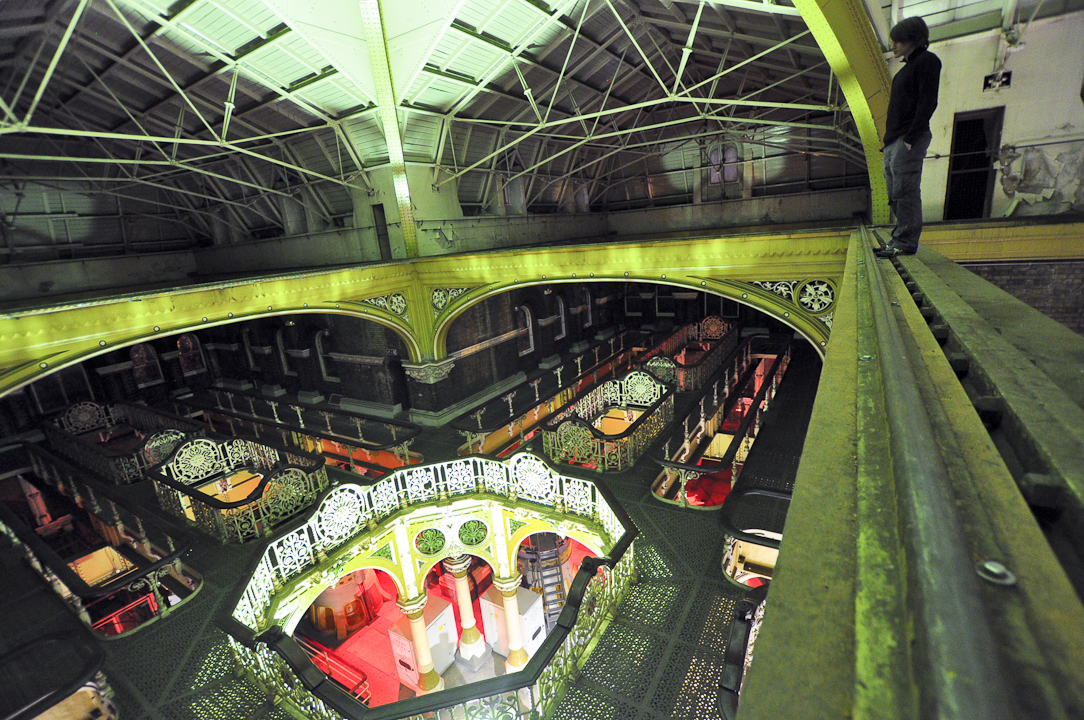
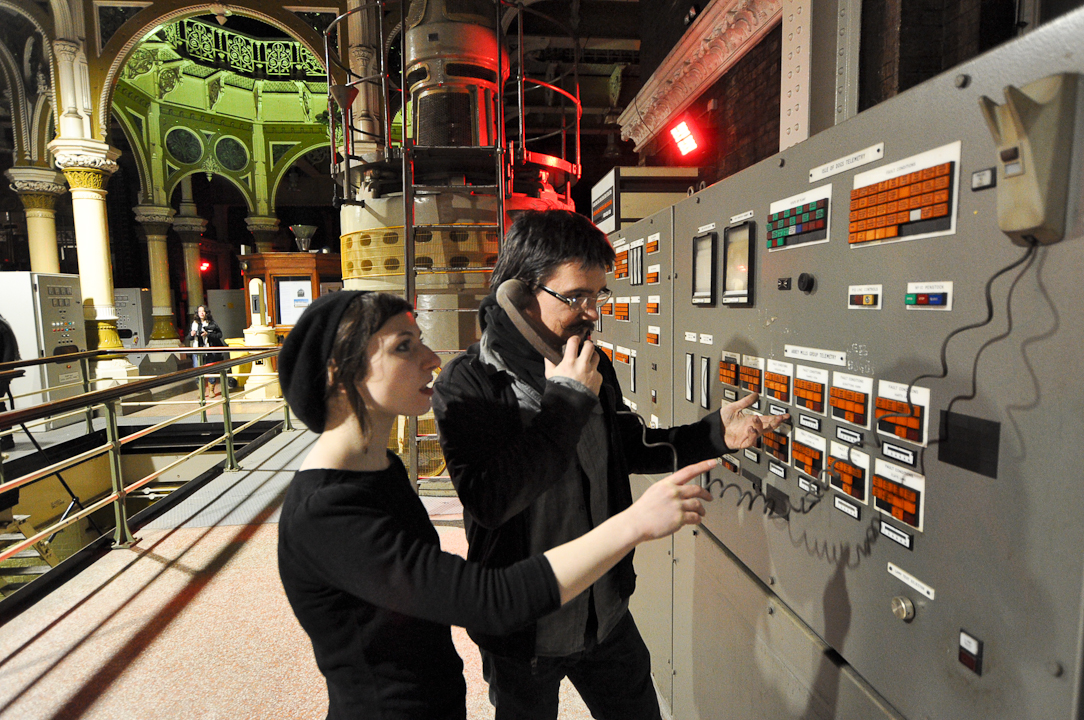
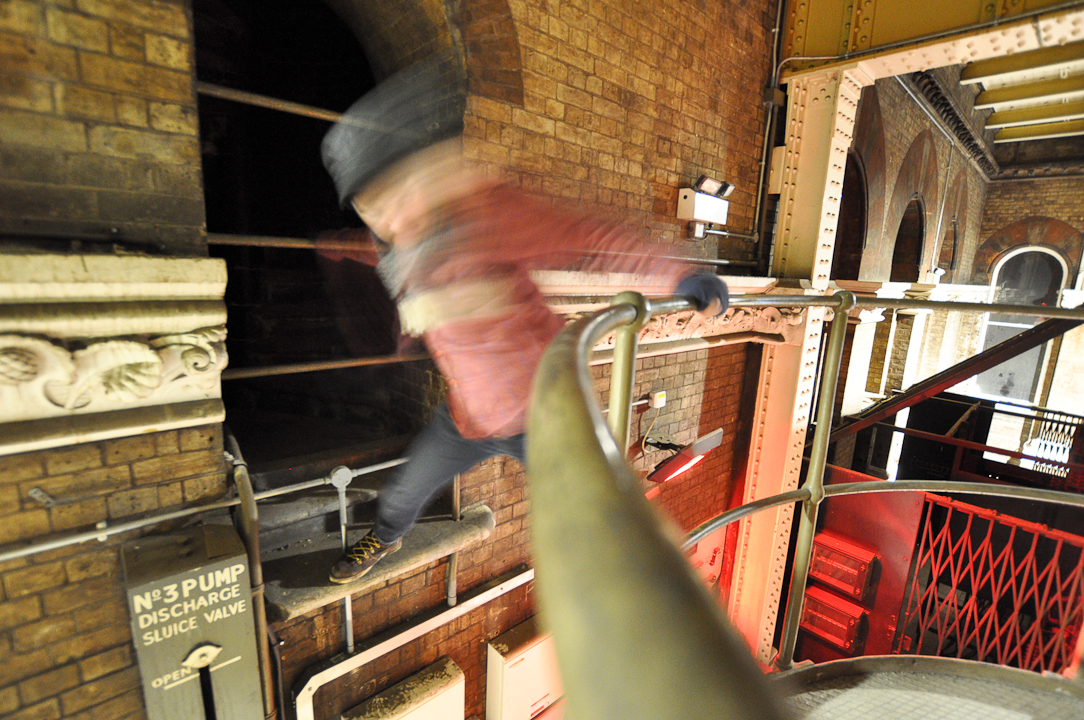
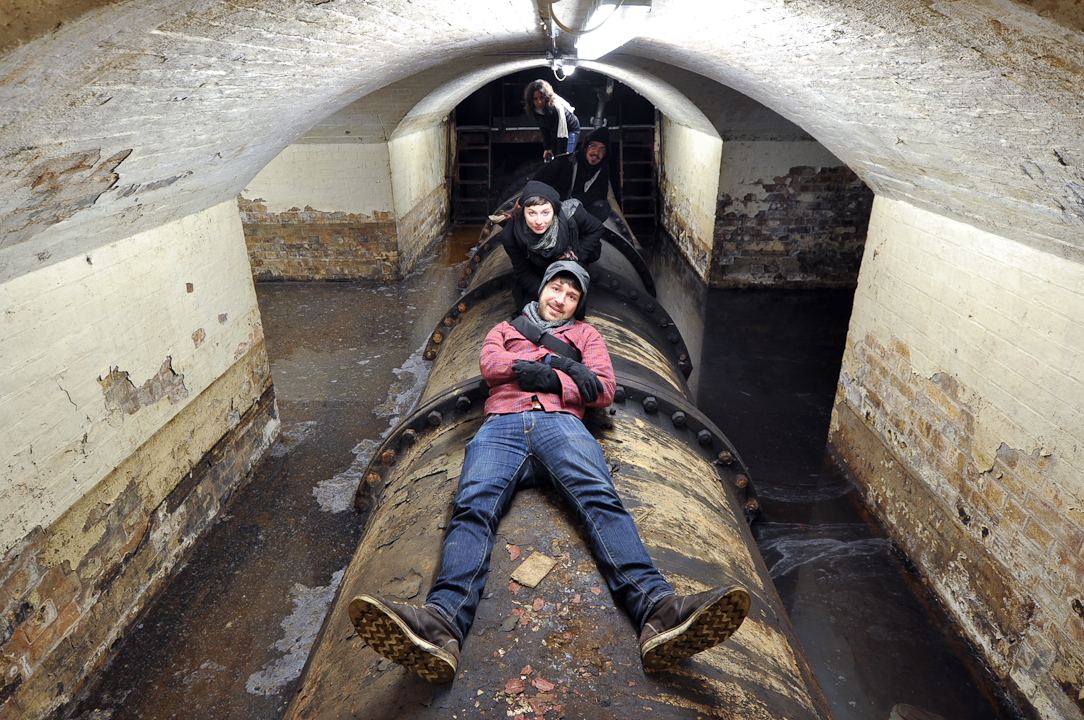
We were all on the same team here. It was clear to everyone in attendance that Bazalgette was there too, raving and craving, clawing and lusting, climbing and laughing. We went into a wild Bacchian frenzy. It was movable feast of affectual affordances as twisted Victorian metal was transmuted into swing and ladders, balance beams and gaps to jump. We played limbo under their security gates, we crawled on all fours across half-submerged pipes and used the derelict phone system to call the security hut and tell them they lost the game.
We don't need
To ask for
Permission

_________________________

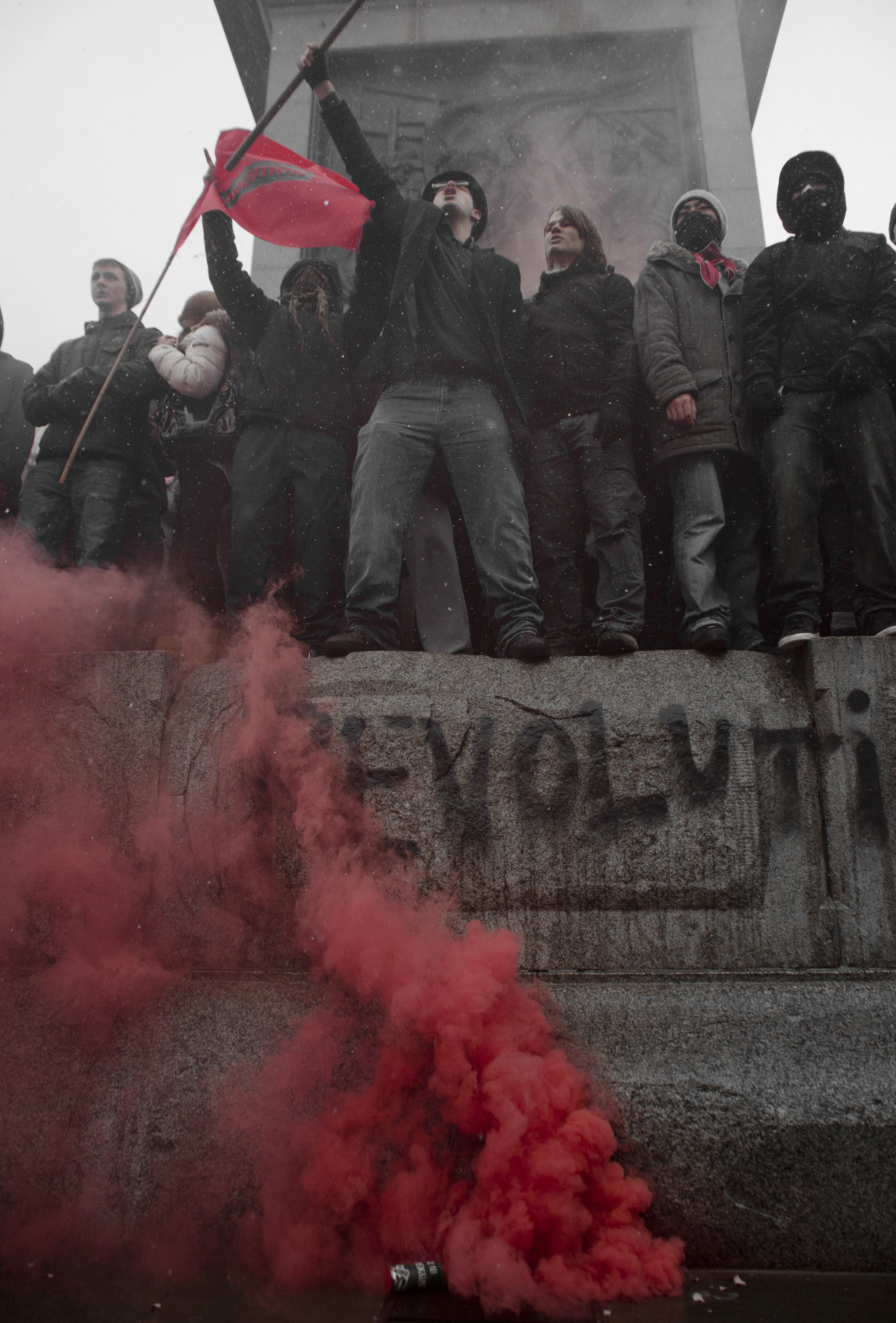
The truth is that Silent Motion and I needed some time to play. We had been fighting police in the streets, sat in sub-zero kettles, setting fire to the city to keep warm for a month straight as part of the student protests. It felt like life had quickly become so serious. Even urban exploration had taken an ominous turn after other explorers started crying about our A-team exploits. One detractor even labelled our crew “the London can openers” which I quite liked.
Spot the can opener

Our participation in particular types of exploration, our participation in the riots that most explorers chose to ignore while they sad at home madly bashing their keyboards in frustration, our participation in whatever the fuck gets us pumped up is a reminder, however sad, that as Winch has said before, there is no UrbEx community, there are just friends who enjoy hanging out with each other. Some are braver than others. Some explore for the glory, some for the fun. Some walk in the track of others. Some blaze new trails. Some try to make things a little more fun. As Statler says, there are no rules to UrbEx, there’s just where your morals fit and as Sartre once wrote about the philosophy teacher Mathieu, “he could do what he liked, no one had the right to advise him, there would be for him no Good or Evil unless he thought them into being.”

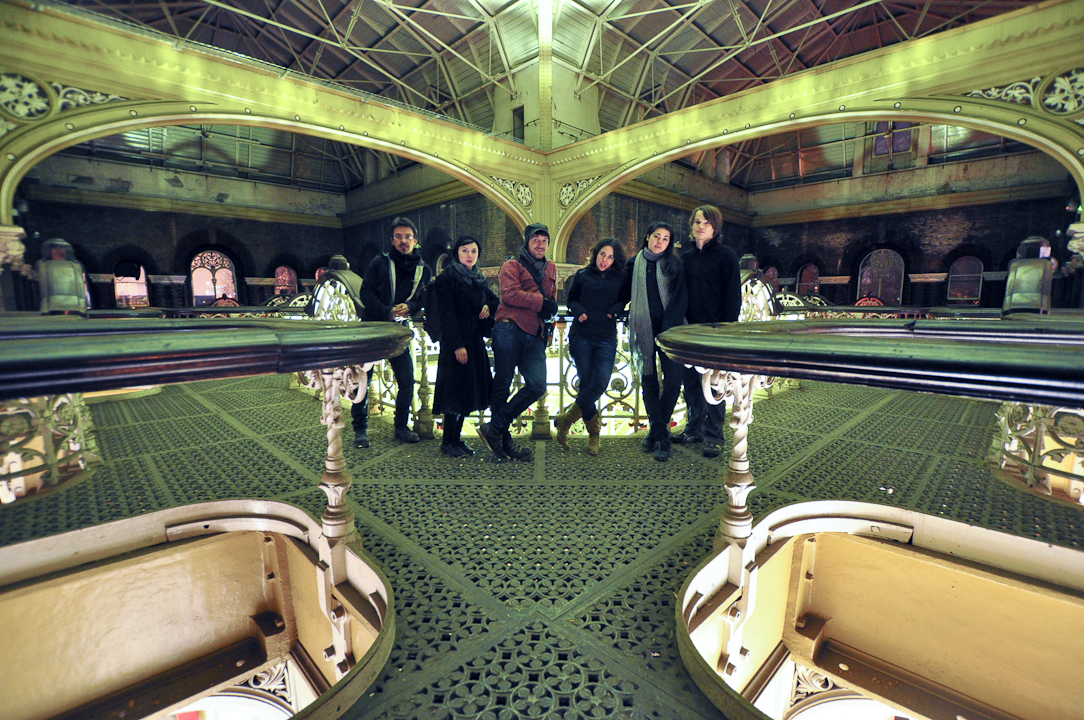
We needed this night to remind ourselves that this is what we are capable of. Elegance was reaped by bringing along a visitor to London for the weekend to experience a night out that wouldn’t be soon forgotten. We fed on that initial wonder that comes with realizing that yeah, you can just do this.
Let's
Just do this

Being free doesn’t require consent and we don’t need to ask permission to explore, not from the government, other explorers or your mum. No matter how much frustration we brew, how serious our work gets or how intense our lives may become, we are reminded through urban exploration that all it really takes to feel free again is the initiative to walk away from it all and rewrite the rules for a night. Disclaimer? There is none.

Space, despite all allusions and illusions to the contrary, is free.
Beautiful all around

__________________________

The photo of Abbey Mills in 1868 was jacked from Rag Picking History.

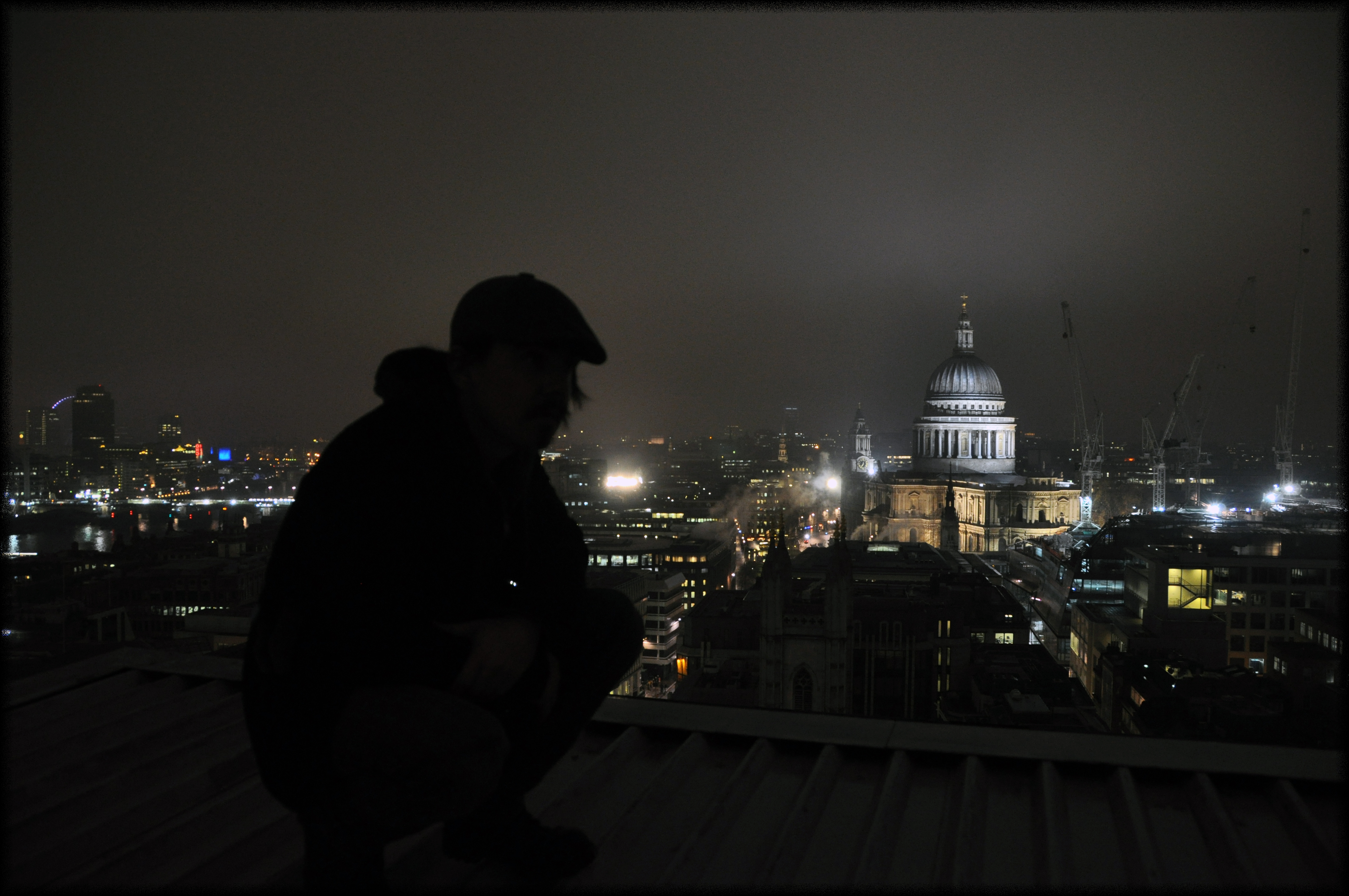
The photo of Silent Motion the can opener was kindly provided by Nicholas Adams at Guerilla Photography.

The Red Stripes and Famous Grouse were provided, on discount, by Emron from Pakistan at my corner shop who still wants me to make a documentary about his quest to abandon the family business to become a pilot.

The word were kindly provided by my brain, via my fingers during some sort of synaptic process that still eludes me.

Share
Tags : , , , , , , , , , , , , , , , , | 2 comments

The opportunity to forge a personal, exclusive, and self-defined relationship with the city comes first in rejecting implicit assumptions and explicit regulations about sanctioned space. –Alan Rapp
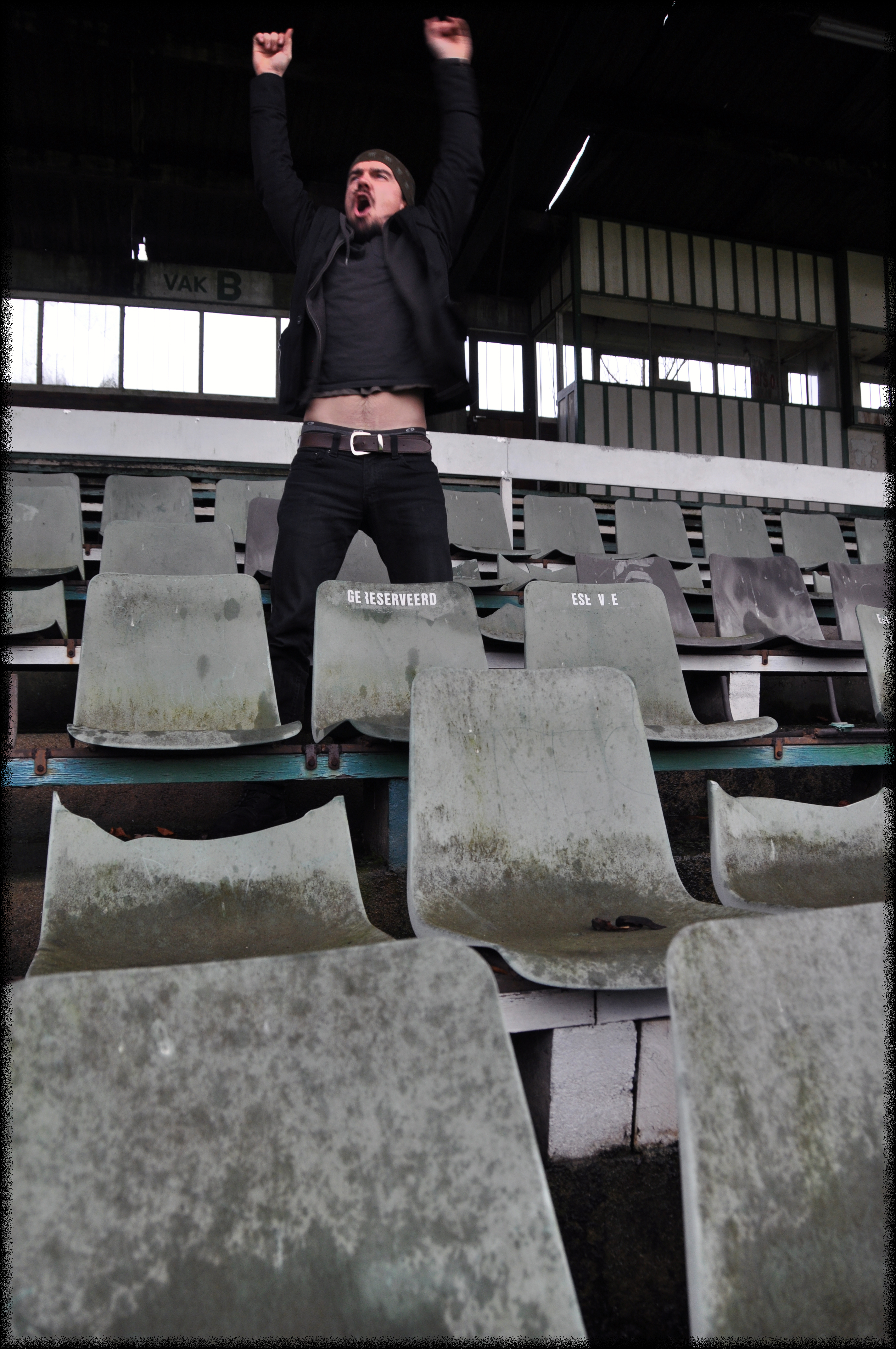
Team takeover

Dr. Anja Kanngieser completed her PhD, Performative Encounters, Transformative Worlds: Creative Experiments as Radical Politics, Germany 2000-2006 at the University of Melbourne in 2009. I met Anja at the ESRC funded Experimenting with Geography workshop organized by Michael Gallagher and Jonathan Prior at the University of Edinburgh where we spoke about creativity, politics and rights to the city. Her ideas (and key reading lists) about the politics of space and the relationship between urban exploration and squatting have seeped their way into my work over the past year, inspiring me to invite her do a short interview for Place Hacking.

Probe

Anja, in addition to her current research projects, is also a collaborator with Dissident Island Radio, the shows of which are podcast live from London every first and third Friday of the month at 9pm and can be found at www.dissidentisland.org. The audio responses in answer to some of the following questions come from a recent conversation between Anja and Leila in response to my request for an interview. Leila, like Anja, collaborates with Dissident Island and is well versed in matters of squatting and political spaces.

Around

BLG: Anja, your work on political movements has seemed to centre on the idea of capitalism as crisis. Urban exploration, in its most basic form, seeks to explore the remains of failed capital projects, leading some explorers to celebrate the financial crisis as it ‘opens’ spaces to alternative (i.e. non-commercial) uses. Do you see the current financial crisis as an opportunity in any way?

AK: Firstly, I’m not sure I would describe the current state of capitalism as crisis, I think that using a discourse of crisis suggests a very event-based ontology, that is to say it doesn’t really address the everyday processual and structural elements of capitalism that mark out capitalism itself as a system contingent on dysfunction and reproduction. To say that now capitalism is in crisis is to infer that before it was somehow functional and can be functional again. What I like about the idea of dysfunctionality is that it allows for the view that there are chances to intervene. At the same time we should be aware of the ambivalences in that these interventions – they can also be appropriated and absorbed into this dysfunctionality.  I think that these chances have always existed and will always exist. And more so I think that people can be quite good at taking opportunities, when they feel that they can or feel that they must.

This is also why I think to speak of capitalism as failed is misleading. If we acknowledge that capitalism is contingent on breaks and discordances, if we acknowledge these ambivalences that both close and open conditions for new possibilities at the same time, we can see how even abandoned buildings can serve the purposes of capital. Just because they are empty does not mean they are without value to venture capitalists. I think we need to see how capital extracts value from things we might think are derelict or destitute. It’s true that the current financial crisis has meant in some senses a crisis in the property speculation market, which means that at the moment there are vacant properties. This is, of course, something that urban explorers can take advantage of. But it’s also imperative to recognise that even before the crisis there were empty buildings, and that there were buildings that housed non-commercial initiatives. If we are aware how capitalism compels affects, how it generates desires and fears, anxieties about scarcity and ideologies of risk and accumulation, then we can see that whatever ‘stage’ capitalism may be in we can find sites for making alternatives. We shouldn’t wait for a cry that capitalism is dead.

Inspection

To speak of the crisis as opportunity is also to speak of the detritus that opportunism is predicated upon. It is to speak about the process by which a building is made empty, in the US for instance the houses foreclosed by the banks [1]. In each case somebody left that space, possibly not by their own volition. In each space there are echoes and resonances of what has come before, and these need to be realised every time we enter these unoccupied homes. The crisis can both antagonise and paralyse action. Maybe it’s a matter of differentiating between opportunity and opportunism, and thinking about how we can utilise the spaces we re-inhabit to create new communities of care with some kind of ethico-political consciousness around what is happening. Finding a way to build links with people local to those empty places, and beginning conversations and relations with them to engender new common geographies. In this way we can open spaces for different ways of being.

Anja and Leila on capitalism

Sleepover

BLG: One of the things you advocate for is squatting in abandoned structures. I have taken a few trips around Europe with my project participants where we have slept in ruins and a number of urban explorers are now considering squatting as a viable option. Do you think that urban exploration, or squatting, could be an avenue toward a different relationship with the city?

Anja and Leila on squatting

Suspicious

BLG: Most urban explorers subscribe to a code of ethics that includes finding creative ways into buildings so as not to break into them, avoiding any possibility of prosecution (not to mention bad press). Do you see this as a crafty way of working around the law or a failure to confront laws we never agreed to in the first instance?

Anja and Leila on the urban exploration code of ethics

AK: Firstly, I’m not sure I entirely understand a code of ethics like this in the sense that it functions as a law (unwritten perhaps but a law or instruction nonetheless) dictating how people should behave, much in the same way that state governance does. I understand what function such a code may serve in terms of subverting or skating around the edges of the law, but I don’t entirely understand why one would wish to ascribe to a law that is symptomatic of a system that urban explorers seem to be trying to provoke or wrest themselves from. Maybe I have misunderstood what urban explorers are seeking but at any rate a desire to freely engage with space, to enter places that are closed to the public, to cross fences and borders despite explicit instructions not to, to go down into subterranean features and into forbidden territories, is a desire for self-determination and a desire to live without an imposed authority. It’s a desire for radical forms of play and fun, for excitement. What seems to delineate urban exploration from squatting in urban exploration discourse is this strangely complicit/subversive relationship to the law. But squatting is not illegal. Oftentimes squatters don’t even need to break into buildings, as Leila points out in the audio response, spaces are left open. So I’m not sure why a code of ethics like this is seen as a way that urban explorers are differentiated from squatters in terms of good or bad press.

Secondly, to me the idea that by not breaking into something you are preserving a kind of legal and spatial sanctity or integrity is also curious. I don’t know how deeply the idea of authentic spaces is ingrained in praxes of urban exploration, but from the moment you step over the threshold something is disturbed. This already assumes that the space itself is in a vacuum, that it hasn’t changed since it was last inhabited. The effects of degradation and wear, the kinds of ecologies that empty spaces breed means that a space is always in the process of changing. The re-intervention of humans into this space contributes to this, necessarily. At the same time I can see the romance and nostalgia in entering a space with the idea that you can come and go without leaving a trace, to document your adventure and then leave. Just as much as I can see how one might justify that if you don’t actively break in somewhere, it’s by inference not breaking the law. Maybe it could be less about seeing it dialectically and more about playing in the grey zones. Seeing the lines of desire and imagination, what they are for, and why they are there, as well as the processes of action they give rise to, rather than using the vocabularies of the state or of authenticity.

Anja and Leila – beyond UrbEx?

Getting out

BLG: Much of your research has used the framework of Gilles Deleuze and Felix Guattari. What do you think that duo can teach us in terms of urban exploration as a critical spatial practice?

AK: For me the work of Deleuze and Guattari is most interesting for their attention to desire as a constitutive force. I find them useful for thinking about how we are in the process of becoming subjects, how we relate to, produce and are produced by, ourselves, others, and the systems and institutions we are constellated within. Especially in terms of capitalism, heteronormativity, class, race and gender. With Guattari especially we find a lot to do with transversality, that is to say a multidirectional movement between institutions, bodies, organisations, state-craft etc over many levels. Where this is relevant for urban exploration is to see how desires and transversality can affect space and vice versa – how our relations to space are influenced by complex entanglements that are political, economic, social and cultural in nature. Rather than seeing space as inert and a-political this means we have to see space as processual and dynamic.

Getting up

What also resonates with me is their take on failure, and how failure is never only a shutting down but an opening up to something else. Guattari talks about this with respect to Sartre, and how in the experimental leaps that Sartre takes there is a thrilling beauty even when he falls flat. Perhaps precisely because he takes those risks, and does miss. This conception of experimentation and failure is something quite important to any kind of exploration, when there is a high element of process, what I mean to say with that is when the process of undertaking the action is in many ways just as or more significant that the final outcomes.

Cameo

BLG: Finally, building on the work we began together at the Experimenting with Geography workshop and your work with experiments in sound and radio, how do you think that the spaces that urban explorers frequent could be experienced in different ways using different audio techniques?

AK: There has been some amazing sound work done on abandoned places and sites, especially within areas like acoustic ecology, which invest a great deal of energy and technologies into field recording. For me Louise K. Wilson’s recordings of the centrifuge at the secret military testing site Orford Ness in Suffolk stand out as really evoking a sense of place in a quite affective way. I very much appreciate the translation of space and atmosphere into sound when it articulates those echoes and reverberations of what was once there, but has now passed. Such audio translations can be utterly compelling in a way that I often find visuals aren’t. They can also speak to the politics of spaces and can express both subjective and meta critiques and affirmations of a particular place and its history, without reliance on linguistic and ideological discourses.

What I’ve found intriguing for awhile is EVP, Electronic Voice Phenomenon, where people put recording devices into empty places to capture sounds of the deceased. They then interpret the sounds they record into speech, slowing down, speeding up, distorting the acoustics to find the words the ‘voices’ shape. EVP arose from a belief that the spirits of the dead are attracted to electrical devices and can communicate via telephones and radio frequencies. Most of the time this was the result of crossed wires or AM transmissions but nonetheless I like the imaginaries it gave rise to. It reminds me of the Philip. K. Dick book in which people can be caught in a state between life and death, in stasis housed in coffins, talking to their loved ones through a telephone-like apparatus, and as they expire over time their voice grows less and less audible at the other end of the line. I like the peculiar understanding or lack of understanding of ephemera like radio waves that gives you a sense of mystery and fascination with natural phenomena that are in many ways quite archaic. There are still people constantly developing specialised devices said to be able to catch these voices, so it shows the intensity with which some people engage with EVP. So this could be another way to experience histories, memories and imaginaries of ruins and derelict sites.

Dr. Anja Kanngieser run the blog Transversal Geographies.

Real

Share
Tags : , , , , , , , , , , , , , , , , , , , , , , , , , , , , , | 3 comments

Playing with Power

Posted by Bradley L. Garrett on Sunday Jul 11, 2010 Under Freedom, Psychogeography, Situationism, Urban Exploration

Your pain is the breaking of the shell that encloses your understanding.

-Kahlil Gibran

We are not depressed; we’re on strike. For those who refuse to manage themselves, “depression” is not a state but a passage, a bowing out, a sidestep towards a political disaffiliation. From then on medication and the police are the only possible forms of conciliation. This is why the present society doesn’t hesitate to impose Ritalin on its over-active children, or to strap people into life-long dependence on pharmaceuticals, and why it claims to be able to detect “behavioural disorders” at age three. Because everywhere the hypothesis of the self is beginning to crack.

– The Invisible Committee

Prison

Exploration is the only medication my body subscribes to. My trembling fingertips reach for the sewer keys on my way out the door and my bowels twist in satisfaction. This addiction began as research, then I went native, then I lost my way. My love for ruins, my love for old stuff, slipped quietly into the present without even a little wink to let me know what was happening. A life spent looking for material traces of the past morphed into a series of events connected only by my churning belly that vaguely resembles art or a job in construction.

Please don’t expect me to say I found my way again because I didn’t. I was at Tate Britain the other day listening to Joseph Heathcott talk about digging through a photo archive. He said that as he dug, he became more and more confused, buried in images that he didn’t know how to contextualize. When he reached the bottom of the box of images, all he could see was himself.

We explore not to find places but to find meaning. Place hacking is only partly about architecture, history, dereliction or photography. It is about reminding ourselves what in life is worth experiencing. Our explorations embody a consistency between action and thought where what we dream becomes real. The addiction that comes along with that is the point at which your synapses start firing in new directions, making connections you didn’t know existed or that you lost somewhere along the way. It’s the point at which you realize you never want to work again, the instant at which you understand you never want to own a home, the moment when the revelation occurs that the terrorist threat is as non-existent now as it was in 1972 and 1023 and that most of the world, despite what the media would have you believe, is full of love and attachment, not hate and fear.

Thinking of you

I have lost my way. I hardly know the (a?) government exists. I have forgotten about commitments. I have widened my focus to the point that I can barely see anything not in front of me and yet eschew almost nothing, an optic of total stimulation. I spend all day with my friends. I am in love with every moment. I know my neighbourhood, my city, inside out. I just described childhood.

We have built up a shell around ourselves to defend our bodies and minds from the barrage of victimisations they are subjected to. We are left staring stupidly at what it is we are being asked to do, wondering again and again “is this it?” Joshua Ferris, in his novel And Then We Came to the End sums it up in this tidy moment seen through the eyes of Carl, a copywriter for an ad agency: “Directly to his right, something curious was going on. Two men in tan uniforms were hosing down the alleyway – a small dead-end loading dock between our building and the one next to it. Carl watched them at their work. White water shot from their hoses. They moved the spray around the asphalt. The pressure looked mighty, for the men gripped their slender black guns, the kind seen at a manual car wash, with both hands. They lifted the guns up and sprayed the dumpster and the brick walls as well. They spot cleaned, they moved refuse around with the stream. For all inert purposes, they were cleaning an alleyway. An alleyway! Cleaning it! Carl was mesmerized….good god, was work so meaningless? Was life so meaningless?”

We have become desensitized to the everyday. We have become part of the spectacle, ignoring emotional engagement with the world because we are so alienated by it. We formulate emotional shells that lock out beauty as well as pain and stop us from taking action. We are left in a state of perpetual isolation, mouths open, ready to pour in pills to fix what we lost. We are left inert, flaccid, empty. As Raoul Vaneigem once said, “people who talk about revolution and class struggle without referring explicitly to everyday life, without understanding what is subversive about love and what is positive in the refusal of constraints, such people have a corpse in their mouth.” Raoul’s thesis is outlined succinctly in the following diagram.

I suggest a different sort of medication to cure that corpse-filled mouth. Explore everything, shatter the shell and live free.

Dreamers

get vertical

Playfully

Move beyond your conceptions of exploration. Explore your mind, explore the dance floor, explore your broken family that your are ignoring while you read this drivel. Move into abandoned buildings, take locks off of doors, turn CCTV camera so they only see each other, light off fireworks randomly. Scream at people in the streets, talk to strangers, photograph police. Stop paying the state until they give something back other than the promise of a good pension if you join the military and avoid dying through war X. Take what’s in front of you and pour your heart into it. And if you have to quit your job to make that happen, then go. But do it in style – run out screaming into the sky to invoke your freedom. Even better, abseil out of your window and rappel to freedom.

Play is power. Freedom is power.

Photo by Marc Explo

We don't need 4th of July or 5th of November as an excuse to explode things in celebration (Marc Explo).

Our work ethic

__________

Share
Tags : , , , , , , , , , , , , , , , , , , , , , | 4 comments

“I am both caveman & starfaring mutant, con-man & free prince”

-Hakim Bey

Good morning

If you are reading this, it is likely you are doing so for one of three reasons. One is that you know me and feel obligated, which we will ignore for now. Two is that you are using this text as an inspiration to act. Kudos to you. Three is that you are scared, scared of breaking your chains, of shattering the illusions set before you and you are using my reflections on experience as escapism, living vicariously through my surrealist decadence. If this third category applies to you, then this posting, this call to action, is just what you’re looking for.

Wild Children

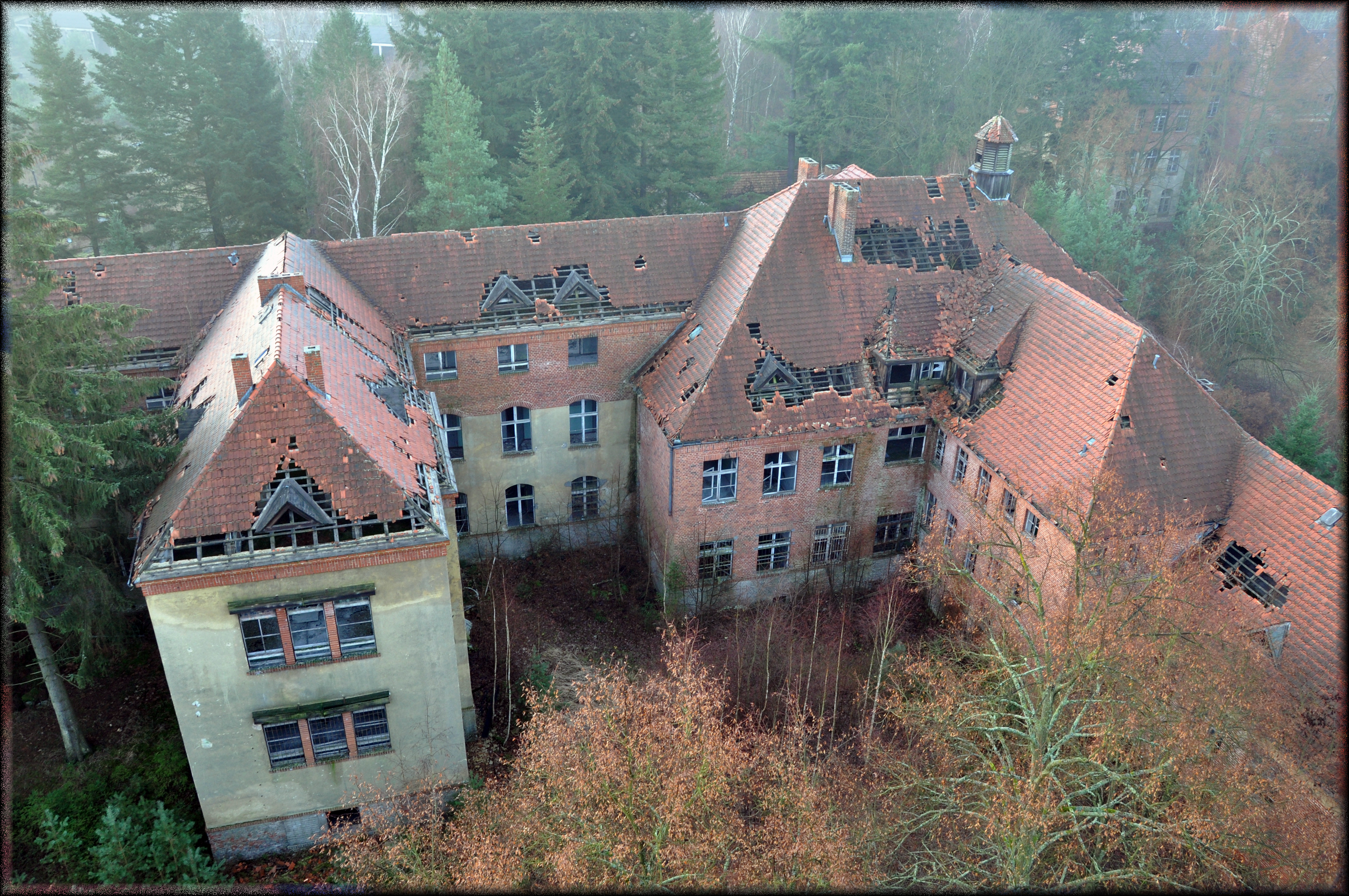
Hakim Bey’s T.A.Z.: The temporary autonomous zone, ontological anarchy, poetic terrorism initially sounds like a purely philosophical proposition, but the TAZ is actually suggested by Bey to only take form in “geographical odorous tactile tasty physical space” (Bey 1985, pp. xi) I wish to elaborate here on some of Bey’s ideas and relate them to what I see as one of the hidden political and philosophical potentials of urban exploration, lurking around in the shadows like a dirty pirate coming to rape your mind. Bey’s description of the place of action, the place of meaningful existence that resides in between analysis and experience jives really well with my current reality. The cracks between physical encounter and intellectual stimulation comprise Bey’s “surrealist archaeology” (xii) and I, indeed, am now a practicing surrealist archaeologist.

Surrealist Archaeologist

My life over the last year, and especially my time during our last pro hobo road trip to Europe, has definitively taught me one thing: spatial barriers are an illusion, far more psychological than physical. They can all be overcome, excavated, sapped and exploded. The remaining fiery remnants are similar to little chocolate candies, a delight for children and pregnant Venus figurines. Pro hobo teaches us what Bush already knew, authority is an illusion, threats of imminent terrorism and spiritual destruction are an illusion, fear is an illusion, society is an illusion. My experience has taught me that I am the only master of my destiny and I decide what happens next.

Prohobo in the margins

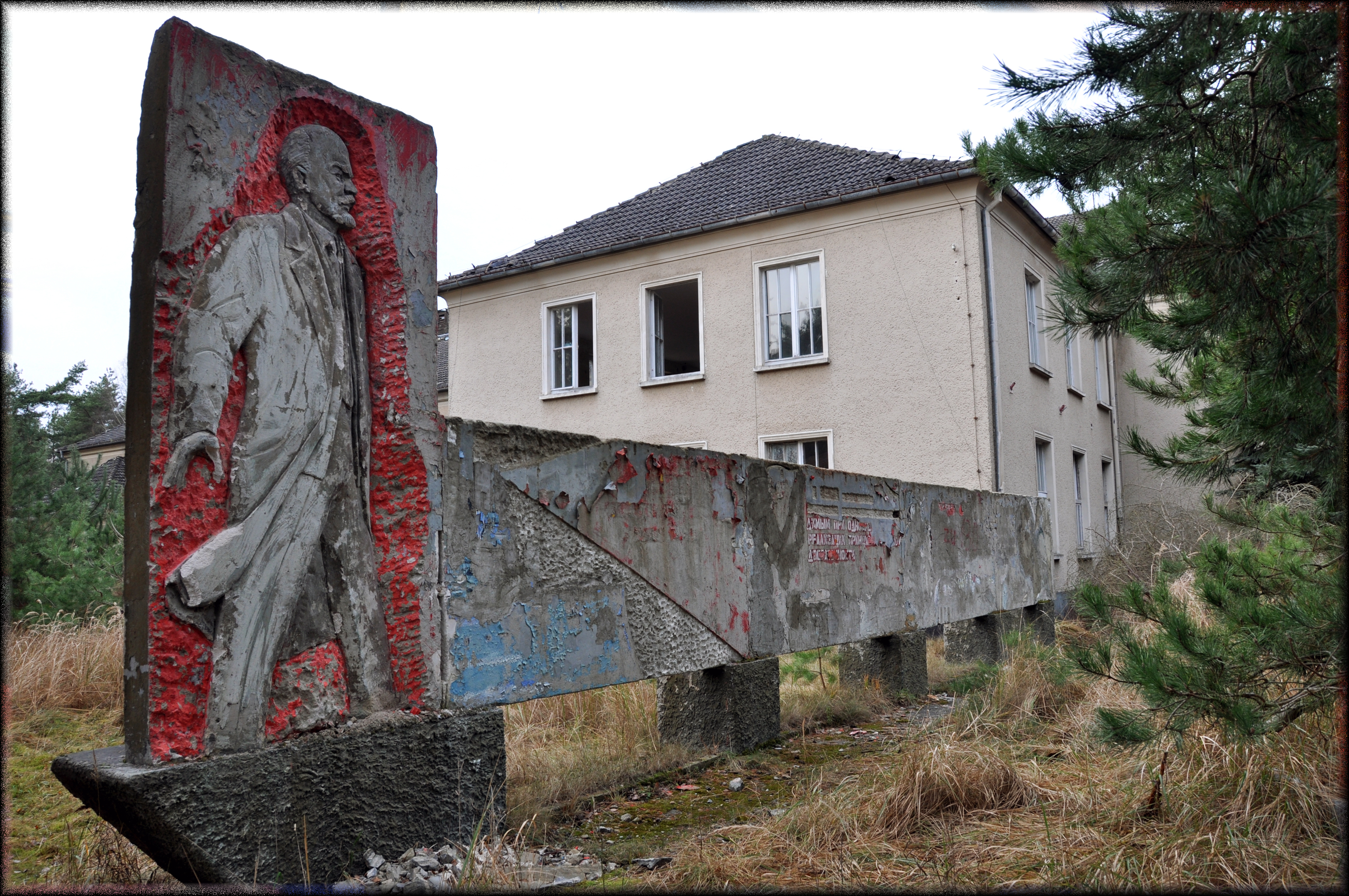
Sartre, who is rumoured to have written an average of 20 pages a day over the course of his life, has scribbled extensively on freedom. And this freedom, I claim, is what Bey wants us all to exert. I say exert rather than find because the only searching you need to do to find it is within yourself. Locate it in a derelict building in Belgium, find it in an abandoned soviet military base in Russia, find it tearing down a statue of Saddam Hussein, find it while cornering police and taking their weapons, find it in a newborn’s sparkling eyes, find it with your lover in a bathtub surrounded by candles, find it in Grandma’s attic, find it at scummy drum & bass warehouse parties, find it by making things out of felt. But for fucks sake, find it in experience. Get out of that pub, get away from this computer, turn off that goddamn television and then go do something stupid, pointless, reckless and beautiful. And don’t apologize for it. Refuse to explain yourself, refuse to give anyone your “details” when they ask why you are doing it.

We need to find the cross sections between analysis and experience yes, but that is for you to do, no one will do it for you. Mindless action is stupid, but so is mindless acceptance of explanation. Siddhartha walks the middle path.

Meaning container

Well, that's over

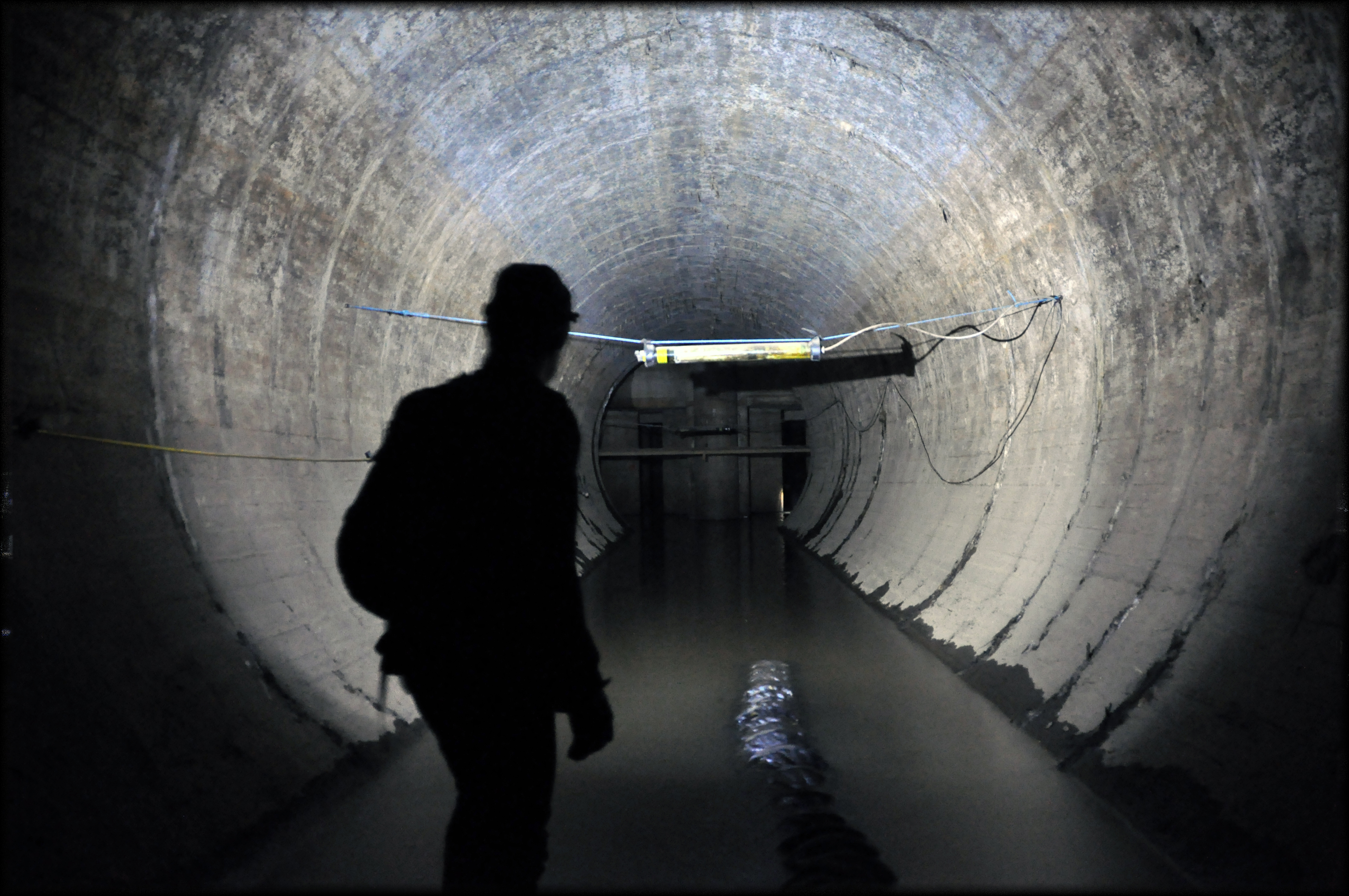
Bey lays it out for you my friends. “What happened was this: they lied to you, sold you ideas of good & evil, gave you distrust of your body… mesmerized you with inattention, bored you with civilization & all its usurious emotion” (3). Then, they used your placated boredom, your distrust, your fear and your ideas of good and evil to create a world in which they could contain you. They told you that it was possible only to live within their structure. Well, fuck them. If we live in democratic societies than we are the structure. If we were in danger of terrorism, I would have been caught when I started scaling buildings in the City of London or when I climbed into the drain system under Los Angeles.

On your city

In your city

I hardly think I am more intelligent than some well-trained terrorist operative with a will to die. And if that is indeed the case, only one solution remains, given the places I have been able to infiltrate. We are not attacked because the threat is overmagnified or, at worst, nonexistent.

I won’t let this turn into a political rant. To be honest I could care less what kind of bullshit our leaders are feeding us. What I care about is you and me, the people on the ground. Hey… WAKE UP! We are alive! We cannot be stopped from doing anything. If you choose to be stopped, it is not the governments fault, or your friends. It is not because you have no money or because your girlfriend cheated on you when you were 20. It is because you are a twat and you are buying into a narrative constructed by people who want to control you. It may be your state, your parents, or your church, the important thing is for you to recognize that they can only hold you down because you let them. Look to Iran for inspiration. “Smash the symbols of Empire in the name of nothing but the heart’s longing for grace” (12-13).

Grace

I suggest urban exploration as a method of subversion; a state of “delirious & obsessive play” (9) that you knew when you were young. I suggest regression and even retardation of our boundary knowledge as “our feral angels demand that we trespass, for they only manifest themselves on forbidden grounds” (22). Remember how it felt when you were young and all signs and people telling you what to do were merely suggestions? They still are. Embrace your inner child again, cultivate “antics that are sharp enough to slice moonlight” (8). You don’t need drugs or alcohol to experience unfettered joy, to launch yourself raving into the stars. Roll around in them and get burned, scream with joy when the beauty melts your eyelids to your face! You only need your body, your imagination and the willpower to seize those experiences which are available to you, regardless of what you are told is or is not possible.

Suggestion

Problem

Solution

This will to power may find you in danger, hanging from scaffolding on a building or, at worst, dead like our friends Downfallen or Ninjalicious. But that last moment will be found in bliss, because you finished your story on your own terms, with style, kicking in the door and stabbing innocents like Sir Lancelot of Monty Python in your own “particular idiom”.

_____________________________

The fact that I call urban exploration place hacking is significant on multiple levels. Firstly I imply, of course, that we can hack physical space just as computer hackers hack virtual space. But hacking also implies mobility and using mobility to define places is tricky business. We stop in places long enough to eat or take pictures. When going pro hobo, we dwell longer, staying to sleep, BBQ in wheelbarrows or play games. In these instances, our proficiency as place hackers becomes even more transparent as we reconfigure the physical space of encounter, leaving behind archaeological, tangible, physical remnants of our time there, little monuments to the fuck all. But we are always passing through. Turning to Bey again, he suggests that “the TAZ is an encampment of guerilla ontologists”, they “strike and run away” (100). We are on it Bey, and we are running like hell.

Zerowork

Tangible

The pro hobo tour is a sacred pilgrimage, an experience that Westerners rarely find outside of the cliché roadtrip. It is a massive dérive, a journey to the far horizons of possibility, “a spiritual exercise which combines the urban & nomadic energies…into a single trajectory” (81). As we push the journey further from London, further from our homeland, our comfort food and our safe zone, as we run out of money and continually get drunker on Chimey and experience, the sheer duration “inculcates [us with] a propensity to experience the marvellous; not always in its beneficial form perhaps, but hopefully always productive of insight – whether thru architecture, the erotic, adventure, drink & drugs, danger, inspiration, whatever – into the intensity of unmediated perception and experience” (81).

Sacred Pilgrimage

Inspiration

I now recognize that these mobile transgressions are the heart of what makes urban exploration effective as a mode of spatial resistance. To stay in one place is to create a target for the state, to invite martyrdom at the expense of losing reality hackers. Look to examples of cults, hippie encampments, squatters villages. They are all too easily scoped in, laser painted targets. As Sun Tzu might advise, moving targets are difficult to hit. Keep them guessing where we will go next, where we will post next, who will be there, what will happen. Catch us if you can.

This is not just physical mobility but ontological mobility. Even though subscribers to the urban explorer code of ethics seek to leave behind no traces of our passing, they are inevitable. A dropped glove, a forgotten film canister, a helmet fallen in a well. Even if we do move without a trace, the records taken away will change perception of the space, will encourage more TAZ creations, UrbEx infiltrations and spatial disturbances. Every photograph is a call to action.

Call to action

This action, let me now assure you, is no revolution. The point of place hacking (and this is where Bey and I may disagree) is not anarchy or revolution. The point, my friends, is insurrection to disrupt order for the distinct purposes of expressing our rights to freedom, our rights to the city and to instil fear in the suits writing policy documents in cubicles, taking frequent coffee breaks to dream about what freedom feels like out there in tasty space. Show them what it looks like, better yet, show them what it feels like. They will love you for it, even as they avert their eyes from your soiled clothing on the tube.

This post is not a call to tear down the government, that would be stupid. As Nietzsche has pointed out, the truly free spirited will not agitate for the rules to be dropped or even reformed, since it is only by breaking the rules that we realize our power. Anarchism exists in the world and those places are shitholes. What we want is to gently remind those who would question us that this is our world, these are our societies. We allow those suits to run them, and that is democracy.

Dare me to press it? Double dog dare me?

Now…

Go go something stupid and reckless; go create your own TAZ. And remember that “the architecture of suffocation and paralysis will be blown up only by our total celebration of everything” (42).

We win.

Share
Tags : , , , , , , , , , , , , , , , , , , , , , , | 6 comments