Is this a game?

Anthropologists have recently been writing about World of Warcraft, Second Life and other Massively Multiplayer Role Playing Games (MMORPGs). Since many of these games have millions of players, with their own economies, cultures etc., it has been suggested that people within virtual worlds have developed their own culture. As an avid World of Warcraft player, I heartily agree. But I also love playing games in real life, and, in a sense, this is what UrbEx is all about.

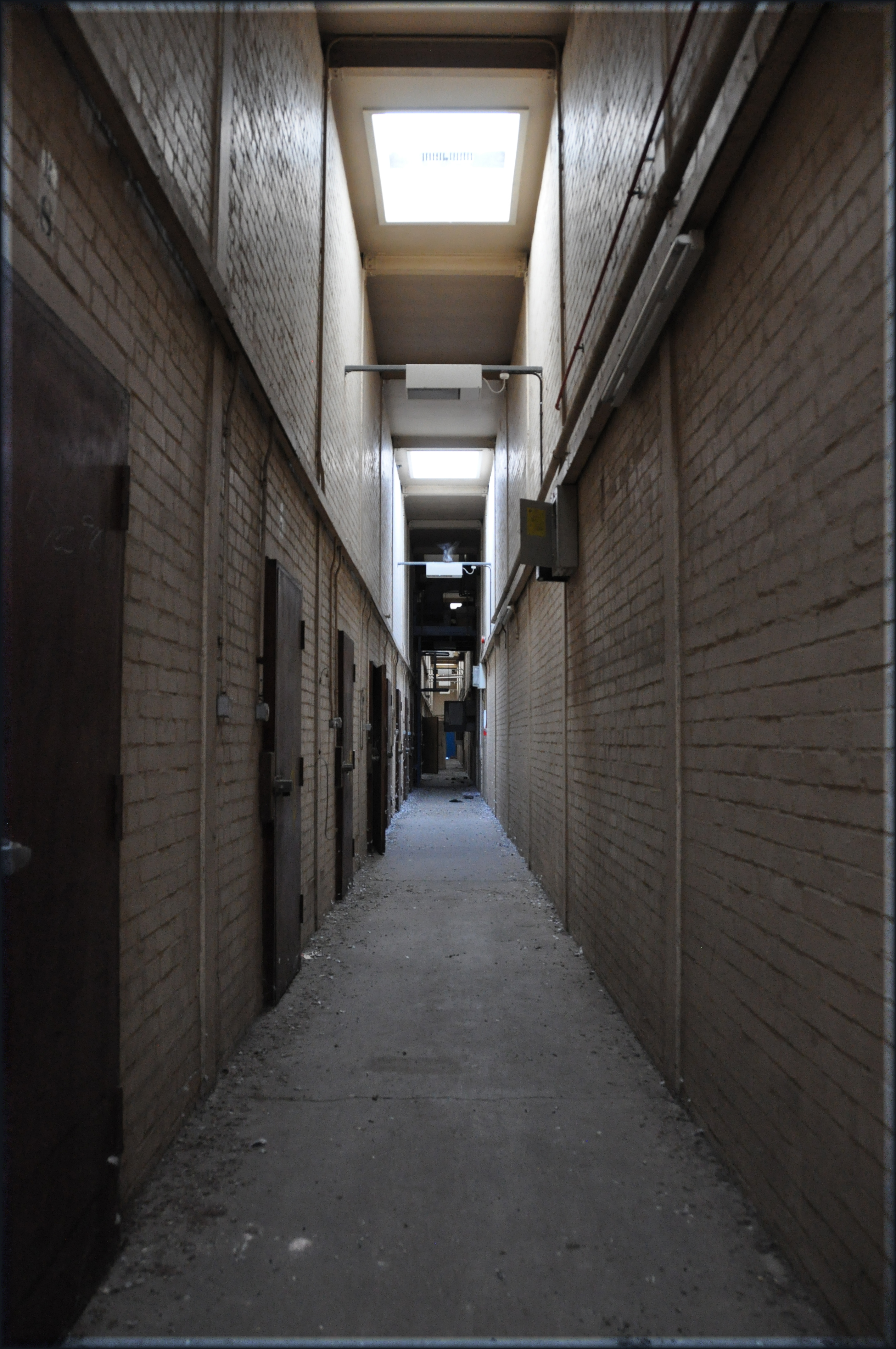
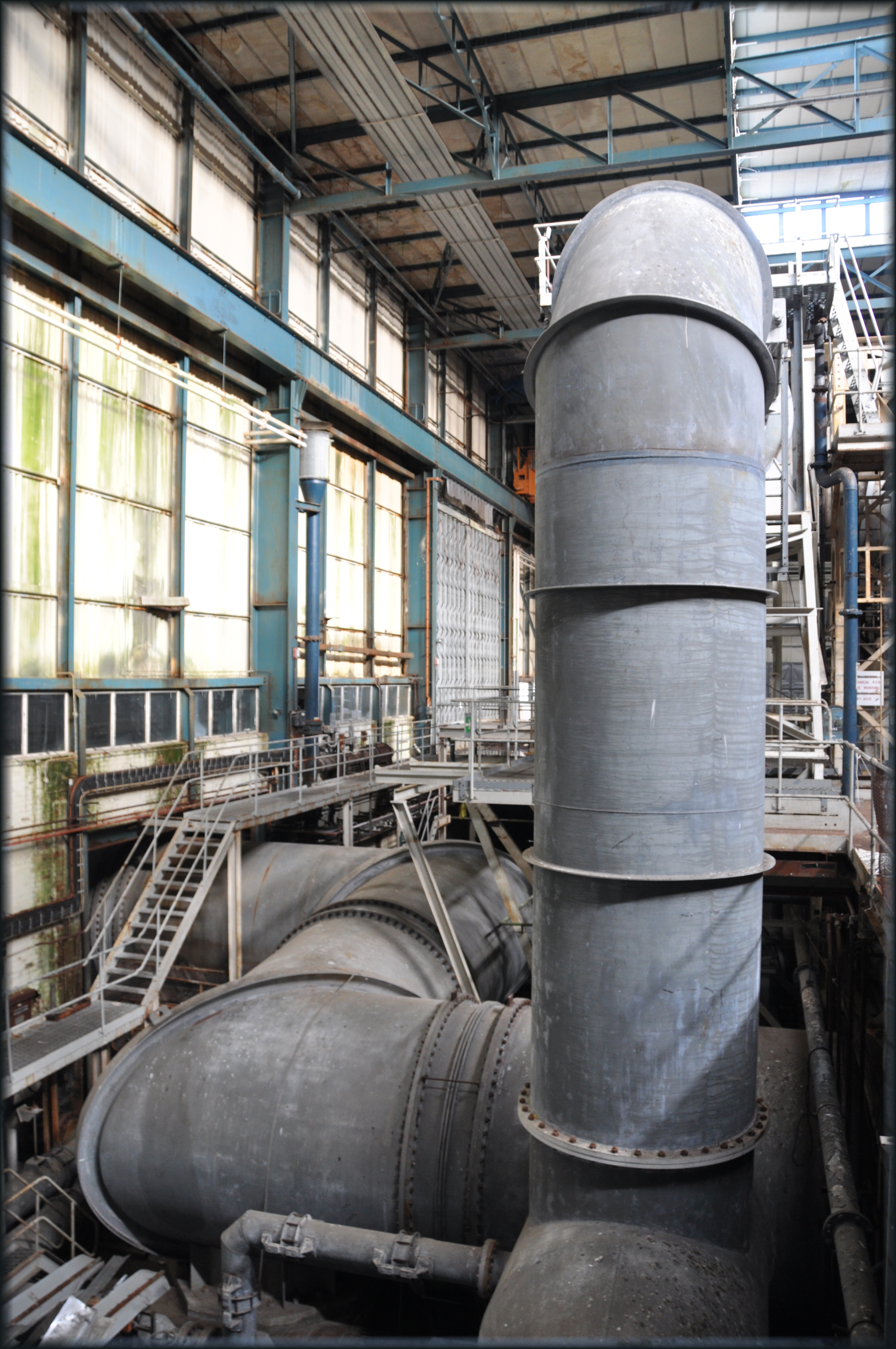
Yesterday Marc took me to a site which felt very much life a game, a surreal landscape of industrial waste, technological failure and a ninja Ghurka security guard. We explored it, very carefully, and all went well, but when I got home, I re-dreamed the explore, making it the game I knew it was.

I call the result a Real Life Role Playing Game or RLRPG.

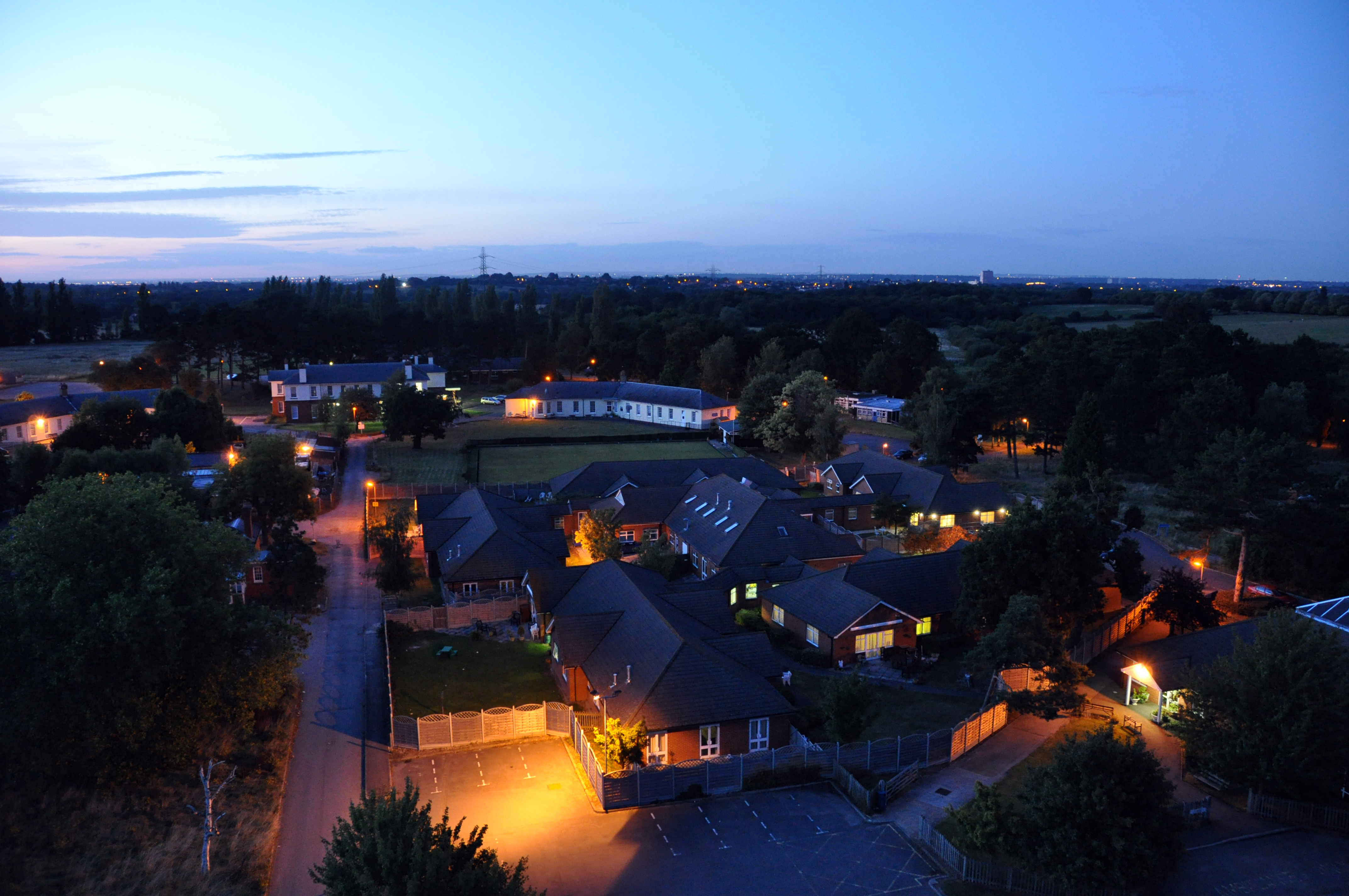
In a small forest, in a quiet neighbourhood, there are trails snaking their way through the tress. Different paths straddle the border between the forest and fields, inhabited by Mums with prams on this lazy Sunday, and by pairs of flatmates and friends, jogging, trying to sweat out remnants of last night’s snakebite extravaganza with girls in too-short-skirts. On one of these trails, in a black hooded cloak, walks Marc of the Cata Clan, Lvl 80 Elite Explorer, back again to conquer Pyestock for bonus explorer points before returning to his subterranean home in the Paris Catacombs.

Marc moves to the perimeter of his target, taking note of the Ghurka guard walking along side him, without looking in his direction, noticing that the Ghurka is following his movements. And eyes. He has been spotted. Marc breaks into a run, trees passing by like cars on a busy highway. With a quick glance to the side, he notices the guard is keeping pace. An elite guard. Merde.

Rookinella was right to be scared and stay home today, this guard cannot be defeated with felt or plastic pirate swords. With two glancing kicks off of the leaf cover, Marc is running up a willow tree, rebounding over the 4 meter triple barbed wire fence, his cloak hood flapping in the wind, distracting the Ghurka just long enough to pull the small blade from his leg holster. The Ghurka is cut down before he can get to his weapon, his mouth held from behind to muffle the screams of agony as he bleeds out.

Moving in

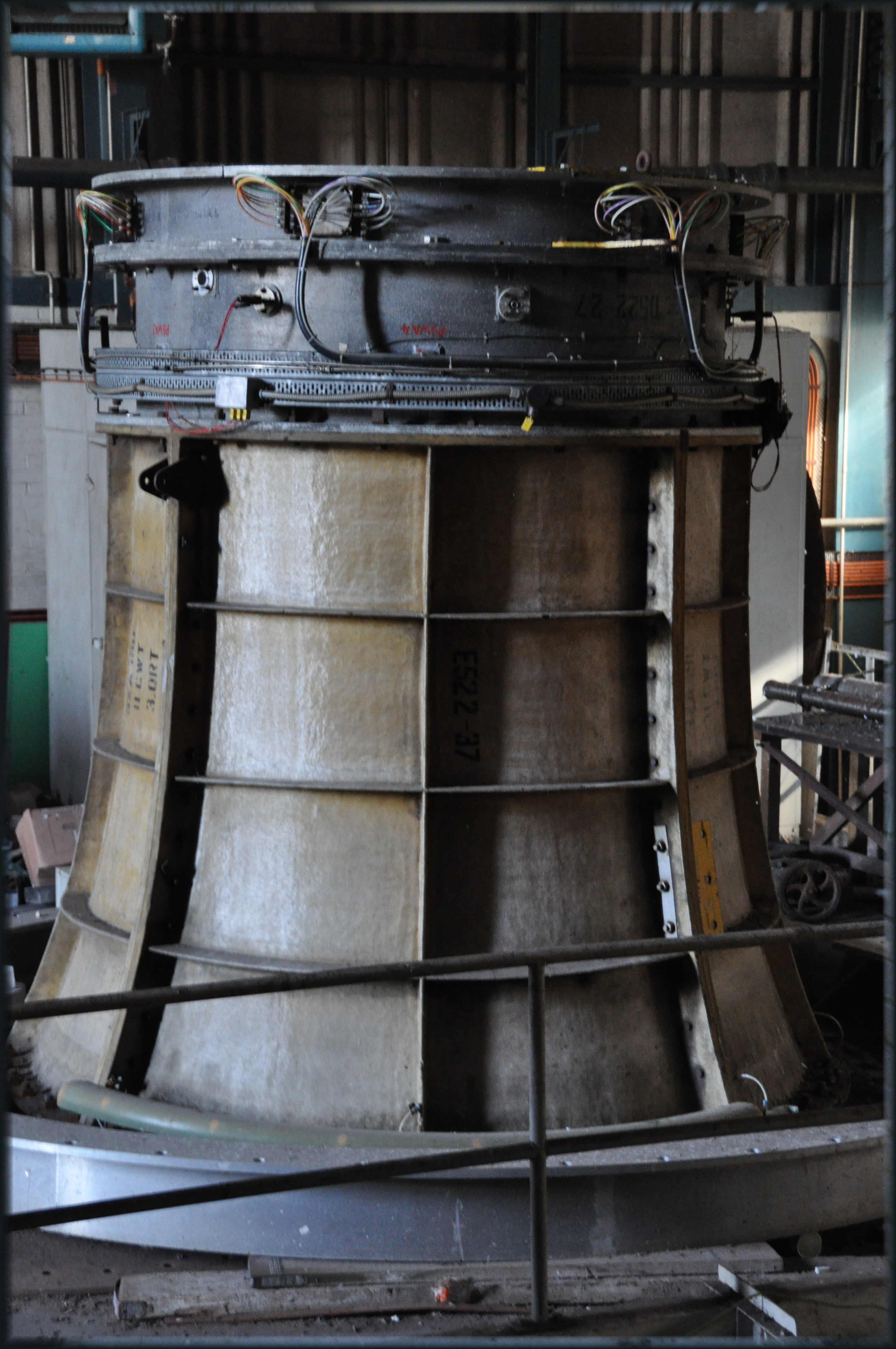
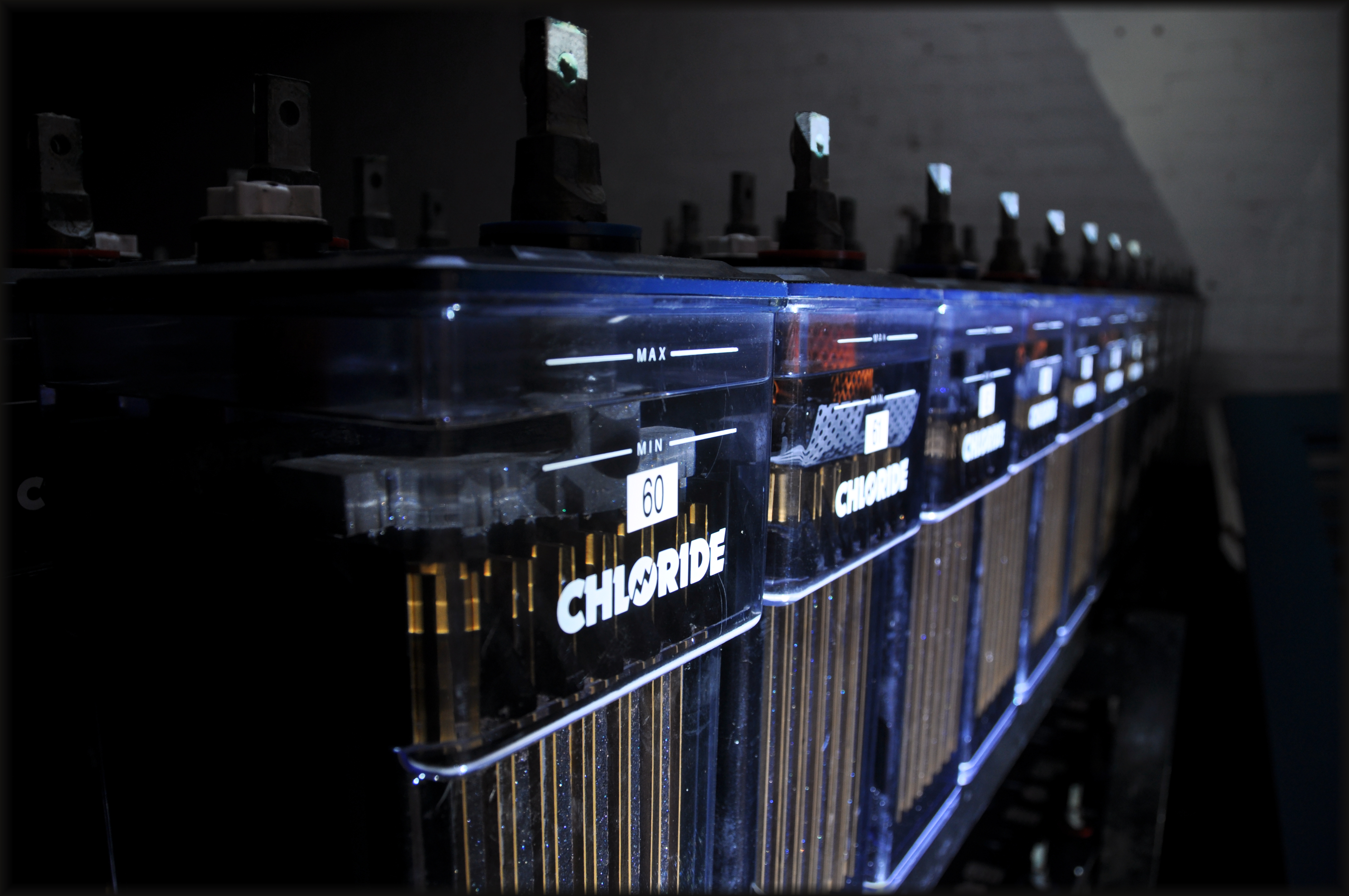
Marc shoulders the guard (god he’s heavy for such a little man!) and sneaks stealthily into the entry point, the Stargate chapel, where his next surprise awaits. He stuffs the guard under the mesh catwalk and walks over to a large circular disk on one end of the room. With a deep breath, he grabs the edge of the Stargate and pulls it open to unleash the Goblinmerchant, a daemon; a vendor of all things fantastic and mystical.

But what’s this? The Goblinmerchant smells humans. Turning his comrade, he can see that Marc has heard them long before now. A group of 4, fumbling their way through. No wonder, with security gone now. The perimeter is being breached. If they make their way to the Stargate, all hell could break loose.

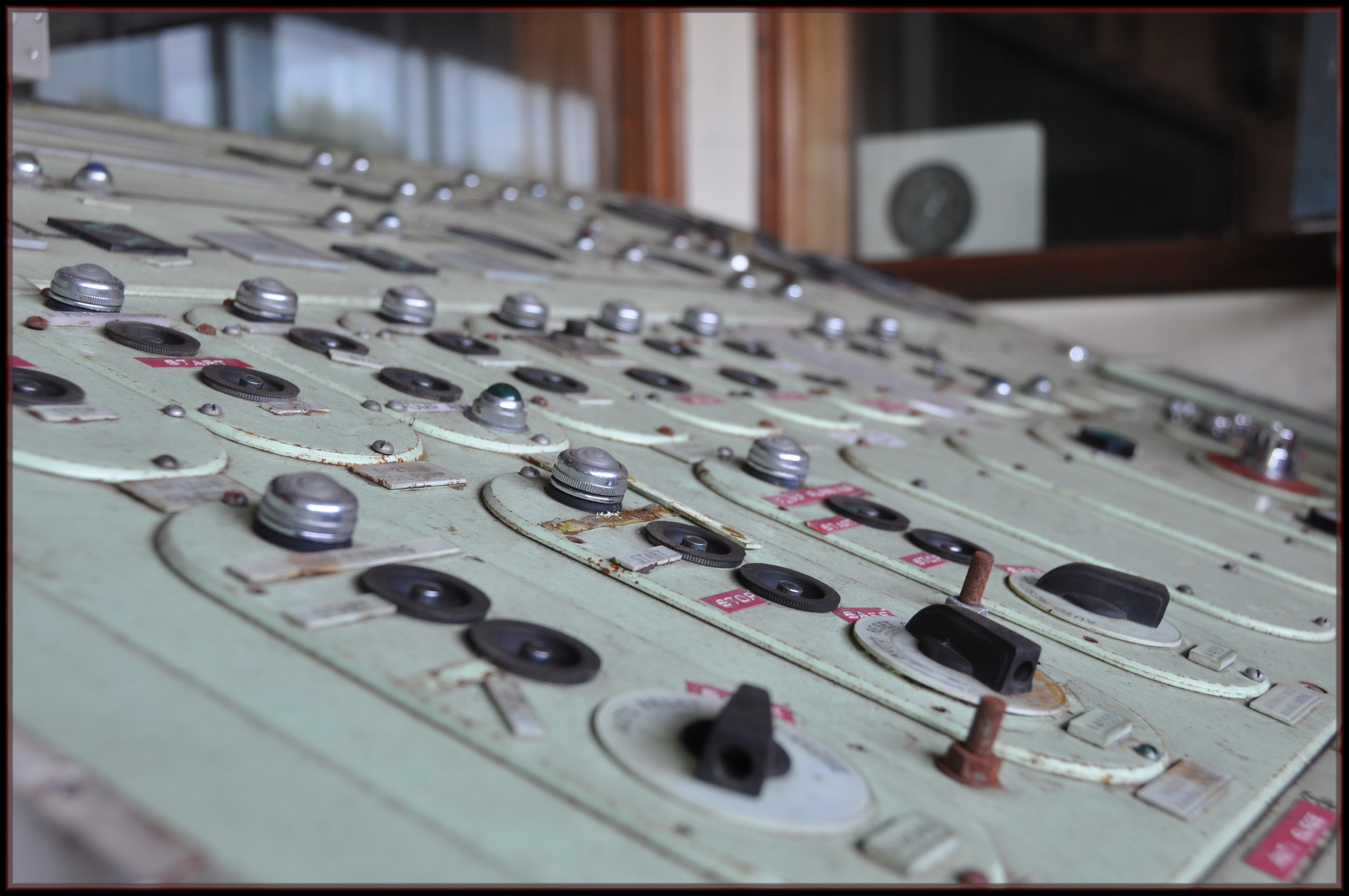
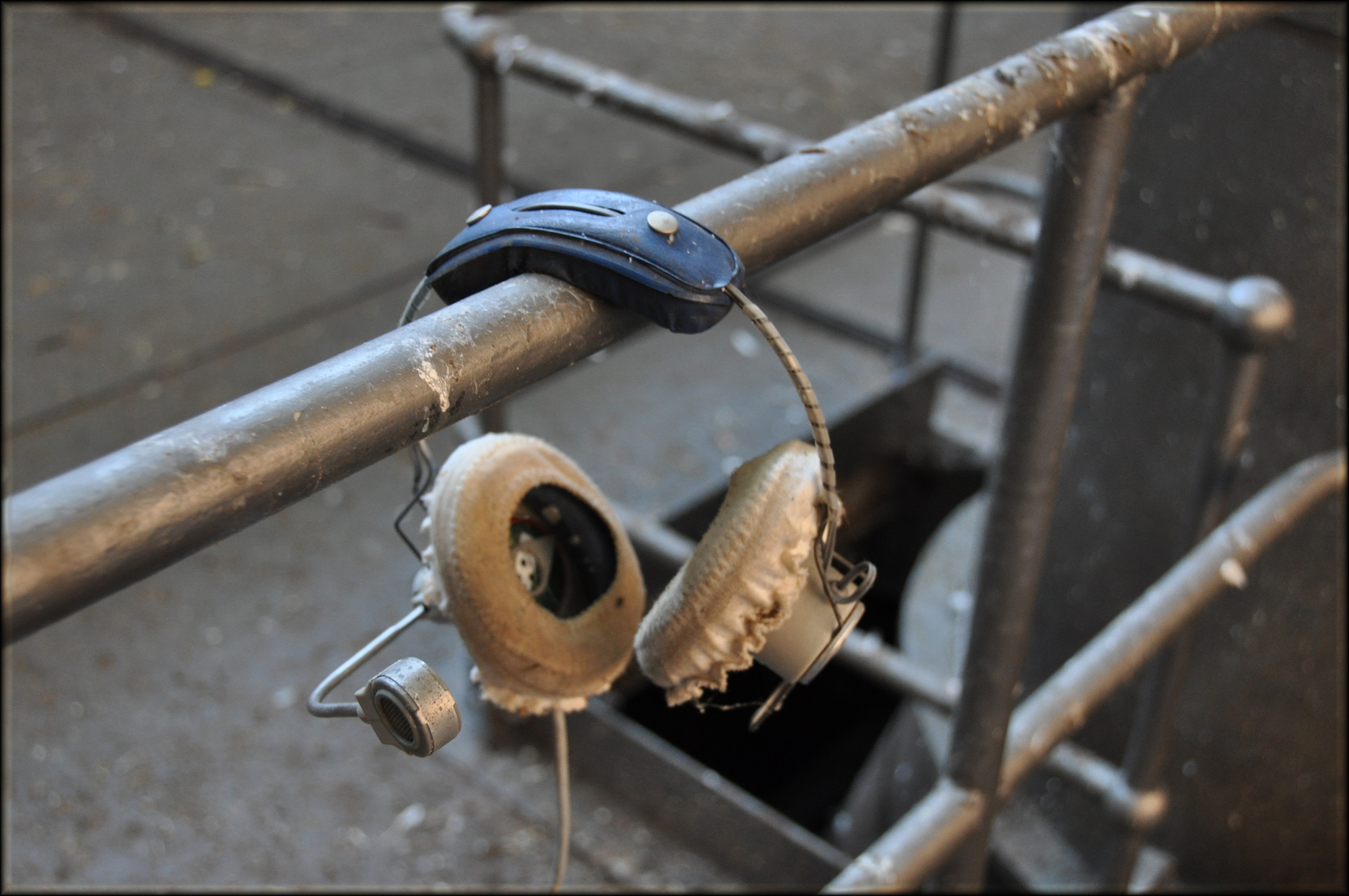
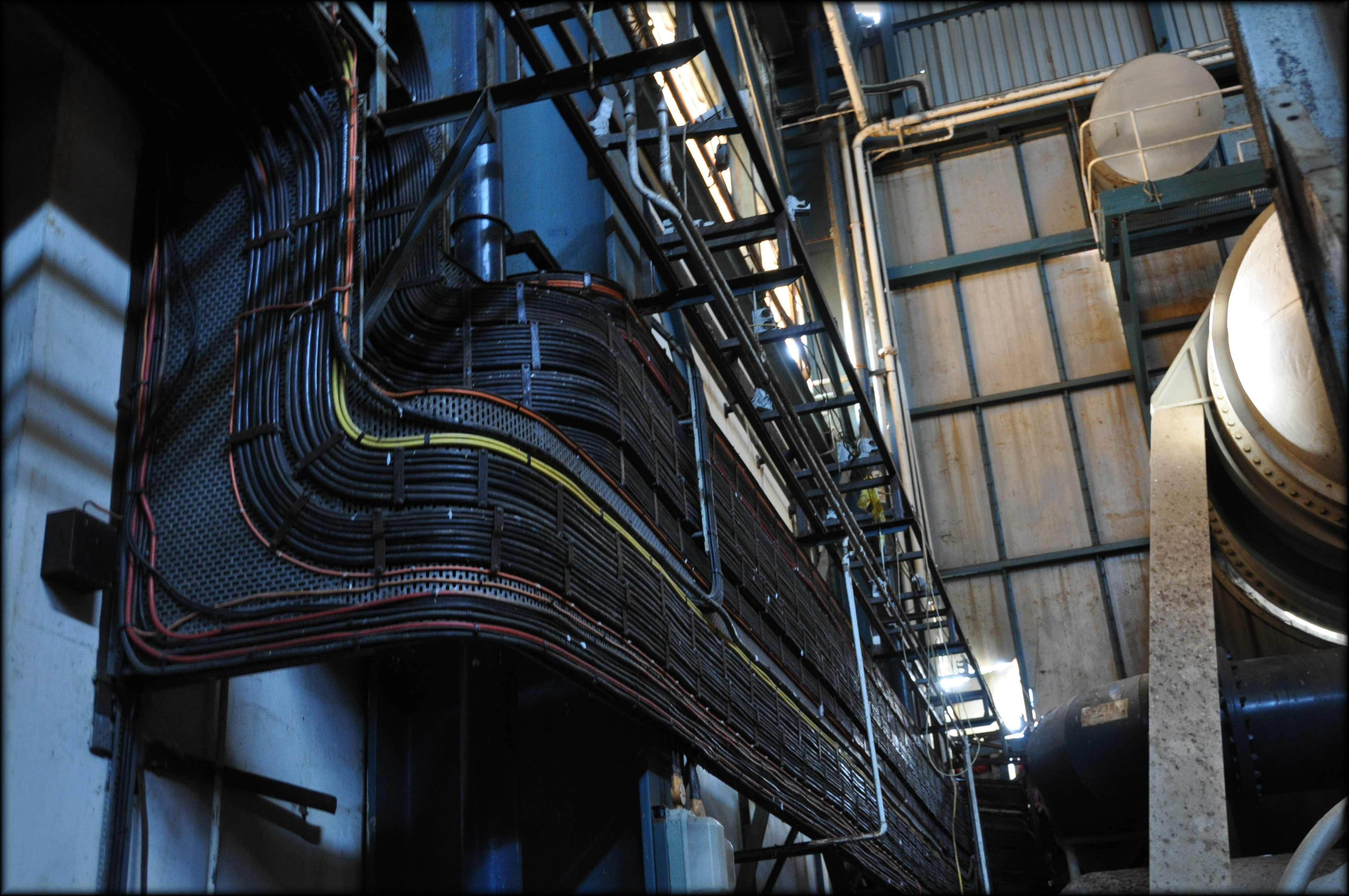
They run off, low to the ground, weighted down by field equipment and supplies pulled from the Stargate, supplied for documentation of the Cata Clan invasion. Through the dangling Cat 5 cables, past the air tunnel control room, up the rusty ladder. Four fellow explorers lie in ambush and a battle almost ensues until we realize they also hold a key to the Stargate.

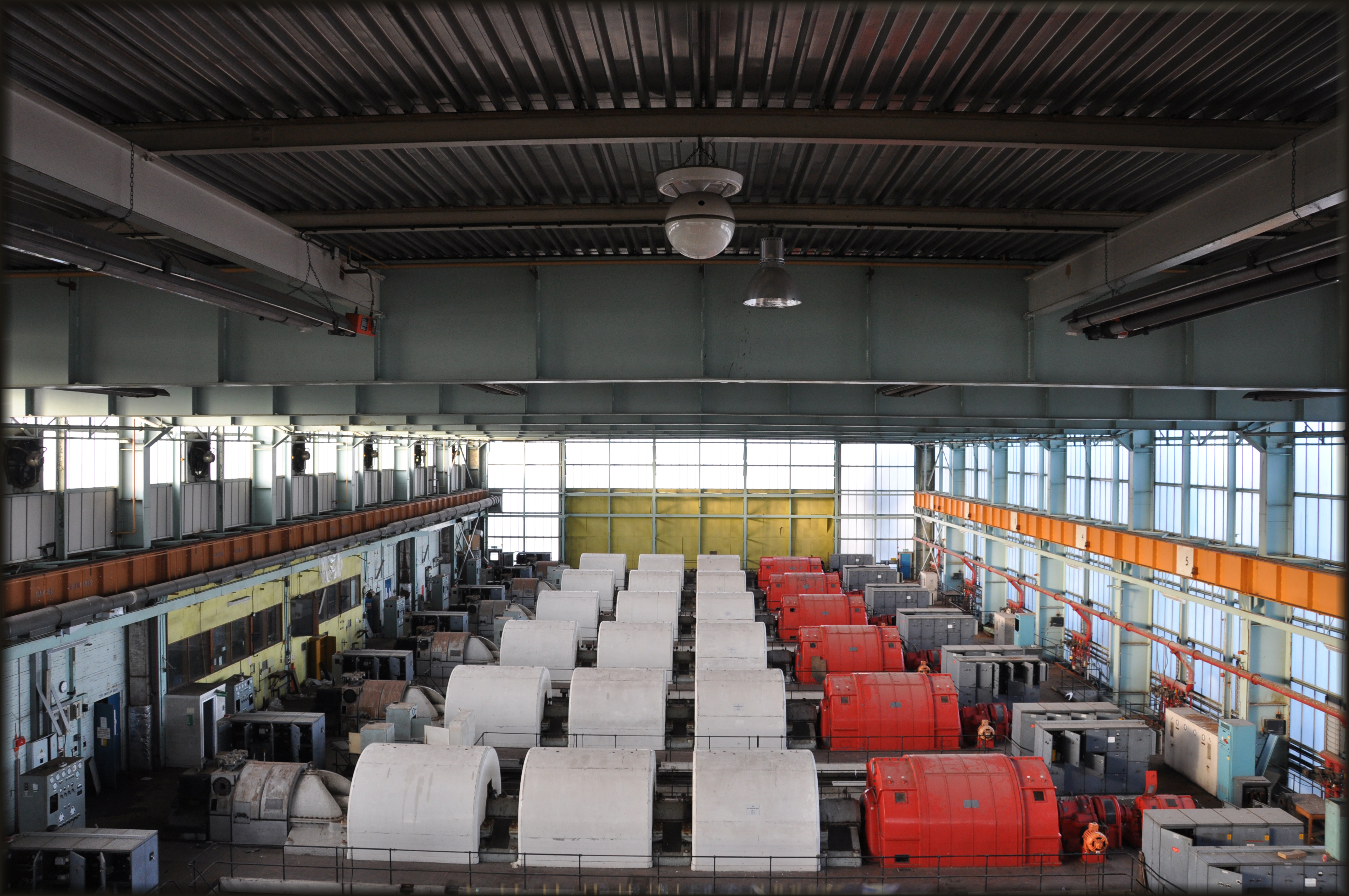
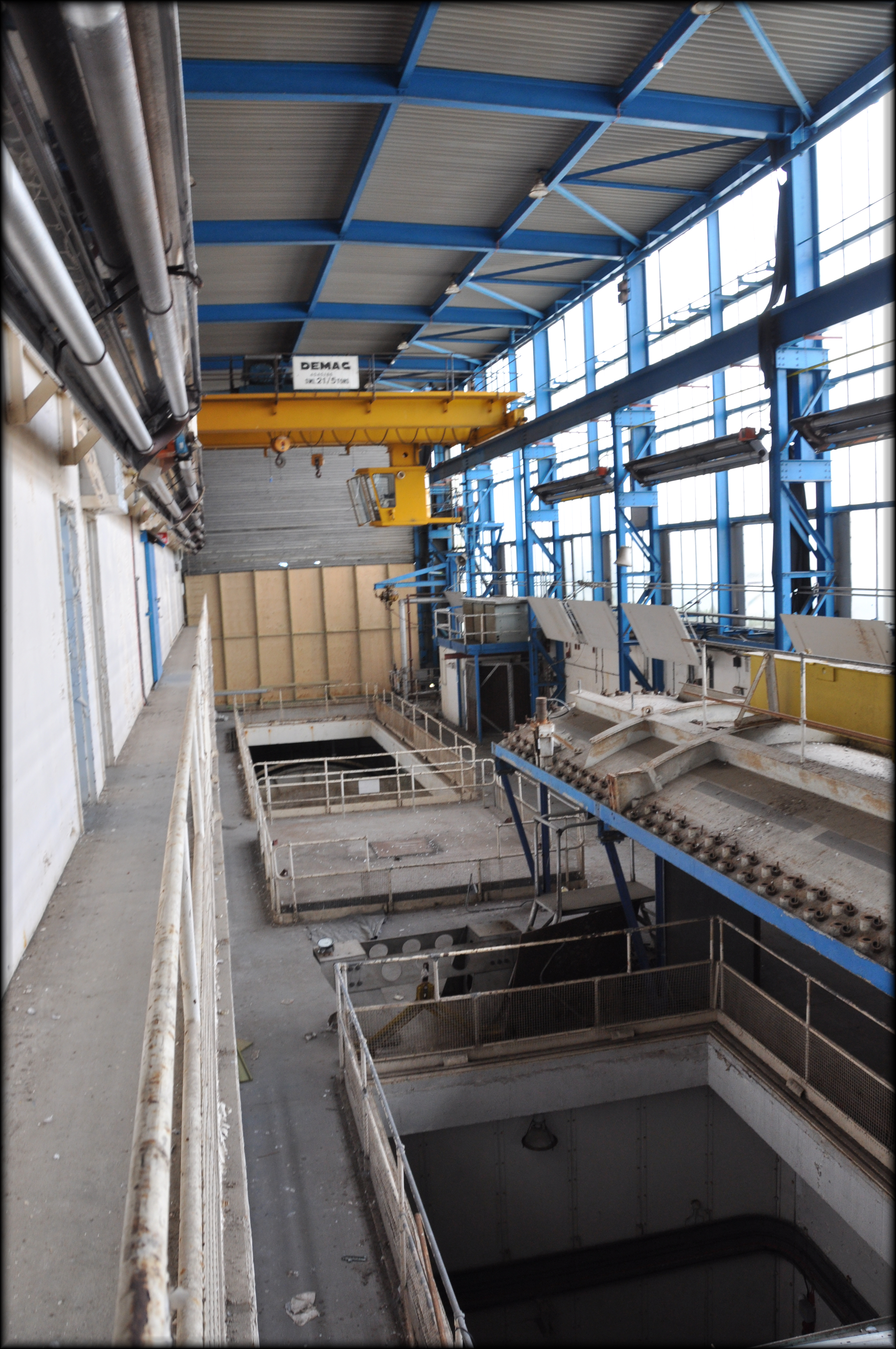
The documentation begins, one room after another, small items and large machines from humanities forgotten industrial past, a legacy of materiality replaced by computer models and office jobs in Slough.

Controlling the minds of workers?

An exploded reactor, lucky we were there to prevent radiation leakage!

Mail delivery system

Heard the seashore in these

Tunnels or cables? Was I in those?

Flying over the site with a temporary upgrade

Don't look down

Dirty row, collected for XP

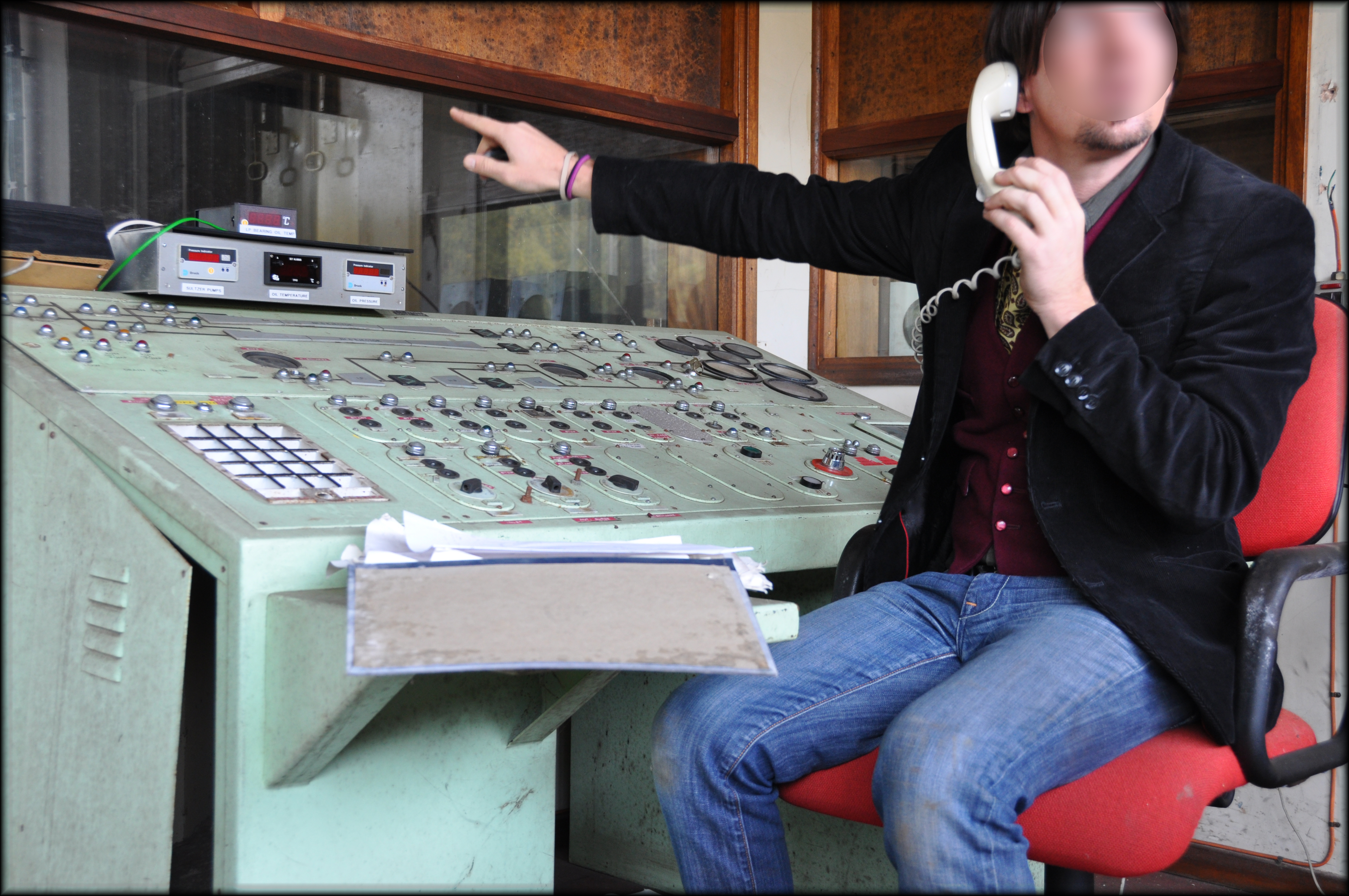
Goblinmerchant calls control to tell them the mission has been accomplished. He is awarded 3 mana potions and 5000XP points.

Phone home

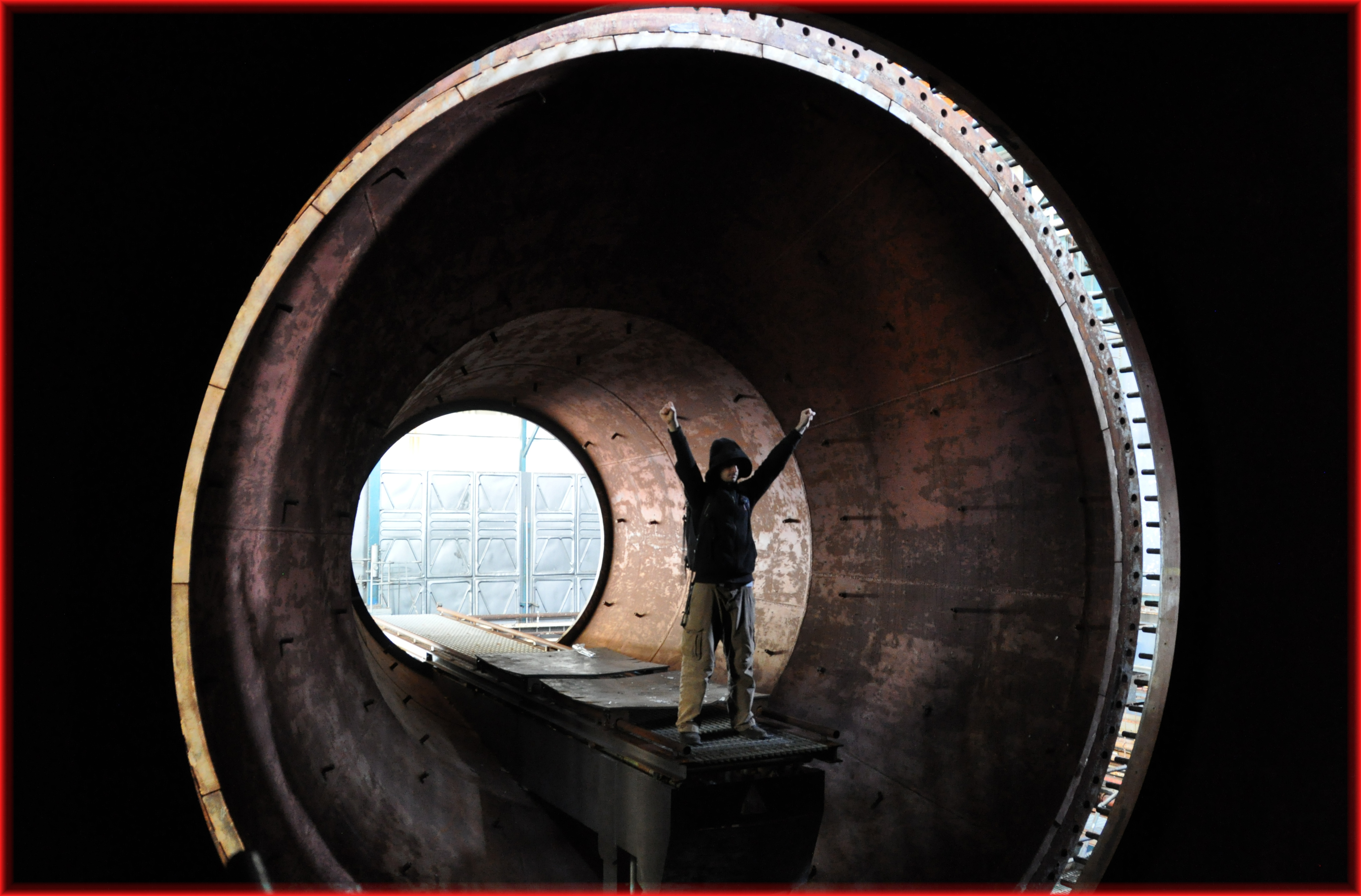
Documentation complete, Marc enters the energy capacitor, a small proton particle subfield generator, and Goblinmerchant flips the switch, firing him back to Subterranean Paris.

Impossible

Share
Tags : , , , , , , , , , , , , , , , , , , , , , , , , , , , | 3 comments

Psychogeography

Posted by Bradley L. Garrett on Monday Oct 19, 2009 Under Anthropology, Cultural Geography, Film, Psychogeography, Urban Exploration

I was recently contacted by Emma James, a researcher at Newcastle University studying the recent re-emergence of psychogeography. The following is a short interview I did with her.
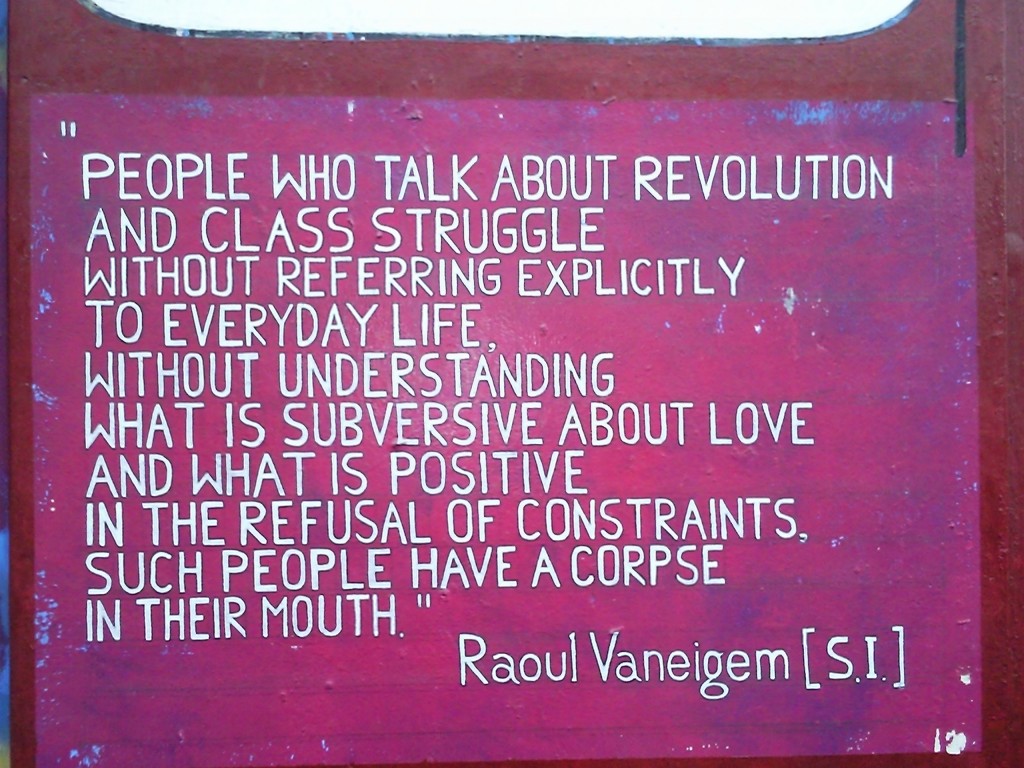
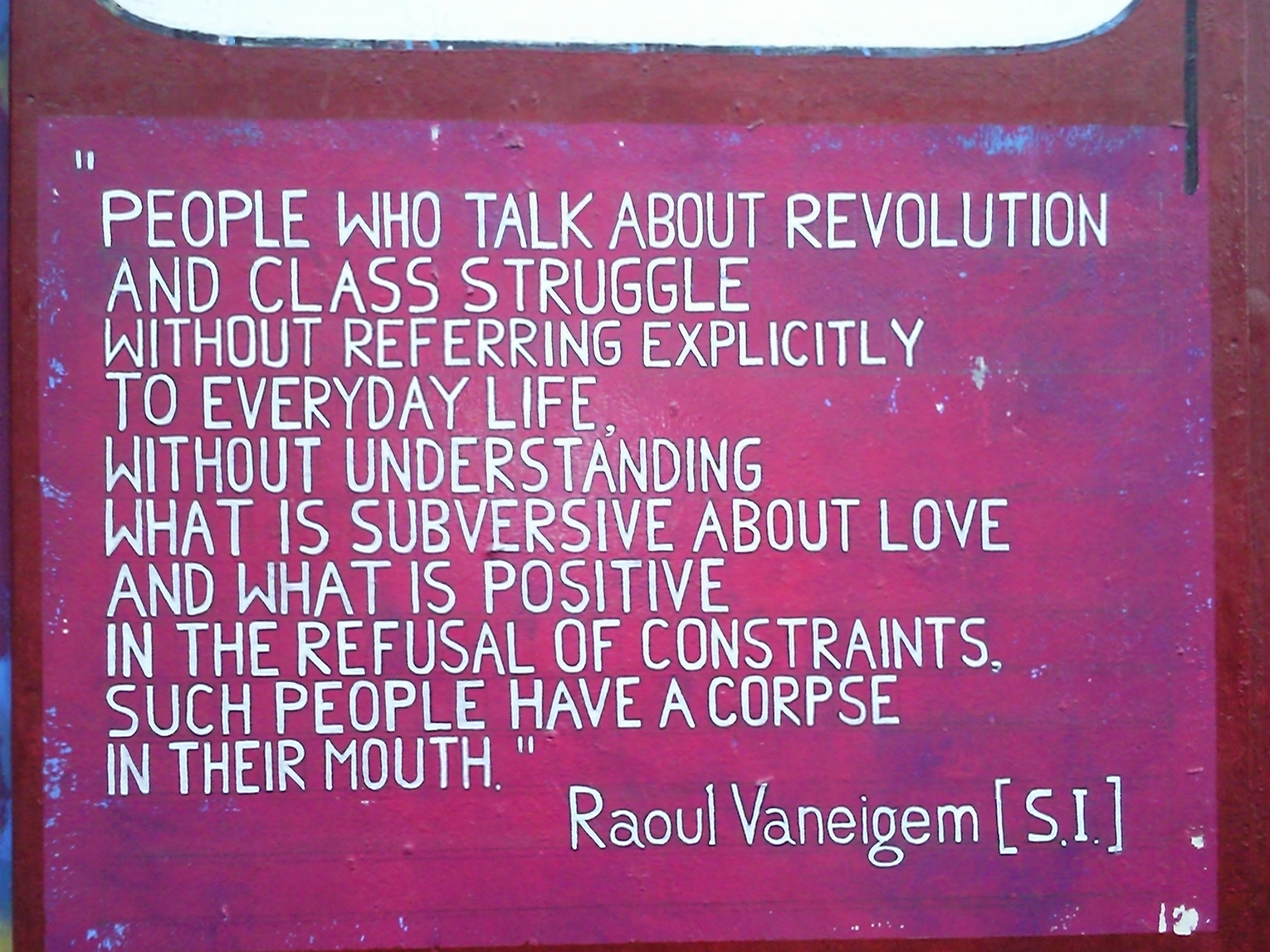
SI graffiti in Amsterdam

_________________________________________________________________________________

Emma James: How / where did you first hear about the concept ‘psychogeography’?

Bradley L. Garrett – The first time I heard the term psychogeography was on the cover of a book by Merlin Coverley in the London Review Bookshop, I think I read half of it standing in the store! It was a good introduction and branched me into the work of academics working with the concept like David Pinder and Alastair Bonnett, then deeper into the Lettrist Movement, Raoul Vaneigem, Guy Debord and ‘work’ of the Situationist International (SI).

E.J. – In various articles I have read, people have observed that there has been a recent re-emergence of psychogeography in the last decade.  From your research have you found this to be true?

B.L.G. – I absolutely see a renewed interest in psychogeography. There are numerous clubs on the internet devoted to the practice and the mass-market work of Ian Sinclair and Patrick Keiller in particular really make me feel like psychogeography has ‘gone mainstream’. A quick youtube search of the term reveals that many people are using psychogeographic techniques to navigate city space in new and interesting ways all the time, such as walking the city using algorithms, applying random models to a (supposedly) fixed template, replacing one arbitrary motivation (I am walking to work) with another one (I am walking 4 streets North, 2 streets East and 1 street North until I can’t walk anymore).

E.J. – ‘Who’ do you understand to be modern practicing psychogeographers (e.g. artists, geographers, everyday civilians’ etc)?

B.L.G. – I see geographers are the preeminent drivers behind the modern psychogeographic movement, primarily because their inspiration has come from reading the work of the situationists who pioneered the concept, the problem is that a lot of them write about it without ever practising it, which I see as a failing. But there popular writers such as Ian Sinclair and Will Self who are quite aware of the lineage and practice the techniques also produce work is much more widely read, so they might be considered the primary ‘practitioners’. But, of course, we also find a lot of artists, counter-cartographers and people on the street using these techniques, even if they are not (wholly) aware of the theory behind the practice.

The other thing I find interesting is that this ‘new’ psychogeographic movement appears to be centred primarily in Britain (and especially London), which implies to me that it may be reactionary – perhaps due to the increase in government control and surveillance that has taken place over the last 10 years, making people feel a greater need to defy order, even in small ways such as walking across a piece of grass signposted not to or speaking through a bullhorn for a day. The time and space in which this resurgence is taking place sure feels a lot to me (from my readings) like the governmental regulations and reactions that led to the founding of the SI, and ultimately to the French Wildcat revolts of 1968.

So I would say that although psychogeographers tend to invoke small actions, it would behove both academics and governments to pay attention, as these small resistances may be an indication of a larger social consciousness of boredom, restlessness or downright anger. People using psychogeographic practices are just one of the groups who dare to push back a little sooner than others.

E.J. – I understand that you are studying ‘urban explorers’.  How would you view them in relation to psychogeography (e.g. as a branch of psychogeographers?  Or just another term to use for practicing psychogeographers?)

B.L.G. – In my discussions with urban explorers, most would not want to be labelled as psychogeographers, though there are some clear similarities in their practices; both are instances of what I might call mobilities of transgression or, maybe more specifically, place hacking. Both psychogeographers and urban explorers seek to redefine and/or experience space and place on their own terms, regardless of pre-existing rules, social templates or cultural norms.

E.J. – As part of my dissertation question, I am interested in people’s motivations behind practicing psychogeography.  According to various writers there are a few different ideas, e.g. political motivations/an interest to connect with the past/as a sort of rebellion against modern consumerism e.t.c.  From your research and interaction with urban explorers, what have you found their motivations behind practicing it to be?

B.L.G. – I think that most people would find that they have a range of motivations behind anything they do that requires some effort, there is rarely just one driving force behind action, especially when that action is activistic, dangerous or trangressive. There is an investment/reward ratio at work where you think to yourself “okay, yes, I could climb that crane and get some photographs, but is the experience, or the photograph I bring home, worth the possibility of arrest?”

Most urban explorers would I think contend that they are interested in the historic background these places, though one person did tell me that they “could give a shit about the history, I just like to explore.” I have heard the suggestion that urban exploration is about bearing witness to the failure of capitalism, especially in seeing sites such as industrial ruins folding back into the landscape after their abandonment. I don’t think this is true at all. To be honest, most urban explorers are in these places to get photographs that most people do not have; to see something that no one else has seen. So it is both the experience and the production/acquisition (which is of course part of the capitalist system they are supposedly subverting) that becomes the motivation.

I would say that people who define themselves as psychogeographers are much more likely to have political motivations than people who define themselves as urban explorers, though the practices are intertwined.

E.J. – As a geographer, I have noticed that there is very little writing on psychogeography within the discipline, though I have come across a few lecturers who have tried to introduce it within the course.  Would you say that there is a valid place for psychogeography within the discipline of geography, and should it perhaps be promoted/expanded?

B.L.G. – I think that geography has a lot to learn from psychogeography, both in terms of its historical roots and trajectory and in terms of modern practice. It certainly seems like there is some resistance to the concept, great publications like Alistair Bonnett’s journal Transgressions came and went, snuffed out, I think by academia’s inability to challenge theory with practice, or maybe more fairly, academia’s inability to ground theory in practice. A similar stigma exists against participatory geographies, I think, for the same reason – essentially many academics are afraid of becoming activists, afraid of getting their hands dirty, afraid of testing an armchair theories, afraid of failure. I believe, as I think many psychogeographers would, that we should celebrate failure. We would like to think that academia is a haven for free thinking, but the Ivory Tower also has its social and cultural models.

E.J. – What is your opinion on the argument that psychogeography could be applied as a new way of re-writing and representing the city (e.g. the idea of psychogeography maps alongside ‘mainstream’ mapping)?

B.L.G. – I think that this is a wonderful idea, the thing is that psychogeography, and psychogeographers, tend to not want to be boxed in. This poses difficulties when, for instance, writing grant proposals for projects. If you were to suggest to a funding body that you were going to spend a year following the ‘densest’ flows of people off of the London Tube to try and psychogeographically map nodes of interest at different times of day in the city (as I have done for fun!) you would find this funding body likely feeling that the research has no ‘research question’ or ‘direction’. The fact of the matter is that it does have a direction, it’s just that you have taken that power of direction out of the hands of the ‘elite’ academic and put it into the hands of the anonymous city dweller. I think that there is something profound in that. That is where, I would argue, the real solid tendrils of politic challenge come from in psychogeography, not from the esoteric writing style or wandering corporeal experiences, but from having the openness to resist being the one who defines what those experiences should be.

Just as psychogeographers work to subvert political, social and cultural templates, they also, I think, would be reluctant to create those templates, making playing the dual role of being both an academic and a practising psychogeographer a rare one.  Would we benefit from melding those illusory dichotomous positions? Absolutely.
Share
Tags : , , , , , , , , , , , , , , | 1 comment

It’s only been two days since I have returned from Belgium and I am already fiending for my next explore. I know it’s just around the corner, I have a few invites to go places this weekend, but in the meantime, I am stuck here behind my computer writing grant applications and trying to catch up on my field notes, taking short breaks to look at pictures like this one:

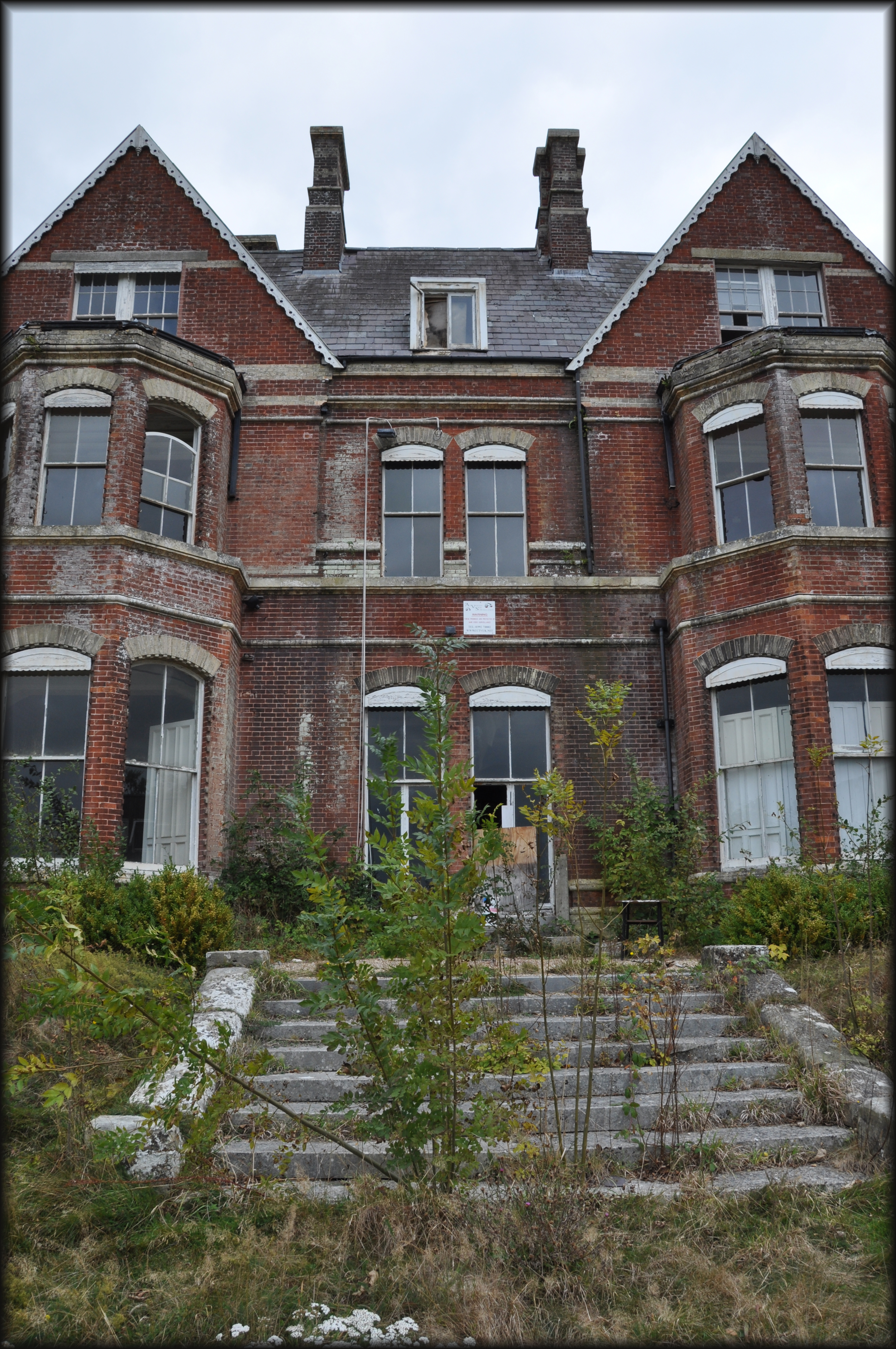
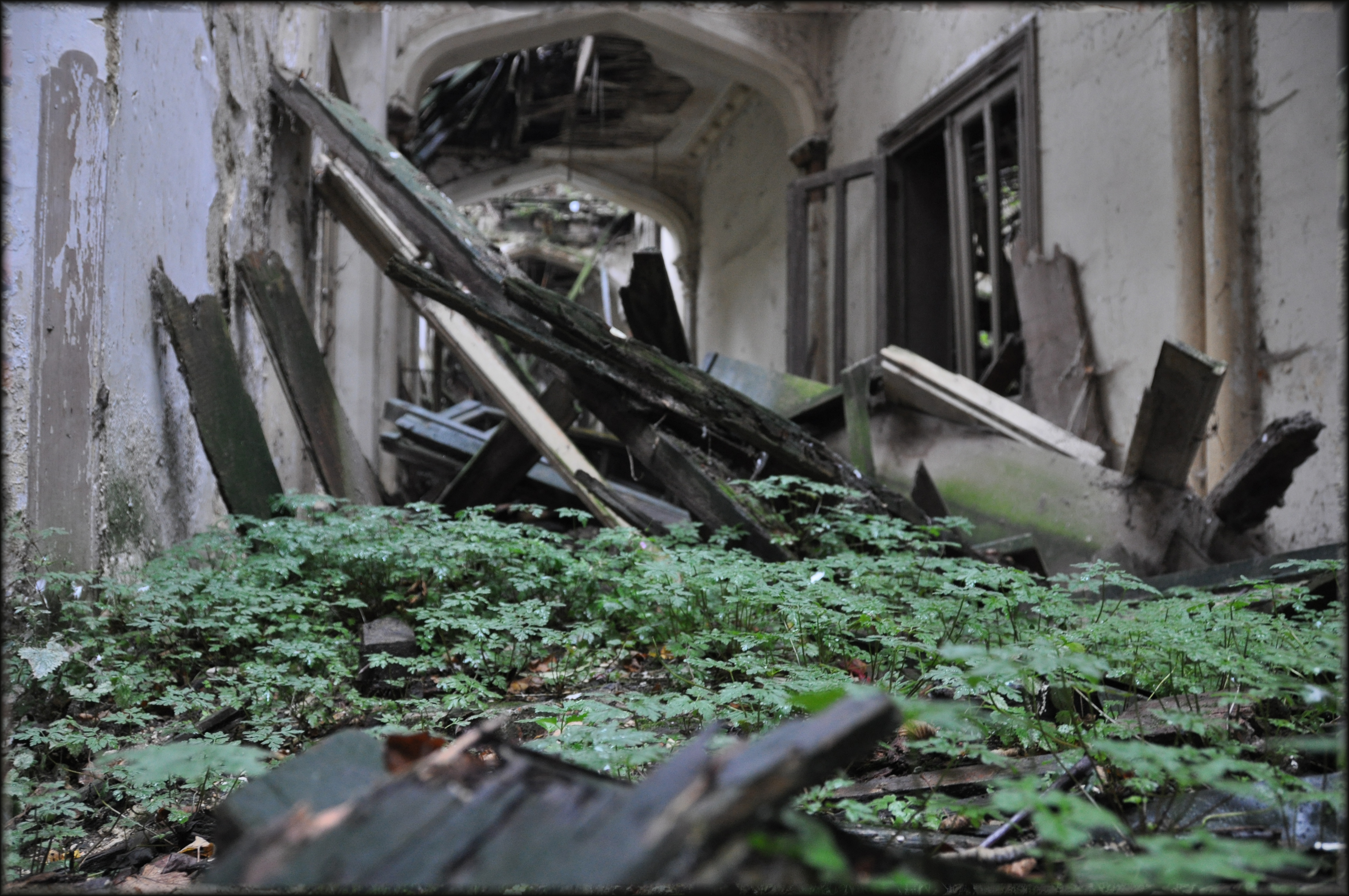
Somebody's house, nobody's home

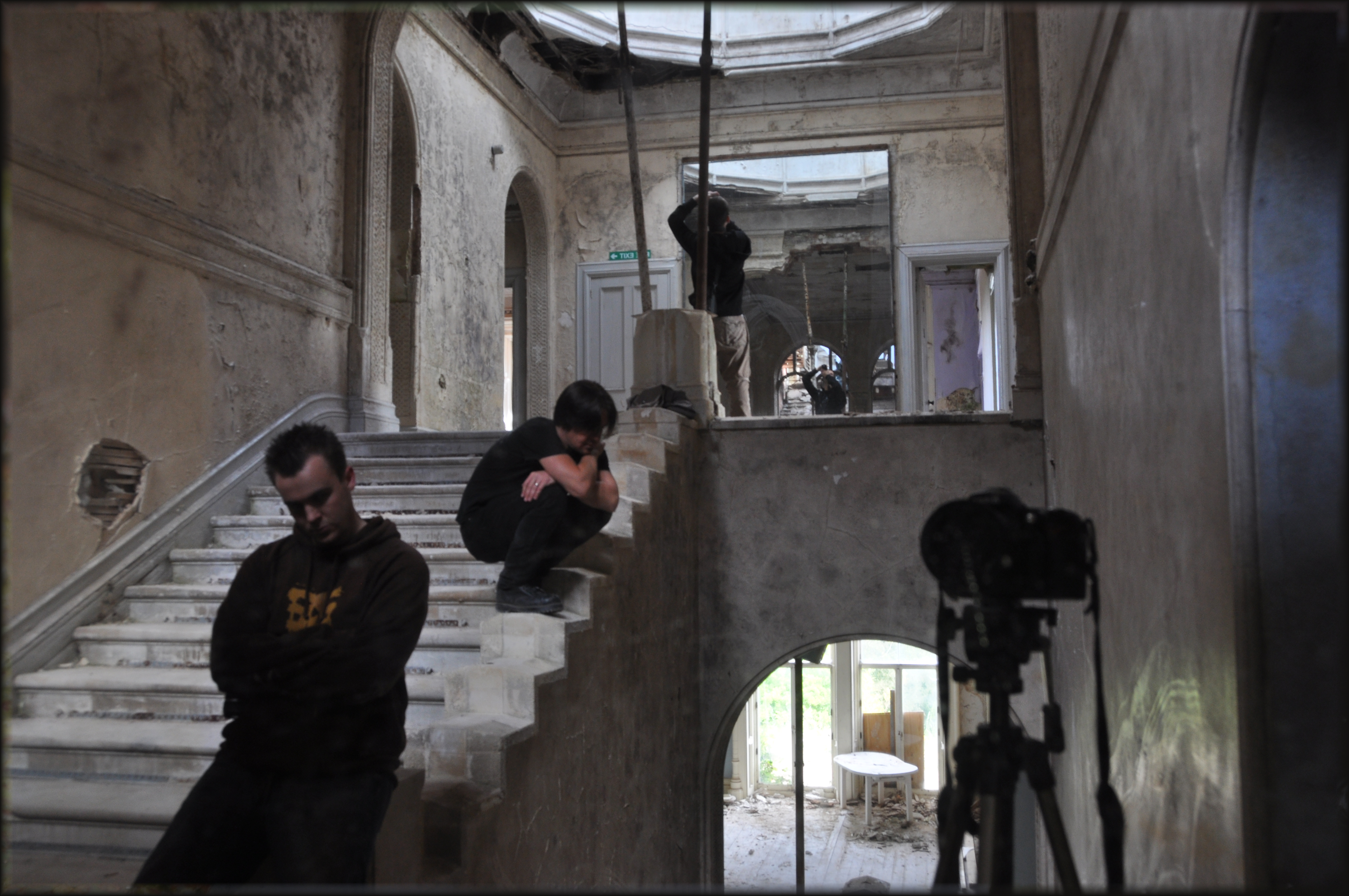
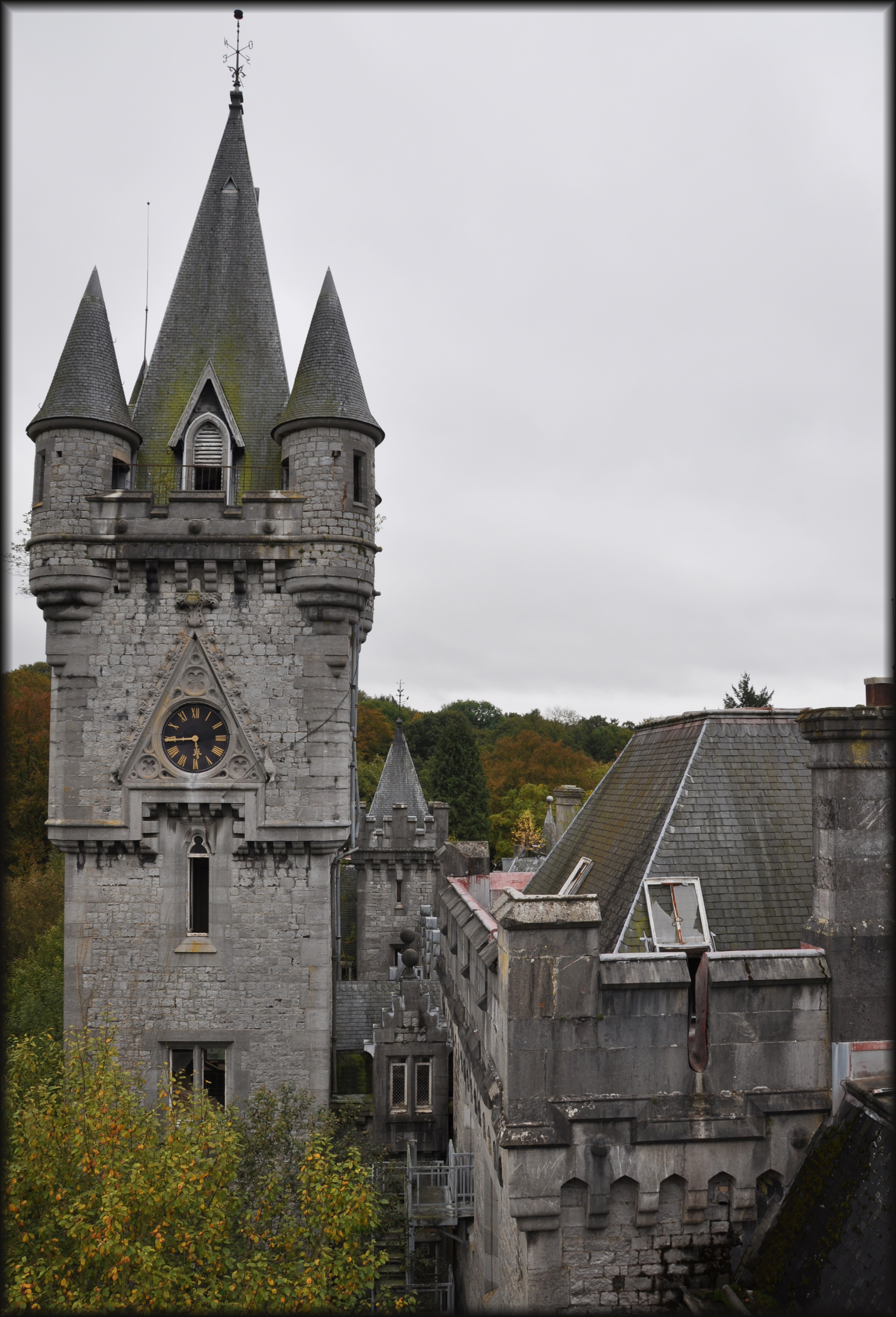
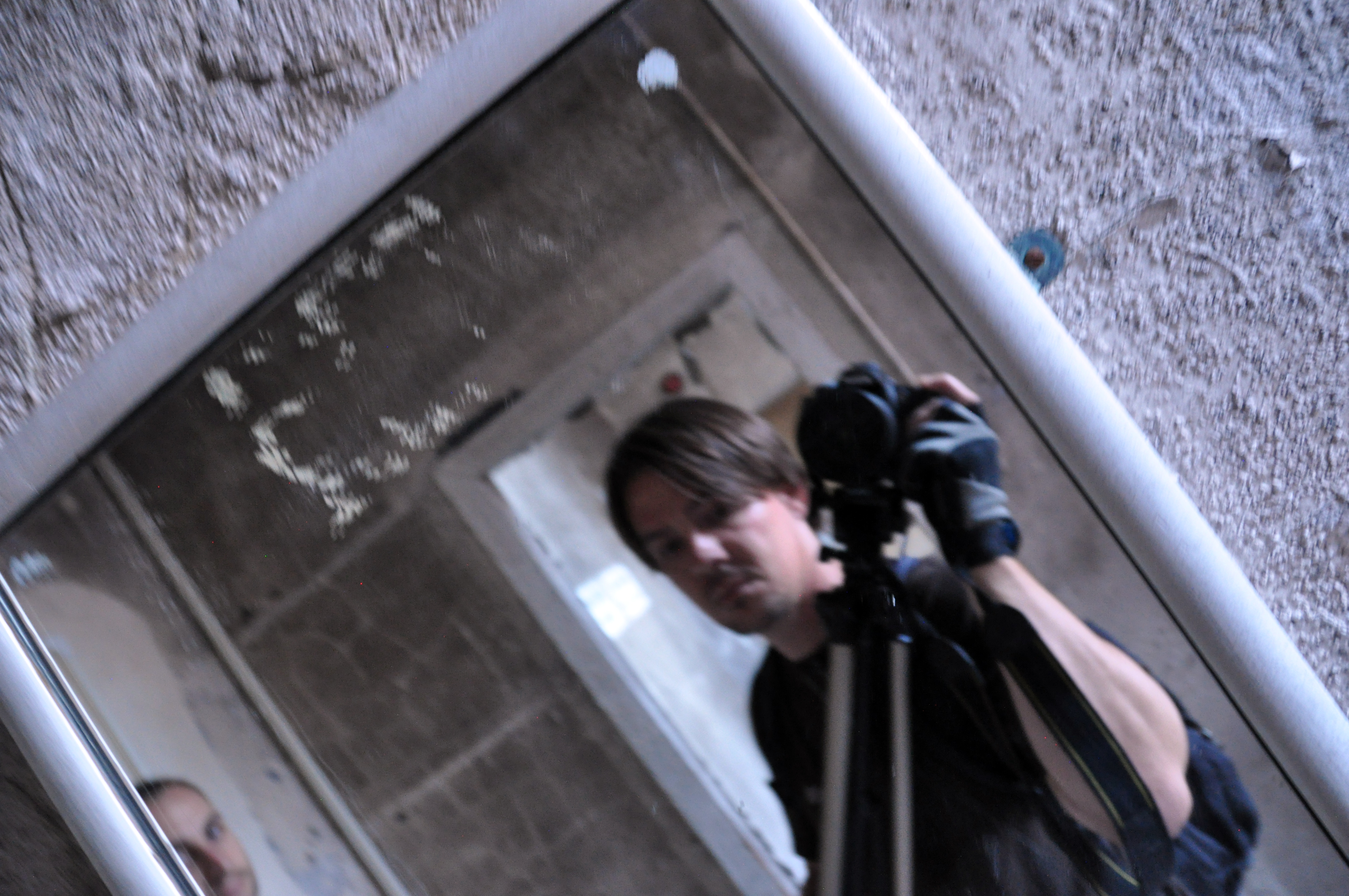
This was a stately home that Vanishing Days took me and Marc to a few weeks ago where we all shared some angsty moments in a beautiful hallway with a spiral staircase, a dome-shaped skylight and some very large mirrors.

Space Invaders

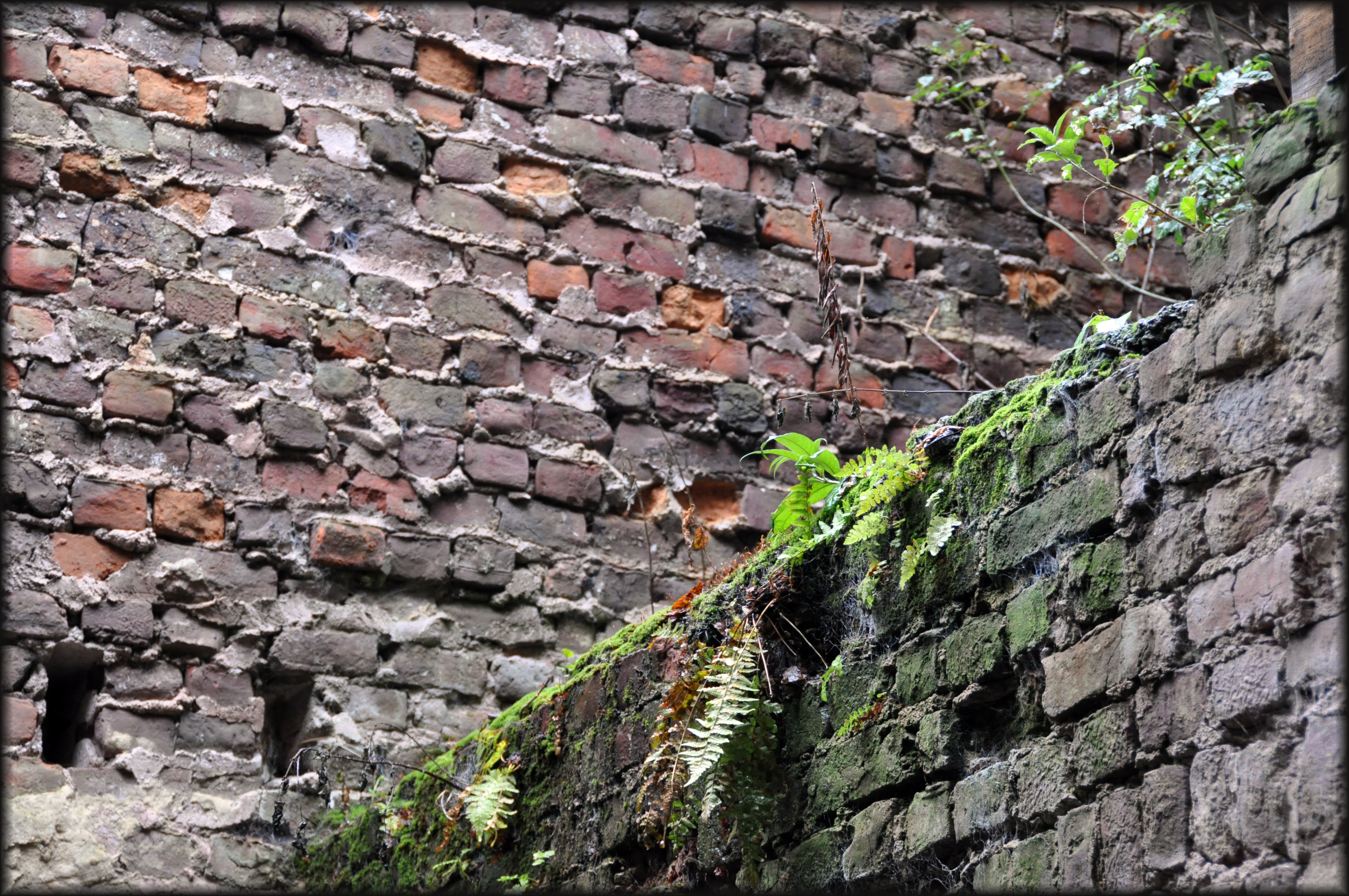
The thing about this house, and the reason, I think, why I keep going back to look at the photo, is that it was clearly not abandoned very long ago (I heard 1998 – so maybe 11 years). Generally, I find that the more recently a place was abandoned, the more interesting it it to explore, because it has some sort of presence. You can feel who was there. At times, you can feel their grief and loss. Sometimes, it seems even more visible, some small piece of crumbling failure, a left behind artefact or scrawled note. Maybe it is the line between UrbEx and Infiltration and my need to get closer to that line is becoming greater as I have to feed that addiction.

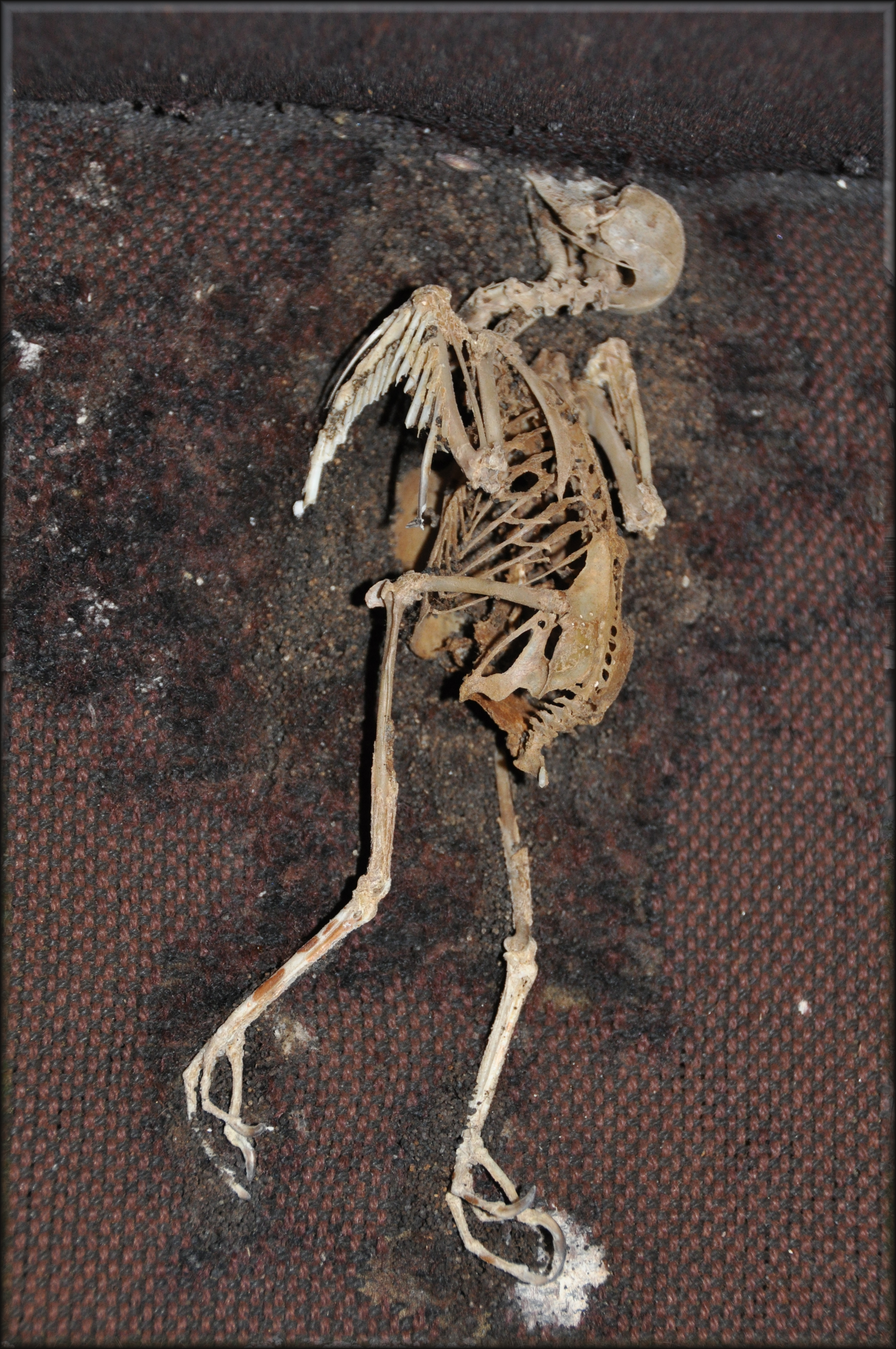
Forgotten pet

Vanishing Days, Marc and I saw this bird trapped between door frames and shutters, to panicked to get out, not intelligent enough not to get in in the first place. We saved it, but quickly realized that there were piles of dead ones behind the windows. We were forced to accept that this was their fate, just like the house, now no one’s home, which would die a slow death. But for a day, the house was enjoyed, playful desires were realized, new shoots of life were located, and space became place. As I stare at the picture of this beautiful abode, I like to think that it appreciated our visit.

Spun

Silk

Share
Tags : , , , , , , , , , , , , , , , , | 3 comments

Urban Camping in Belgium

Posted by Bradley L. Garrett on Monday Oct 12, 2009 Under Anthropology, Archaeology, Cultural Geography, Film, Urban Exploration, Visual Ethnography

Hidden Monuments

The time? About 11pm. The place? In the parking lot of a Carrefour supermarket somewhere near Liege, Belgium. It’s a weird place to begin the story of my recent road trip with Winchester, Statler, Tigger, Rivermonkey and Furtle but the urge to do so was prompted by something Winchester said.

As we were unpacking/repacking the vehicles for what seemed like the 20th time in a day, pulling out bags of clothes, sleeping gear, food, a pith helmet, Mary Poppins DVDs and a stuffed squawking bird, preparing for our second night sleeping in an abandoned place, Winch says ‘this is like urban camping.’

I have to agree. I have only had one such experience, a few months ago when I slept in the Paris catacombs with Marc and Hydra, but I have come to conclude, as did Winch, that this sort of camping (primarily prompted by the fact that we are all poor as dirt) surely puts ‘wilderness’ camping in a new light. I later asked the group what they thought camping in a place ‘added’ to the explore and although everyone had different ideas about this, everyone agreed that it definitely changed the nature of the explore, heightened it to some extent.

Camping with ghosts

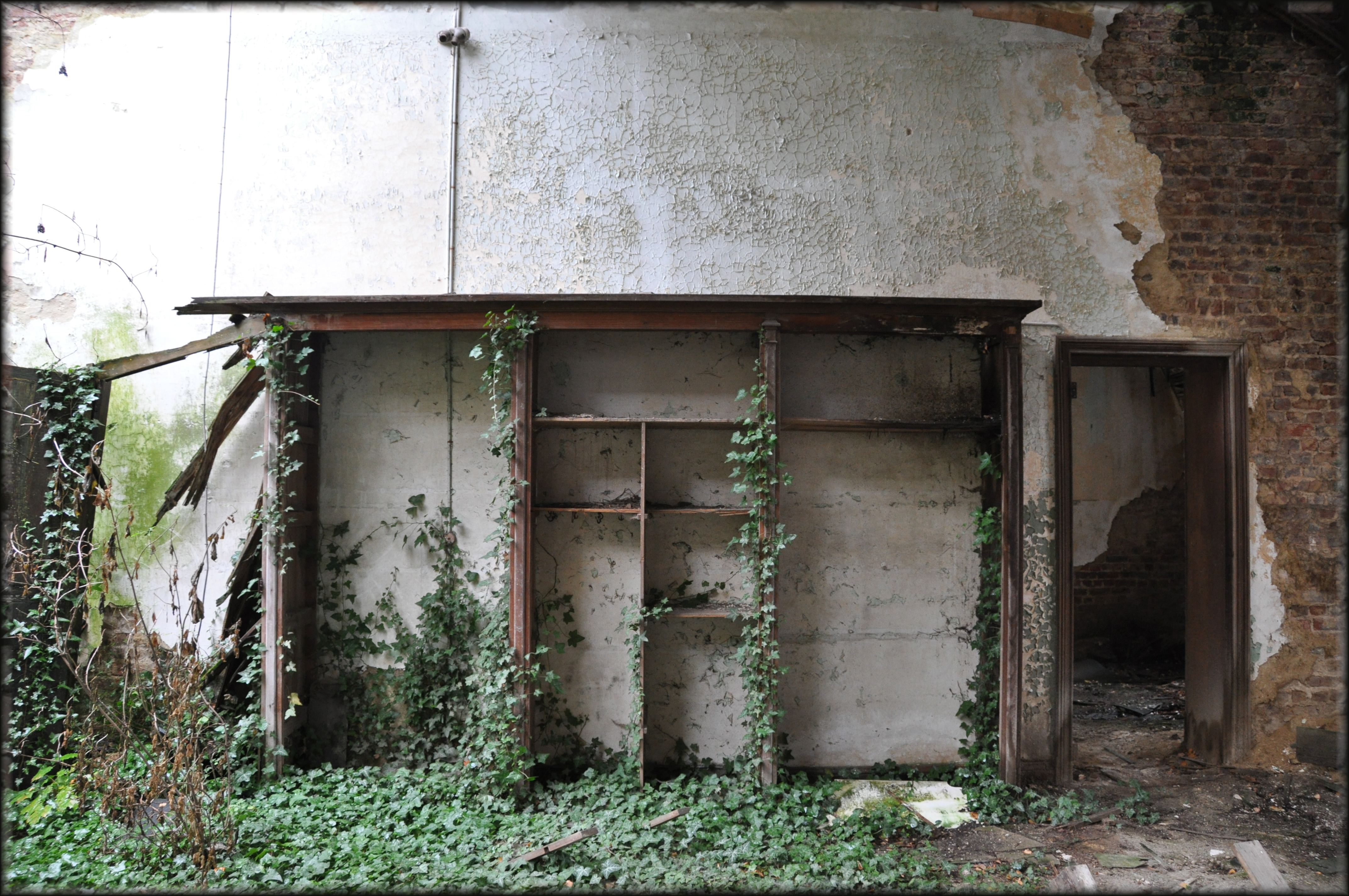
A recently received a new book called Interior Wilderness, a nice little collection of photographs from a guy called Ed Roppo (rustyjaw). On the back of the book, Ed writes that “abandoned buildings are a kind of wilderness turned inside-out. He also notes that “the most beautiful sites in abandonments are the result of natural processes left to operate on man-made materials”.

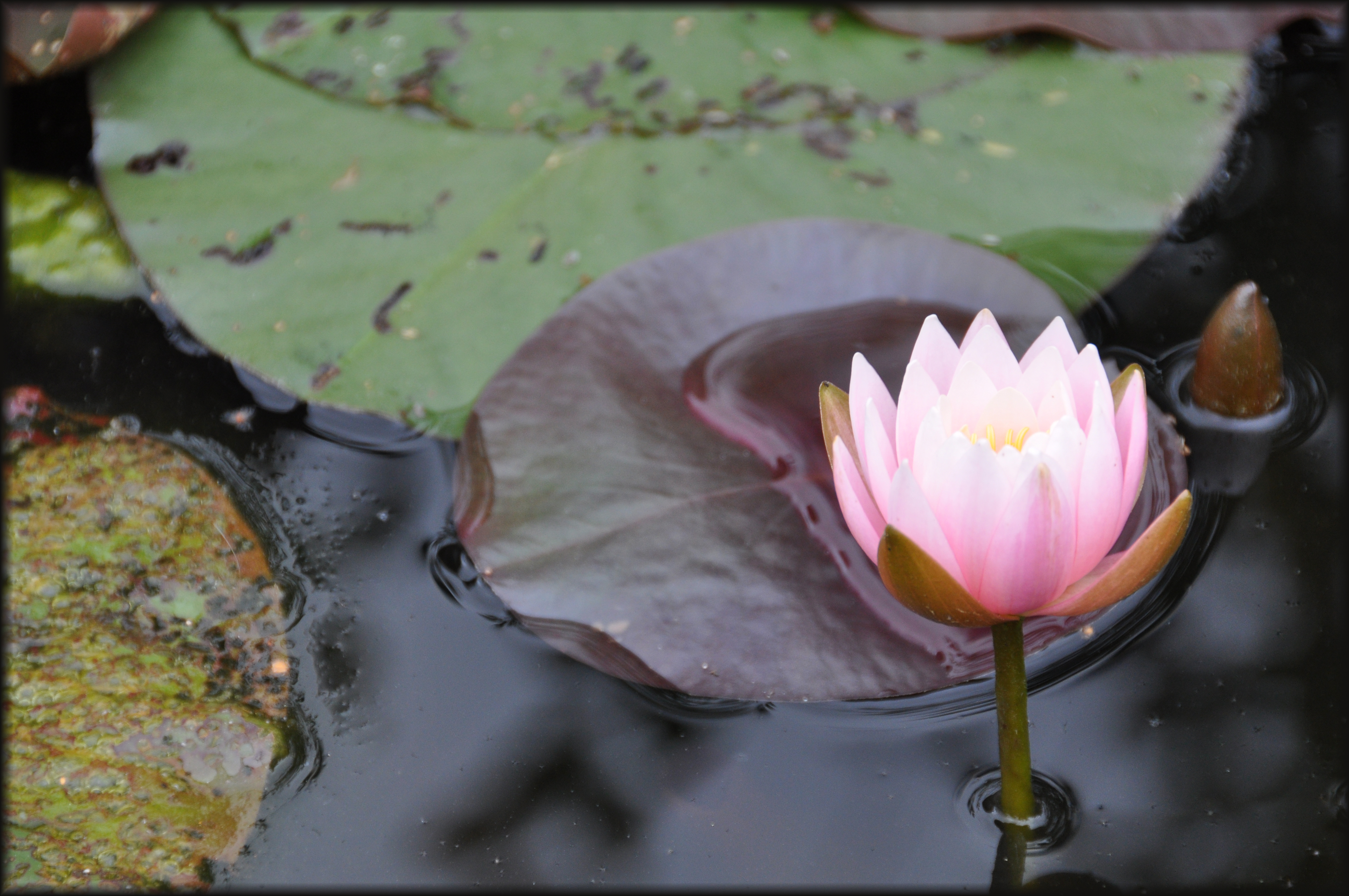
I wonder if part of our fascination as urbanites living in areas where nature in sometimes not readily accessible is that we can feel it in ruins. It humbles us, it reminds us of our place in the world, it reminds us that Mother Nature can take back what she has given at any time. Any small vine can collapse a concrete wall within years, sometime months, and in a few hundred, or a few thousand, as Alan Weisman so poignantly points out in his book The World Without Us, the great remnants of human civilization would be buried in the matrix of memory, almost invisible to the world, useful to the plants and animal left behind in ways we can never imagine.

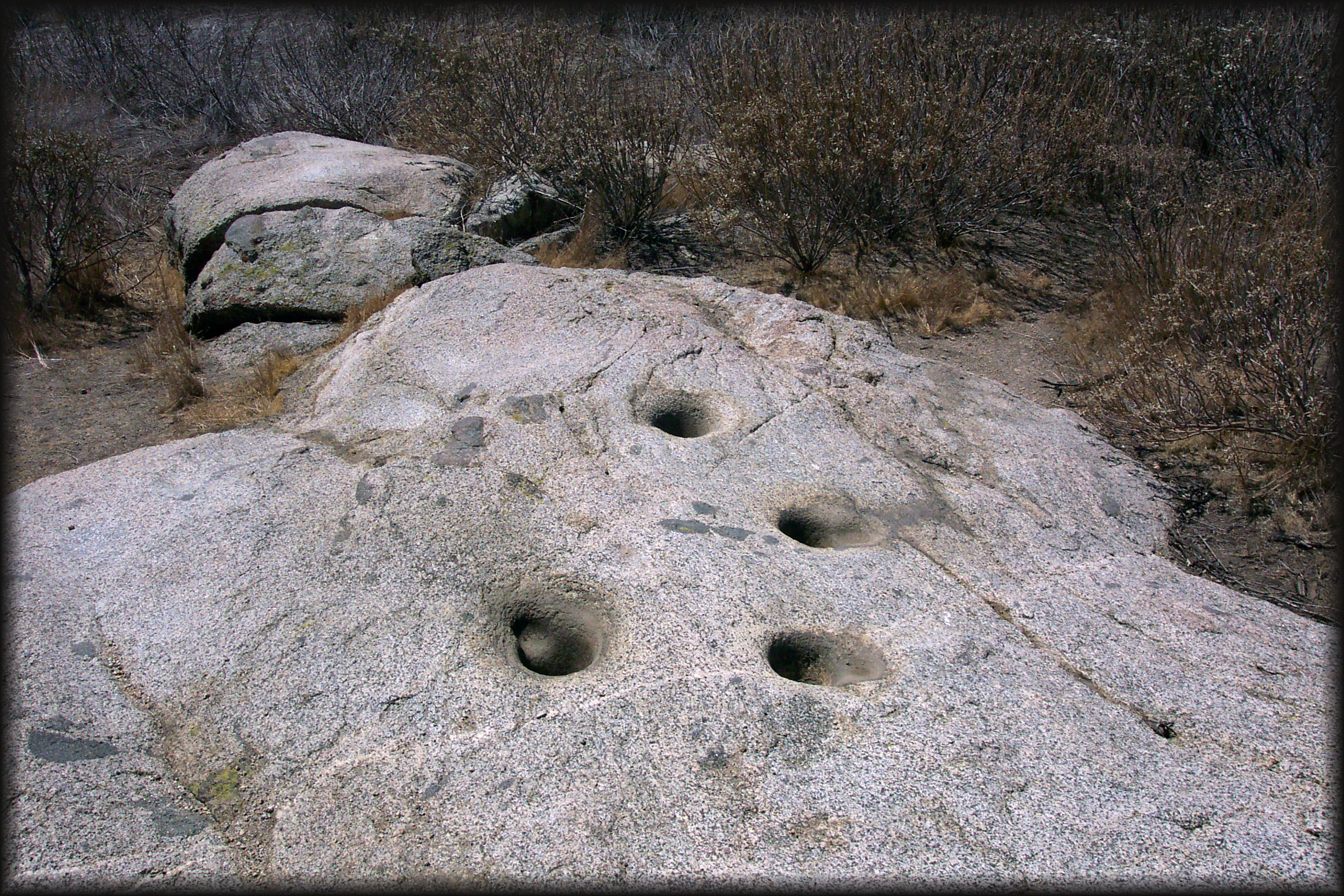
I once saw a deer drinking from a mortar hole in a large rock in Lake Elsinore, California.

Older stuff

I thought of the Luiseno Indian who sat there for years grinding out that hole with a pestle and wondered if they were ever curious about the possibility that this grinding slap might one day becoming a drinking hole for deer no longer hunted.

Nature climbing up

Nature crawling up

Urban camping is about adventure, yes, but it also about reminding ourselves what are place is in the world. A night in a ruin puts you in touch with reality, with homelessness, with decay, with nature, and over a few sips off good whiskey and some photograph sharing, with our friends.

Old or new?

I have fond childhood memories of camping, backpacking and road tripping. For me, these activities were always something done in solitude, something done alone to give one time to reflect. But this new camping that I am doing is an echo of my life in London. Social, active, full of encounter, danger, inspiration and intrigue. My research is building a piece of work (now my new solitude), but it is also building a new self, an identity that I never knew I loved. And perhaps, after all is said and done, urban camping is not about camping at all, it is about finding meaning in life.

Share
Tags : , , , , , , , , , , , , , , , , , , , , , , , , , | 4 comments

Everyday you look on the forums, there seems to be some ‘breaking’ news about one of the derelict asylums around London being damaged or demolished. London UrbExers love these asylums for their unique histories, aesthetics and affectual qualities and often on weekends you can find dozens of groups roaming their corridors. But with the (almost complete) destruction of Cane Hill, perhaps the most famous of these asylums, I began thinking about what happens when these places disappear. I also began thinking, naturally, about how the anticipated transience of a place affects our experiences while in them.

Anticipated transience is a term I heard used by geographer Dr. Caitlin Desilvey at the Royal Geographic Society / Institute of British Geographers conference last week. As soon as she said the words, they stuck in my mind and got the gears turning about experiencing ruins as braided strands of past, present and future. I could make a case for these thoughts by discussing my visit yesterday to the West Park asylum with Marc.

West Park Courtyard

Working linearly through these three concepts, we can first imagine that we go to ruins to read their histories. Sometimes this is actually literal. Yesterday is West Park, I found countless ledgers, notepads, pamphlets and newspapers.

A shitty picture of handwritten notes

Images of bodies are conjured up often in ruins, particularly by people’s jettisoned clothing and empty chairs which held bodies, but these other artefacts reveal that these ghosts also had minds. Notepads with logs of playtime activities in the child ward remind us that this was a work space/place for some and of childhood memories for others. Do these people still live? Do they think of this place? Is it full of their childhood memories, inscribed in the walls, peeling off with the puke-coloured yellow wallpaper? Would these artefacts that I am photographing be important to them, do these objects contain love or demons?

Love?

Demons?

So these histories, fair enough, are enticing, but what about the present? Here we might begin to think about our experience, not in contrast with, but interwoven with these residual emotions and fleeting memories. We go to these places to read the inscriptions, to have bodily encounters which challenge our conception of everyday experience and to eventually begin writing ourselves into the landscape by photographing it / photographing ourselves in it. But we can also imagine the tendrils of emotion that we leave behind, the shared moments of fear and excitement that are left floating in the corners like smoke in a still room.

Writing ourselves into local history?

At some point we arrive at door of the future, and this is where I really get fired up about these new ideas. Part of our enjoyment of these places is clearly because of their ephemeral qualities – every time we go back to an asylum, it is different. Some explorer moved an old typewriter a meter to get better lighting on it, some chav tagged the place up, a group of kids had a party here., security put up a new board, a fox dragged the outside in. At the same time, the surrounding foliage is doing its slow work, with ivy creeping though the windows, mould taking down the walls, trees pushing through the floorboards, rain slowly picking at the roof tiles, encouraging the mould like a cheering fan in the stadium, “Yes, it screams, we can have this back too! Quick, they are not looking!” Our excitement registers when we see these changes because of our imagination of the future, because of the anticipated transience of these places. It gives us an image our ourselves written into this decaying future, our footprints in the dust.

And this, I would argue, is exactly what is missing from interpreted historic spaces or managed heritage sites – we cannot anticipate their transience because their material and memorial trajectory is regulated. We cannot see ourselves written into their futures because we are not ‘allowed’ to write ourselves into them. This is a point that heritage managers would be remiss to ignore.

But Marc was quick to reveal yet another aspect of these possible futures; that it is not just decaying places with are in a state of exciting anticipated transience. Infiltration of live sites such as construction sites also reveal potential futures, ones that we can imagine but may be difficult to see.

With rumours swirling about the imminent death of the West Park asylum, reinforced by the loss of Cane Hill, I thought about the fact that yesterday might be my first and last visit to West Park. Although it was bittersweet, I have to say that the awareness heightened my experience, creating an impetus for appreciation that may not otherwise have been as sharp. Maybe this is the point (conscious or unconscious) of these sorts of rumours – to heighten our experiences of exploration.

A premature goodbye?

Share
Tags : , , , , , , , , , , , , , , , , , , , , , | 5 comments