Man is free at the instant he wants to be.
-Voltaire
Clear light of bliss

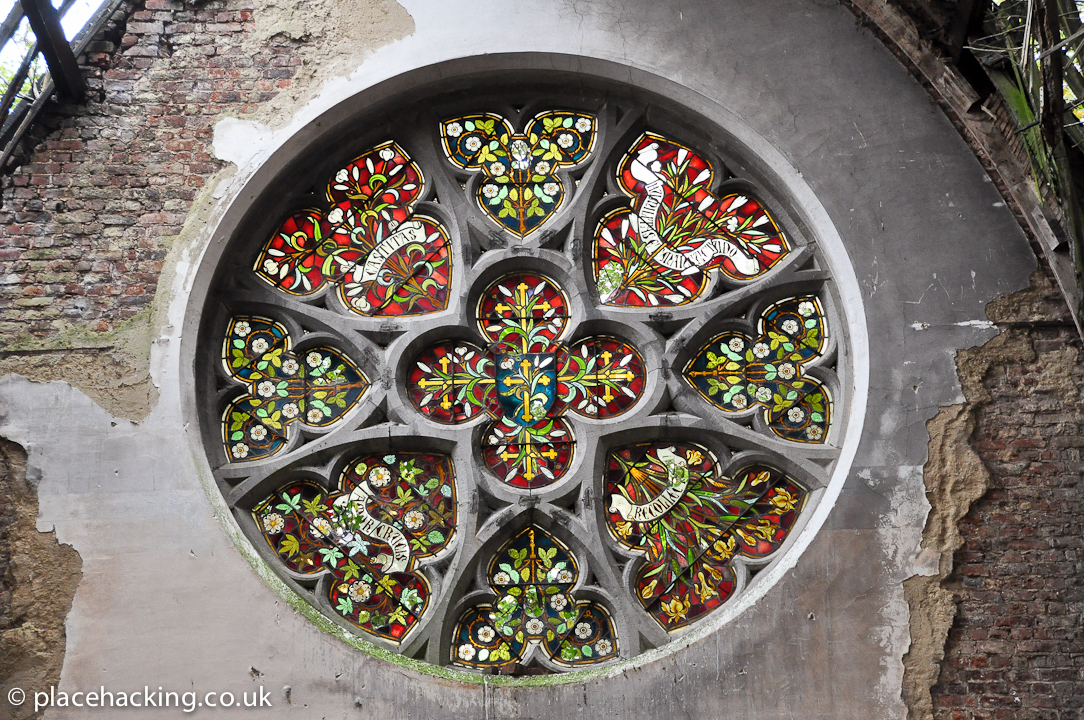
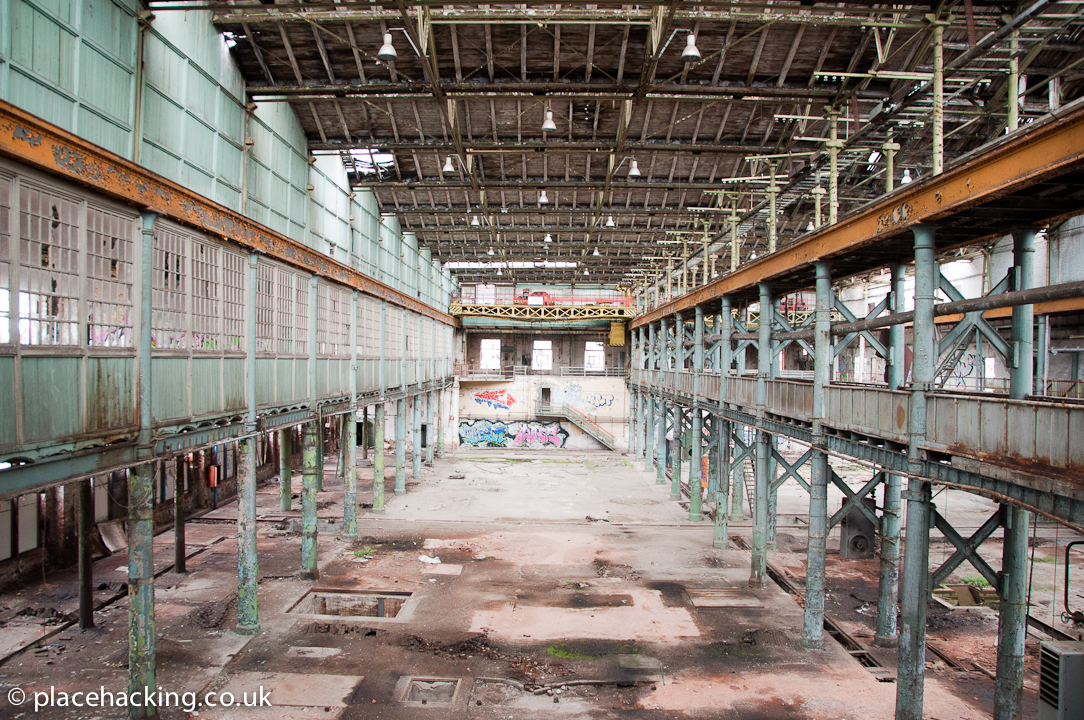
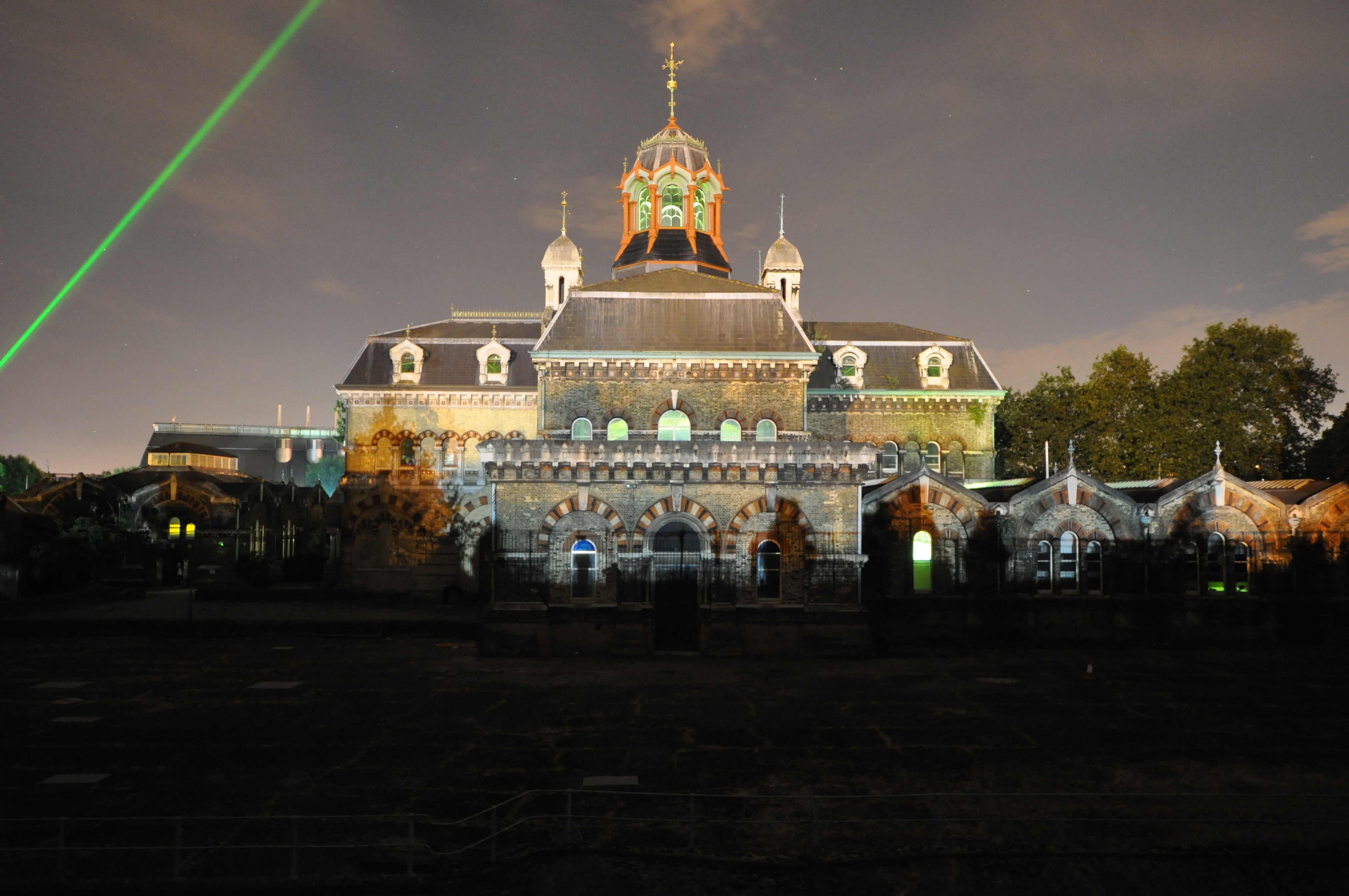
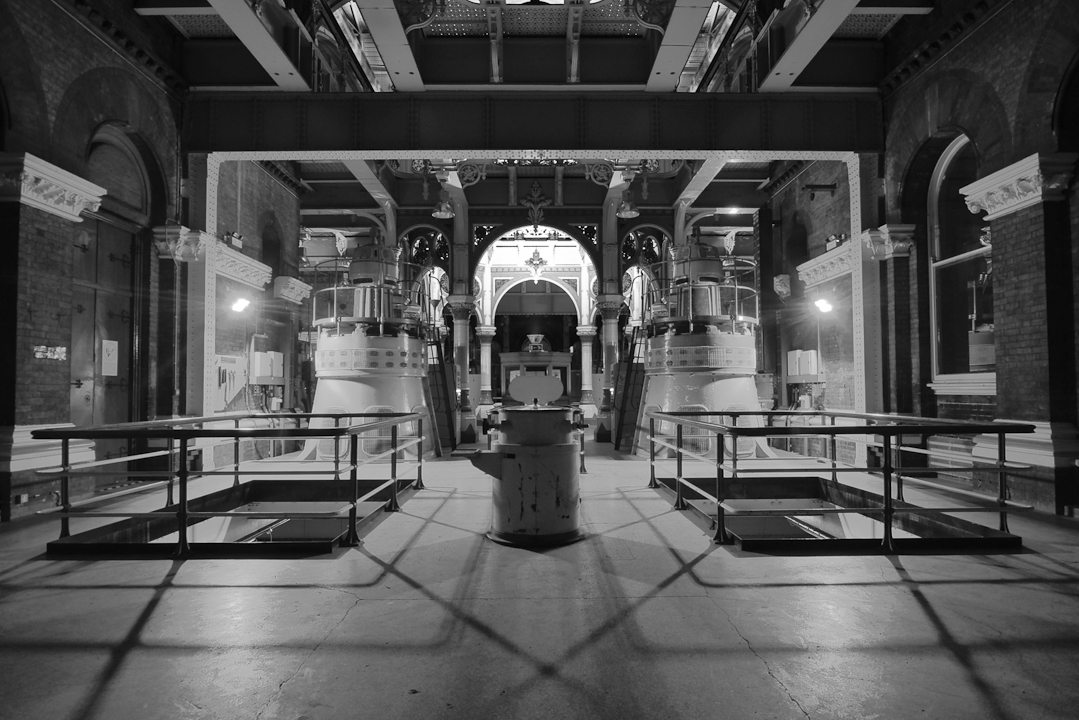
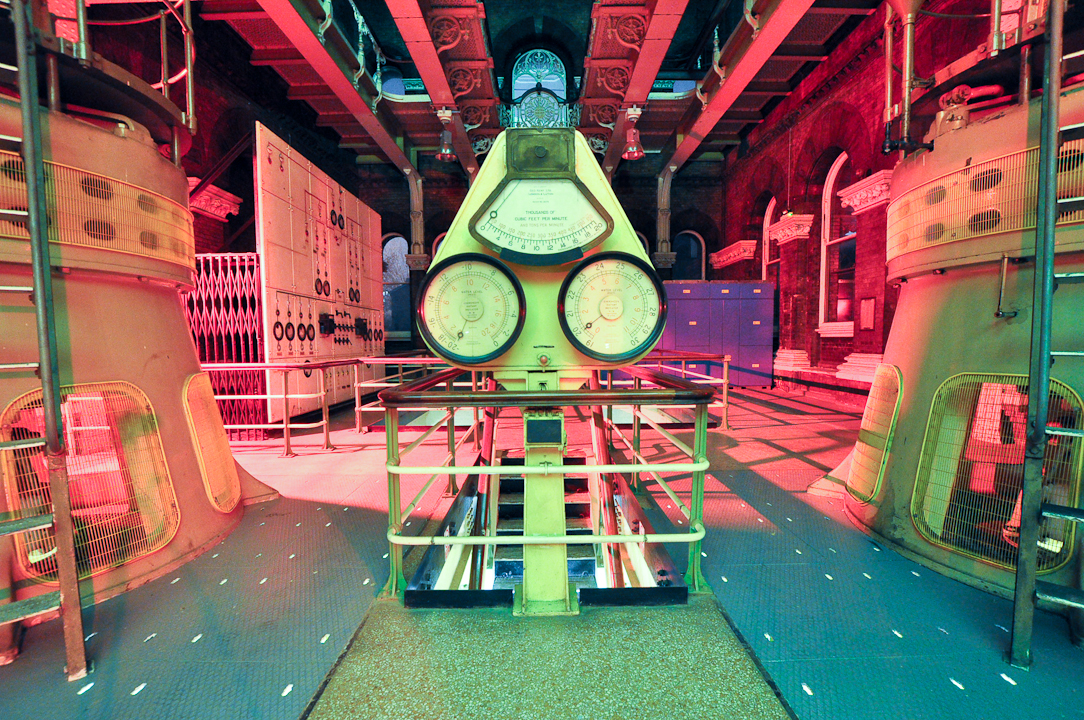
Silent Motion rolled up on the East London Greenway at about midnight. Sarah and Maria were with him and he was headed with a determined stride to an old flame. Architecturally speaking of course. The Abbey Mills Pumping Station, recently written about by our friend Paul Dobraszczyk on rag-picking history is indeed a Cathedral of Sewage.

The first empty Redstripe can spiked onto the security fence followed by another empty precariously placed on a ledge waiting for the next little gust of wind to send it spiralling into the River Lea clearly indicated that the Goblinmerchant and Brosa were already inside. But when Silent Motion and the girls rolled up, they found the dejected pair with the rogue Sophie dancing around a fifth of Famous Grouse playing tag with the demons of the night. The window was jammed.

Two hours of death-defying acrobatics followed. We all knew with Silent Motion there we weren’t walking away. The popping sound of the fire exit opening 40 minutes later was consequently rather satisfying, given how miserably cold we all were lying huddled around our empty Grouse bottle drawing straws to see who would be eaten first while we waited for the early-morning train from the Far East back to more respectable South London Boroughs.

Post-apocalyptic imaginaries were abandoned as we walked through the door.
In the presence
Of Bazalgette

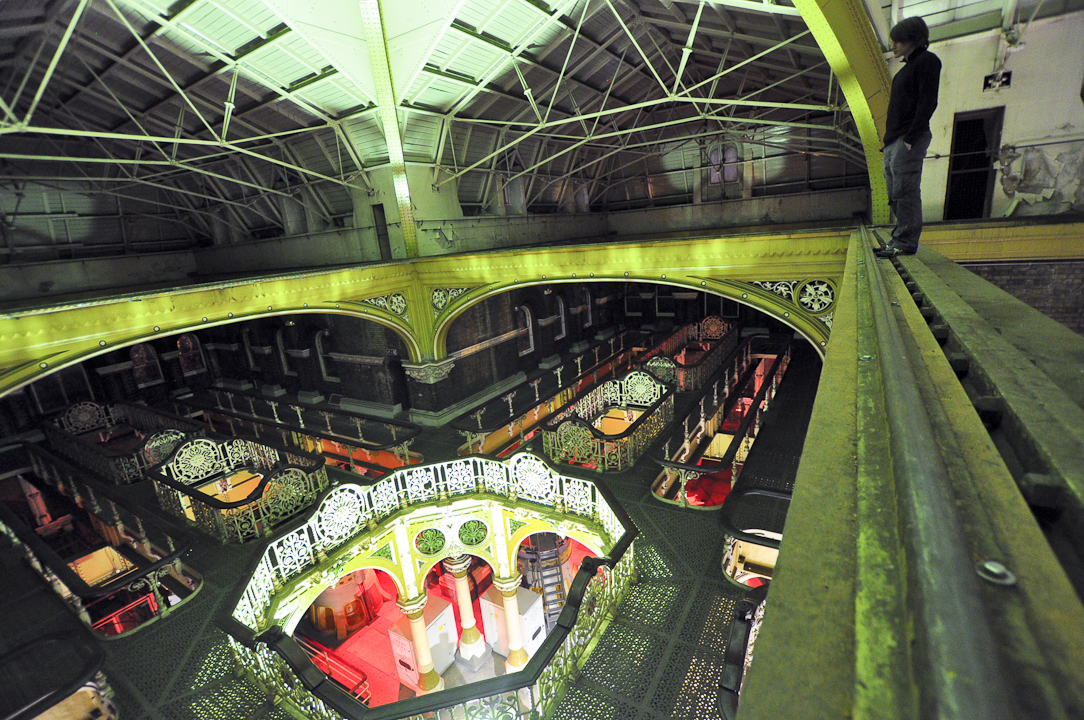
Being in such close presence to Joseph Bazalgette, hero of London sewage, urban exploration and architectural aesthetics, was instantly sobering. Standing in the main hall, it become clear that Bazalgette was mad as a hatter when he built this absurd monstrosity of shit-pumpage. But as Jack Kerouac writes in On The Road,

“The only people for me are the mad ones, the ones who are mad to live, mad to talk, mad to be saved, desirous of everything at the same time, the ones who never yawn or say a commonplace thing, but burn, burn, burn, like fabulous yellow roman candles exploding like spiders across the stars and in the middle you see the blue centerlight pop and everybody goes “Awww!”

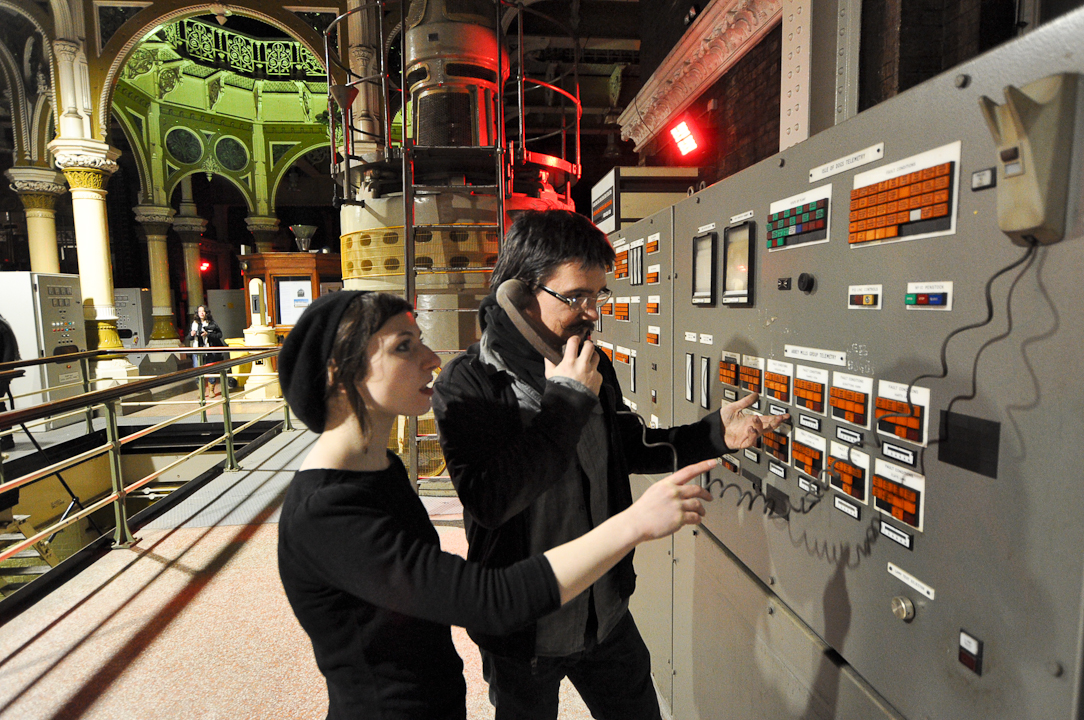
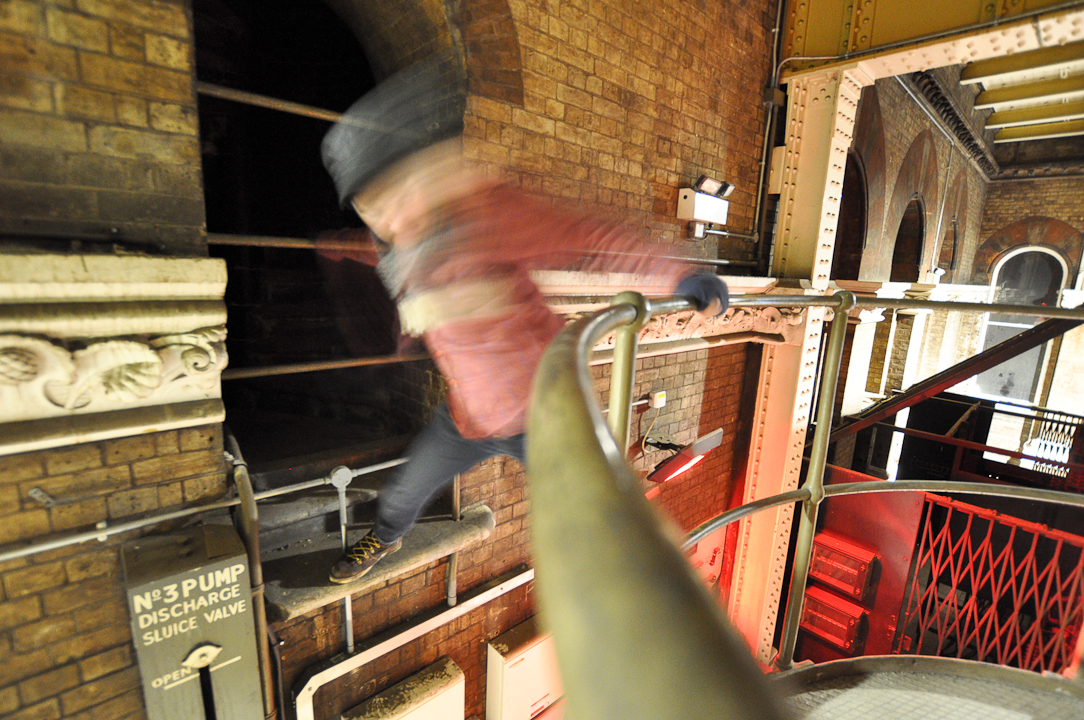
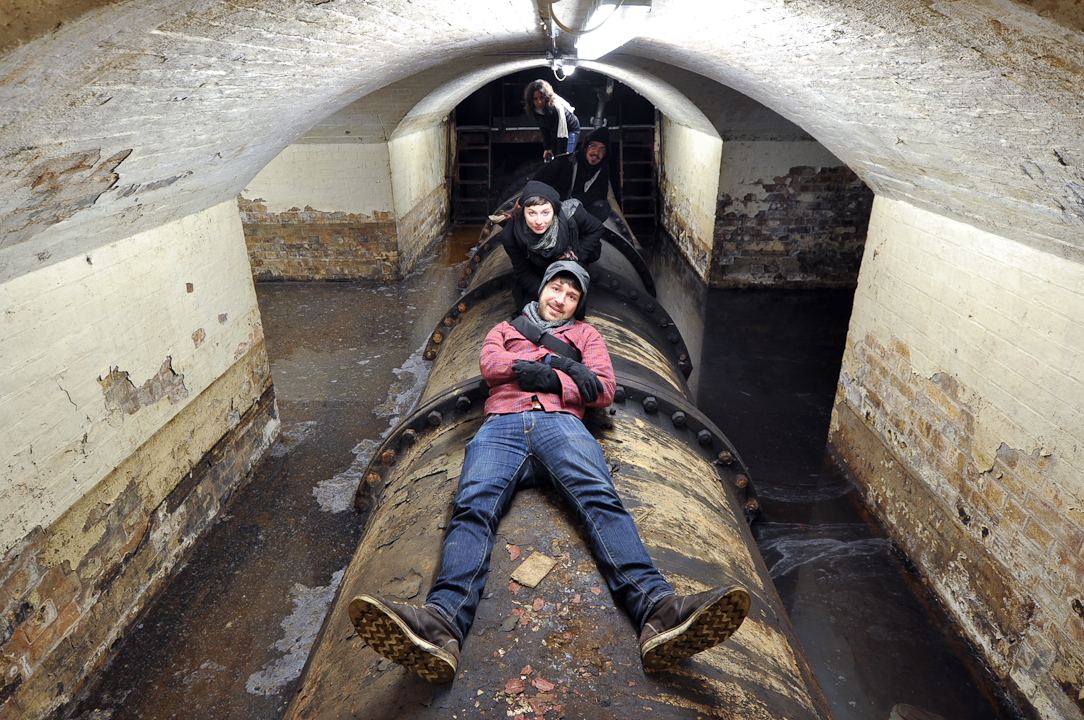
We were all on the same team here. It was clear to everyone in attendance that Bazalgette was there too, raving and craving, clawing and lusting, climbing and laughing. We went into a wild Bacchian frenzy. It was movable feast of affectual affordances as twisted Victorian metal was transmuted into swing and ladders, balance beams and gaps to jump. We played limbo under their security gates, we crawled on all fours across half-submerged pipes and used the derelict phone system to call the security hut and tell them they lost the game.
We don't need
To ask for
Permission

_________________________

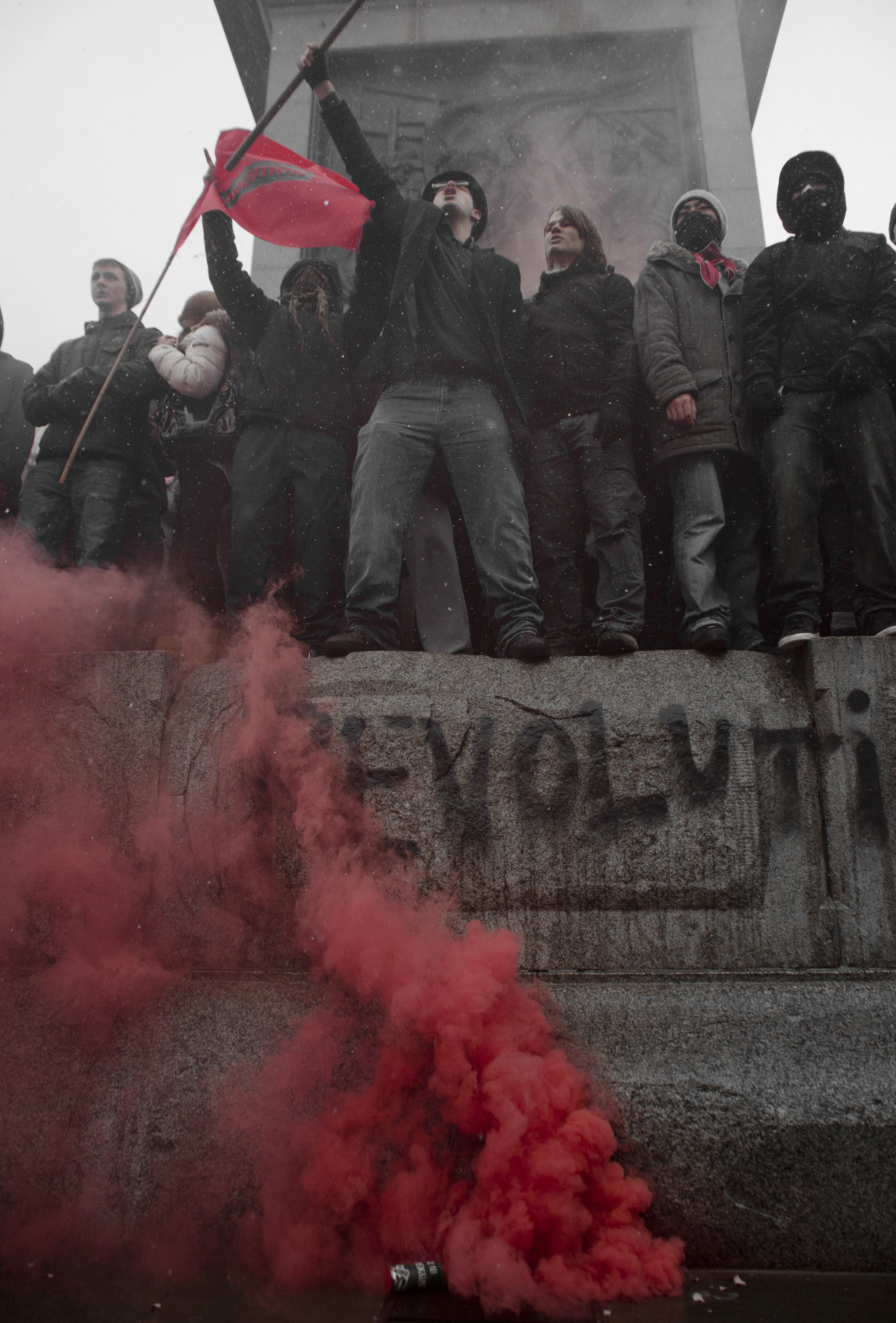
The truth is that Silent Motion and I needed some time to play. We had been fighting police in the streets, sat in sub-zero kettles, setting fire to the city to keep warm for a month straight as part of the student protests. It felt like life had quickly become so serious. Even urban exploration had taken an ominous turn after other explorers started crying about our A-team exploits. One detractor even labelled our crew “the London can openers” which I quite liked.
Spot the can opener

Our participation in particular types of exploration, our participation in the riots that most explorers chose to ignore while they sad at home madly bashing their keyboards in frustration, our participation in whatever the fuck gets us pumped up is a reminder, however sad, that as Winch has said before, there is no UrbEx community, there are just friends who enjoy hanging out with each other. Some are braver than others. Some explore for the glory, some for the fun. Some walk in the track of others. Some blaze new trails. Some try to make things a little more fun. As Statler says, there are no rules to UrbEx, there’s just where your morals fit and as Sartre once wrote about the philosophy teacher Mathieu, “he could do what he liked, no one had the right to advise him, there would be for him no Good or Evil unless he thought them into being.”

We needed this night to remind ourselves that this is what we are capable of. Elegance was reaped by bringing along a visitor to London for the weekend to experience a night out that wouldn’t be soon forgotten. We fed on that initial wonder that comes with realizing that yeah, you can just do this.
Let's
Just do this

Being free doesn’t require consent and we don’t need to ask permission to explore, not from the government, other explorers or your mum. No matter how much frustration we brew, how serious our work gets or how intense our lives may become, we are reminded through urban exploration that all it really takes to feel free again is the initiative to walk away from it all and rewrite the rules for a night. Disclaimer? There is none.

Space, despite all allusions and illusions to the contrary, is free.
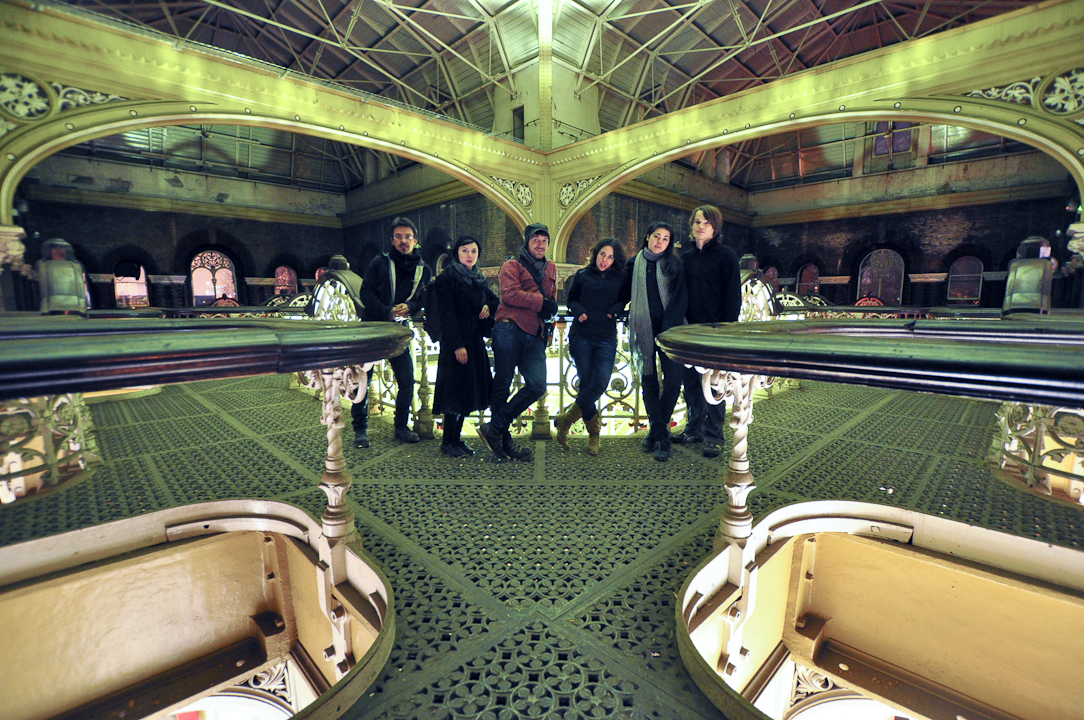
Beautiful all around

__________________________

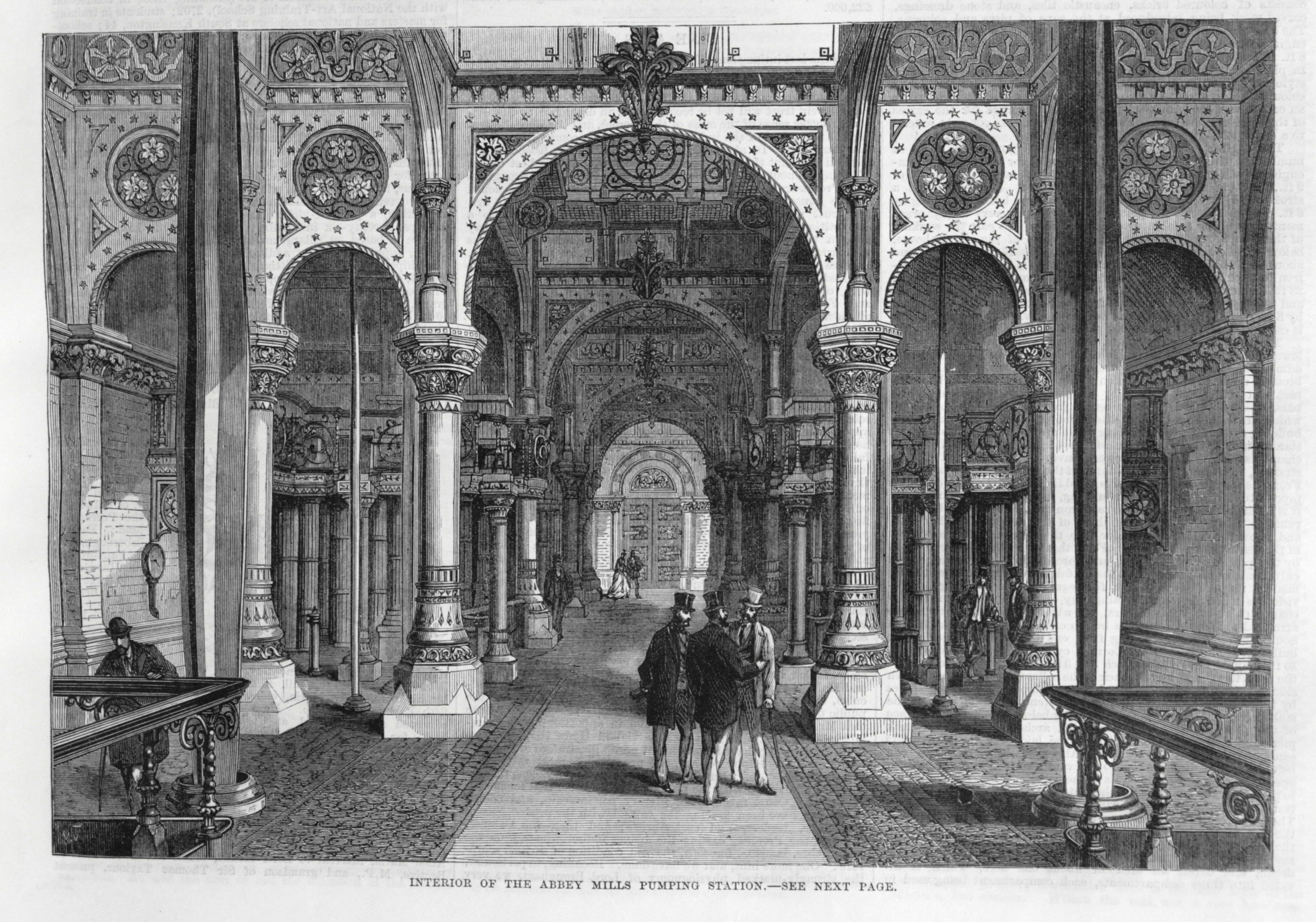
The photo of Abbey Mills in 1868 was jacked from Rag Picking History.

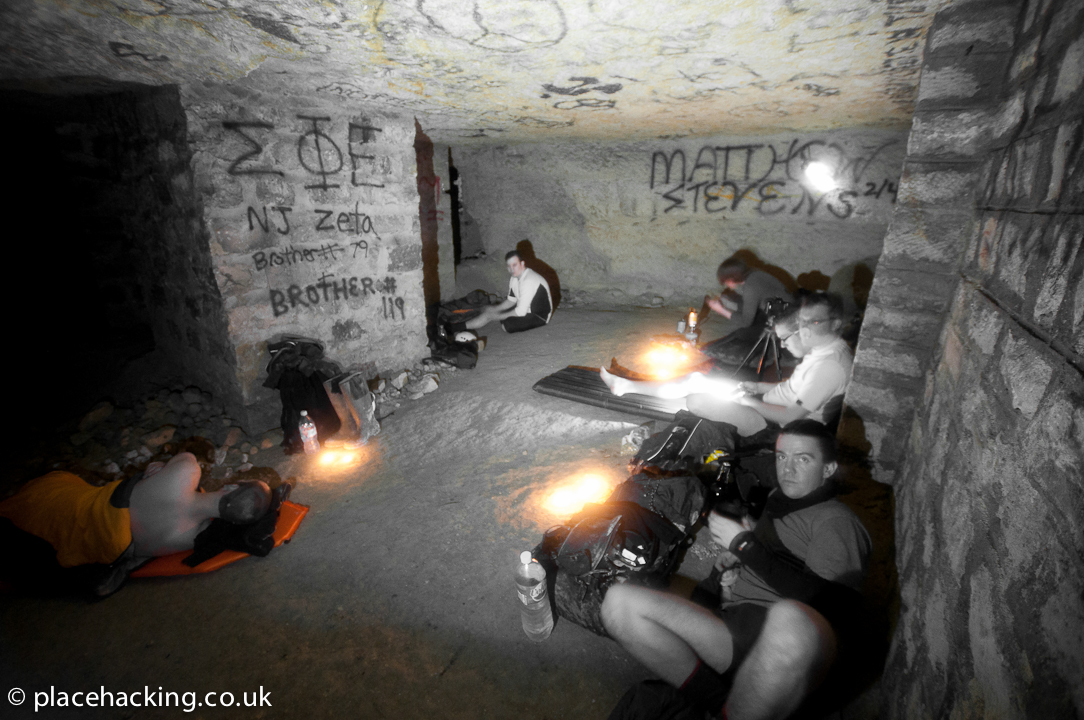
The photo of Silent Motion the can opener was kindly provided by Nicholas Adams at Guerilla Photography.

The Red Stripes and Famous Grouse were provided, on discount, by Emron from Pakistan at my corner shop who still wants me to make a documentary about his quest to abandon the family business to become a pilot.

The word were kindly provided by my brain, via my fingers during some sort of synaptic process that still eludes me.

Share
Tags : , , , , , , , , , , , , , , , , | 2 comments

Without contraries, there is no progression.
– William Blake

Everyone agrees. It’s about to explode.
The Coming Insurrection

Implosion

A lot of ink is spilled over urban exploration’s relationship to the past and I have previously written about how the anticipated transience of places, the act of bearing witness to their inevitable death, adds to our experience of exploring them in the present. These geographic imaginations of unrealized temporal iterations positively reinforce our notions of place in the world, giving us a sense of agency as we realise that in the midst of all of the endless death and decay, we live, even as we are reminded our time here is limited. This notion has guided historical attractions to ruination for centuries, stretching back to ancient Rome when Livy explored the Cloaca Maxima sewer. The nostalgic lust for derelict and crumbling spaces has never left us for as Alan Rapp writes ‘the metaphorical power of ruination is as relevant today as it was in an ostensibly more Romantic era’. Our love for things of the past, the nostalgia that Nietzsche found so crippling, is described by G.M. Trevelian who writes:

The poetry of history lies in the quasi-miraculous fact that once, on this earth, once, on this familiar spot of ground, walked other men and women, as actual as we are today, thinking their own thoughts, swayed by their own passions, but now all gone, one generation vanishing into another, gone as utterly as we ourselves shall shortly be gone…

The nature of Post

Ruins, like dreams, pull us, in one direction, toward our innermost yearnings and, in another, towards a life beyond the constraints of the real; the romantic accounts of ruin exploration in the last 2000 years abound. But clearly part of our attraction to derelict space also has a darker component of an imagined ruined future that has not been written about nearly as much, a Ballardian formulation of urban apocalypse.

Crumble

Recently, Paul Dobraszczyk wrote a wonderful paper in the journal City where he describes his trip the to exploded nuclear reactor at Chernobyl which ‘incorporated elements of both dark tourism and urban exploration’ as he searched for what Susan Sontag referred to confrontations with ‘inconceivable terror’. Just a few years previous, Tom Vanderbilt penned the book Survival City in which he explores the ruins of atomic America and in the new book Ruins of Modernity (my review in Environment and Planning D: Society and Space forthcoming), Jonathan Veitch tours the Nevada Atomic Test Site where he finds not the expected response of melancholy or nostalgia upon entering the ruins but Baudelaire’s Satanic laughter, a terror that is so visceral the only possible response humour, as if the emotions have been short-wired by the horror.

People as numbers

And so we come to the thesis. Part of the reason we enjoy exploring decaying architecture is rooted in an imagination of a post-apocalyptic future. These places are viscerally enticing in their wretchedness, in part, because imagining ourselves in a future where we populate them during imagined use-lives filled with heroism and adventure is so improbable that it forces one to meditate on the surreal nature of the past that had led us to this most improbable junction in time. Writing of Pripyat, one contributor to the new book Beauty in Decay which represents these sites with burning gothic intensity notes the Pripyat “continues to whisper of a ‘post-human’ earth which, in the end, may be the strongest fascination of them all.”

More than human?

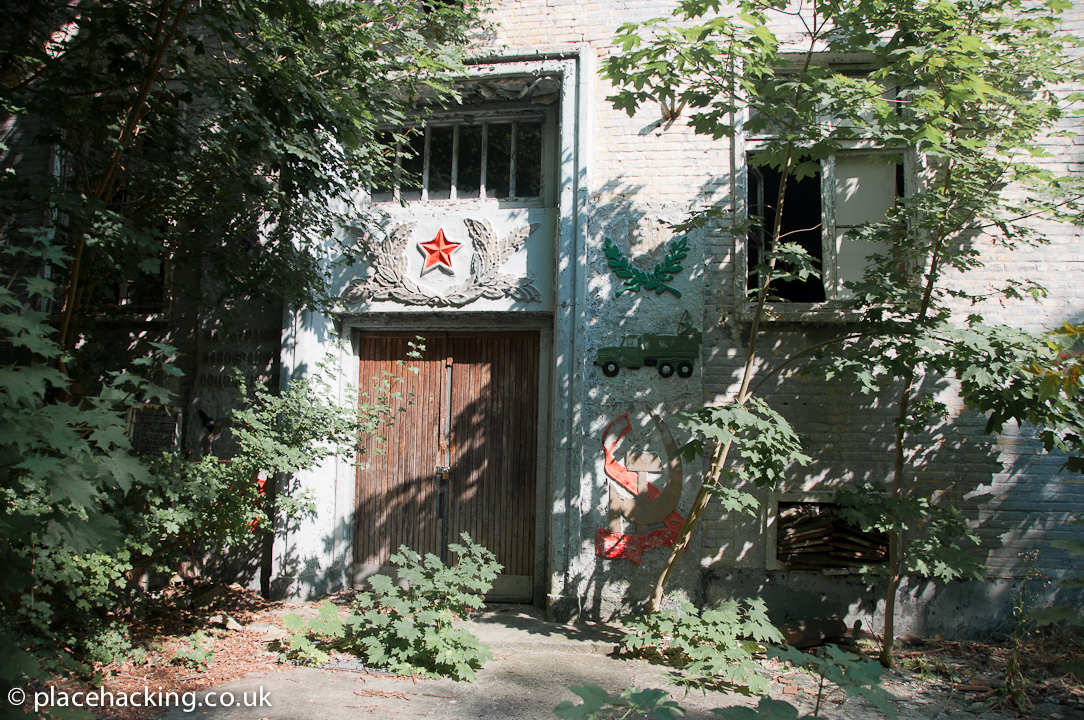
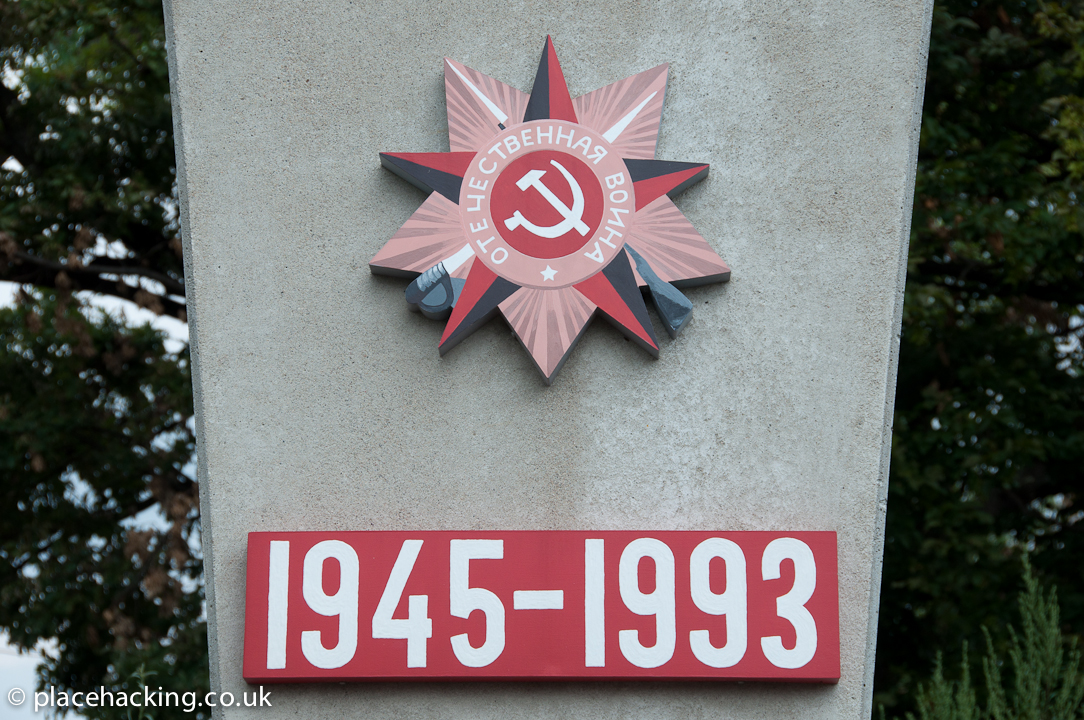
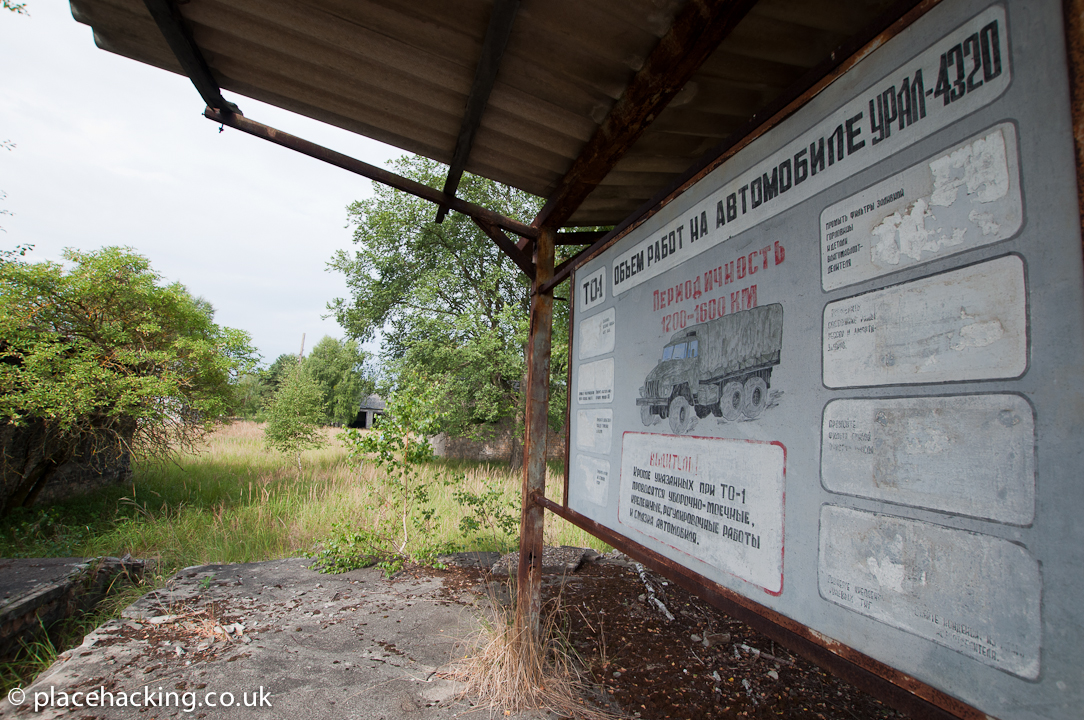
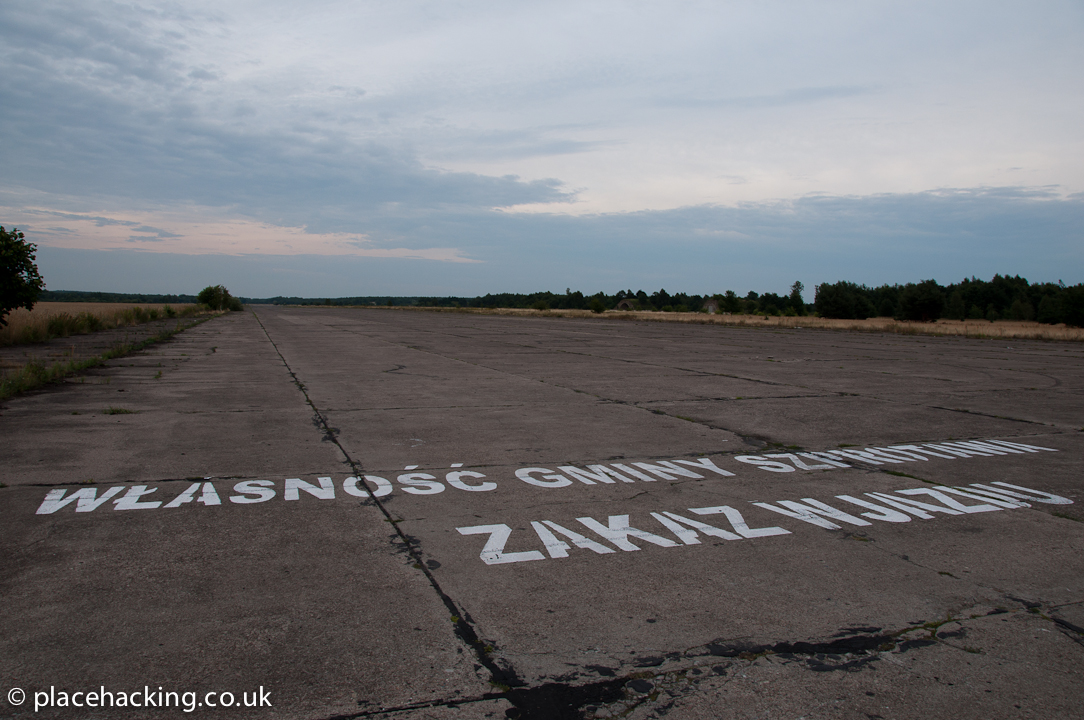
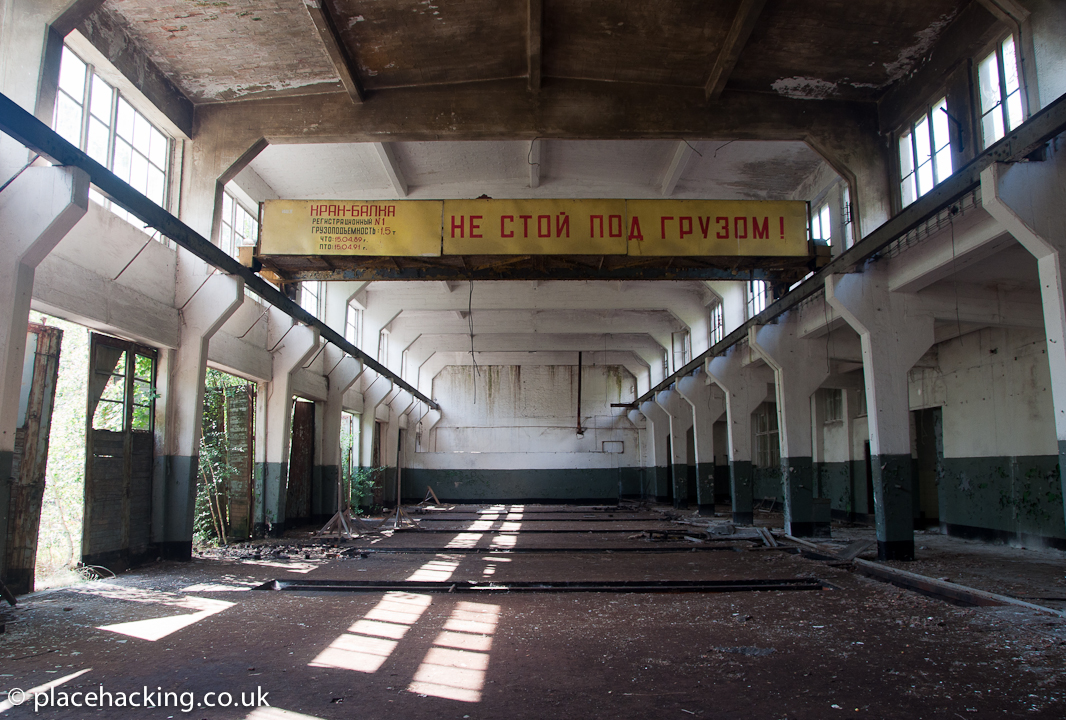
In our explorations of the ruins of Eastern Europe this past summer, we all took guilty pleasure in witnessing the remains of the failed Soviet Union and Nazi Germany, reacting, at times, absurdly to it. The experience left us in a distinctly different state than ruin exploration in the United Kingdom, the reverence for actual state failure (rather than imagined post-capitalist or “site-specific” failure) making our explorations both more poignant and more guilt-ridden.

Our former 'enemies'

Invoked

By a history

Never witnessed

But felt

If, as Dylan Trigg writes in The Aesthetics of Decay, a derelict factory testifies to a failed past but also reminds us that the future may end in ruin, what does the ruin of a failed state say to us?

Get on, I guess

Henry James writes in Italian Hours that “to delight in the aspect of the sentient ruin might appear a heartless pastime, and the pleasure, I confess, shows a note of perversity”. This perversity takes on a different form as you leave “home”, the nostalgia wears a dark mask of exotic fetishism that beckons the days of Empire even as we participate in the beginnings of the failure of capitalism and the nation state at home. Of course, these expeditions are markedly less decadent than those of ages past but even speaking English marks us as a potentially dark and exploitative party even as we seek to avoid being “tourists” by following Steve Pile’s advice that in order to get at some of the real (really operative) processes in city life, attention should be paid to those things that appear marginal, or discarded, or lost, or that have disappeared or are in the process of disappearance.

A rapidly depleting resource

A year ago, we took a trip out to the Mojave Desert in California for a friend’s bachelor party. Our intention was to explore the Calico Mines under the ghost town. Which we did, finding all sort of mysterious chambers, boxes of dynamite, uninvited spectres and endless subterranean playgrounds. But always in the back of our minds, there was a fantasy playing out of someday taking refuge here. Whether that was from drought, famine, nuclear attack or a zombie infestation was never articulated but we all knew it was implied. We were collecting derelict site locations as a post-apocalypse insurance policy. As Susan Buck-Morss wrote in The Dialectics of Seeing, throughout Benjamin’s Arcades Project, the image of the “ruin”, is emblematic not only of the transitoriness and fragility of capitalist culture, but also its destructiveness. Our imaginations were all bolstered by the thought we were seeing ghosts from a future yet to come.

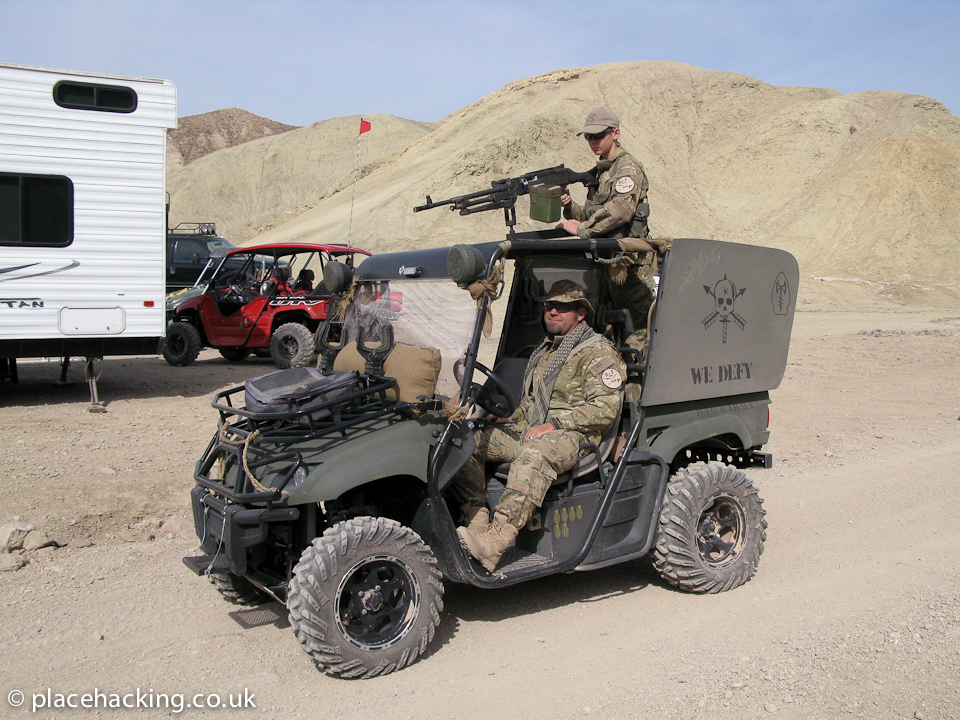
Indeed, as Hell and Schönle write in Ruins of Modernity, ruin exploration can involve “reflections about history: about the nature of the event, the meaning of the past for the present, that nature of history itself as eternal cycle, progress, apocalypse, or murderous dialectic process.” These inevitable intersections took grip firmly as we were leaving the mines. On the way out, we were confronted by survivalists from a militia who had dug into the caves to create desert shelters and were patrolling their territory in a weaponised 4×4 buggy. The father was clearly ex-military, barking orders at his kid to “get on the gun, son” for a photo op. As they sped away, they yelled back at us that the government was collapsing and we would do best to prepare to defend some territory, a new tribalism, they insisted, was on its way.

Apocalypse

These post-apocalyptic imaginaries are evident all over popular culture, from films like Mad Max28 Days Later12 Monkeys or Blade Runner, in books like After London, The World Made by HandThe RoadThe Stand, or The Plague and even in video games like Bioshock and Silent Hill. In all of these depictions, though the future may be bleak and dytopic, there is some underlying euphoria behind the freedom that comes with being released from the state, social life and cultural expectation that has an obvious relationship to the off-the-grid spaces that urban explorers go into. I have to wonder though, as we run into more and more people living this way now (primarily squatters and unsanctioned parties) rather than imagining to live this way in some distant future, what it takes to drive one off the grid like the Dad and son I met in the desert.

Hiding place

For thousands

Of disaffected

It seems to me that the imaginations of these distopic futures become increasingly realistic as our faith in the state to take care of us is eroded; as we see the world collapsing around us politically, environmentally and socially. Now that may be obvious. What isn’t obvious, what no one wants to say, is that we like the idea to some extent. In some part of all of us, we want the society of the spectacle to implode, to see how we would fare in a world not regulated by health and safety, to see what we might achieve when confronted with the most basic challenges of finding food, water and shelter.

Contamination

I argue that the interest in post-apocalyptic futures in nothing less than an interest in trying to get back to what we have lost in late capitalism, a sense of place, a sense of community, a sense of self. And although urban exploration passes through places rather than staking them out in any permanent way, urban exploration as a movement is a vital bridge, a gateway, because it finally makes to move from the imagined to the physical. When we explore, we take a step off the grid. It is only one more step to stay off it.

Always almost on the brink

Share
Tags : , , , , , , , , , , , , , , , , , , , , , , , , , , , , , , , , , , , , , , , , , , , , , , , | 9 comments