2010 in Retrospect

Posted by Bradley L. Garrett on Thursday Dec 30, 2010 Under Celebration, Geography, Urban Exploration

I don’t like nostalgia unless it’s mine.
-Lou Reed

Exhausted

At the end of 2009, I found myself in Sweden, reflecting on a year of impossible explorations, culminating in our massive 7-day urban camping adventure across 4 European countries and dozens of derelict spaces all the way to East Germany. I never would have guessed that at the end of 2010 I would find myself sitting in Las Vegas reflecting on a year even more incredible than the last.

The numbers are in. During 2010 we explored 110 locations in 9 countries, ranging from derelict industrial sites to impossible heights; from vital infrastructure to dead shopping malls. Over the course of the year, as part of my PhD research, I have taken 11,000 photographs (yes, you read that right), shot 20 hours of video footage, published 35,000 words about our adventures in academic publications (many still in press) and wrote over 40,000 words on this blog.

That all said, Place Hacking wouldn’t be anything without the places themselves, so without further ado, I present my top 20 explorations of 2010.

______________

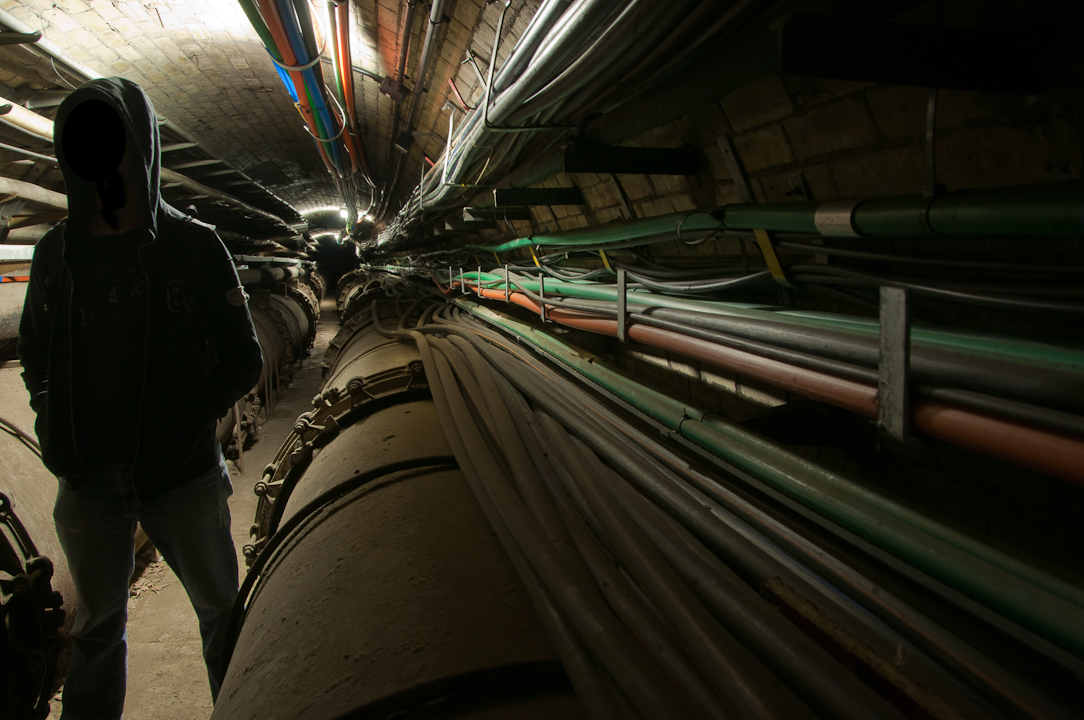
#20 – The EDF Tunnels, Paris, France

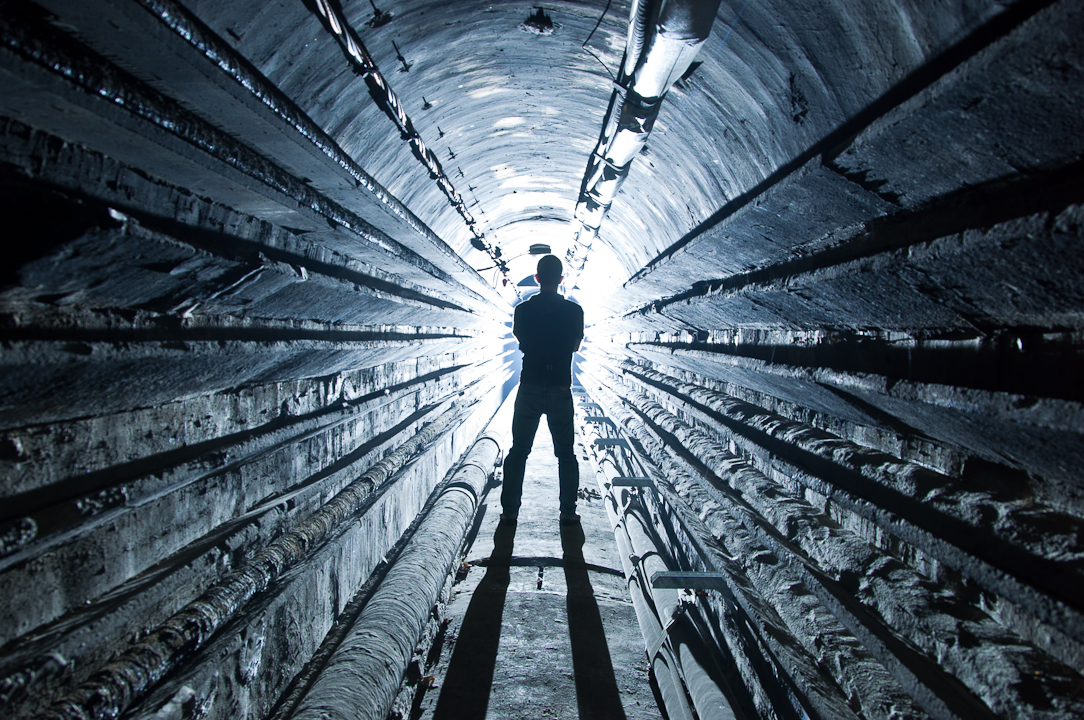
While the tunnels themselves are not that remarkable, entering through a manhole in the streets of central Paris most certainly is. On this occasion, we opened the heavy cover with a carabiner and piece of rope. Once inside, we couldn’t close it and yelled at a passer-by to shove the lid shut while we ran off into the tunnel. It clearly made his night.

More interesting though are the ways in which, in Paris, subterranean spaces connect to each other. At times in the city of lights it seems you can move more freely below ground than above. We spent an entire night underground after entering these utility tunnels, connecting the catacombs, quarries and a massive abandoned electricity substation, ending up on a rooftop in some strange spatial twist that I will never understand.
#19 – The Paris Catacombs (Carrières de Paris)

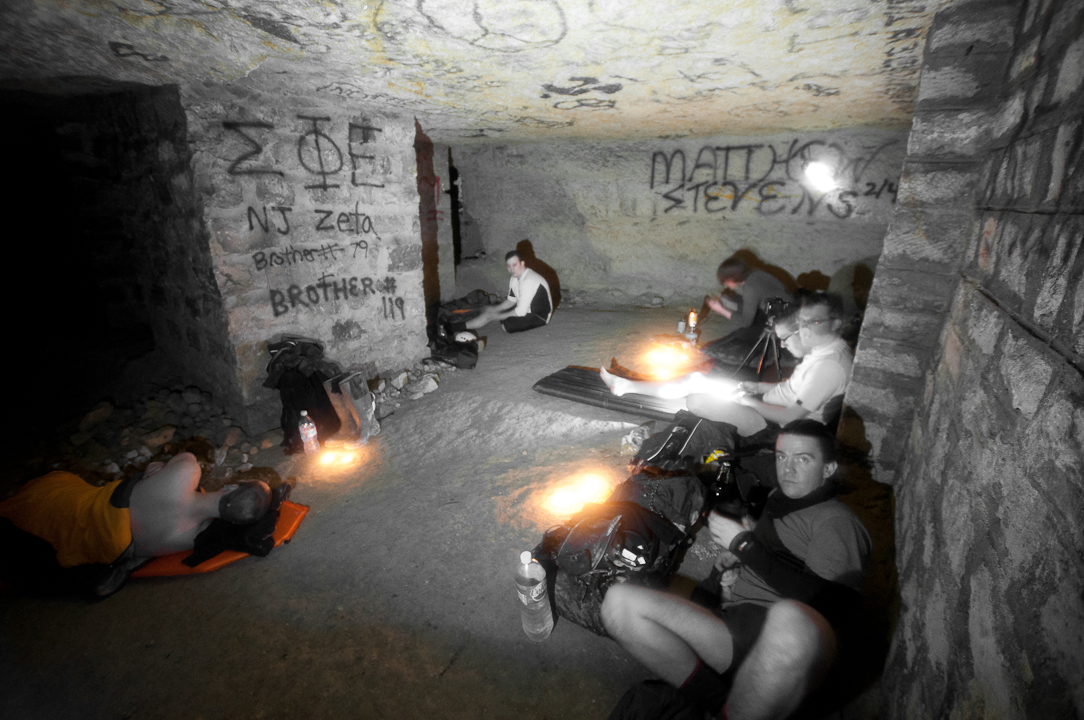
While we are on the topic of subterranean Paris, we made a number of trips into the catacombs this year. In 2009 we were detained by French police in a riot van after popping out of a manhole cover at 3am, which was fun, but 2010 was the year that I got to know about 4km of the rooms and galleries by memory and can now successfully navigate a majority of the system with pretty high success using maps.

At some point during our Kinky Paris trip, the following things may or may not have happened:

1. We stayed underground for 3 days living only by artificial light.
2. I feel asleep in a pile of human bones.
3. Marc Explo convinced us all we were  ghosts haunting the place after a debate between him and Silent Motion while they propped me up like a corpse on the wall, drunk on port.
4. We went to two massive underground parties (one in the underground cinema built by La Mexicaine de la Perforation).
5. We sent people out of the exit first to get arrested so we could run away while they were getting cuffed. Marc Explo also may or may not have also left people for dead in there.

#18 – New Court, London, United Kingdom

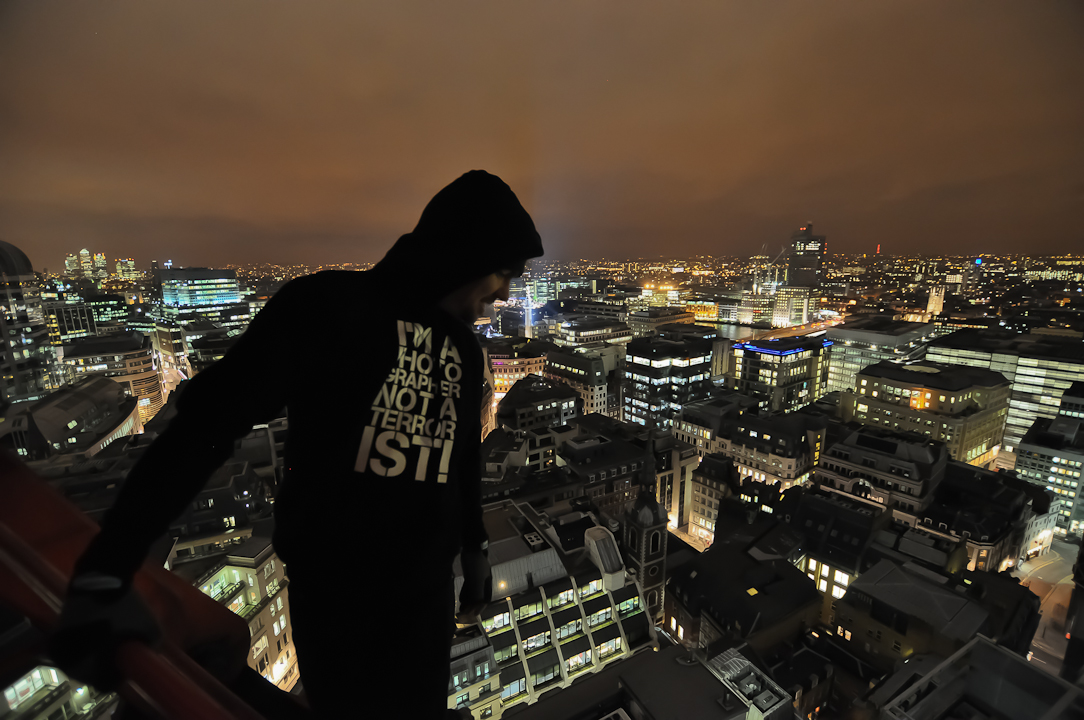
We found New Court while we were looking for something else entirely. Waking in the City of London, we saw a giant hole in a brick wall at ground level. We went through it, while a drunk man in a suit pointed and yelled “hey!” while falling against a wall, and then found this crane. Seriously, it was one of the best spontaneous finds of all time and remains one of my favourite explorations. This photo, with Tower Bridge beaming behind me, later got me some love from Web Urbanist which really kicked off motivation to get more cool stuff done this year.
#17 – Métro workshop, Paris, France

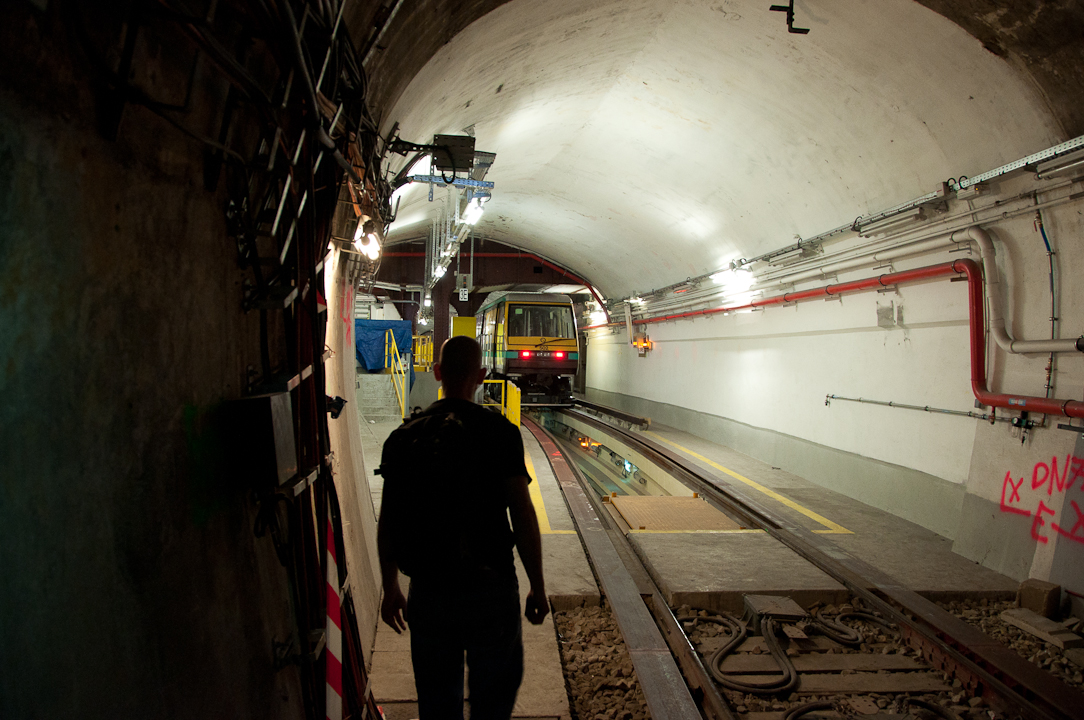
This year has also been a great year for exploration of the Paris Métro system. When Marc Explo told me we were going to explore some Métro on my last trip there, this was not what I was expecting. We jumped off a train and then tiptoed quietly down the tunnel, trying not to rattle the tiles on the narrow walkway. When we turned the corner and I saw this parked-up train with the lights on, my heart almost stopped.

The workshop made all sorts of strange noises as we slid underneath the train and up onto the platform, tugging on the doors in a futile attempt to get in. I kept having the distinct feeling someone was in there with us. It didn’t help that it was in the middle of the day. Marc Explo is mental.
#16 – Arterial GLC Cable Tunnel, London, United Kingdom

2010 was also the year we largely moved into being primarily an infiltration crew and while we wiggled into no less than 6 distinct cable runs housing London’s infrastructural networks, this one in particular is a real gem. It runs under a primary party artery and listening to the people running wild in the streets through the manhole covers, high-heels clacking down the corridors and fights breaking out above us in front of clubs, one can’t help but laugh. My favourite sound though is cars rolling over the lids down the street above with that distinctive negative gradual thumping reverberation. The cable runs are exciting for about 10 minutes visually, but they are sonic wonders.
#15 – Urban Camping, Everywhere

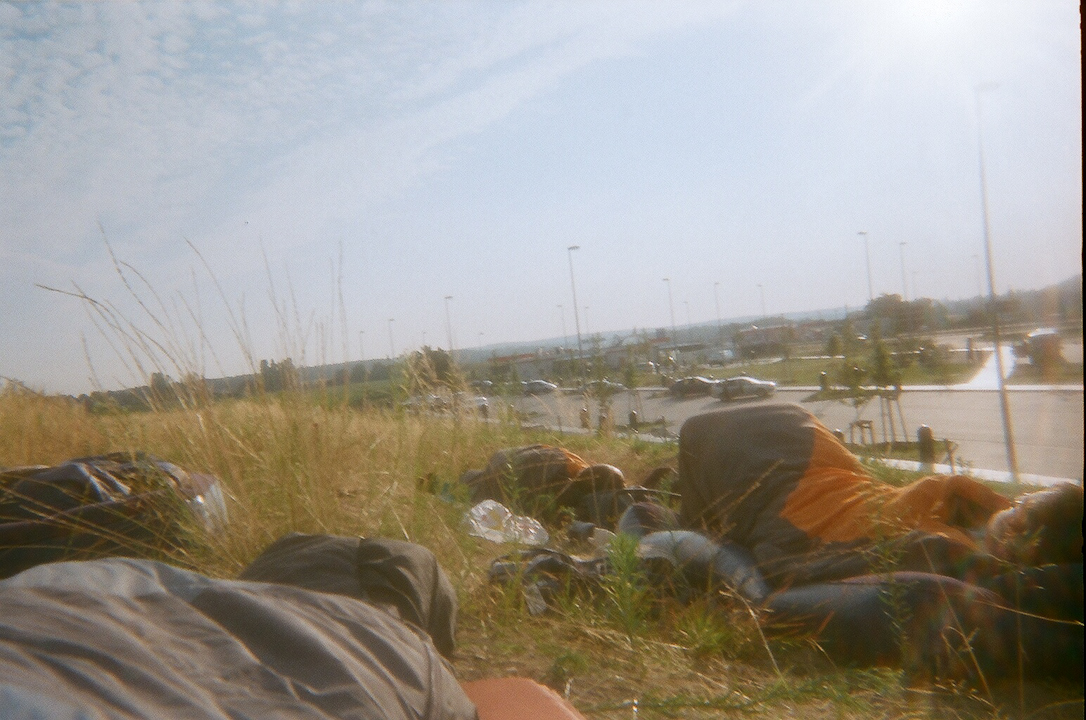
Okay this one is a bit of a cop-out since it’s not a specific location but we spent almost an entire month of this year sleeping in weird, random and derelict places. While the most harrowing was an active crack den in Luxemburg which we barricaded with old furniture and barbed wire, this random hill at an Autobahn Rasthof in East Germany was the most comfortable urban camping spot we have ever found.

Not only that, the looks on tourist’s faces when we woke up and dragged our sleeping kit back to the car and drove off  to the next ruin was priceless. Pretty sure a little girl in a car seat cried when we came at her in the car park, “Gary” dragging a sadly deflated stolen air mattress connected to a pump we found in a derelict pool with eyes full of wild hangover.
#14 – The Nuclear Racetrack, Southeastern England, United Kingdom

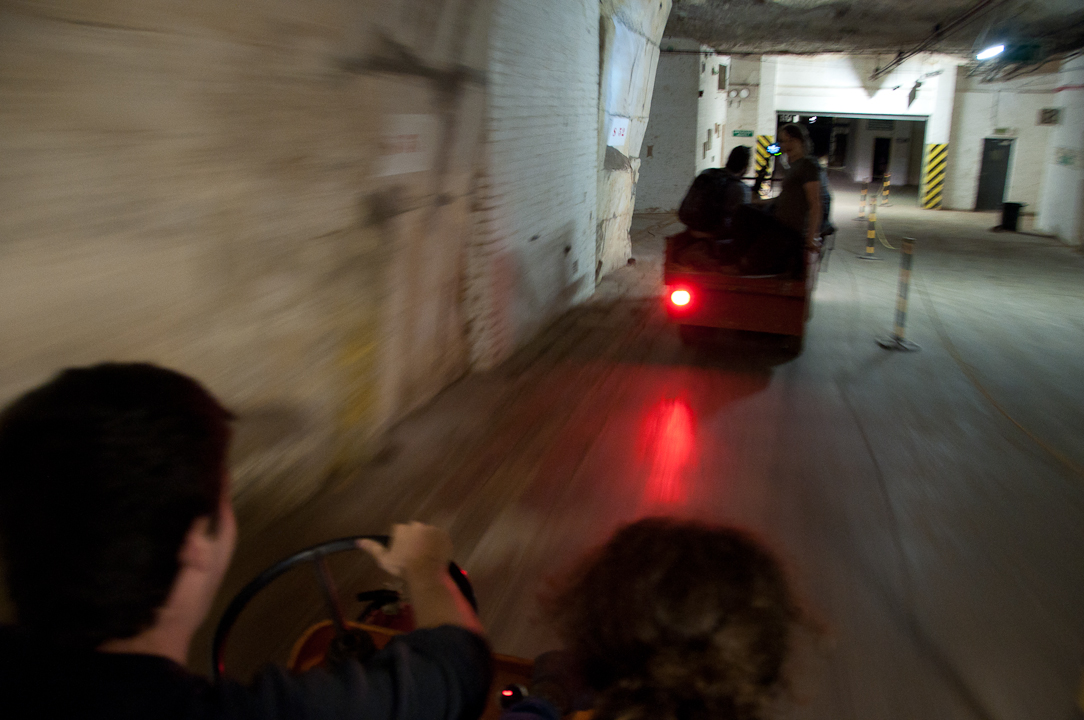
There are plenty of things you could be doing on a weekend evening. One option would be sneaking around in a quarry until you find access to an abandoned nuclear bunker where you source electric go-karts with the keys still in them and drive them around at high speeds. Seriously. We spent 12 hours in this subterranean playground and were having a grand time until I put photos of it on the interwebs and got a lifetime ban from the largest urban exploration forum in the United Kingdom. C’est la vie.
#13 – Rubix, Brixton, London, United Kingdom

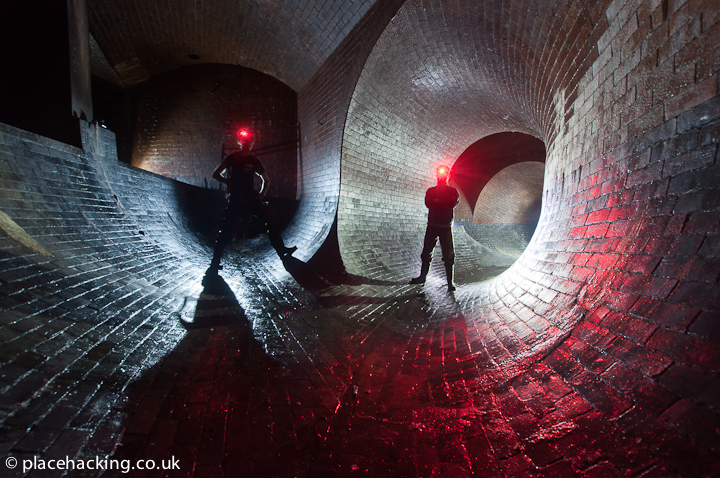
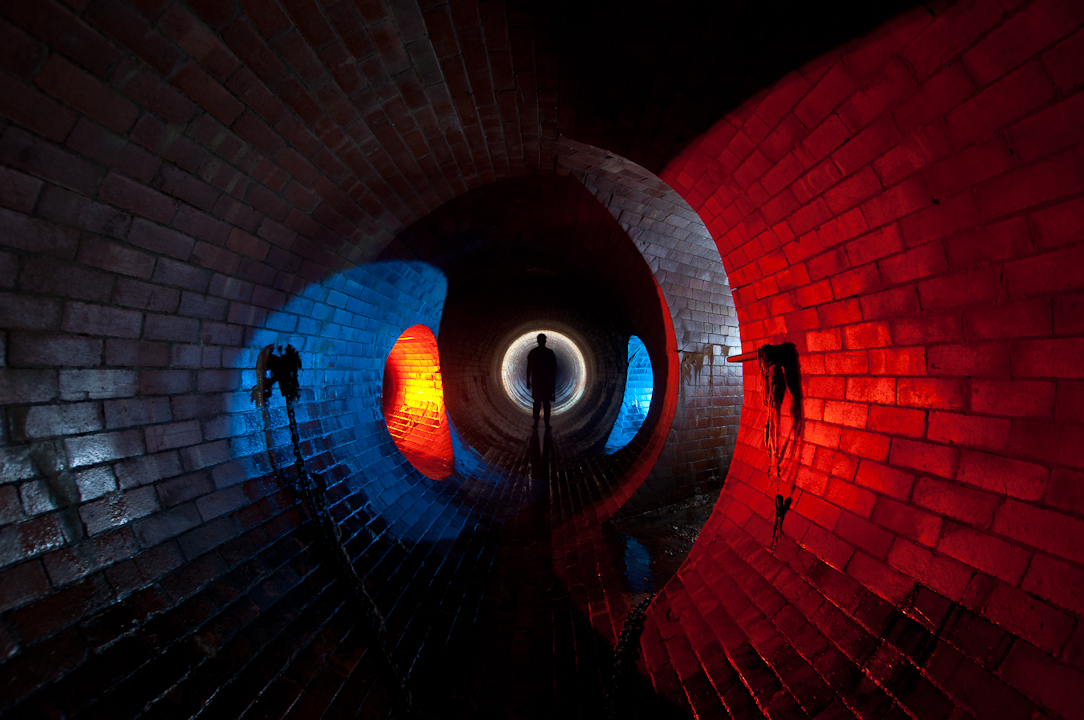
2010 was also the year we started seriously exploring London’s amazing sewer system built by the legendary Joseph Bazalgette, following many years of epic exploration by drainers like Otter and Jon Doe. While we enjoyed exploring the River Fleet, The Tyburn and The Westborne sewers, I was especially fond of the Rubix junction in Brixton, in London’s South West Storm Drain system, not in the least because it is walking distance from my flat in Clapham. There is something about walking around in your own sewer that’s very satisfying.

Silent Motion shot this great footage of our exploration there. My excitement in the video is… um… evident.
#12 – Battersea Power Station, Wandsworth, London, United Kingdom

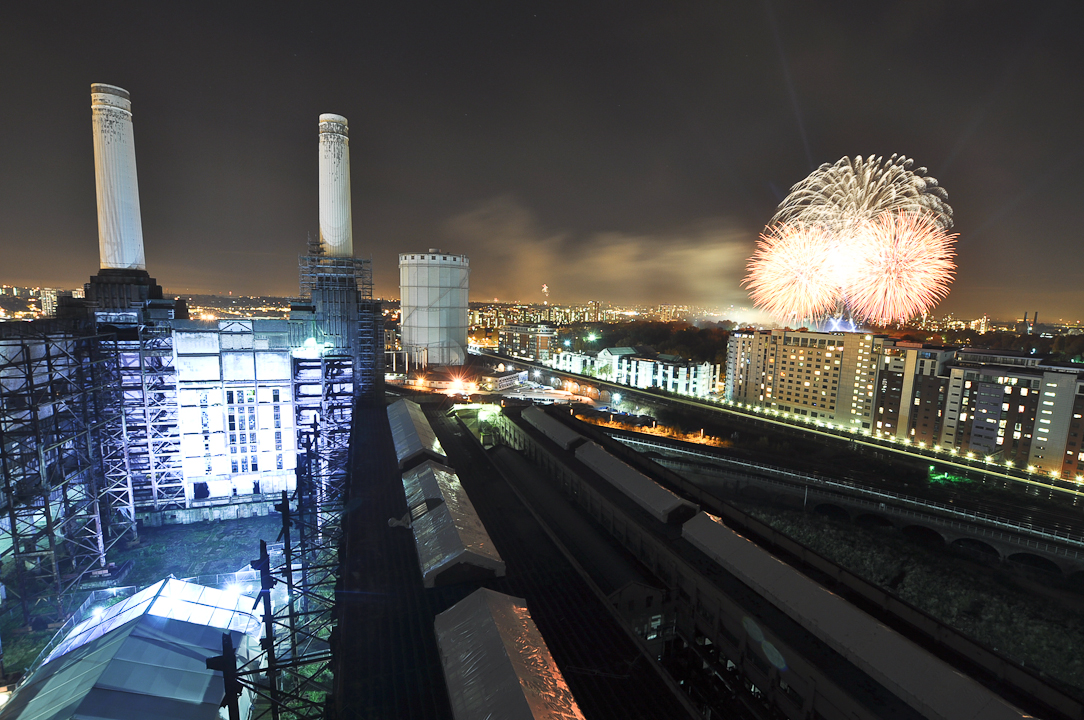
While Battersea Power Station has been a site of serial trespass for years, this year’s epic 7-person infiltration in the middle of an event setup on bonfire night past hordes of workers deserves special recognition. Watching the Battersea Park fireworks display from one of the chimneys was incredibly surreal, especially when Silent Motion told me “close your eyes and you can feel the chimneys collapsing a little every time a burst explodes.”

By the way, whoever tried to sneak in after us and got chased out – that was hilarious to watch from the chimneys, thanks!
#11 – Vogelsang Soviet Military Base, Berlin, Germany

This year marked our second visit to Vogelsang after a 10% completion in 2009. This Soviet base was built outside of Berlin in complete secrecy from the local population and housed 15,000 Soviet troops at it’s height. Declassified documents released in the 1990s revealed that this base had nuclear missiles stored there in 1958 aimed at London, Paris, and Brussells. We obviously took nude photos on the launch pads.

When we showed up at the base this year, it felt like coming home as we set up camp in the main building after hours driving and walking down logging roads on the massive necessary trek to get to it. Strangely, upon arrival we almost immediately ran into a party of geocachers and had an awkward stand-off until we realized they were as nerdy as us.

Other than that unlikely encounter, we had the base to ourselves and used the opportunity to throw a fat 4-man party in the admin building with a raging bonfire and spent all night taking long exposure night shots, inspired by Troy Paiva’s book Night Vision, which we were reading during the drive.

#10 – NATO Headquarters Bunker, a Paris Suburb, France

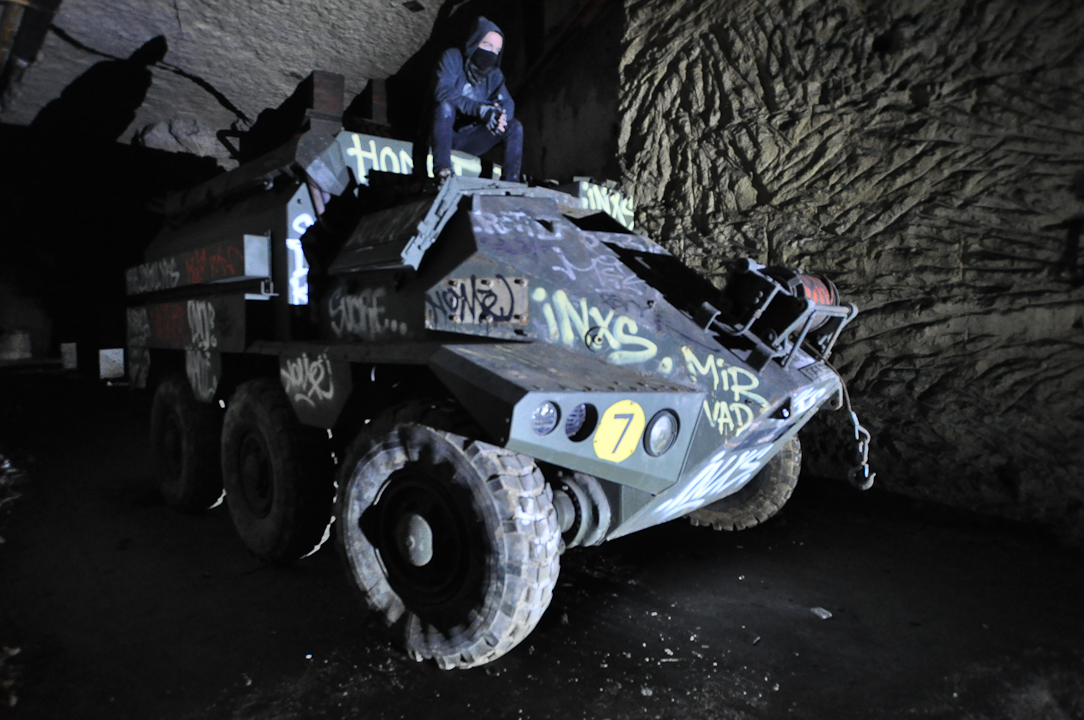
Sometime in the spring, we rolled into a quiet village in this Paris suburb at 2am and killed the headlights while we looked for a place to park the car where it wouldn’t be noticed. It was quiet enough to hear the gravel crunch under our feet as we ran up to a blast door and slipped down a dusty ventilation shaft. Inside – a massive quarry system converted into a NATO headquarters bunker full of decommissioned military equipment brought in by strange enthusiasts. The only thing more fun than taking photographs in these rigs? Playing destruction derby in them. Just kidding. Sort of.
#9 – Palais de Justice, Brussels, Belgium

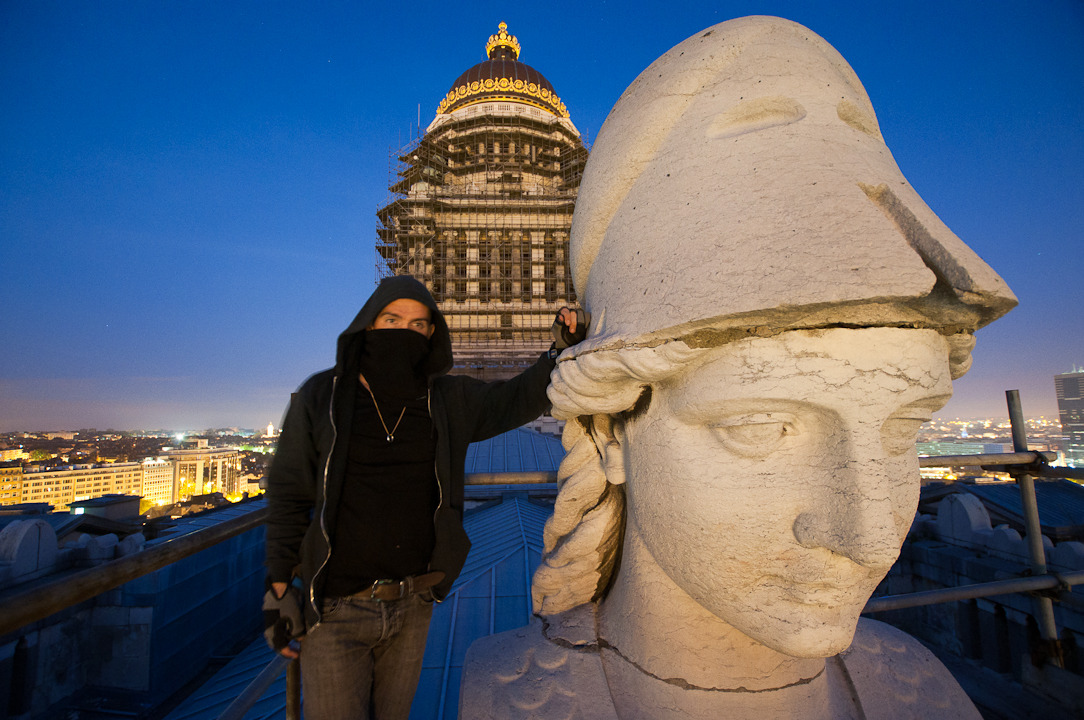
The Brussels Palais de Justice was the largest building in the world when it was finished in 1883 and opened by King Leopold II. It’s rumoured that it’s construction was such an undertaking that the architect, Joseph Poelaert, died from exhaustion. So when we heard it was covered in scaffolding, well, we knew we were going to climb it. 2/3 of the way up the scaff, Statler quit and by the time I pulled myself onto the dome, I thought I was going to die.

I was so shattered, I couldn’t even enjoy it; we just left a jar of Vegemite on top and climbed down. In hindsight, it probably wasn’t the best way to begin a 2-week roadtrip given that we were all wrecked by 6am on the second day but hey, for these views…
#8 – March Joint Air Reserve Base, Moreno Valley, California

I came back to California for a conference in March and I got a call from my brother Pip – “so you like exploring stuff these days huh? I’ve got something we can explore.” Turns out, Pip wasn’t joking. After sneaking onto March Air Force base in Moreno Valley, California, a broken window gave us access to a 7-story building full of disused medical equipment, then being utilized as an urban warfare training ground for soldiers going to Iraq and Afghanistan. Utterly terrifying and totally fun, I am proud that a building from my home town has made it onto the top ten. Hopefully since the economy has all but collapsed, we will see more of this sort of thing. Just kidding.

On the way out, the sheriff was waiting outside. We were apparently a little reckless with our headtorches. Just as he hit us with his cruiser spotlight, four of us hid behind the only four pillars in sight. When he drove off to the backside of the building, we ran like hell. Seeing Pip go head-first into the grass just before he dove through the window of my truck as I sped off was priceless. Big props to the military police for not gunning us down with their assault rifles.

#7 – Saint Sulpice, Paris, France

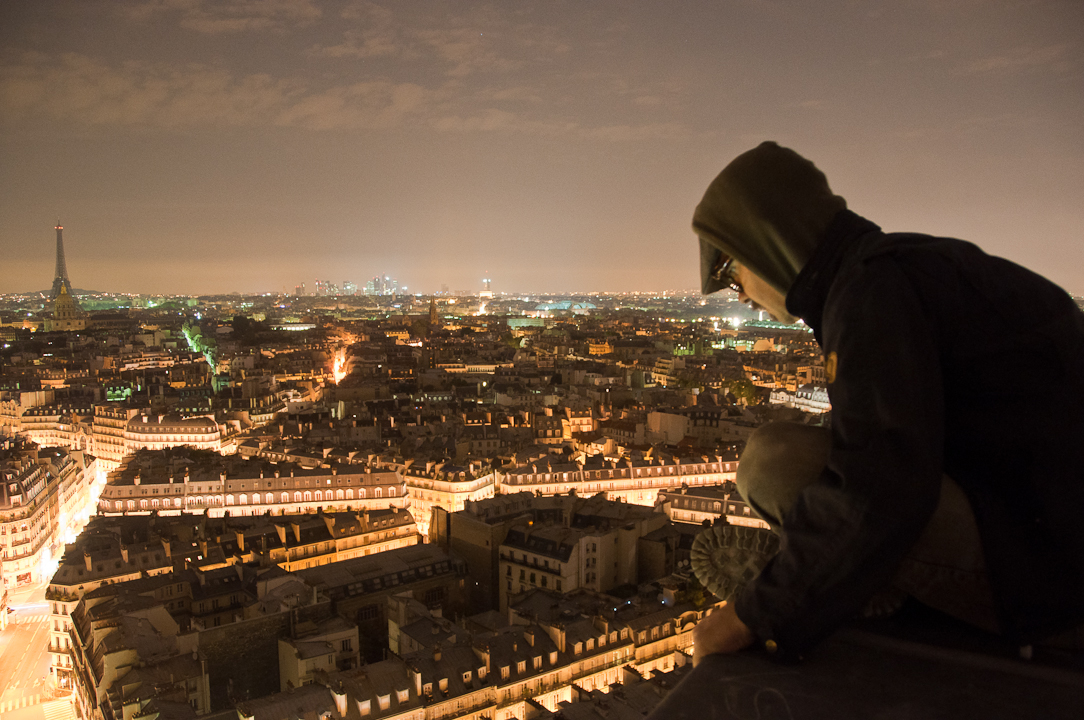
We have climbed so many churches and cathedrals this year that I think we can nominate cathedral climbing as a new Olympic sport. St-Sulpice was the gem of the year. Marc Explo distracted a security guard with inane questions just before we shimmied up the hoarding to the scaffolding. When we finally got to the top, the Eiffel Tower glowing in the distance, we found a group of 5 university students in really nice clothes having a picnic on the roof. Only in Paris.

Later, this crusty old hippie came up the scaffolding with his 6-year-old daughter and fired up a spliff as he introduced himself. Like I said, only in Paris.
#6 – The Sanitary(um) Hospital, London, United Kingdom

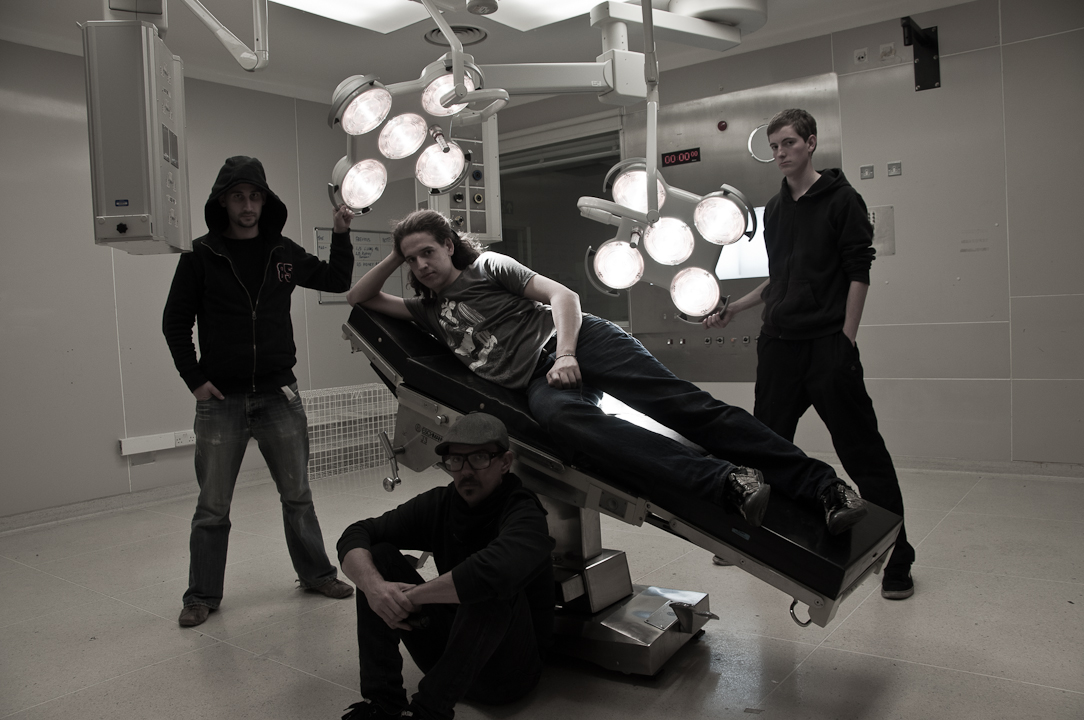
Hands down the most pristine derelict hospital I have ever been to. The hospital is also in the most unlikely location for a giant derelict building and it took Patch and Neb weeks of research and climbing around the place using benches and ropes to finally find an open window. Shouts to Patch for the dedicated research and legwork on this one – the payoff was grand!
#5 – Millennium Mills, East London, United Kingdom

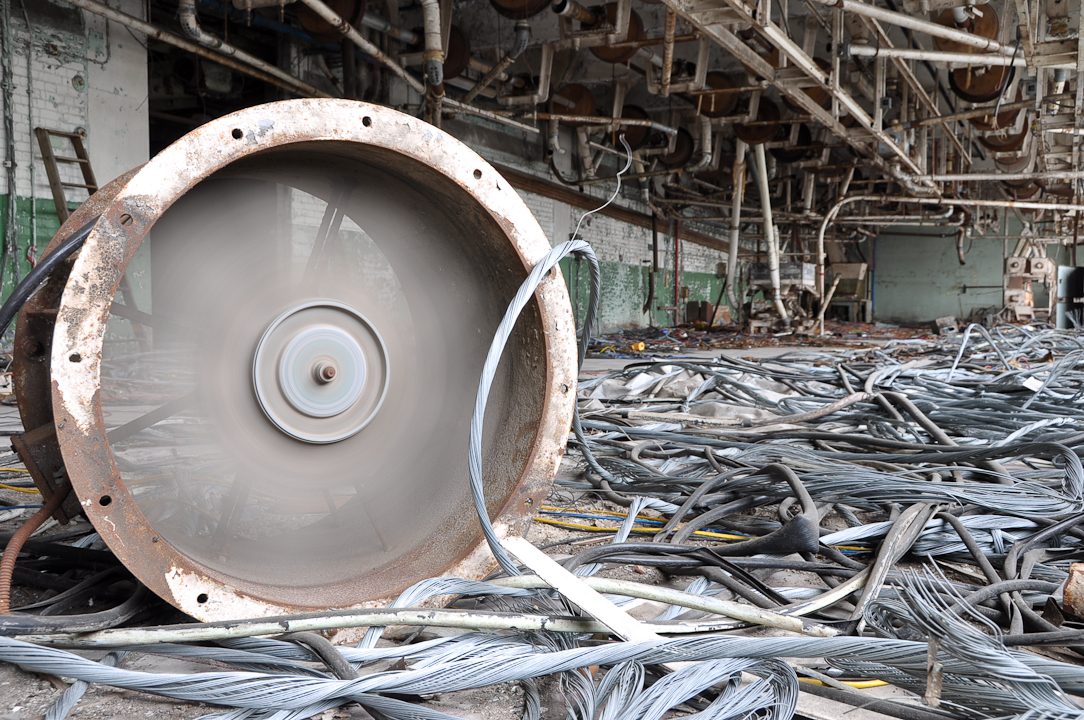
I had been putting off Millennium Mills for years. I think a part of me wanted to save London’s last epic ruin for when I needed it most. When “Gary” called me and said “meet me on the Excel Centre bridge”, I knew the time had come. Mills exceeded all expectations, it’s clearly one of the most beautiful industrial ruins on planet earth today. As such, it’s been good to see a renewed interest from London explorers in the site lately. Might as well since the security guard is utterly useless!

Like all beautiful things, London authorities plan on fucking it up by turning it into a dreadful 5000-home development with an aquarium.
#4 – Croix Rouge Abandoned Métro Station, Paris, France

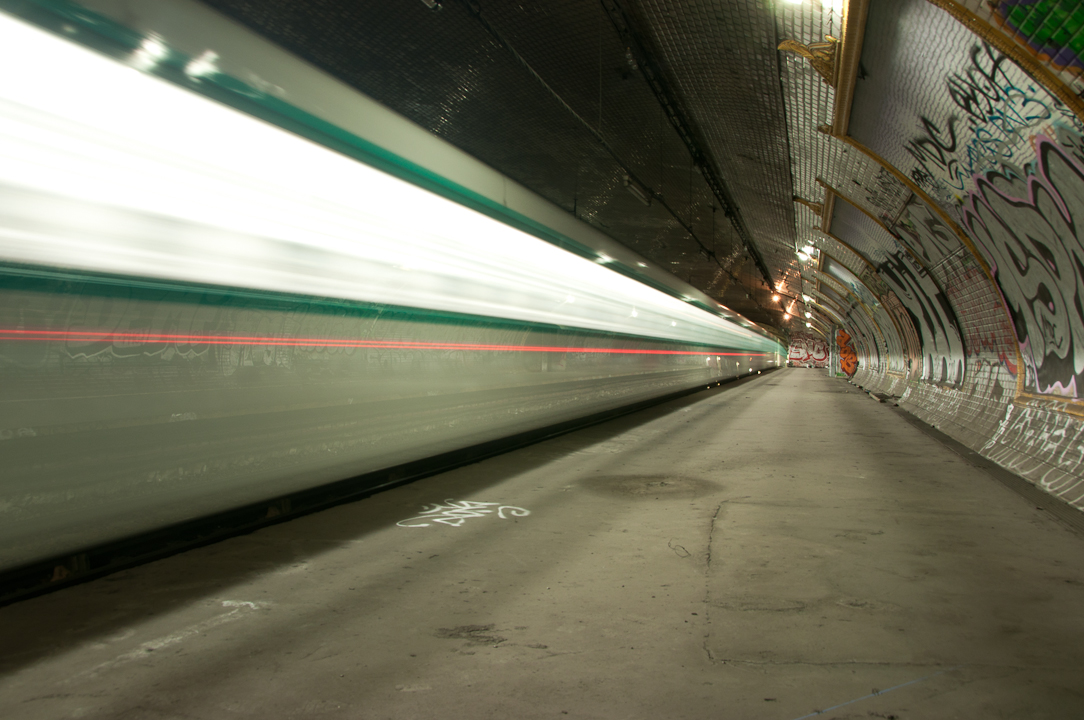
Croix rouge was as terrifying to get to as it is beautiful. Unbeknownst to me at the time I hit the shutter, this photographs would tour London as a 20×30″ print and end up on the brochure for the 2010 Royal Holloway, University of London Vertical Geographies Conference.

As usual, the best thing about Paris is when you crawl out of a metro tunnel onto a platform cackling, dressed in black and covered in tunnel dust and no one cares.
#3 – Lucky Charms, Stockwell, London

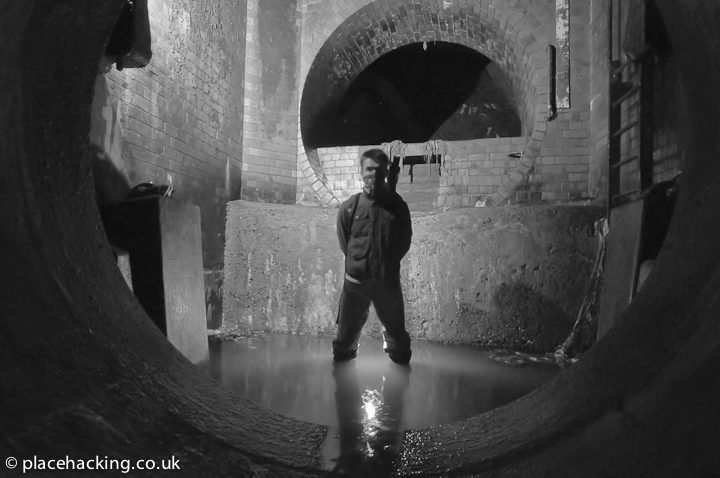
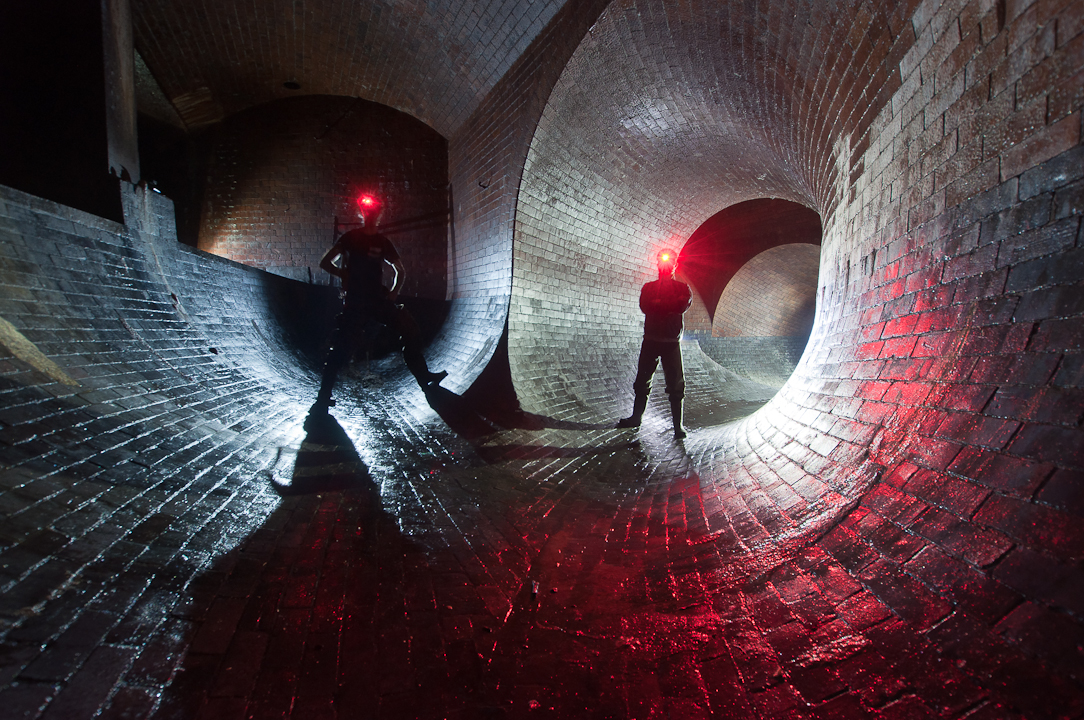
Otter, Yaz and I jumped into a sewer at Stockwell station and accidentally went upstream. I don’t know what we were doing but Yaz then says, “why don’t we just see what’s around the corner.” Ten minutes later, we were in one of the most beautiful drain junctions I have ever seen. Otter, in his style, spent 30 minutes setting up lights for this photo while Yaz and I danced in our waders to drum and bass.

I am incredibly humbled that Otter and Yaz invited me to name this drain. I christened thee “Lucky Charms”, the most wonderful drain we didn’t mean to find.
#2 – Pre-metro, Antwerp, Belgium

In the 1970s, Antwerp had a big plan to build 15 km of Metro tunnels with 22 stations. Then they remembered they were in Belgium and made sure not to complete it. Today, only 11 stations have been built and it’s never been used. But that is not the fun part.

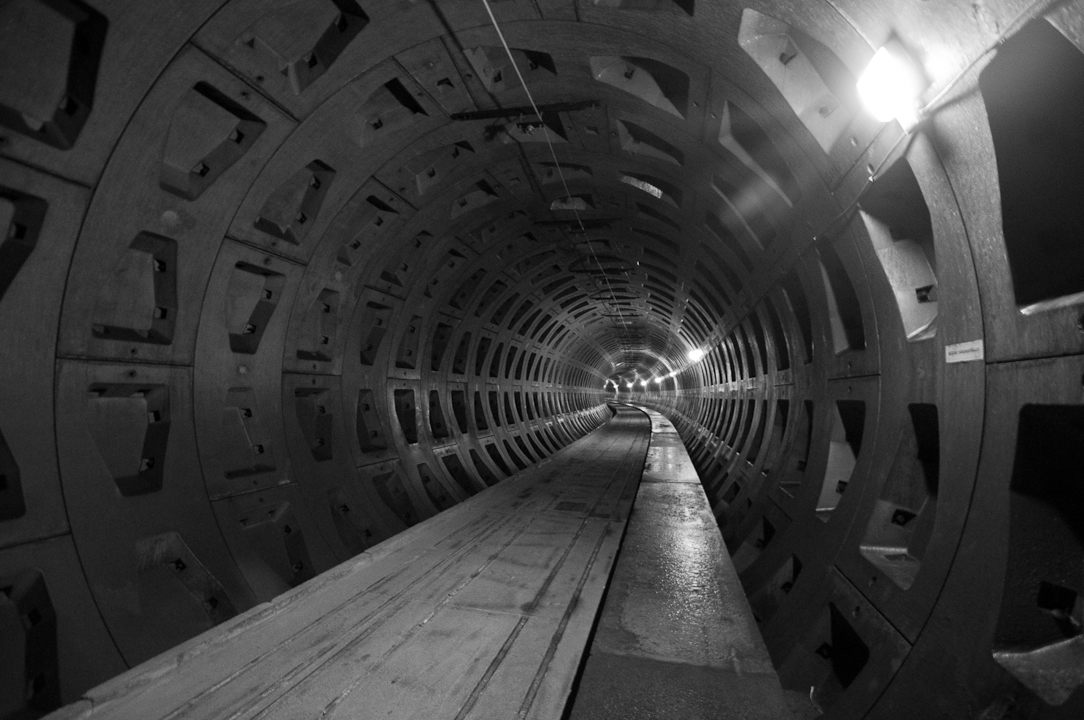
The fun part is that the only way in to this beautiful beast of a system is via a 30 meter air vent with a straight drop. At the tail end of our road trip to Poland, we tied off the ropes and dropped into this gorgeous piece of almost-architecture while the rain pummelled us from up high.

Flipping the light switch at the bottom and watching the lights spark down 11 abandoned (under construction?) stations was one of the greatest things I have ever witnessed. Not being able to ascend out of the system due to exhaustion, torrential rain, and fear – even more awesome!
#1 – King’s Reach Tower, Southbank of the Thames, London

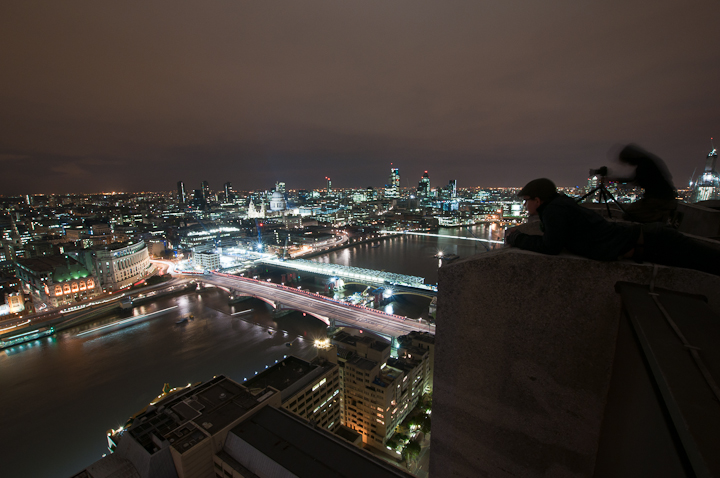
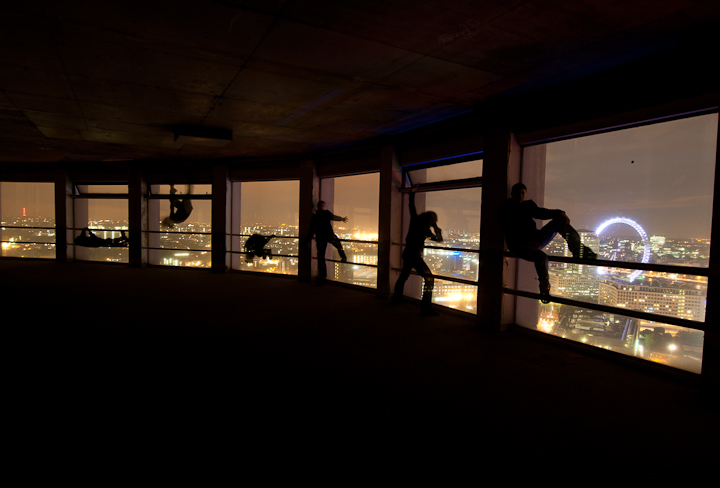
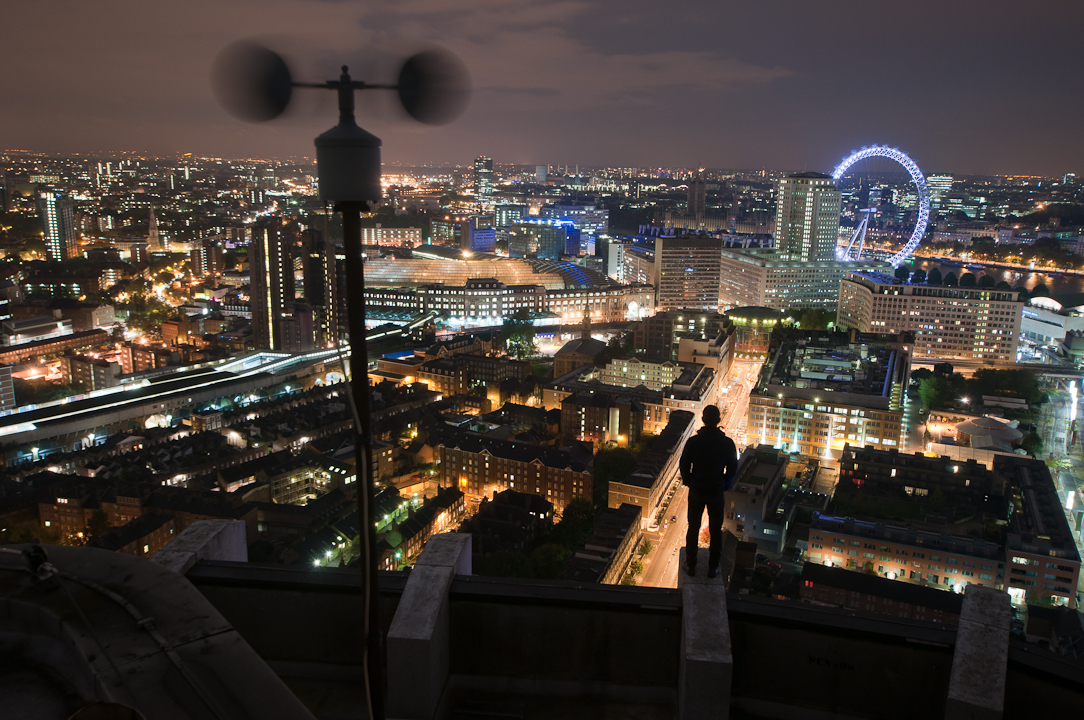
And finally, maybe surprisingly, at number one on my list this year is my new London favourite. The first time I stepped onto the roof of King’s Reach Tower, 111 metres over the Thames, I was floored by how spectacular the view was. It also has (had?) a working lift which seriously made this a night out that almost didn’t feel like exploring at all, just an evening with drinks and a beautiful view. When Otter released his Gigapixel panorama of London taken from here, I knew we had something incredible on our hands. It only got better when we threw an epic party on the 29th floor which brought explorers from 5 countries together for a fantastic gathering that ended in a drunken congratulatory speech from Siologen.

And so with that, I officially close the Place Hacking 2010 year of exploration. Hope to see you all out there next year!
________________

Thanks to Statler, “Gary”, Otter, Patch, Yaz, Neb, Claire-Elise, Gigi, LutEx, Hydra, Witek, Brickman, Cogito, Joel and Jesse Childers, Siologen, Snappel, User Scott, El Gringo, Pip and everyone else who I have been exploring with this year.

A special thanks to Winch for organizing all of our legendary ProHobo Road trips. I don’t know how you do it mate, but don’t stop. Marc Explo deserves the utmost respect for not only for his skills as an explorer but his in-action philosophising that always send me back to the drawing board. Silent Motion is the best place hacker the world has yet seen, you are an inspiration brother.

Further, I have had some great conversations and received encouragement on my PhD research from Dsankt, Urbanity, Simon Cornwell, Trevor Paglen, Adam Fish and the crew at Savage Minds, Alan Rapp, Julia Solis, Shane Perez and Steve Duncan. Cheers all. Thank you finally to Tim Cresswell for your unwavering support (and blind eye) during late night frantic calls and early morning coffee chugging sessions at the London Review Bookshop.

On a final note, 2011 already promises more than 2010 delivered so watch this space.

Oh, one more thing.

Explore Everything

Share
Tags : , , , , , , , , , , , , , , , , , , , , , , , , , , , , , , , , , , , , , , , , , , , , , , , , , , , , , , , , , , , | 10 comments

London Legends

Posted by Bradley L. Garrett on Sunday Nov 28, 2010 Under Breaking and Entering, Celebration, Cultural Geography, Freedom, Urban Exploration

As life is action and passion, it is required of a man that he should share the passion and action of his time, at peril of being judged not to have lived.
– Oliver Wendell Holmes, Jr.

Produced by Otter

Share
Tags : , , , , , , , , , , , , , , , , , , , , , , , , , | Comments Off on London Legends

I like to just gobble the stuff right out in the street and see what happens, take my chances, just stomp on my own accelerator. It’s like getting on a racing bike and all of a sudden you’re doing 120 miles per hour into a curve that has sand all over it and you think “Holy Jesus, here we go,” and you lay it over till the pegs hit the street and metal starts to spark. If you’re good enough, you can pull it out, but sometimes you end up in the emergency room with some bastard in a white suit sewing your scalp back on.

–Hunter S. Thompson, Playboy Magazine, 1974, discussing drug use as edgework

Keep looking

Edgework was a term first used by gonzo journalist Hunter S. Thompson in his book Fear and Loathing in Las Vegas to describe the necessity some people find in pushing boundaries to find fulfillment. The idea is to work as close to the “edge” as one can without getting cut (or at least not too deeply). For Thompson, this meant putting himself in perilous situations such as doing ethnographic research with the notorious Hell’s Angels Biker Gang, ingesting various intoxicants to the point of near overdose or taking drugs of unknown origin in unexpected combinations.

The term edgework was appropriated by the socialist Stephen Lyng as a blanket term for anyone who “actively seeks experiences that involve a high potential for personal injury or death.” In his 1996 article Edgework: A Social Psychological Analysis of Voluntary Risk Taking (expanded in 2004 as an edited book), Lyng goes on to explain edgework as a negotiation between “life and death, consciousness and unconsciousness, and sanity and insanity”.

Relatively conscious (photo by Otter, Yaz and Goblinmerchant)

It seems to me that most urban explorers not only feel the need to test those limits, but to push them. We find those opportunities in drain systems, where the obvious risk comes from flooding and drowning to abandoned buildings which have both short term (collapse) and long term (respiratory problems, cancer etc.) negative impacts on our bodies. Many urban explorers also frequent high places where falling is always a possibility. In these locations we are free to do our edgework, pushing these boundaries by hanging from cranes, balancing on edges of long drops, precariously tiptoeing over weak floors and scrambling under collapsing roofs.

Edging (image courtesy of nocturn.es)

In wider society, inevitably connected to the concept of “liability”, is the notion that these activities are trangressive. UrbEx, like street art, skateboarding and parkour, is a practice which reappropriates urban space for an unintended or unexpected use that may result in bodily harm and one of the common reactions to people choosing to take unnecessary risks is, of course, suspicion that these people are “out of place”. But as Christopher Stanley has written, “these subcultural events [could] assume the status of resistant practices not in terms of ideology but rather in terms of alternative narratives of dissensus representing possible moments of community.”

Sinking feeling

As Lyng rightly points out later in his article, “risk taking is necessary for the well-being of some people” as individuals work to “develop capacities for competent control over environmental objects” (see Klausner 1968) inspiring edgeworkers to sometimes speak of a feeling of “oneness” with the object or environment while undertaking these risks.

I know that the places where I feel most embedded in the “fabric” are places where I have taken risks. In those places, I have bonded not only with Lyng’s “object and environment” but also with my friends who shared in those risks.

Alternative cathedral use, Paris (image courtesy of Marc Explo)

The desires to explore for the sake of exploring, to take risks for the sake of the experience, with little thought to the “outcome”, is something that runs deep in us when we are children. Urban explorers are, in one sense, rediscovering and forging these feelings of unbridled play, of useless wandering, of trivial conversation and of spontaneous encounter, all of which lead to the creation of very thick bonds between fellow explorers who use play as a way “to de-emphasize the importance of work and consumption and their pervasive monetary components.”

These explorations bond people in an emotive embrace, tendrils of affect conjured by shared fear and excitement, experiences that have become increasingly hard to find in many modern city spaces which Guy Debord argues “eliminate geographical distance only to produce internal separation.”

Perched

Despite the ways edgework may be seen as trangressive, the empowering and inspiring process of undertaking edgework is exactly what is lacking from many people’s lives in global cities. Edgework may in this sense be seen  healing rather than severing, a hot blade that melts. Physical human connections through shared experiences of peaked emotions build stronger bonds of community, and I am proud to belong to this tribe of urban bodhisattvas.

Tribe

Share
Tags : , , , , , , , , , , , , , , , , , , , , , , , , , , , , , , , , , , , , , , , , | 8 comments

The desire for alternative options starts with disappointment and anxiety.
–Alan Rapp

We live a free life. Very few people can say that.
–Marc Explo

Stretching

Following from Rapp, where does disappointment start? Why did we have expectations to that lead to anxiety to begin with? Are disappointment and anxiety internally or externally imposed conditions? Finally, what is the organic link between urban exploration and infiltration?

In the course of the following visual spectacle, I present two important case studies: an exploration of a derelict London Tube station paired with a live infiltration of a number of Paris Metro stations sprinkled with a sugar coated topping of French cathedral brachiation. The link between these seemingly disperate case studies in time-wastery, I will suggest, is desire.

Fragments

Of Time

Less interesting

Our desire to seek ruins is as obvious as the motivations behind the expeditions. We seek them to find pieces of what was, was is, what could have been. The failure of planning, execution and participation found in this empty station is comical and sad but not necessarily disappointing. We assure ourselves that the only thing that could make the situation more amusing would be if a train were suddenly to pass though, disrupting our notions of what we thought we barely understood. By the time we leave, we are pretty sure something happened. We can see it on our skin, taste it in our teeth, wash it out of our clothes but the experience remains so ephemeral that to speak about it is almost blasphemy. The satisfaction that comes with that feeling is almost as wonderful as the peals of laughter that ring out from our throats as we leap from the back of the speeding train into the dark tunnels, drunk on the screams of platform perambulators who are sure that we are the demons they heard about on the 10 o’clock news.

The multiplication of the third rail

The eminent anthropologist Marc Augé is disappointed with our play space. Throughout his entire book on ‘non-places’, poor Augé is a victim of one postmodern monstrosity after another, striking out at remnants of what remains with a panicked grab, decrying the end of history, implying that there is no place for us in a world of machines, of mobility, of ‘urban concentrations, movements of population, and the multiplication of what we call “non-places”, in opposition to the sociological notion of place…”. But as Alastair Bonnett writes, this ‘sociological’ notion of place is was a false consciousness imposed by bureaucratic minds ‘colonized by the language of academia’ be begin with.

Your illusion

I contend that place is what you make it and the responsibility to make space viable, vibrant and interesting, the responsibility to create places of desire is only limited by our individual and collective capacities for love and the level of our energies devoted to giving a shit. As Sartre has taught us, since we all share in the same situation, we must embrace our awesome freedoms, deliberately rejecting any (false) promise of authoritative moral determination. Freedom is not given, it is obtained. I hear Marc Explo teaches a seminar on the rooftops of Paris with beer in hand on this very topic.

7.5%

My comments are not intended to be solely derogatory. I am not suggesting that a vision of life which is guided by another person’s ideals is inauthentic. Indeed we are all, to some degree or another, remixing, reusing, embracing, contesting and disputing all that has come before. Individuals that I quote, in speech and text, have quoted others before me, a lineage stretching back as far as communicative origins. This continuum of thought and energy should be celebrated with toasts to the heavens for the graces of wisdom. We have inherited more knowledge, more beauty, more potential, than any human beings who have come before. To suggest that that knowledge and the possibilities that cause fragmentation of self awareness are disappointing is in itself disappointing. Join the party Augé, I have a bottle of Beaujolais Nouveau waiting. Make no mistake, it will be messy, it will be confusing, it will be the ruin and the construction site, Battersea Power Station and Heathrow Terminal 5. It will be the informal state of constant becoming but ‘to embrace the chaos is not to slide toward entropy but to emerge into an energy like the stars’.

Forming

Spontanous combustion

While we can all clearly see that within a capitalist system, the invitation to co-produce place often has a price or that the output of that production is expected to become commodified, we may choose to operate outside of that system. Maybe that operation requires giving up watching East Enders tonight. Maybe it requires operating at a loss. Maybe it means writing a shitty Ph.D. because you were in a sewer instead of resting up for the next wrestling match with Microsoft Word. Fuck it, people begin participating in informal modes of cultural production because they want human bonds and community to take precedence over outcome. People want becoming over being. People want the freedom of the present! ‘On the other hand, anyone trapped in the anemic and atomized everyday routine of our residential deserts might doubt that such determination could be found out there anymore. Reconnecting with such gestures, buried under years of normalized life, is the only practical means of not sinking down with the world, while we dream of an age that is equal to our passions.

Marinetti

As the Invisible Committee reminds us, the primary component of that freedom is not just enthusiasm but passion. And the passion for joy, for bonding, for shared experience and community goes beyond the specifics of the practice (read: UrbEx). The one thing ALL explorers of space share is a passion for life, ‘an exuberant and playful negation of the alienation and exclusion provoked through axiomatic consumeristic machinations.’ And here, we begin to see the contemporary critique of traditional notions of exploration in the rejection of the idea that only some can be involved or that a passion for adventure can only be satiated through grand international expeditions. Urban exploration teaches us that those stories, those adventures, are found in our backyards also – if you choose to chase them.

The Rabbit Hole

Follows no cardinals

If this sounds polemic, that’s because it is. I am tired of disappointment, resentment and critique being the only accepted modes of critical academic engagement. We do what we do because we love it. It produces nothing. It hurts no one. It endangers our lives. That is our choice and no one else’s. And in expectation of the showering critique, the next person who tells me that my happiness is subject to an economic audit can keep chewing on that corpse because my fingers are in my ears.

There's no such thing as ghosts!

Barthes writes that pleasure is continually disappointed, reduced and defeated, in favour of strong, noble values: Truth, Death, Progress, Struggle, etc. It seems that our society refuses (and ends up ignoring) bliss to such a point that it can produce only epistemologies of the law. Well if that’s the case then fuck the law. I never consented to it’s construction in the first place and I am pretty sure that democracy isn’t supposed to resemble a Mafia extortion scheme. But don’t take that as a threat, it is rather a populist invitation to playfully reinterpret what the state holds so sacred, it’s an invitation to critically and playfully engage with the humiliating notions of ‘morality’ and ‘progress’ that dehumanize, commodify and deterritorialize our places of occupation to create what Guy Debord called “an impotent utopia of pretensions and complicities.” We intend to end the humiliation of a sham democracy by resituating ‘strategic sites of power beyond the depersonalized representation of an impotent democracy and back into the multitude.’ Following Laurie Weeks’ Theory of Total Humiliation: “we don’t erect monolithic reified barriers against the humiliation; rather we welcome it, embrace it; then everyone wants to fuck us, for mysterious reasons.”

Fuck us

So that we come full circle here, what does an exploration of a derelict London Tube station paired wimh a live infiltration of a number of Paris Metro stations and some rogue climbing of outdated religious architecture have in common? The answer is desire. We desire, and take, opportunities to ‘slip into a paradoxical position between the “real “and “not-real” in that it incorporates “real” words, gestures, hopes and intentions, that are framed as “unreal” through playful context.’

_________________________

We play out of desire

Desire sprouts love

Love is like oxygen

Share
Tags : , , , , , , , , , , , , , , , , , , , , , , , , , , , , | 2 comments

Playing with Power

Posted by Bradley L. Garrett on Sunday Jul 11, 2010 Under Freedom, Psychogeography, Situationism, Urban Exploration

Your pain is the breaking of the shell that encloses your understanding.

-Kahlil Gibran

We are not depressed; we’re on strike. For those who refuse to manage themselves, “depression” is not a state but a passage, a bowing out, a sidestep towards a political disaffiliation. From then on medication and the police are the only possible forms of conciliation. This is why the present society doesn’t hesitate to impose Ritalin on its over-active children, or to strap people into life-long dependence on pharmaceuticals, and why it claims to be able to detect “behavioural disorders” at age three. Because everywhere the hypothesis of the self is beginning to crack.

– The Invisible Committee

Prison

Exploration is the only medication my body subscribes to. My trembling fingertips reach for the sewer keys on my way out the door and my bowels twist in satisfaction. This addiction began as research, then I went native, then I lost my way. My love for ruins, my love for old stuff, slipped quietly into the present without even a little wink to let me know what was happening. A life spent looking for material traces of the past morphed into a series of events connected only by my churning belly that vaguely resembles art or a job in construction.

Please don’t expect me to say I found my way again because I didn’t. I was at Tate Britain the other day listening to Joseph Heathcott talk about digging through a photo archive. He said that as he dug, he became more and more confused, buried in images that he didn’t know how to contextualize. When he reached the bottom of the box of images, all he could see was himself.

We explore not to find places but to find meaning. Place hacking is only partly about architecture, history, dereliction or photography. It is about reminding ourselves what in life is worth experiencing. Our explorations embody a consistency between action and thought where what we dream becomes real. The addiction that comes along with that is the point at which your synapses start firing in new directions, making connections you didn’t know existed or that you lost somewhere along the way. It’s the point at which you realize you never want to work again, the instant at which you understand you never want to own a home, the moment when the revelation occurs that the terrorist threat is as non-existent now as it was in 1972 and 1023 and that most of the world, despite what the media would have you believe, is full of love and attachment, not hate and fear.

Thinking of you

I have lost my way. I hardly know the (a?) government exists. I have forgotten about commitments. I have widened my focus to the point that I can barely see anything not in front of me and yet eschew almost nothing, an optic of total stimulation. I spend all day with my friends. I am in love with every moment. I know my neighbourhood, my city, inside out. I just described childhood.

We have built up a shell around ourselves to defend our bodies and minds from the barrage of victimisations they are subjected to. We are left staring stupidly at what it is we are being asked to do, wondering again and again “is this it?” Joshua Ferris, in his novel And Then We Came to the End sums it up in this tidy moment seen through the eyes of Carl, a copywriter for an ad agency: “Directly to his right, something curious was going on. Two men in tan uniforms were hosing down the alleyway – a small dead-end loading dock between our building and the one next to it. Carl watched them at their work. White water shot from their hoses. They moved the spray around the asphalt. The pressure looked mighty, for the men gripped their slender black guns, the kind seen at a manual car wash, with both hands. They lifted the guns up and sprayed the dumpster and the brick walls as well. They spot cleaned, they moved refuse around with the stream. For all inert purposes, they were cleaning an alleyway. An alleyway! Cleaning it! Carl was mesmerized….good god, was work so meaningless? Was life so meaningless?”

We have become desensitized to the everyday. We have become part of the spectacle, ignoring emotional engagement with the world because we are so alienated by it. We formulate emotional shells that lock out beauty as well as pain and stop us from taking action. We are left in a state of perpetual isolation, mouths open, ready to pour in pills to fix what we lost. We are left inert, flaccid, empty. As Raoul Vaneigem once said, “people who talk about revolution and class struggle without referring explicitly to everyday life, without understanding what is subversive about love and what is positive in the refusal of constraints, such people have a corpse in their mouth.” Raoul’s thesis is outlined succinctly in the following diagram.

I suggest a different sort of medication to cure that corpse-filled mouth. Explore everything, shatter the shell and live free.

Dreamers

get vertical

Playfully

Move beyond your conceptions of exploration. Explore your mind, explore the dance floor, explore your broken family that your are ignoring while you read this drivel. Move into abandoned buildings, take locks off of doors, turn CCTV camera so they only see each other, light off fireworks randomly. Scream at people in the streets, talk to strangers, photograph police. Stop paying the state until they give something back other than the promise of a good pension if you join the military and avoid dying through war X. Take what’s in front of you and pour your heart into it. And if you have to quit your job to make that happen, then go. But do it in style – run out screaming into the sky to invoke your freedom. Even better, abseil out of your window and rappel to freedom.

Play is power. Freedom is power.

Photo by Marc Explo

We don't need 4th of July or 5th of November as an excuse to explode things in celebration (Marc Explo).

Our work ethic

__________

Share
Tags : , , , , , , , , , , , , , , , , , , , , , | 4 comments