Anticipating Transience – Saying Goodbye to West Park Asylum
Posted by Bradley L. Garrett on Sunday Aug 30, 2009 Under Anthropology, Archaeology, Cultural Geography, Urban ExplorationEveryday you look on the forums, there seems to be some ‘breaking’ news about one of the derelict asylums around London being damaged or demolished. London UrbExers love these asylums for their unique histories, aesthetics and affectual qualities and often on weekends you can find dozens of groups roaming their corridors. But with the (almost complete) destruction of Cane Hill, perhaps the most famous of these asylums, I began thinking about what happens when these places disappear. I also began thinking, naturally, about how the anticipated transience of a place affects our experiences while in them.
Anticipated transience is a term I heard used by geographer Dr. Caitlin Desilvey at the Royal Geographic Society / Institute of British Geographers conference last week. As soon as she said the words, they stuck in my mind and got the gears turning about experiencing ruins as braided strands of past, present and future. I could make a case for these thoughts by discussing my visit yesterday to the West Park asylum with Marc.

West Park Courtyard
Working linearly through these three concepts, we can first imagine that we go to ruins to read their histories. Sometimes this is actually literal. Yesterday is West Park, I found countless ledgers, notepads, pamphlets and newspapers.
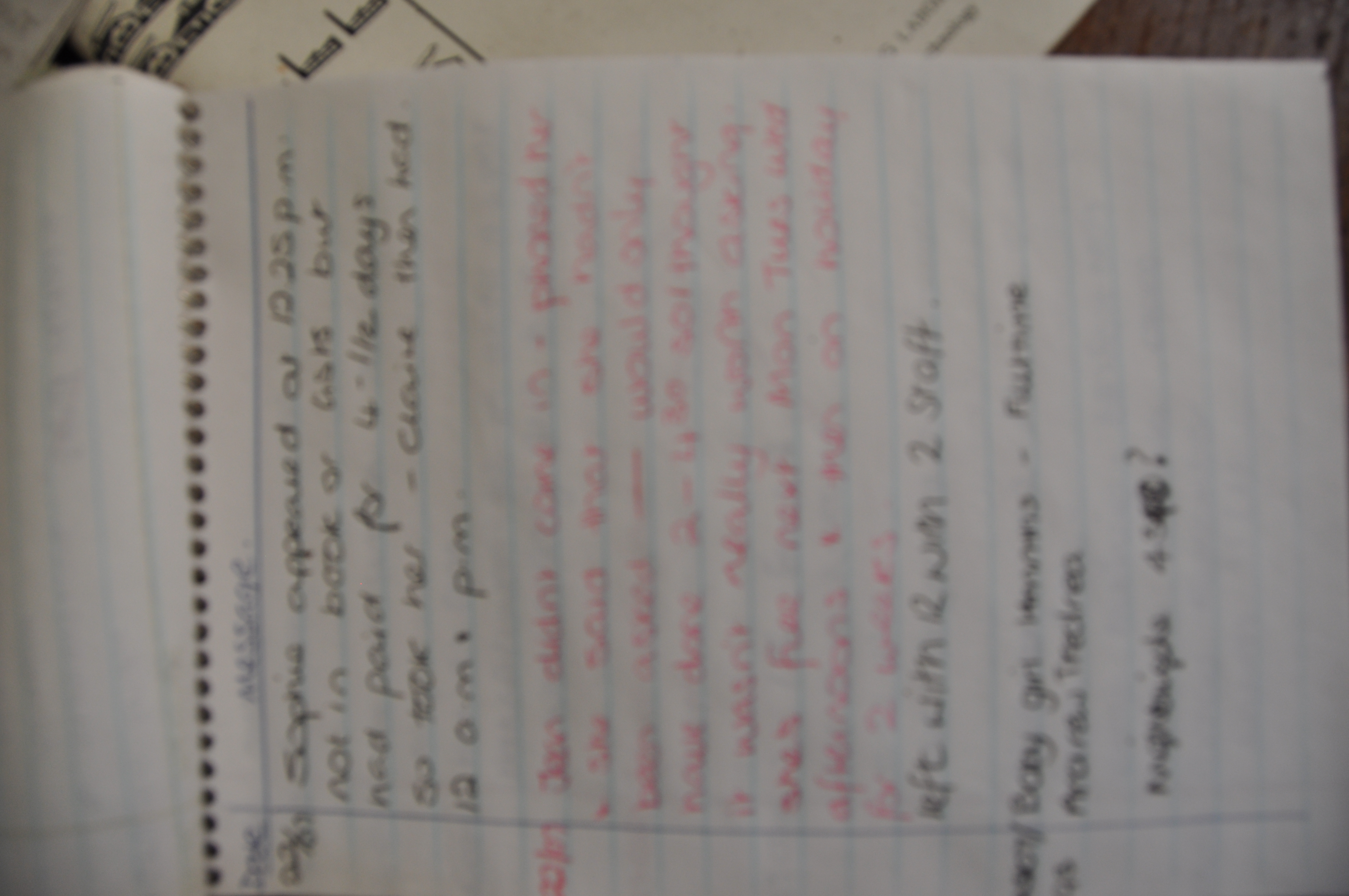
A shitty picture of handwritten notes
Images of bodies are conjured up often in ruins, particularly by people’s jettisoned clothing and empty chairs which held bodies, but these other artefacts reveal that these ghosts also had minds. Notepads with logs of playtime activities in the child ward remind us that this was a work space/place for some and of childhood memories for others. Do these people still live? Do they think of this place? Is it full of their childhood memories, inscribed in the walls, peeling off with the puke-coloured yellow wallpaper? Would these artefacts that I am photographing be important to them, do these objects contain love or demons?

Love?
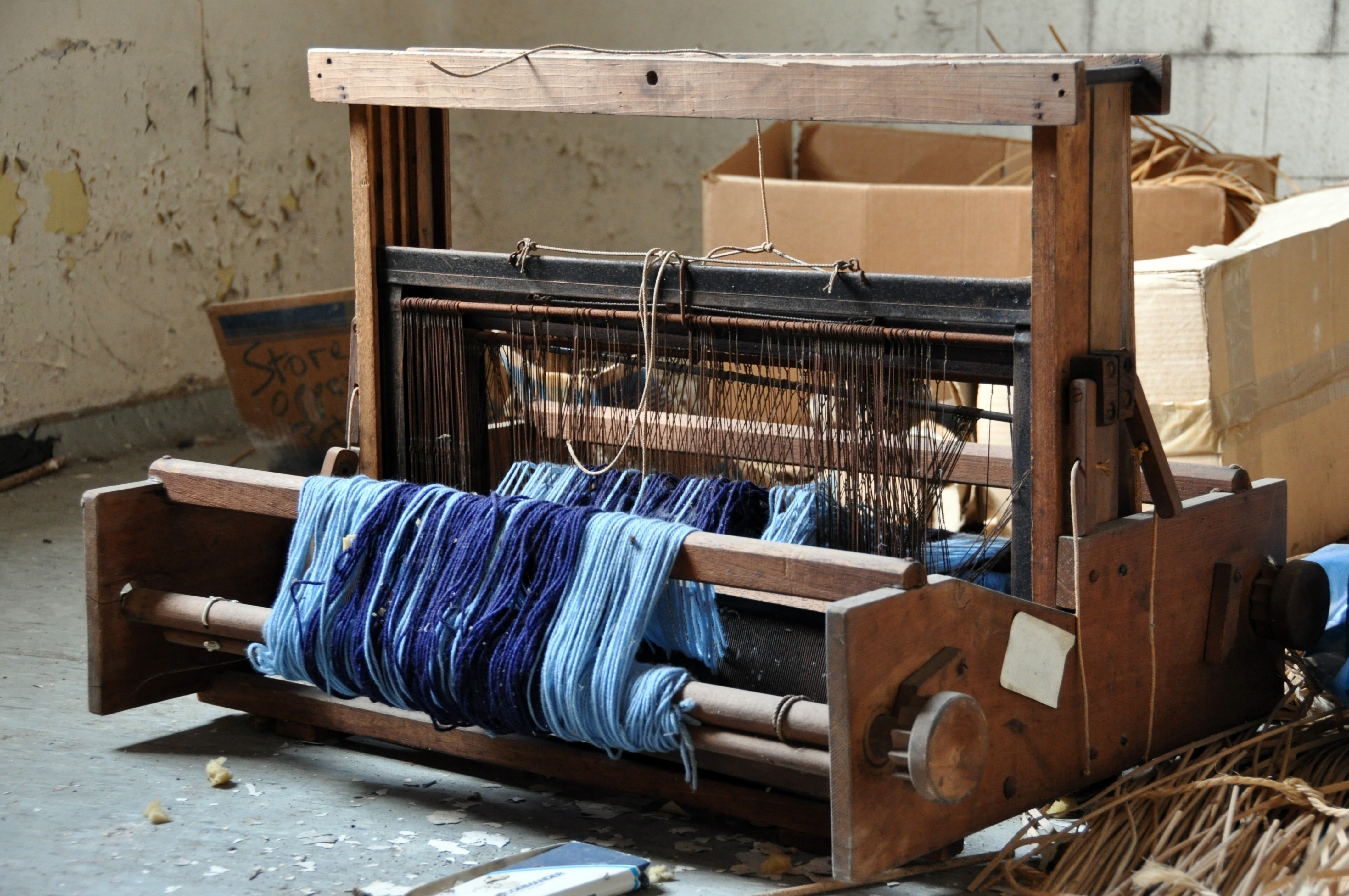
Demons?
So these histories, fair enough, are enticing, but what about the present? Here we might begin to think about our experience, not in contrast with, but interwoven with these residual emotions and fleeting memories. We go to these places to read the inscriptions, to have bodily encounters which challenge our conception of everyday experience and to eventually begin writing ourselves into the landscape by photographing it / photographing ourselves in it. But we can also imagine the tendrils of emotion that we leave behind, the shared moments of fear and excitement that are left floating in the corners like smoke in a still room.
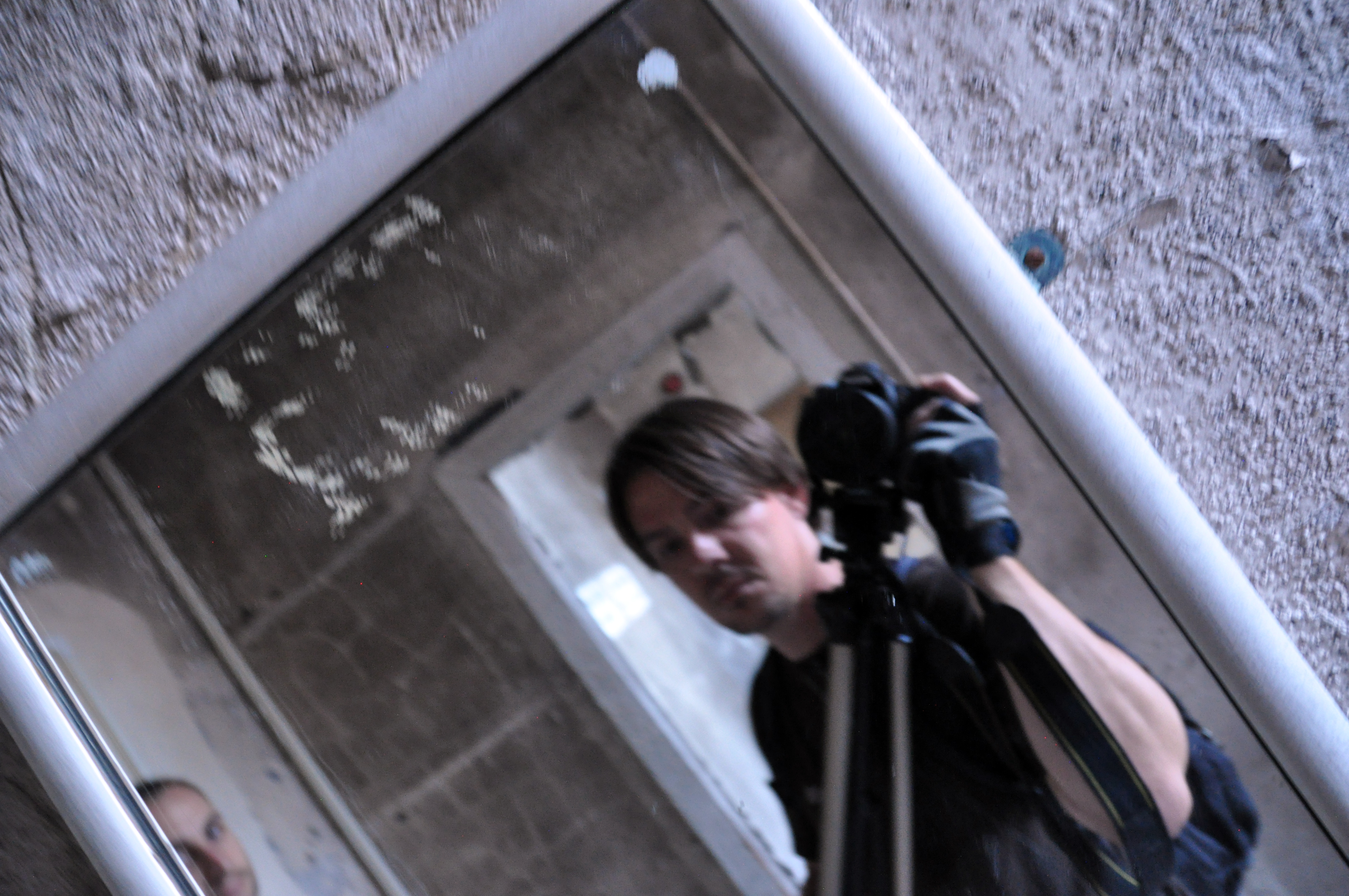
Writing ourselves into local history?
At some point we arrive at door of the future, and this is where I really get fired up about these new ideas. Part of our enjoyment of these places is clearly because of their ephemeral qualities – every time we go back to an asylum, it is different. Some explorer moved an old typewriter a meter to get better lighting on it, some chav tagged the place up, a group of kids had a party here., security put up a new board, a fox dragged the outside in. At the same time, the surrounding foliage is doing its slow work, with ivy creeping though the windows, mould taking down the walls, trees pushing through the floorboards, rain slowly picking at the roof tiles, encouraging the mould like a cheering fan in the stadium, “Yes, it screams, we can have this back too! Quick, they are not looking!” Our excitement registers when we see these changes because of our imagination of the future, because of the anticipated transience of these places. It gives us an image our ourselves written into this decaying future, our footprints in the dust.
And this, I would argue, is exactly what is missing from interpreted historic spaces or managed heritage sites – we cannot anticipate their transience because their material and memorial trajectory is regulated. We cannot see ourselves written into their futures because we are not ‘allowed’ to write ourselves into them. This is a point that heritage managers would be remiss to ignore.
But Marc was quick to reveal yet another aspect of these possible futures; that it is not just decaying places with are in a state of exciting anticipated transience. Infiltration of live sites such as construction sites also reveal potential futures, ones that we can imagine but may be difficult to see.
With rumours swirling about the imminent death of the West Park asylum, reinforced by the loss of Cane Hill, I thought about the fact that yesterday might be my first and last visit to West Park. Although it was bittersweet, I have to say that the awareness heightened my experience, creating an impetus for appreciation that may not otherwise have been as sharp. Maybe this is the point (conscious or unconscious) of these sorts of rumours – to heighten our experiences of exploration.
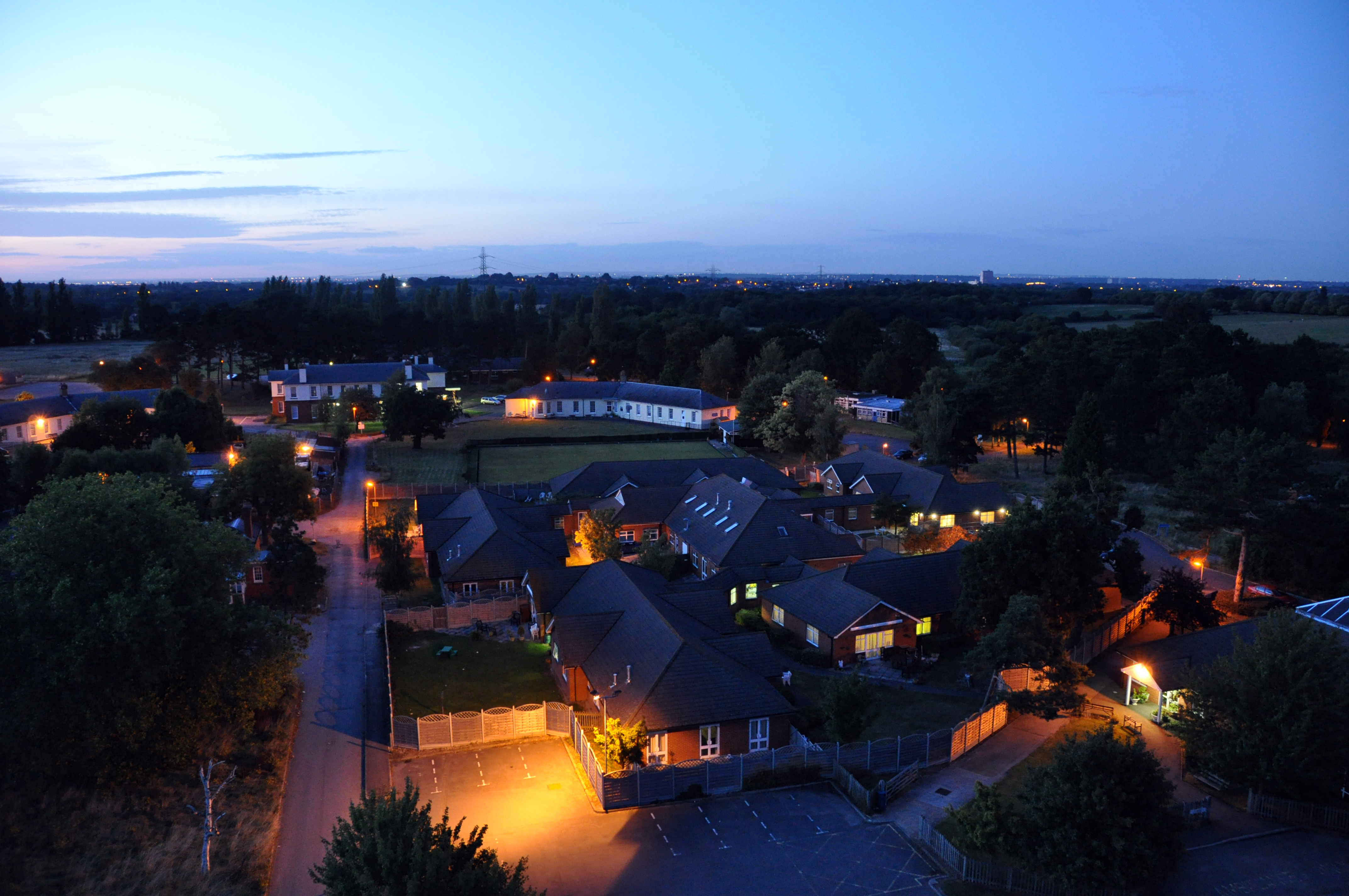
A premature goodbye?


 RSS
RSS Twitter
 Scribd