4 explorers, 5 Countries, 2000 miles, 16 abandoned sites, 5000 photographs, 3 hours of video footage, a pocket full of loose change to live on and a car full of $7000 worth of camera gear. It’s these last two bits that I find so amusing, these are the pieces of the puzzle that turn this from a hobo trip to a pro hobo trip I suppose. That and the radical mobility of our opt-in faux homelessness.

After our last trip to Europe, I wrote about urban camping. I felt like that long weekend away was a sort of like a wilderness retreat, a little escape from work and obligations to see something unstraited. Some people choose go to a pine forest for these retreats, we go to abandoned châteaus in Belgium. Seems fair enough.

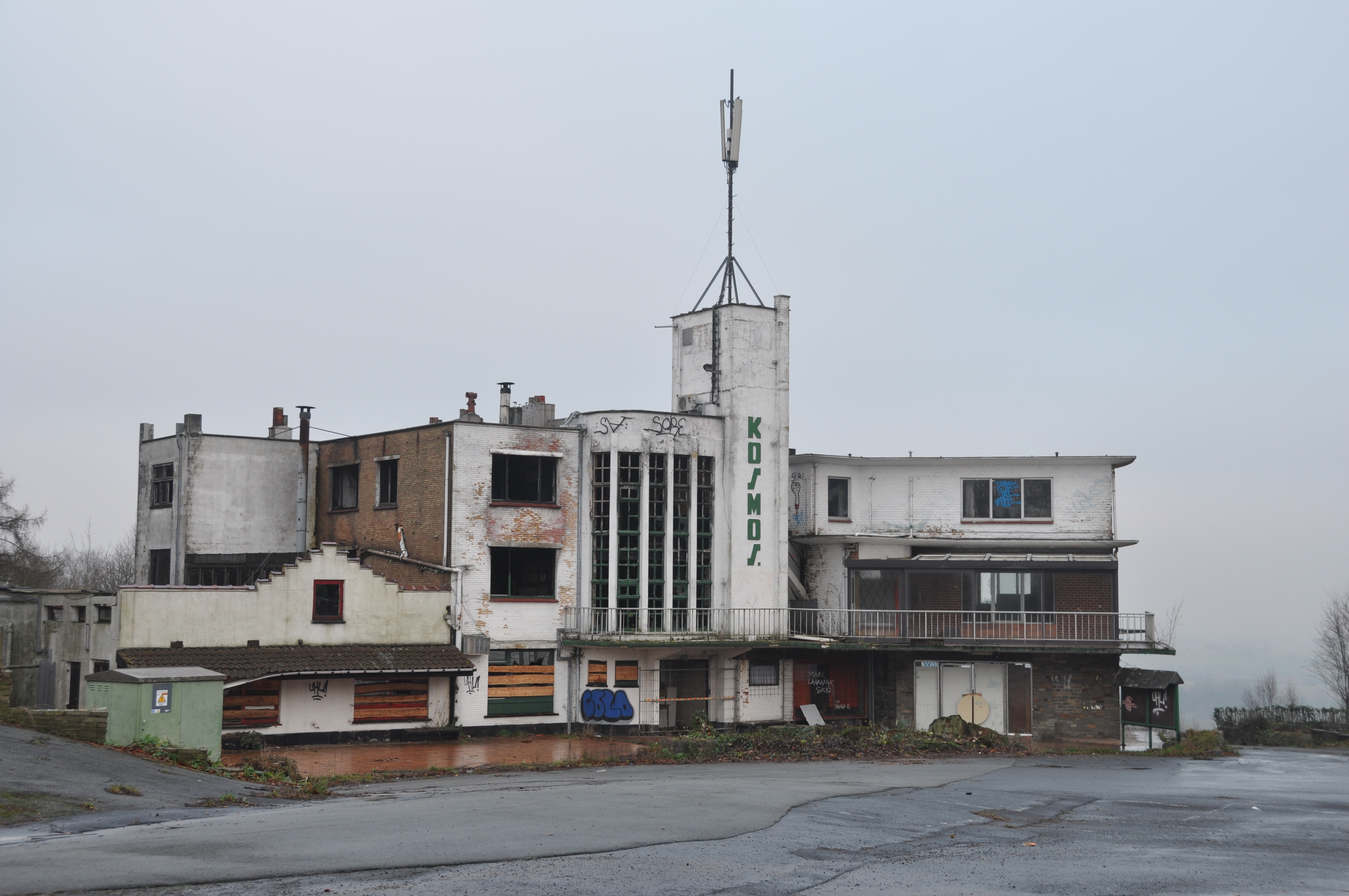
But this trip was different right from the beginning. Part of it was due to the length of our expedition, part of it due to the dynamics of the crew. We had a crew of 4 – myself, Statler, Winch and Silent Motion, all up for it in a big way. We were long inspired by the perpetual homeless adventures of Dsankt at Sleepy City which seemed to pry open a new level of UrbEx or, at the least, open up new possibilities for adventurous play. So we struck out on a Sunday night from Reading, UK, across the channel on the P&O car ferry, through the sadness of Calais, France, just across the border into Belgium to Kosmos, a hotel with a weird Russian art-deco theme that had closed in 1996 where we planned to stay the night.
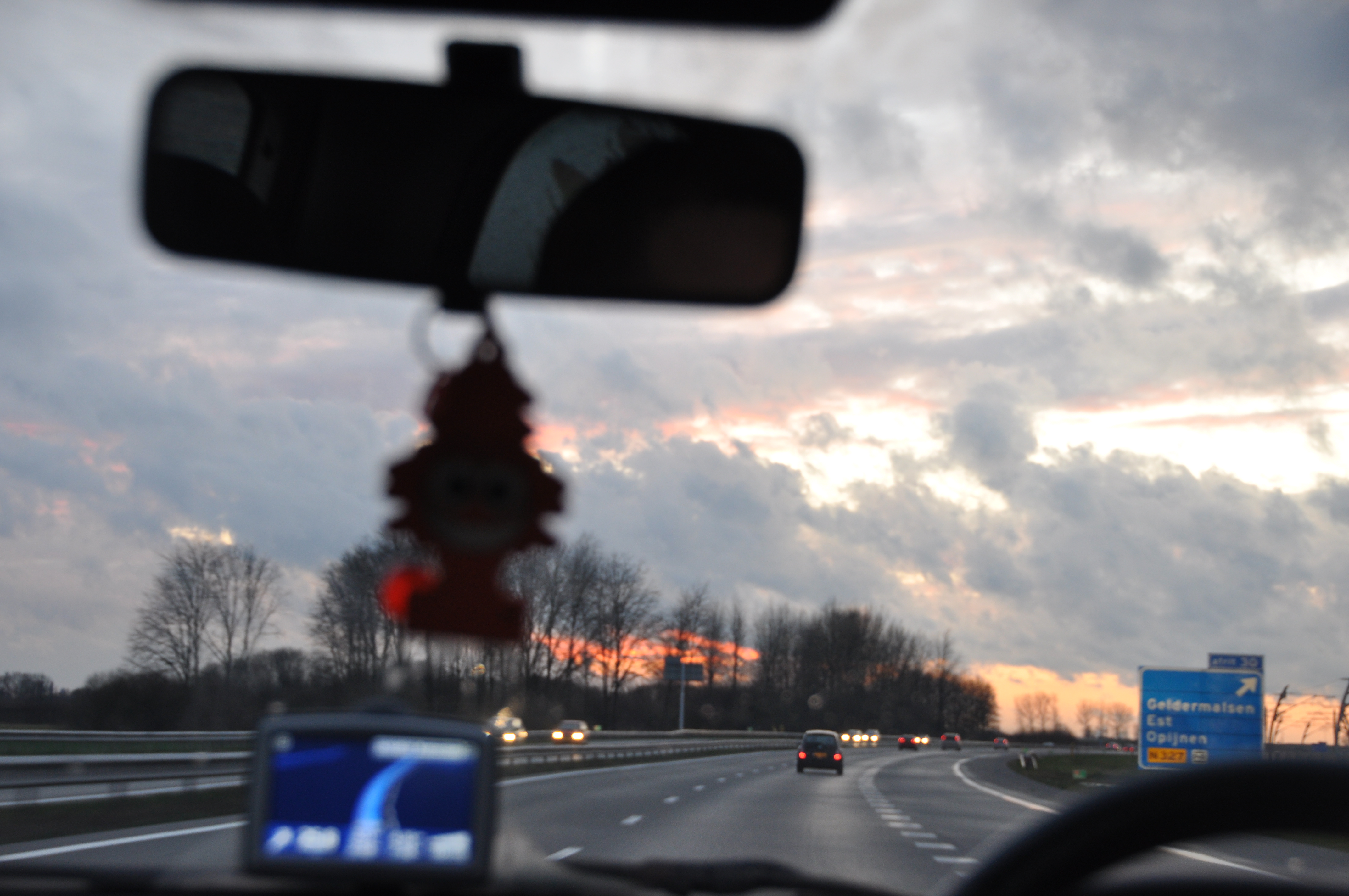
Transgressive Mobilities
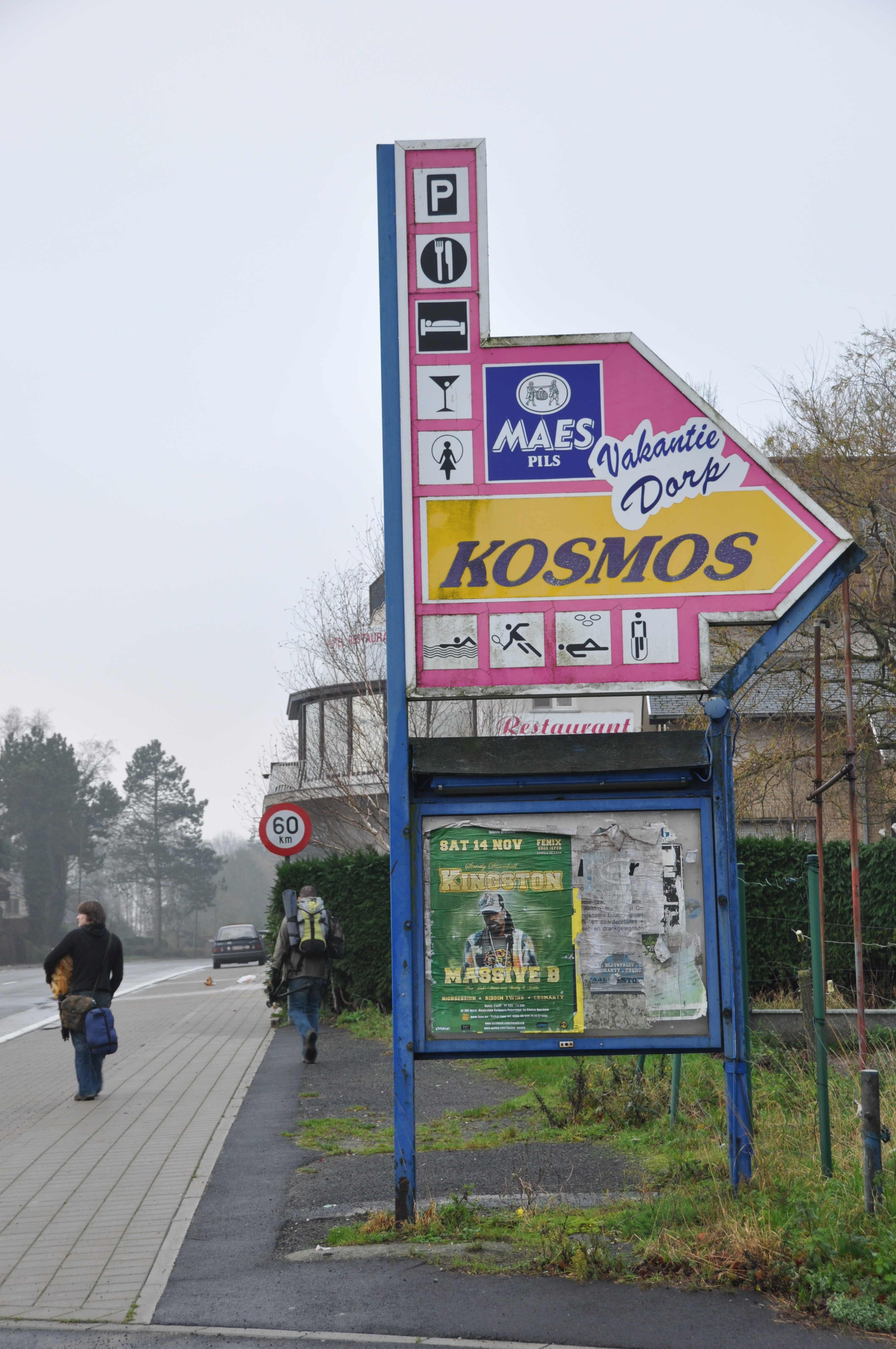
What a shithole

Tourism?

Getting into it

Rated 1 Star on Travelocity

Strangely enough, given what a pile of crap this place was, it was really hard to get into. Finally, after making our way in, ferrying in bags of clothes, food, whiskey and 8 bottles of Chimay looted from a road side stop, we settled in for the night, with a gorgeous view of a random Belgian valley spread out before us, full P&O shot glasses of cheap drink and a horrible rattling noise from the winds assaulting some loose flap on the roof above us.
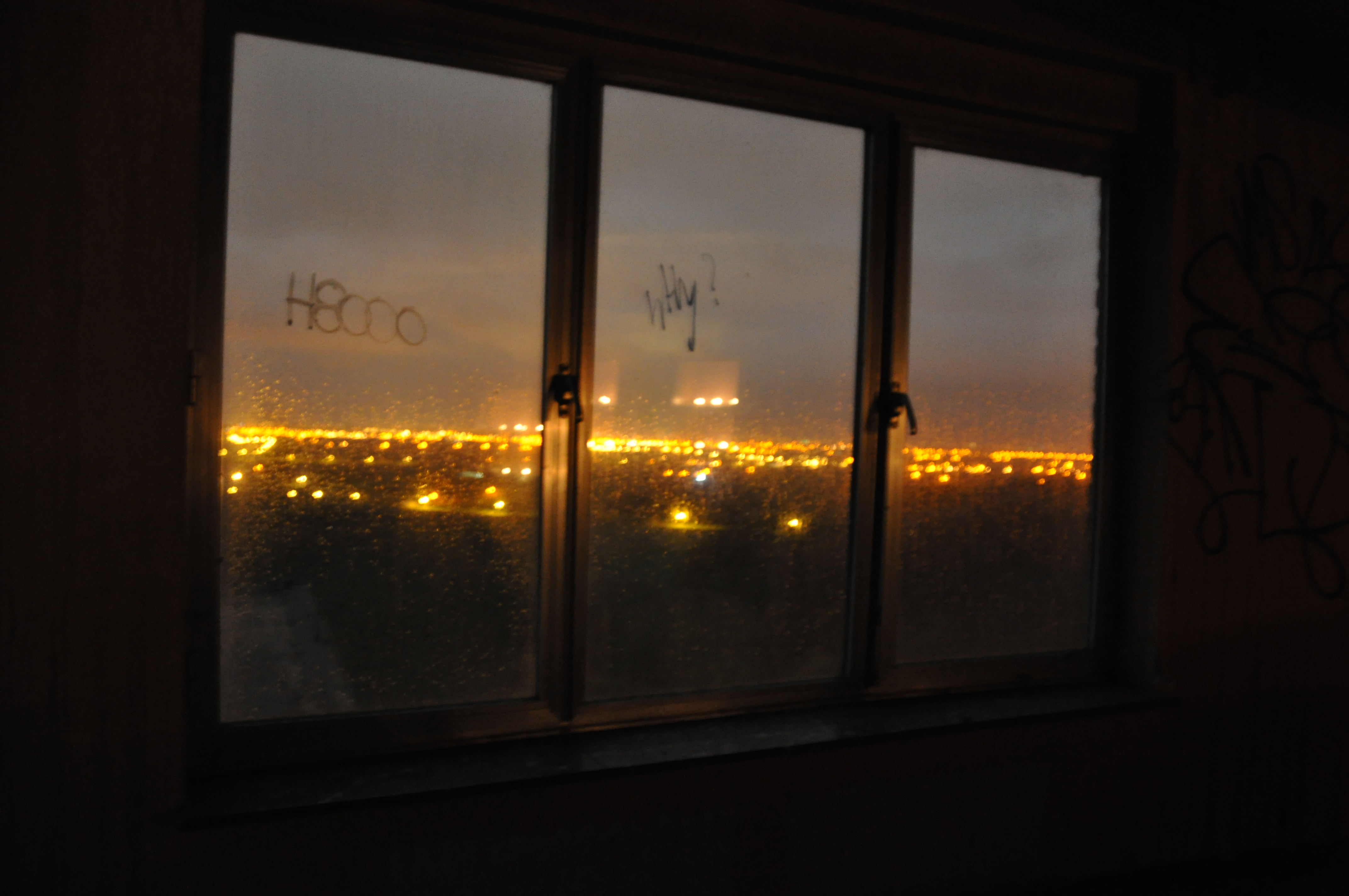
Not broken yet

Penthouse

Winch

Winch taking in the epicness of first night
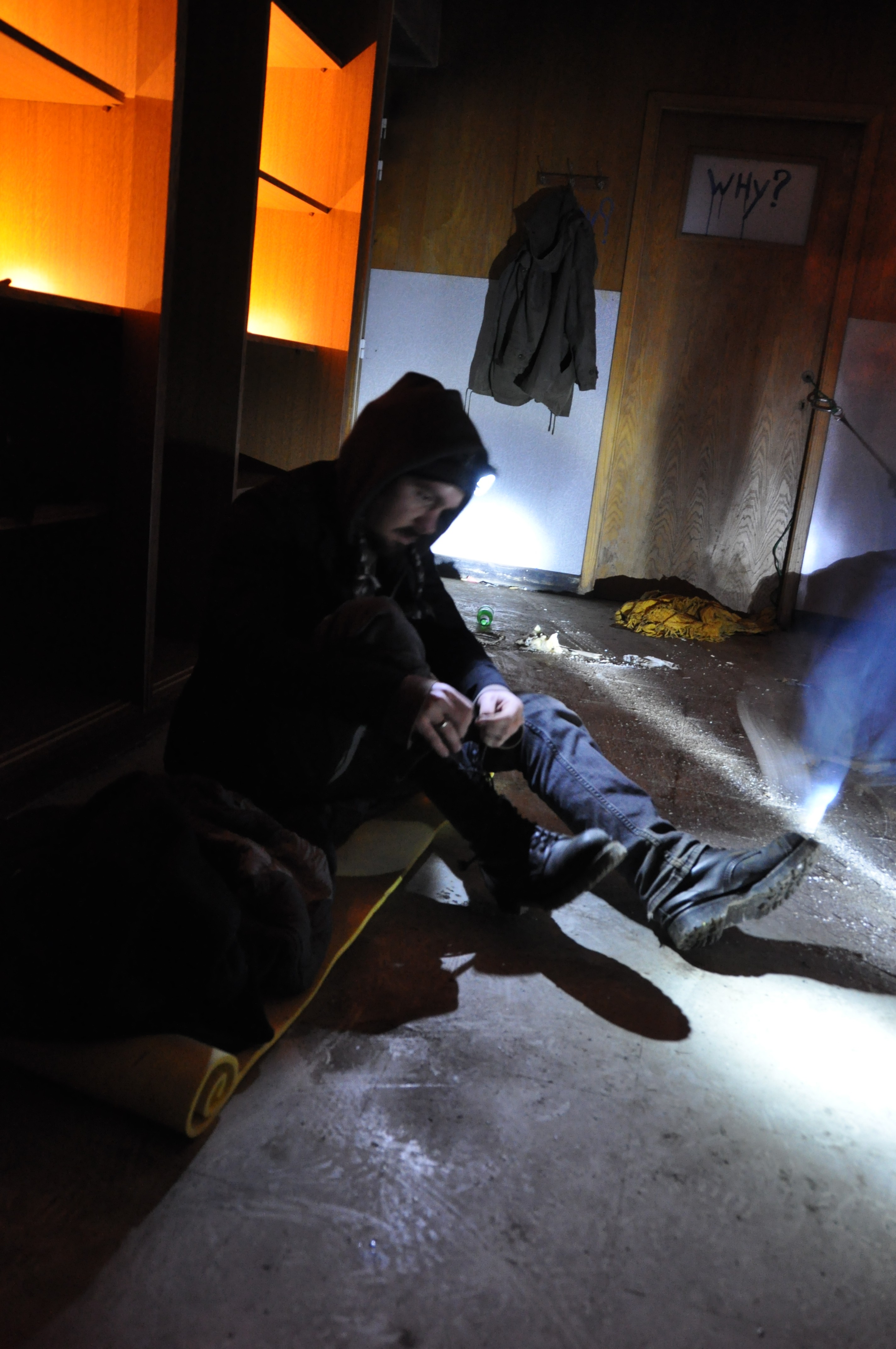
Unstrap

The Goblinmerchant get naked

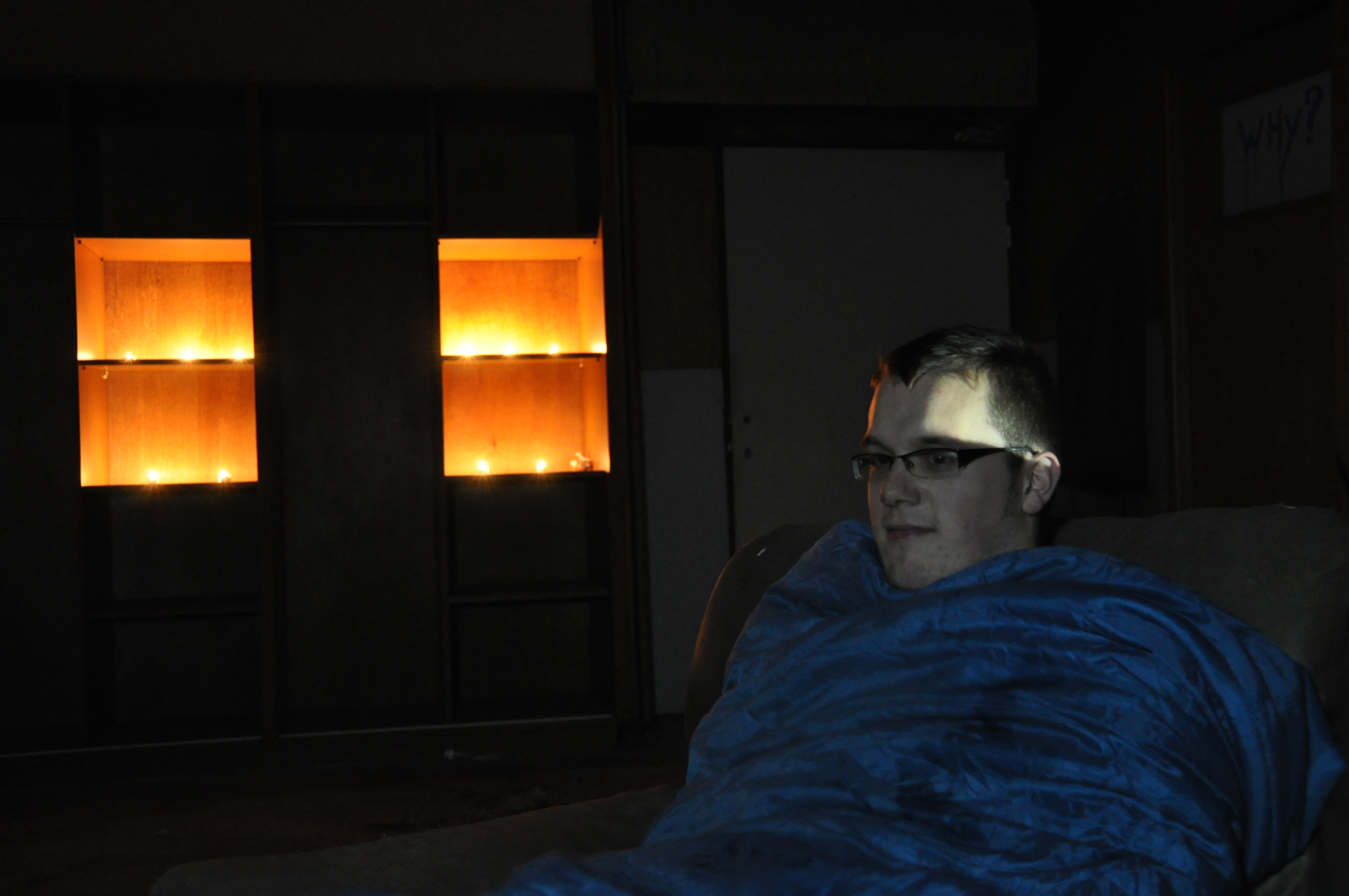
We ended up finally dragging tables and chairs from other rooms to board up the windows which were allowing massive gust of wind and rain into our sleeping quarters. Essentially, we started doing home repairs. That night, falling asleep to Aphex Twin’s Selected Ambient Works Volume II playing softly on my phone, I had dreams about the property owner showing up weeks later to find that somebody had actually repaired their building, boarded up windows, brought in and cleaned up couches, filled the bookshelves with tea lights. I imagined them being, at first, dismayed and confused and then… amused, a small smile cracking their stoically disappointed Belgian head.

The thing I started thinking was that our move from UrbEx into pro hoboness was actually a move that benefited property owners because, as Silent Motion put it, “our sleeping in the space builds a more intimate connection with it, we become a part of the fabric.” So going pro hobo, in my mind, even the documentation aspect that you are scrolling through right now, is about place hacking, about finding intimacy in a world full of sterile engagement.

This idea was made even more funny when the property owners showed up at 8am the next morning and started putting up more fencing on the site. Between us and them, the place was going to be completely remodelled soon. We waiting 30 minutes or so for them to leave and made our hasty escape.

Although I am tempted to write about all 16 sites we went to, I can’t. The reason for this is, quite simply, that I cannot relay the epic nature of the experience to you in a blog posting, try as I might. With every day that passed, the crew got more raw, more volatile, more energetic, in a weird, confused sort of way. It was a delirious panic that I think would have even made Dionysus proud. I was drunk for most of it, partly because I do better fieldwork after a few beers and partly because the experience was so raw that it had to be shielded, it was like trying to stare into the sun. Now I know why so many homeless people drink.
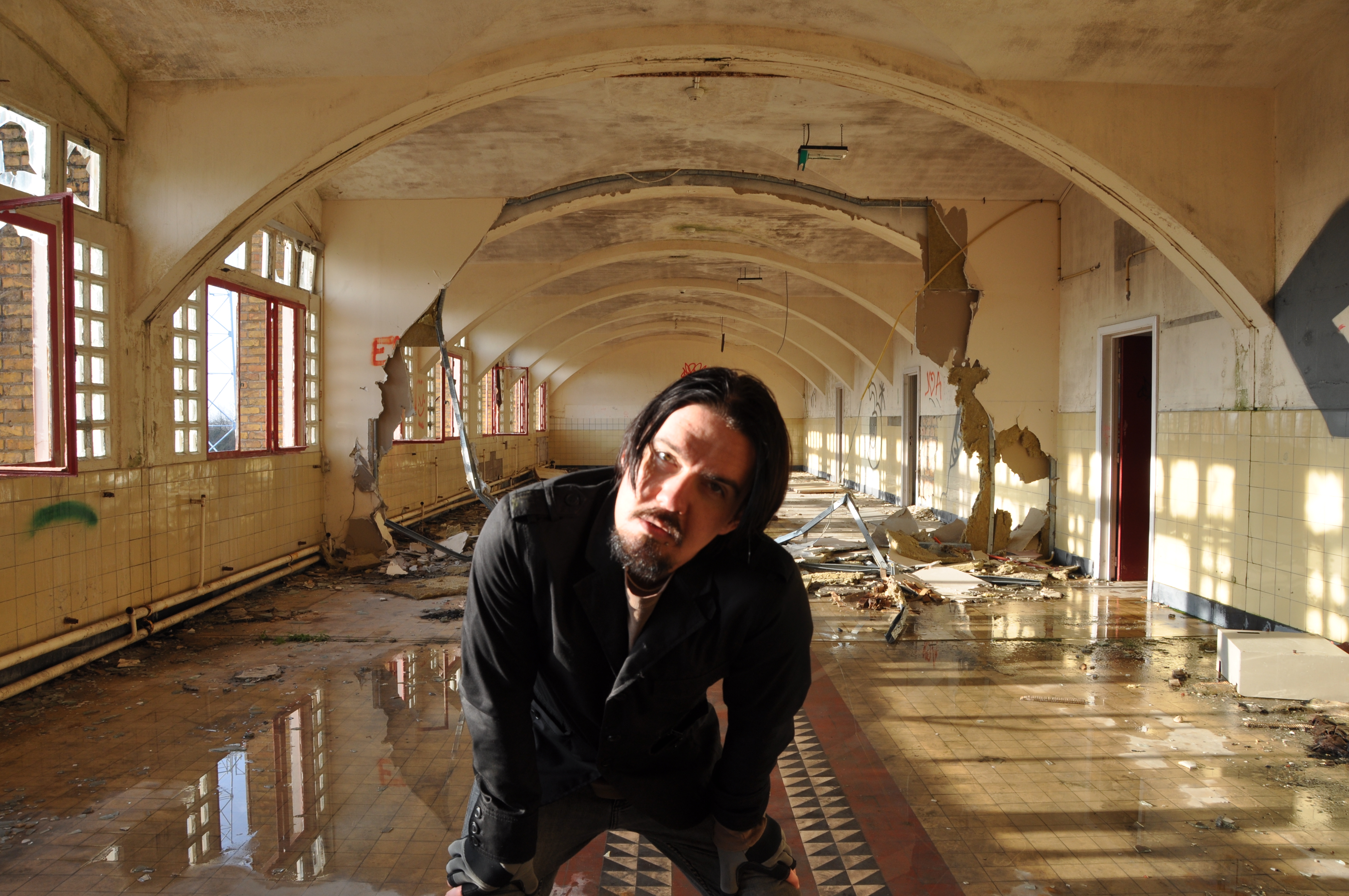
Staring at the sun
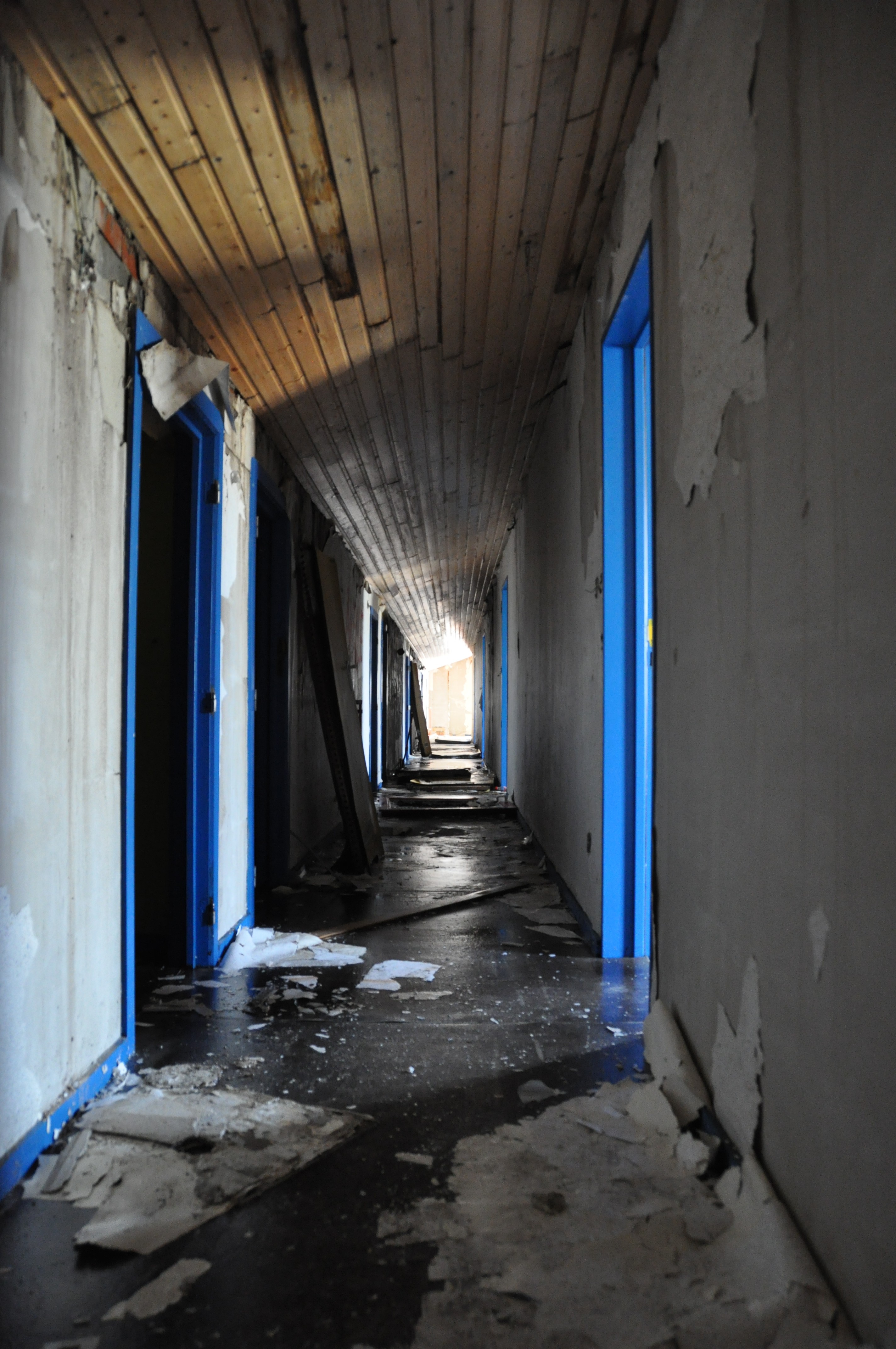
Hallway

The raw light of experience

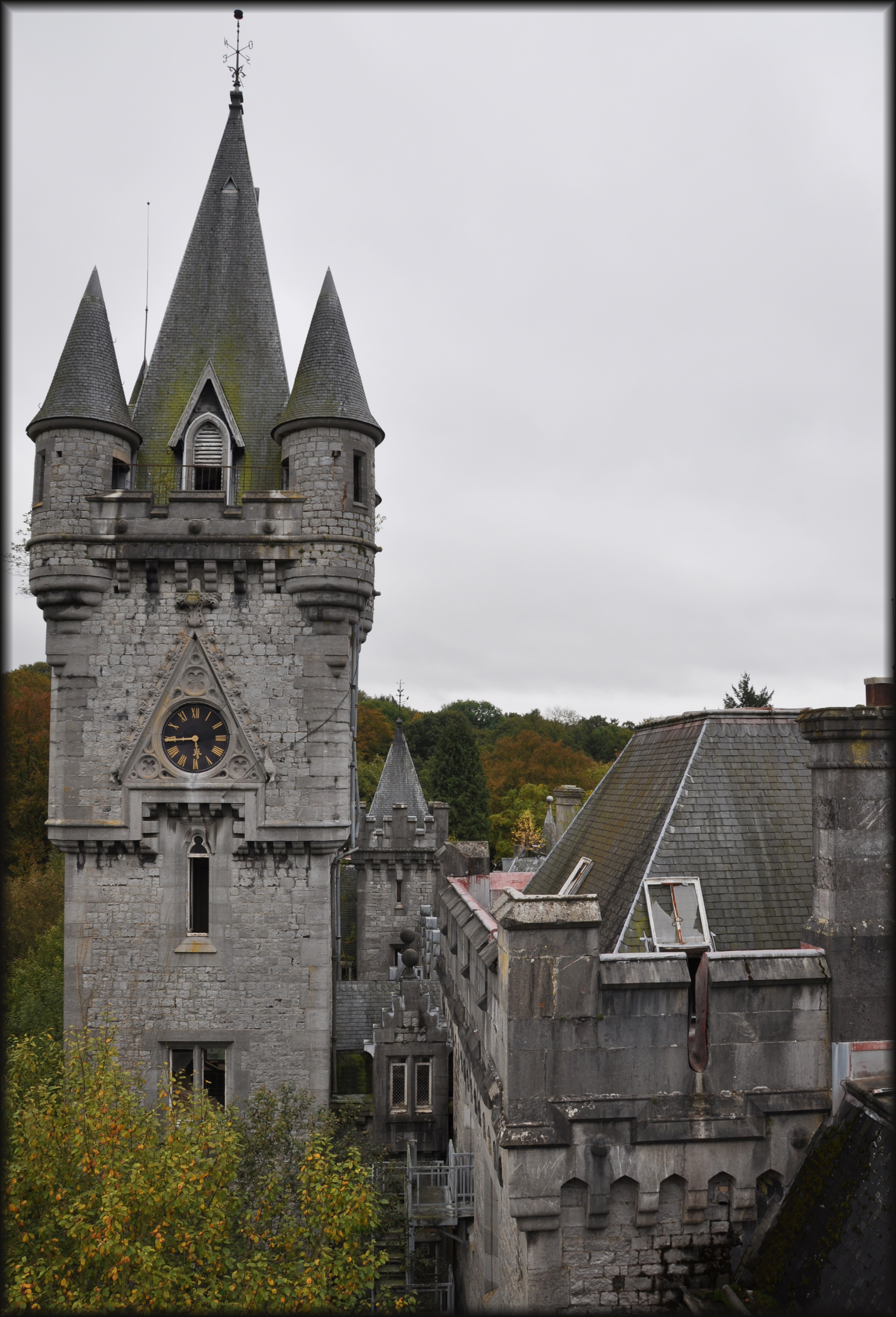
Boundaries that existed in our little UK bubble began to break down. We did not speak the language, we did not meet a single person outside of the grocery stores and petrol stations we ravaged, washing our hair in their bathroom sinks and leaving piles of trash in their parking spaces, running under the turnstiles at the restrooms that demanded 50 cents. All that existed, all that mattered was the adventure and the bond between us which grew tighter with every sip of Jupiler in the back seat of Statler’s car, with every step walked over squishy mold/carpet. We could not think about what was happening because as Dostoevsky points out “one must love life before loving it’s meaning.” And this love was on fire. We began infiltrating live sites, barbecuing dinner in wheelbarrows, lighting dozens of candles in random rooms of Nazi extermination camps and free climbing timber into bell towers in crumbling buildings to photograph the holes in the roof veiled in cloudy continental morning mist.
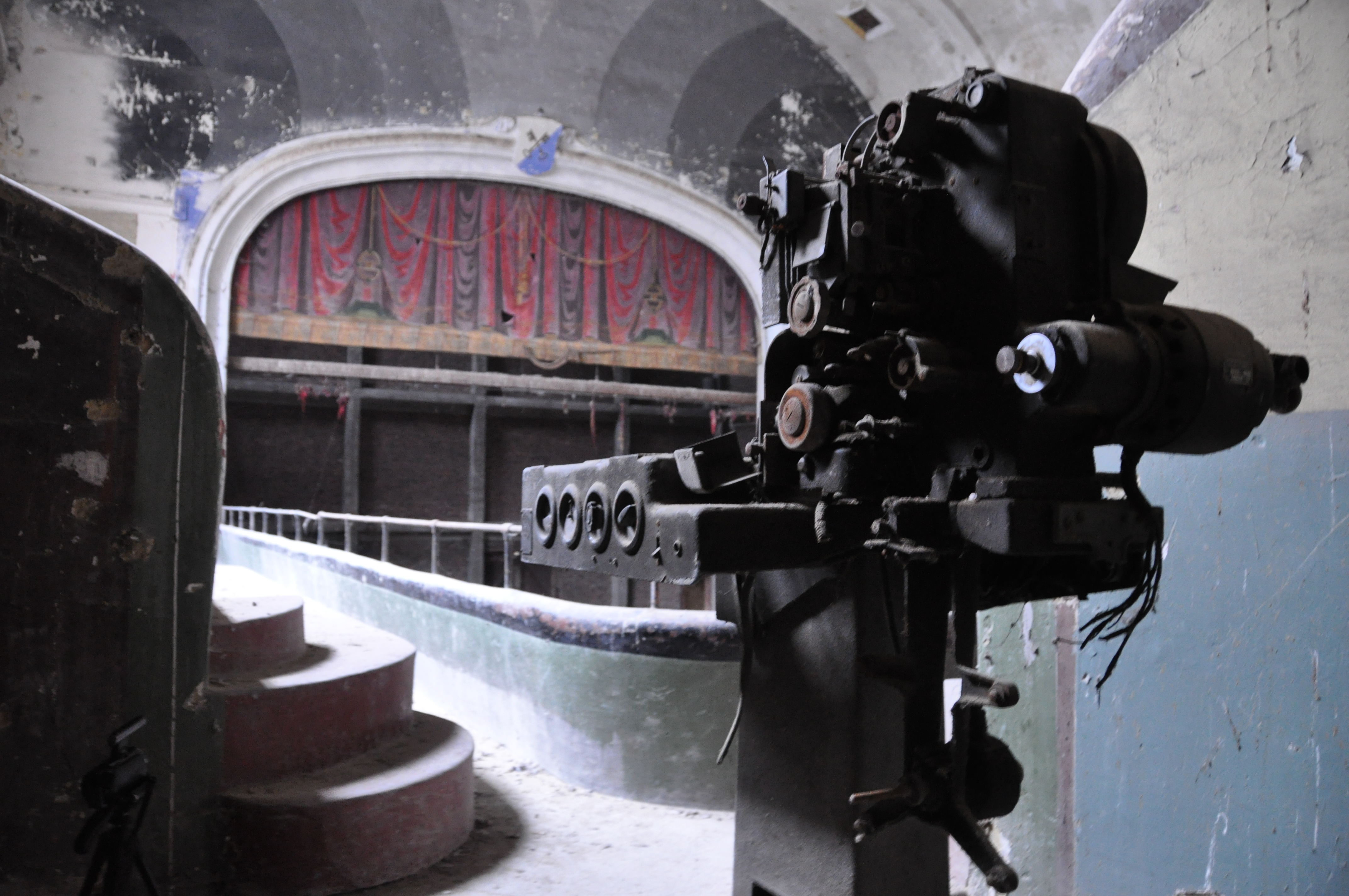
The film here were shit
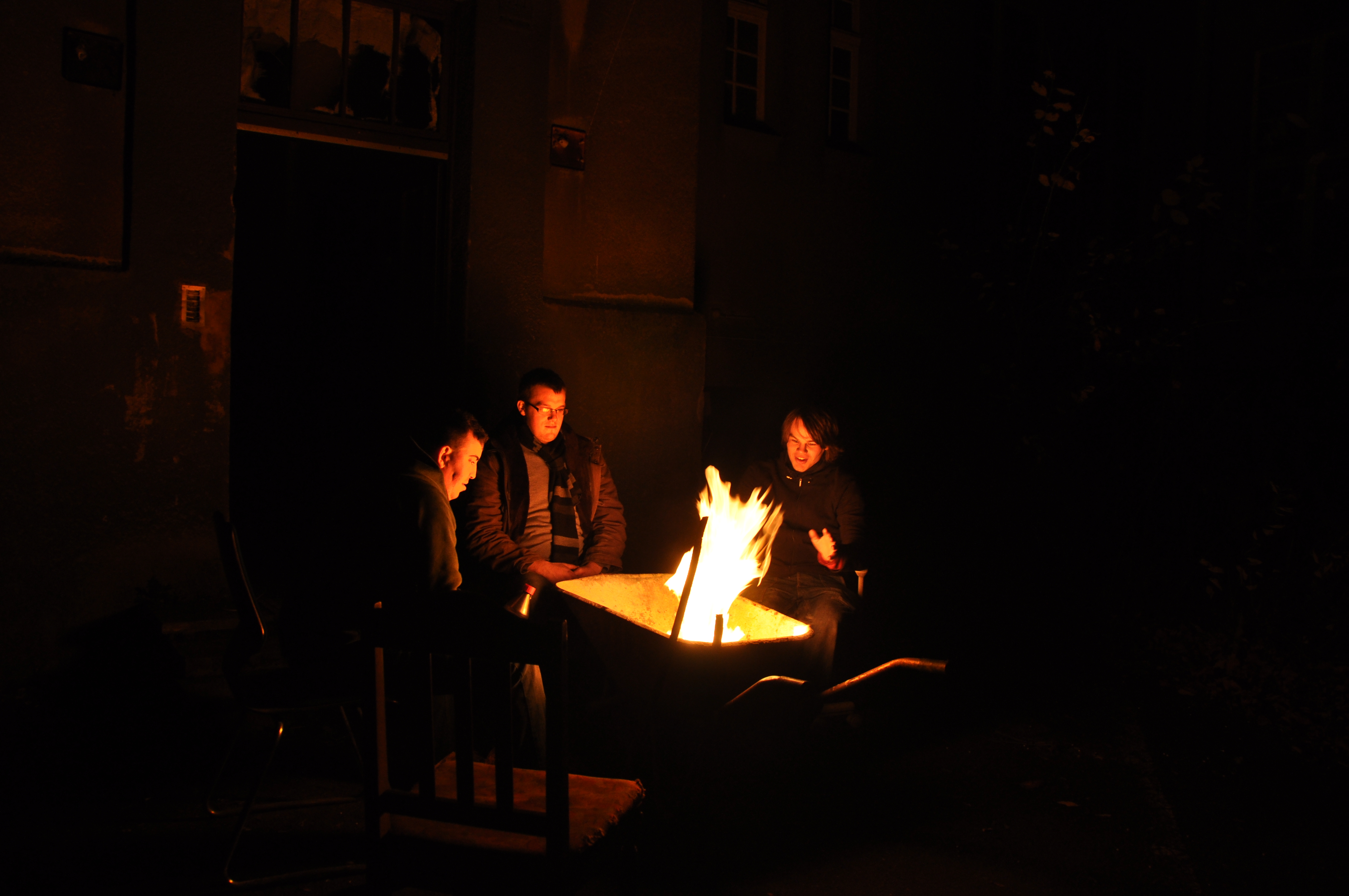
Dinner sorted

Dinner cooked over pieces of the gas chamber
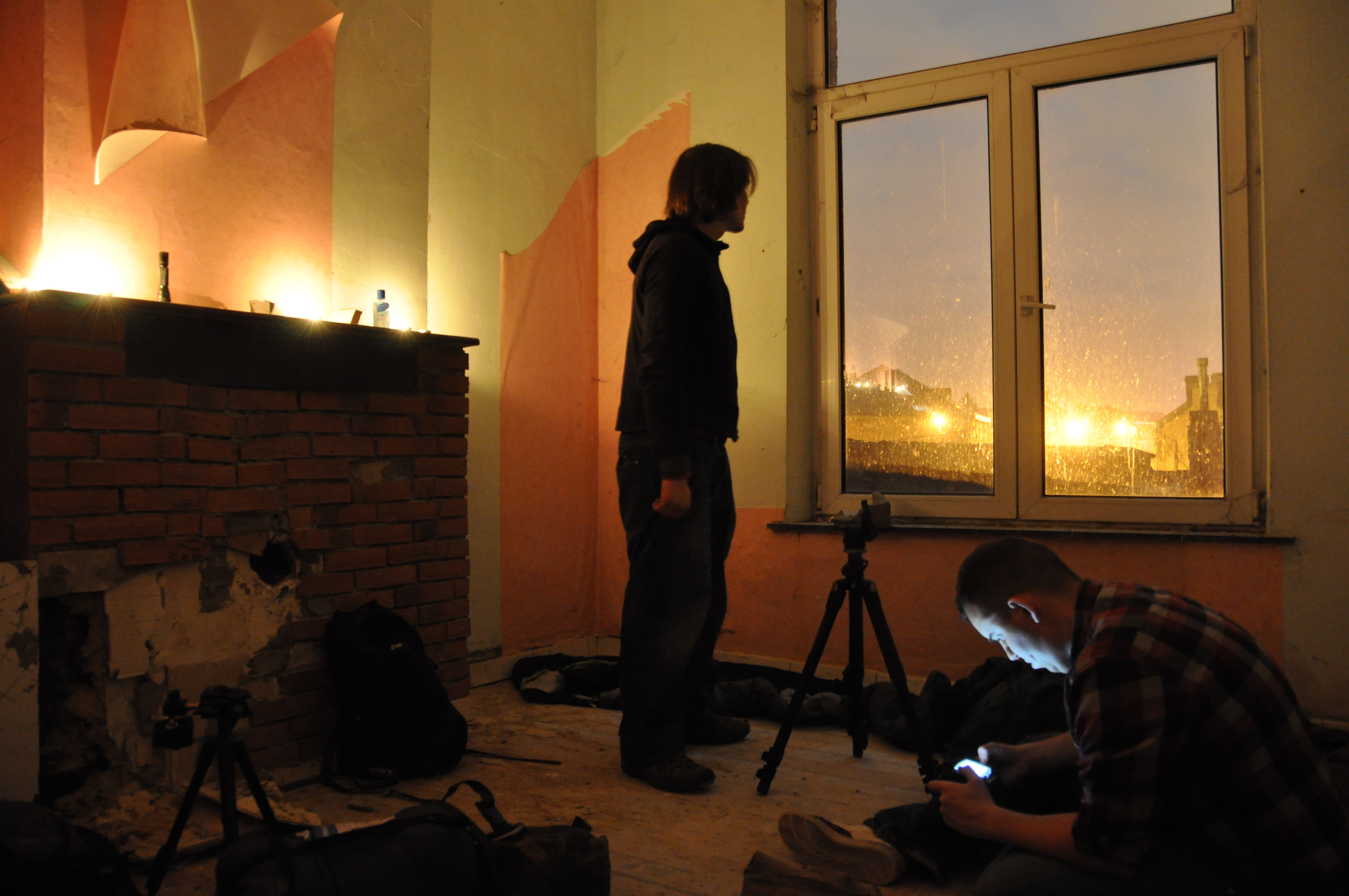
Europro

Do they know we're in here?

Winch was the primary conspirator of this little frozen-toed expedition. Always up for a challenge and a laugh, he had booked this absurd holiday in December, I think, to break our will. After all, only the broken can be admitted into the ranks of legend. After taking in a few leisure sites over the first few days, he hits us with the news – we are going after heavy industry. Now, given that I am about to give a paper on reanimating industrial spaces through urban exploration at the 2009 Theoretical Archaeology Group conference in Durham at the end of the month, I thought this is a grand idea. Until it actually started going down.

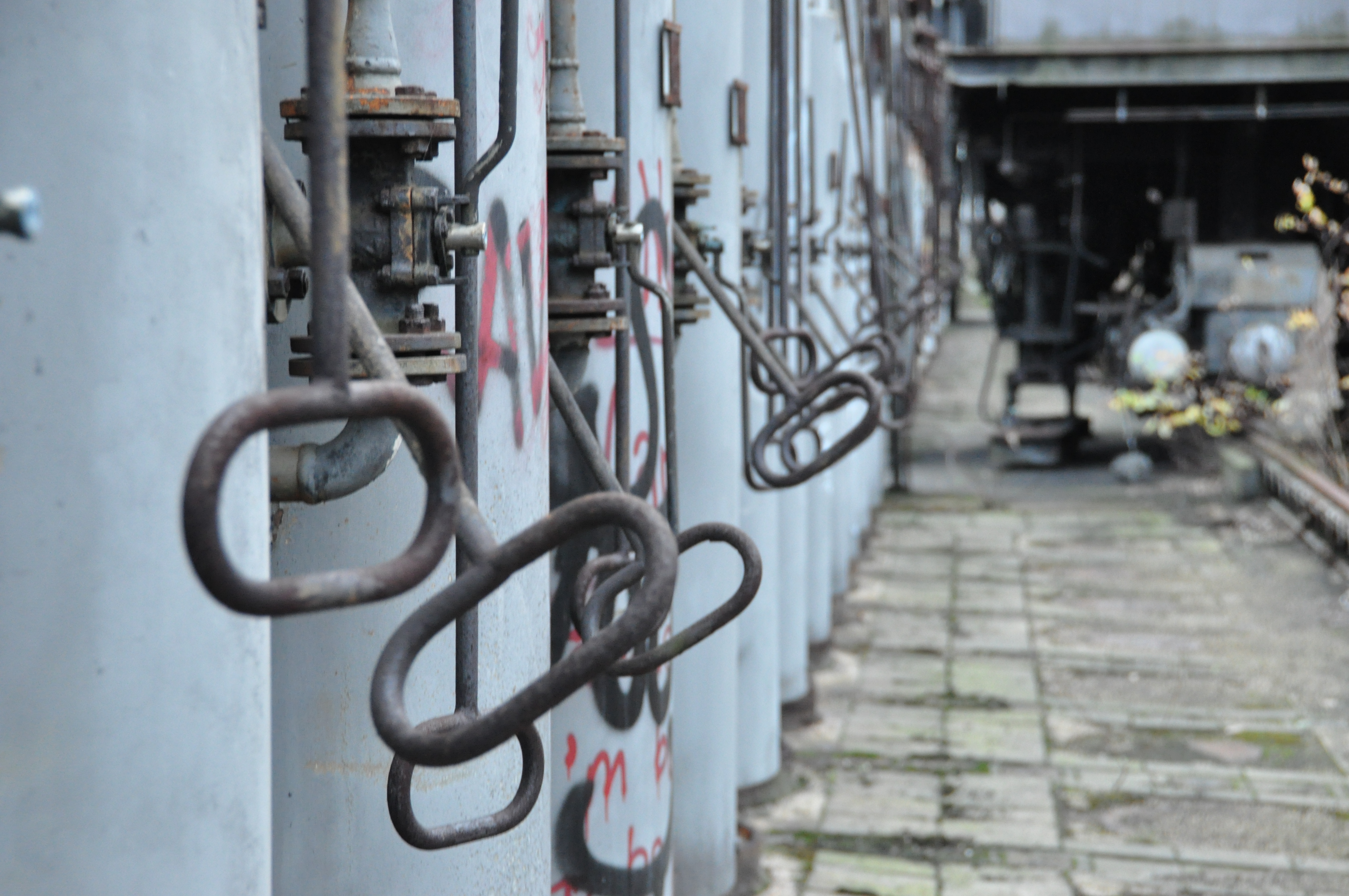
We walked up to Transfo, a power station in Belgium, to find it swarming with people. We waited until dusk. When we thought everybody had gone home, Silent Motion ninja’d his way in to the secure building past the motion sensing lights and infrared alarm system. We got in and snapped some pics for about 10 minutes before some worker ran up and started rattling the doors to the heavy equipment room. Whoops. Turns out they were not all gone, but Silent Motion clearly could give a shit and starting climbing the infrastructure of the building to get a landscape shot.
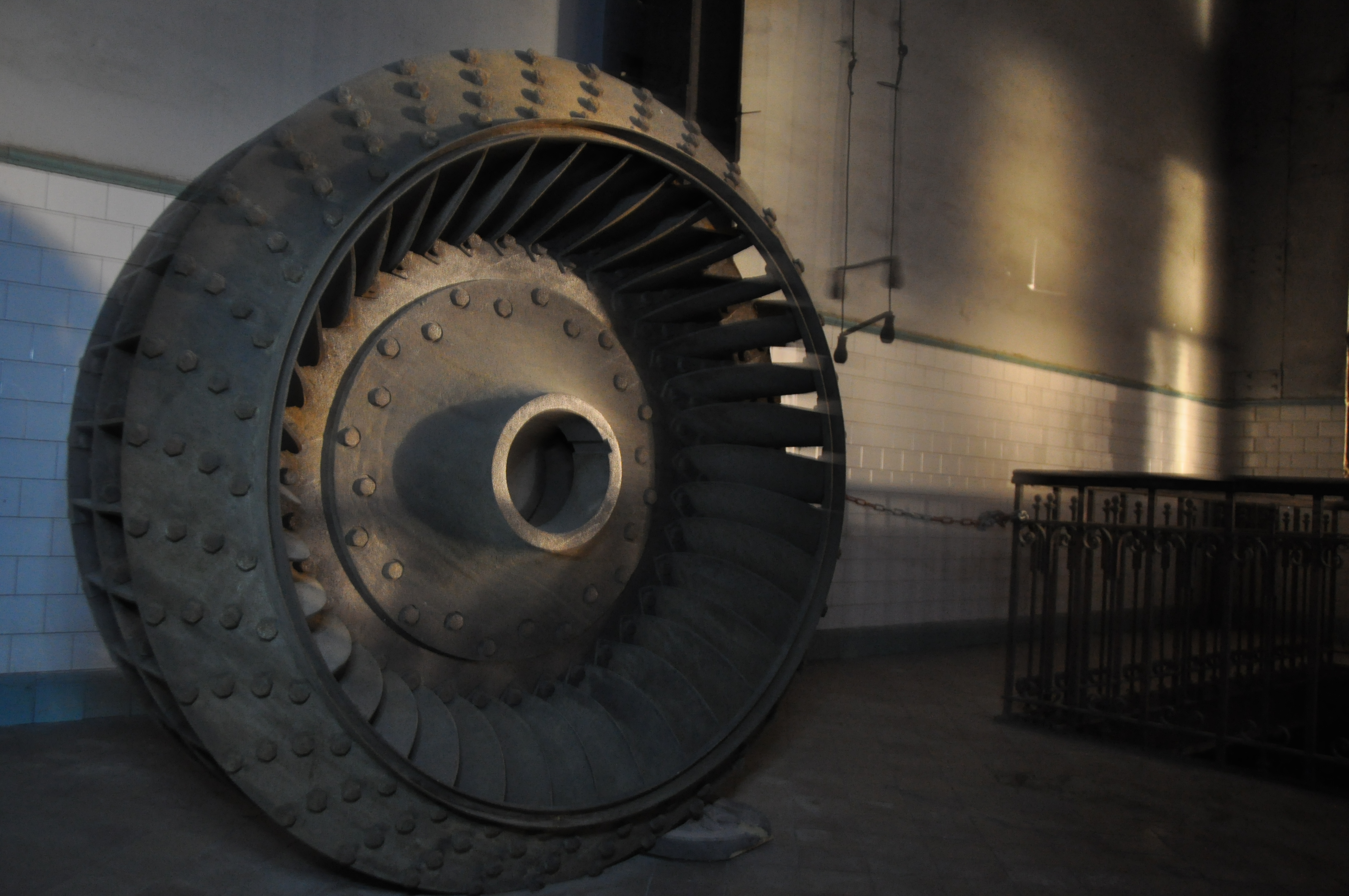
Roll me

Raw Metal

Pushing it

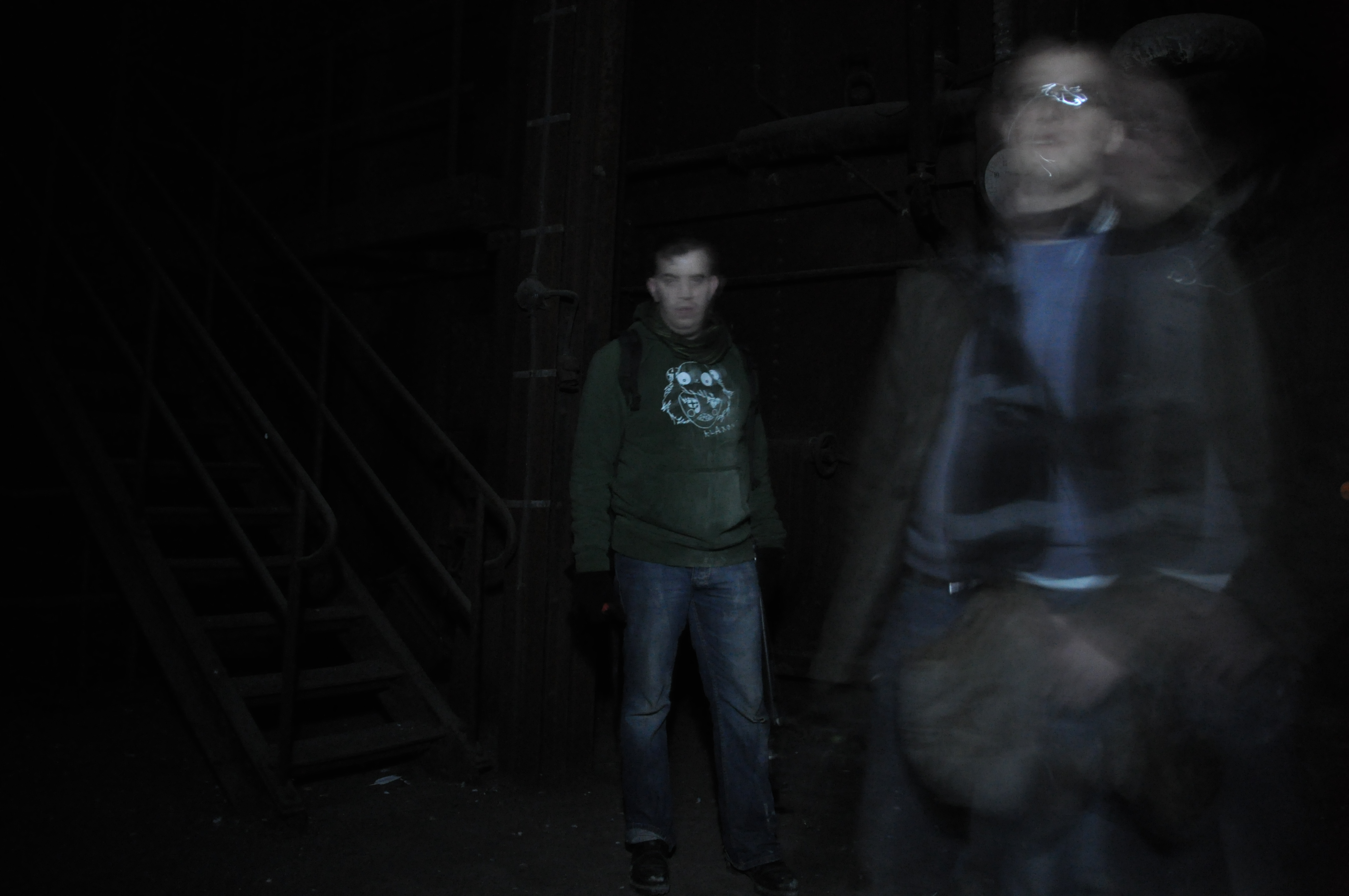
Ghosts of industry

On our way to Germany, we stopped to infiltrate Kokerei Zollverein, again swarming with people including professional photographers and men in suits. I swore that this infiltration would end badly. The only bad outcome, in reality, was my nausea from being meters away from workers as we snook past them and hid in the shadows. All my photos from there are shaky save two:
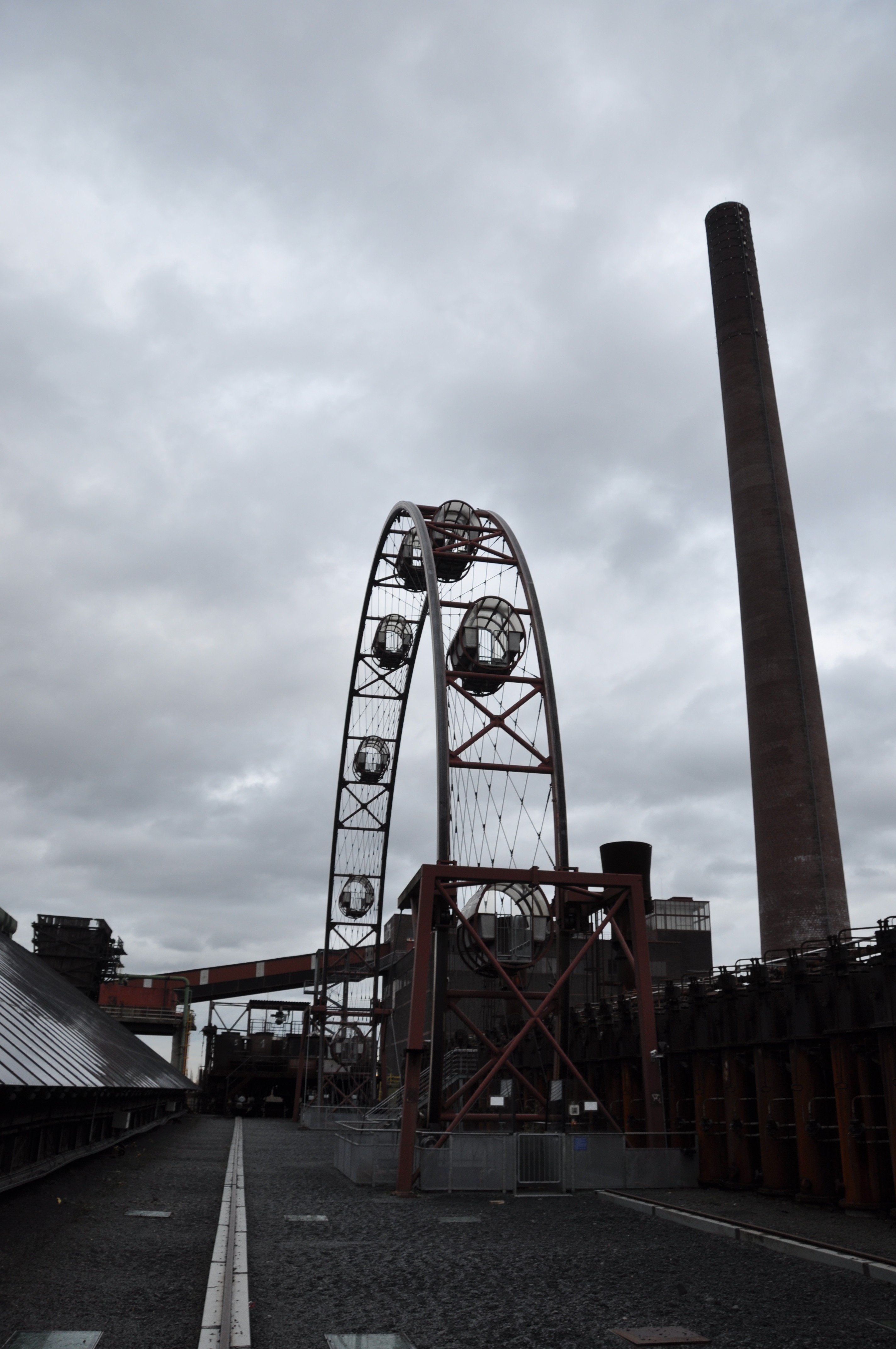
Up top

Processing

Pause

Pulled

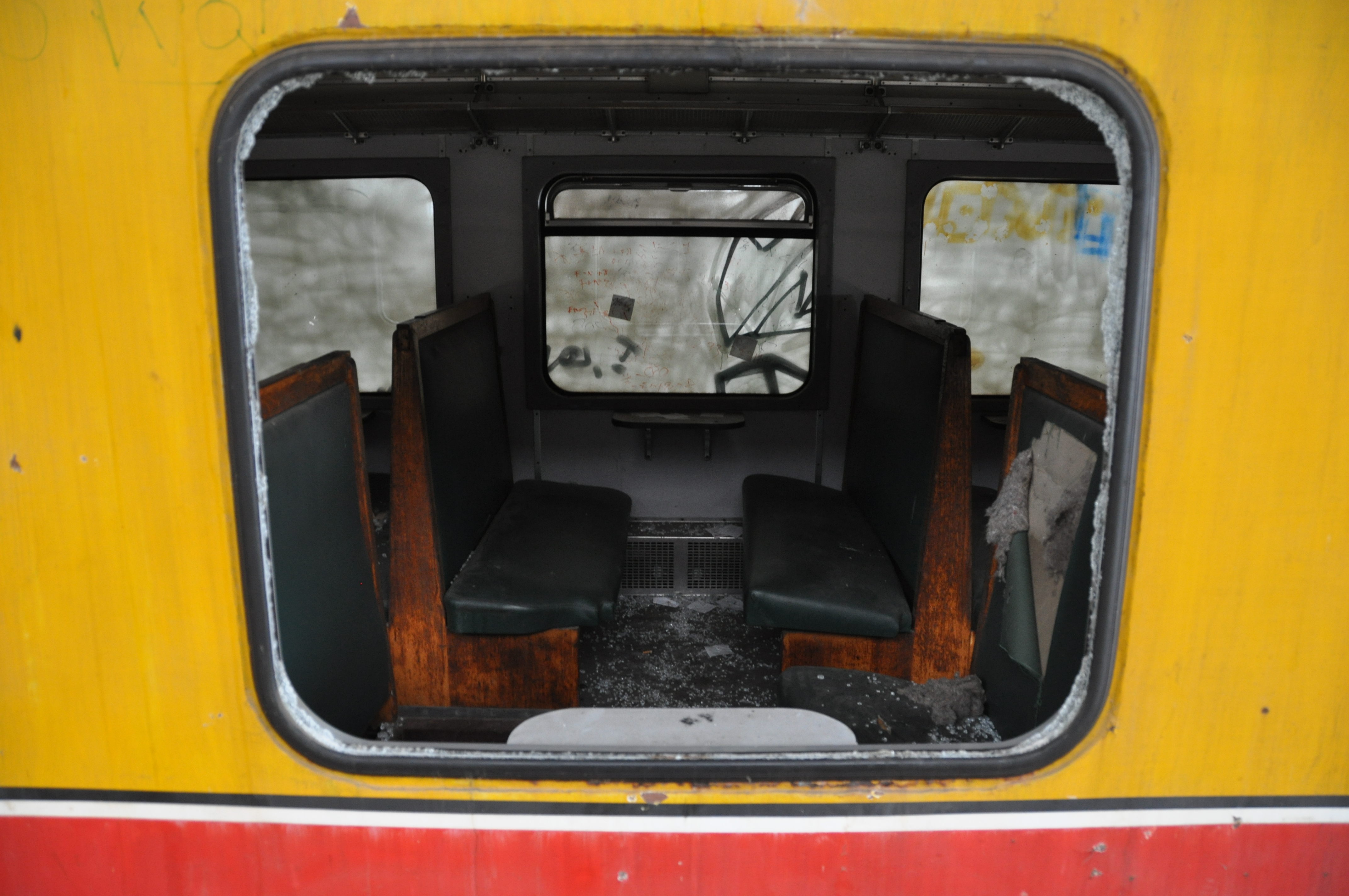
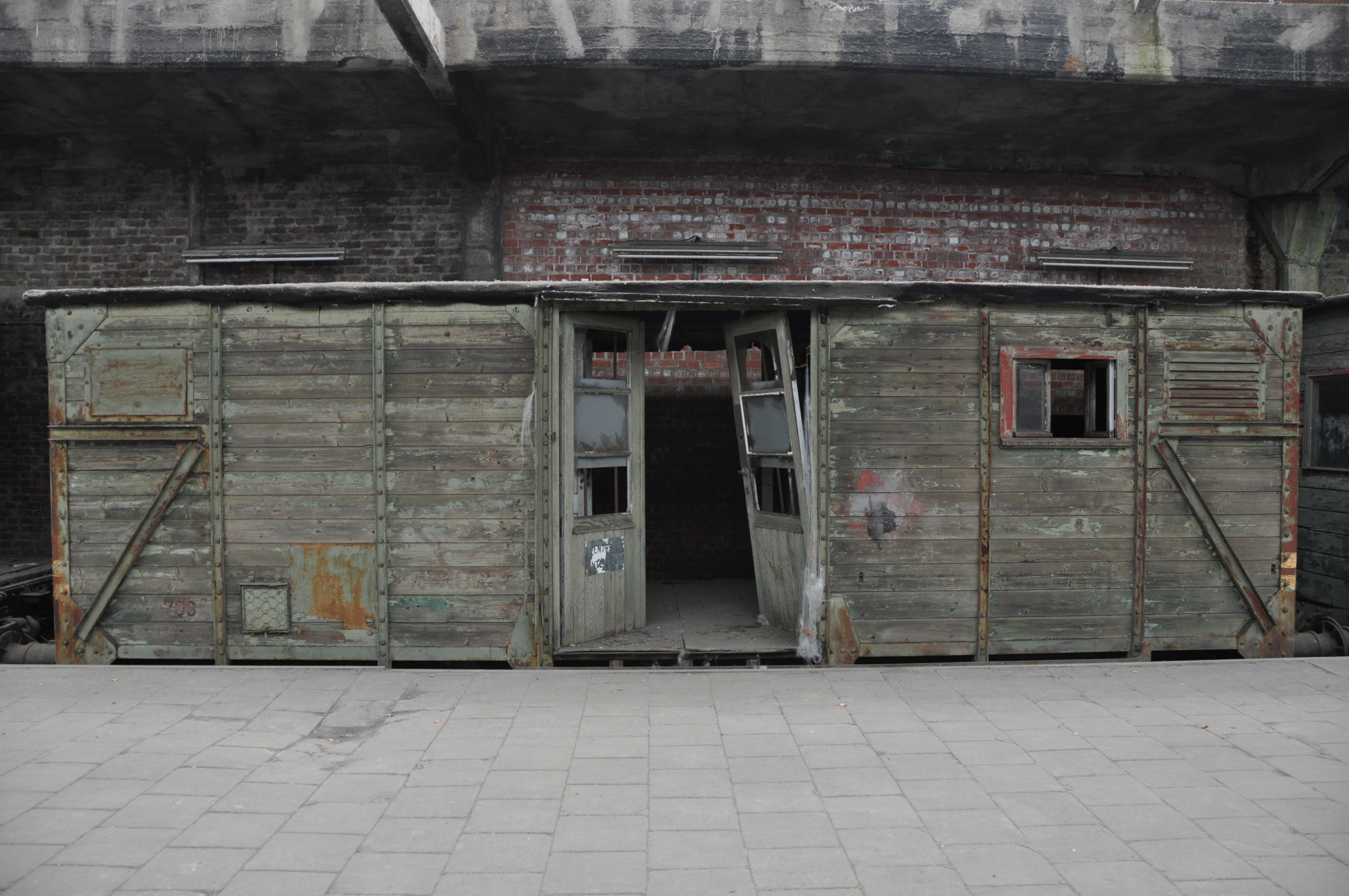
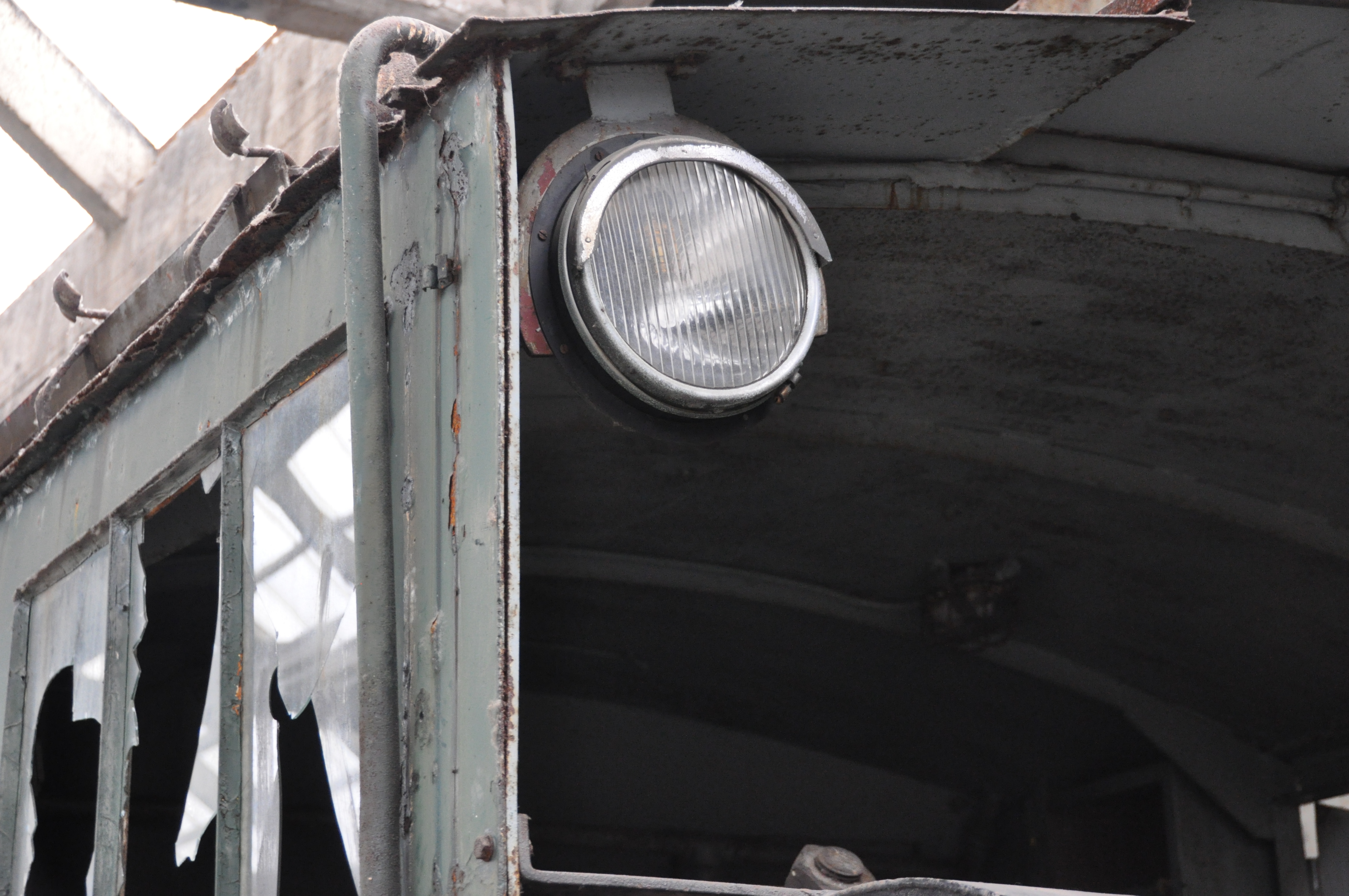
After my moment of existential crisis, we made our way to an abandoned train yard Munster Gare, a glorious moment for me for some odd reason. Something about the intersections of transportation (mobility), dereliction (history, aesthetics) and remote location (opportunity for playfulness) made this my favorite site of the trip.
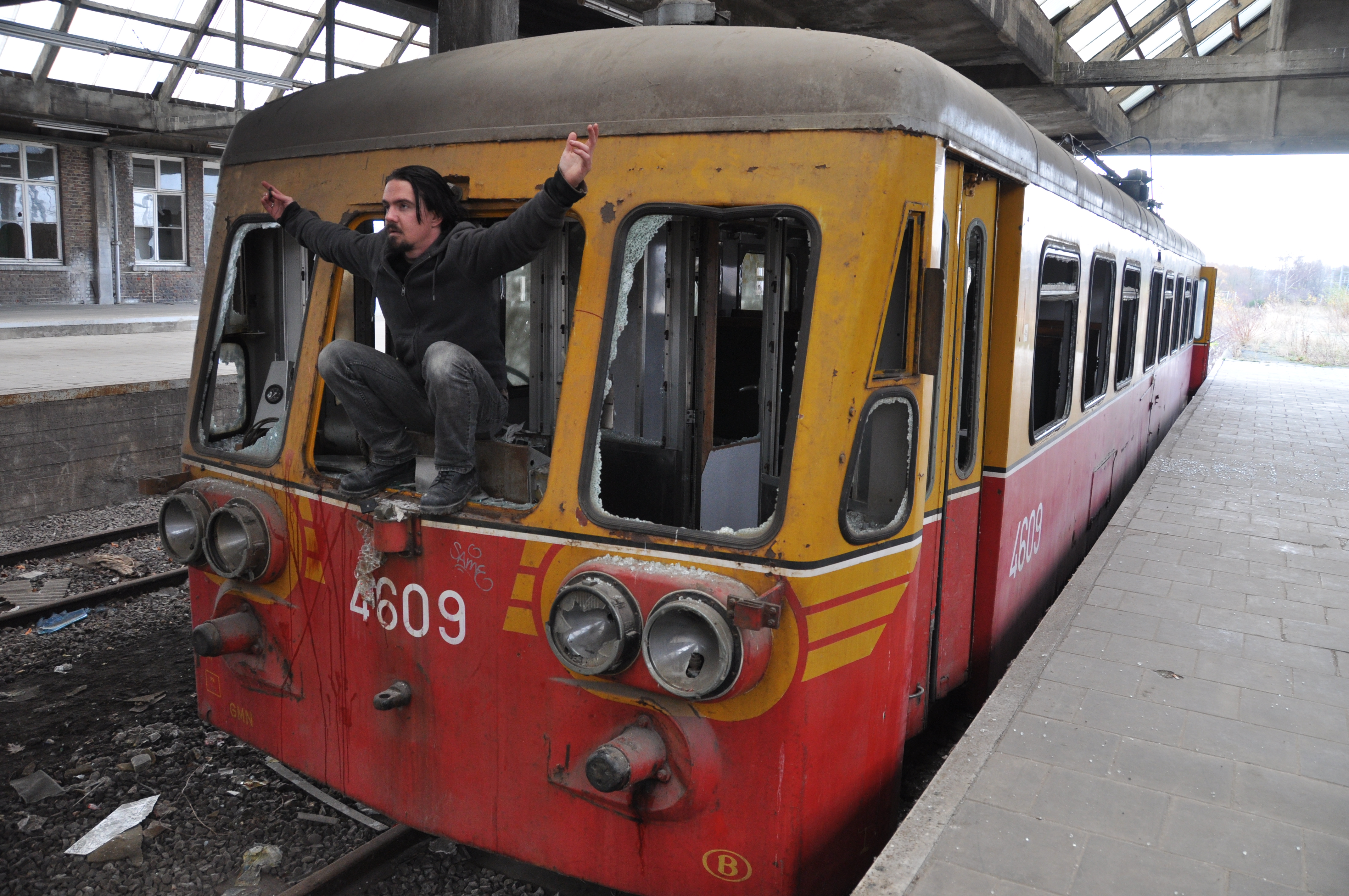
Titanic

I'm the captain of this ship!

moving?

The passengers

Woody

No more goods

Broken

Unnecessary

After that locomotive jizfest, we drove into Germany. I had not been since I was 19 years old when I pursued the country on a underage American-in-Europe beer run, and was dismayed to find that it was actually a really beautiful place. Mostly because the further East you go, the more derelict structures begin to dominate to landscape. I always thought of dereliction being about the failures of capitalism, but nowhere was abandonment more apparent that in East Germany, markers to the collapse of communism and the retreat of the Soviet Union. The group entered a fervor as we drove through the country side, everything began to look derelict. At one point I remember Silent Motion saying, “Hey there’s a building over there!” and Winch responding “Nice, does it has trees growing out of it?”

We had resigned ourselves to a week of squatting. It was safe to say, at this point, that we had all left our lives behind. I didn’t care about my research anymore, I just wanted to keep getting high on adrenaline. No one ever talked about their jobs, their families. We talked about girls, 4chan, about what country had the best beer (hint: it’s Belgium), about football. Even our Blackberries and iPhones served only to get us aerial photos and to update our facebook status so everyone knew how much more fun we were having than them being homeless, elite and stacked with fat kit. As we crept into East Germany, we were all broken.

I don’t mean that in a bad way. What had been broken was our expectations, our existential dilemmas, our need for unnecessary daily crisis. These things were overwhelmed by the experience of the present, by what was just around the horizon. I felt, for the first time on this project, like I had actually broken the research barrier. I was not studying UrbEx anymore, I was UrbEx. I sat in the back of the car, delirious and drunk, and saw Winch staring at his fingernails. He says “When you look at my fingernails what do you see?” I told him “Maybe the blood and sweat of old inhabitants.” He considered it and replied “I don’t want to clean them…” This was our arrival, the point at which we had committed to dreaming instead of sleeping. And with that, we moved into Berlin, into post-Soviet Territory. But that, my friends, is a story for another day.
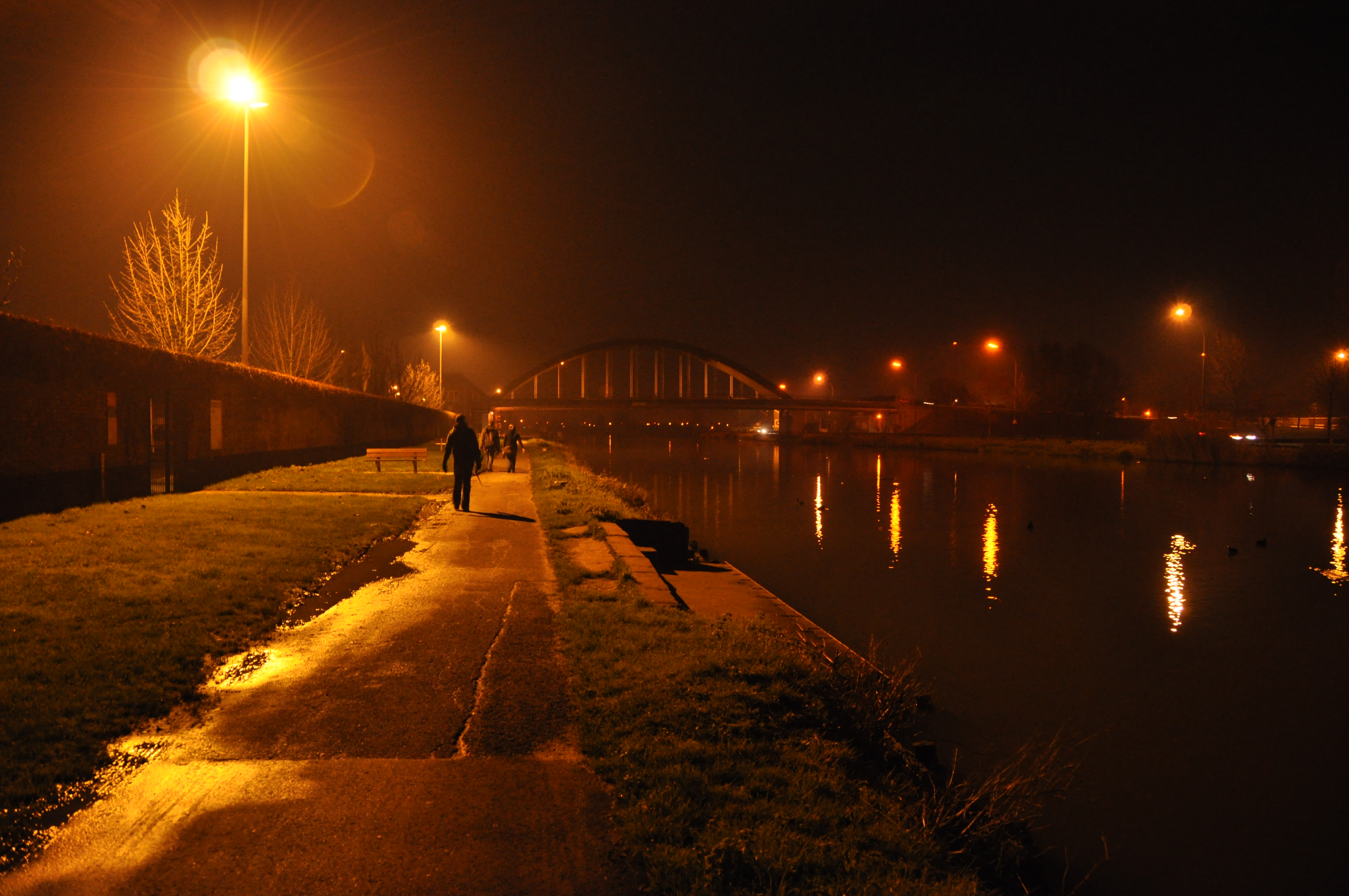
Lucid

Never done
Share
Tags : , , , , , , , , , , , , , , , , , , , , , , , , , , , , , , | 4 comments

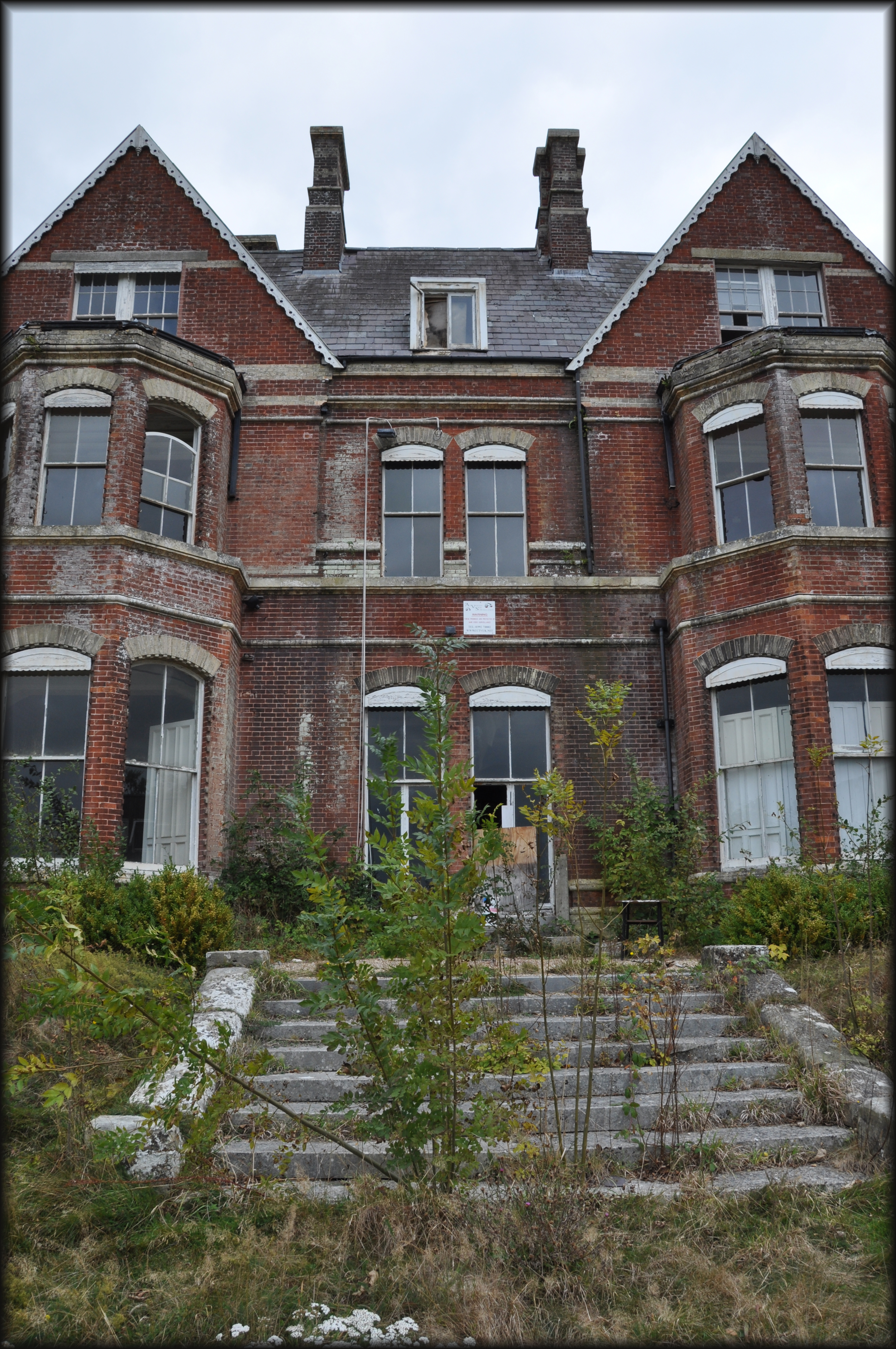
It’s only been two days since I have returned from Belgium and I am already fiending for my next explore. I know it’s just around the corner, I have a few invites to go places this weekend, but in the meantime, I am stuck here behind my computer writing grant applications and trying to catch up on my field notes, taking short breaks to look at pictures like this one:

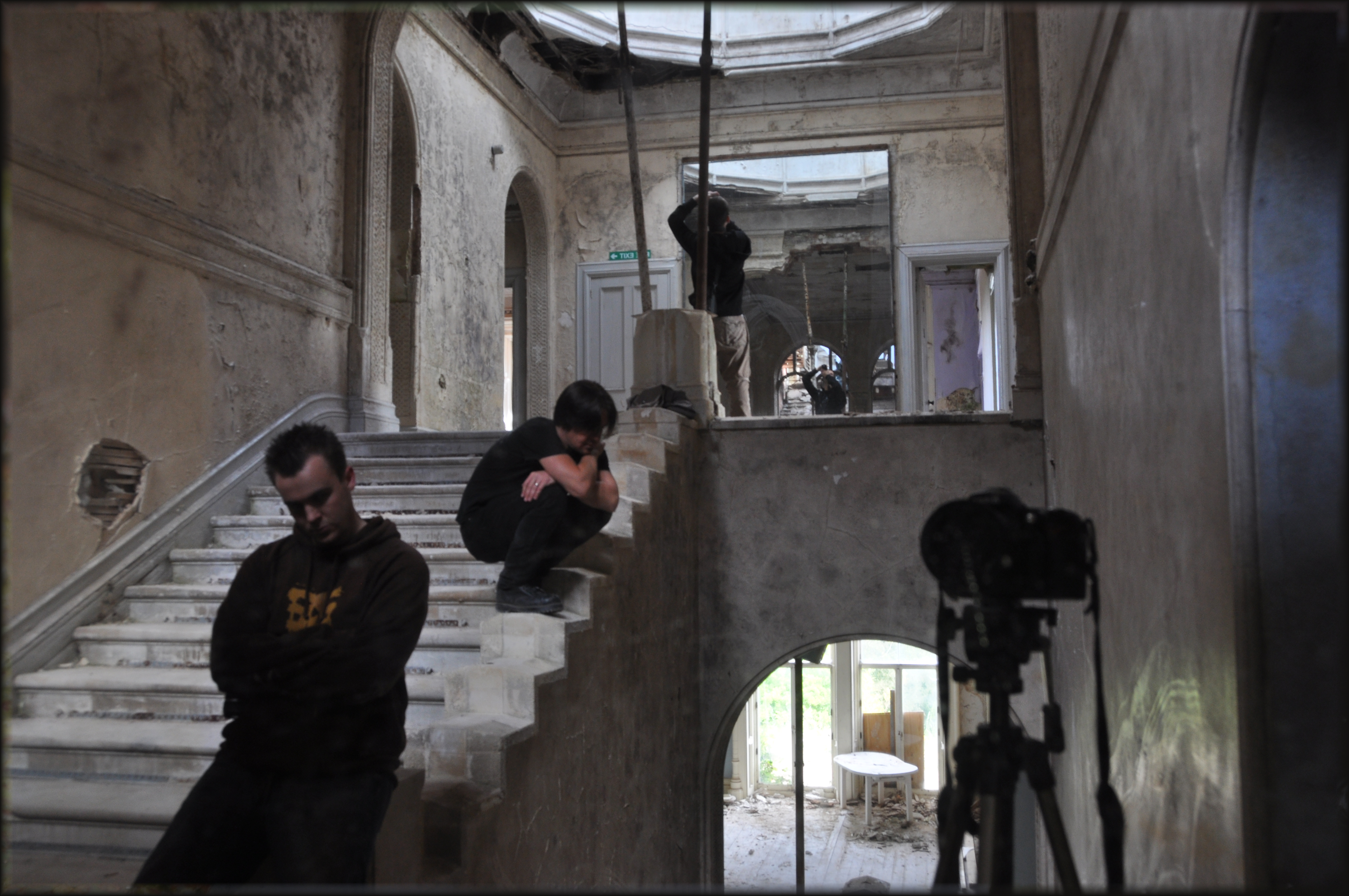
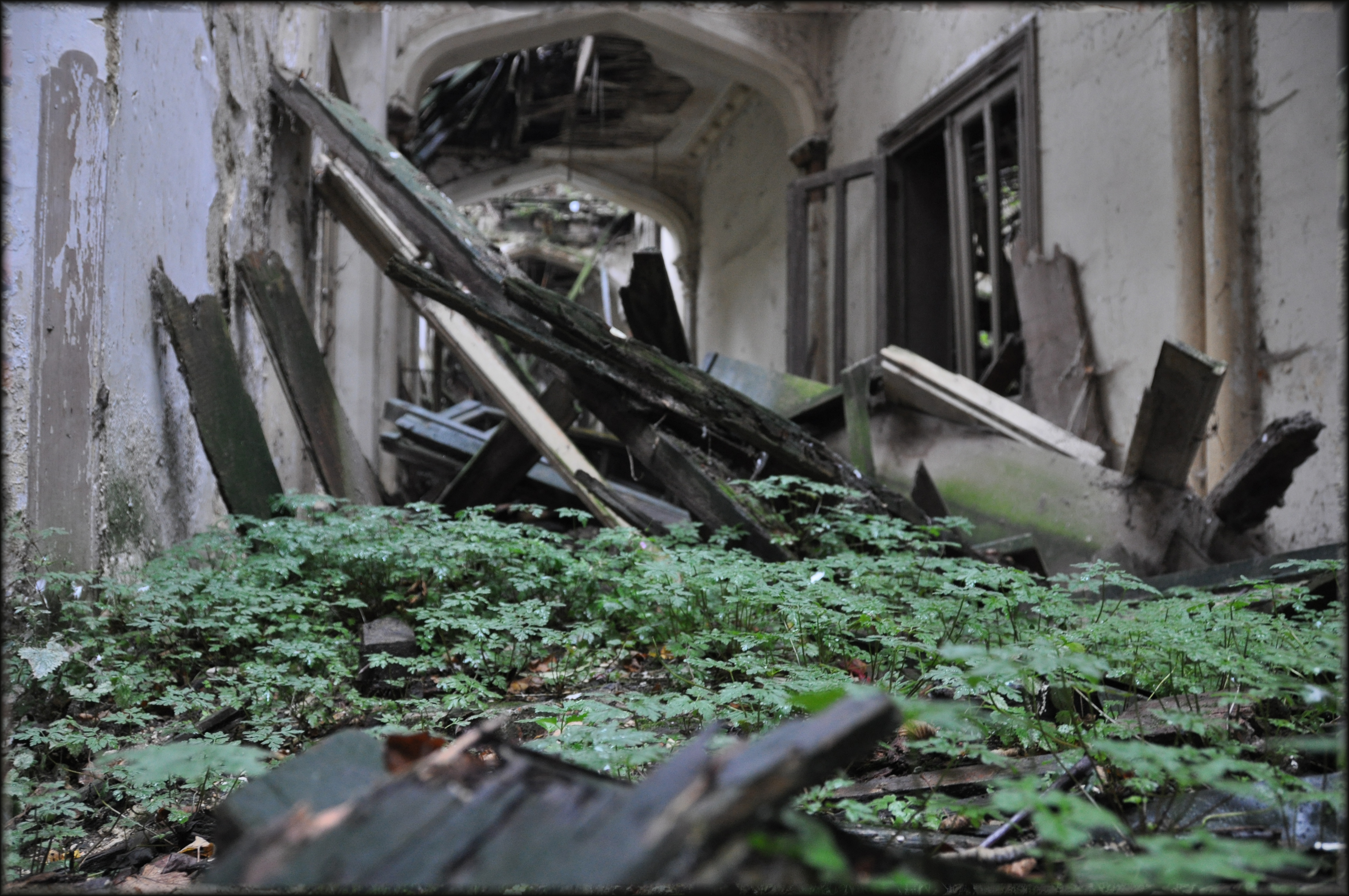
Somebody's house, nobody's home

This was a stately home that Vanishing Days took me and Marc to a few weeks ago where we all shared some angsty moments in a beautiful hallway with a spiral staircase, a dome-shaped skylight and some very large mirrors.

Space Invaders

The thing about this house, and the reason, I think, why I keep going back to look at the photo, is that it was clearly not abandoned very long ago (I heard 1998 – so maybe 11 years). Generally, I find that the more recently a place was abandoned, the more interesting it it to explore, because it has some sort of presence. You can feel who was there. At times, you can feel their grief and loss. Sometimes, it seems even more visible, some small piece of crumbling failure, a left behind artefact or scrawled note. Maybe it is the line between UrbEx and Infiltration and my need to get closer to that line is becoming greater as I have to feed that addiction.

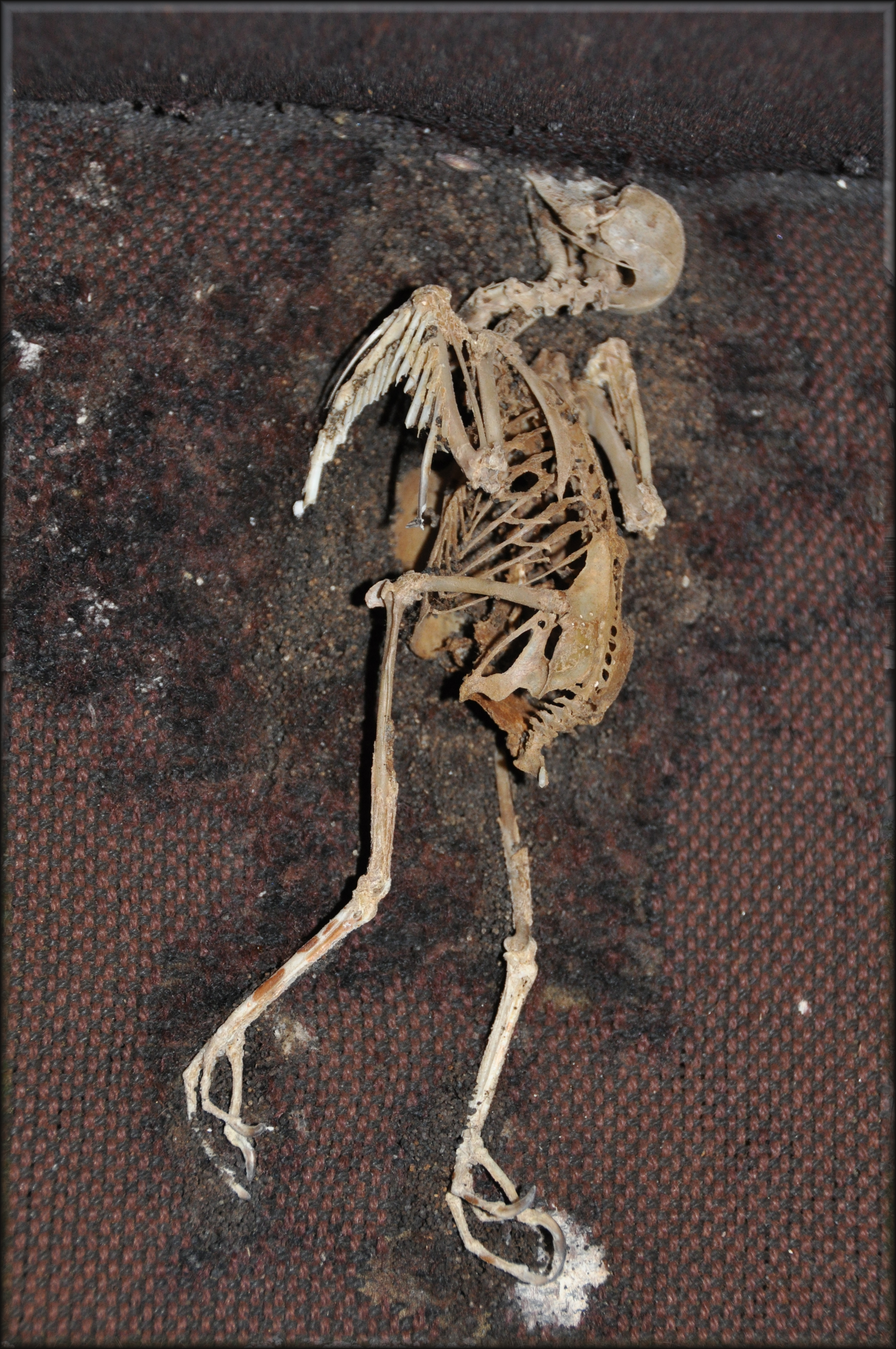
Forgotten pet

Vanishing Days, Marc and I saw this bird trapped between door frames and shutters, to panicked to get out, not intelligent enough not to get in in the first place. We saved it, but quickly realized that there were piles of dead ones behind the windows. We were forced to accept that this was their fate, just like the house, now no one’s home, which would die a slow death. But for a day, the house was enjoyed, playful desires were realized, new shoots of life were located, and space became place. As I stare at the picture of this beautiful abode, I like to think that it appreciated our visit.

Spun

Silk

Share
Tags : , , , , , , , , , , , , , , , , | 3 comments

Urban Camping in Belgium

Posted by Bradley L. Garrett on Monday Oct 12, 2009 Under Anthropology, Archaeology, Cultural Geography, Film, Urban Exploration, Visual Ethnography

Hidden Monuments

The time? About 11pm. The place? In the parking lot of a Carrefour supermarket somewhere near Liege, Belgium. It’s a weird place to begin the story of my recent road trip with Winchester, Statler, Tigger, Rivermonkey and Furtle but the urge to do so was prompted by something Winchester said.

As we were unpacking/repacking the vehicles for what seemed like the 20th time in a day, pulling out bags of clothes, sleeping gear, food, a pith helmet, Mary Poppins DVDs and a stuffed squawking bird, preparing for our second night sleeping in an abandoned place, Winch says ‘this is like urban camping.’

I have to agree. I have only had one such experience, a few months ago when I slept in the Paris catacombs with Marc and Hydra, but I have come to conclude, as did Winch, that this sort of camping (primarily prompted by the fact that we are all poor as dirt) surely puts ‘wilderness’ camping in a new light. I later asked the group what they thought camping in a place ‘added’ to the explore and although everyone had different ideas about this, everyone agreed that it definitely changed the nature of the explore, heightened it to some extent.

Camping with ghosts

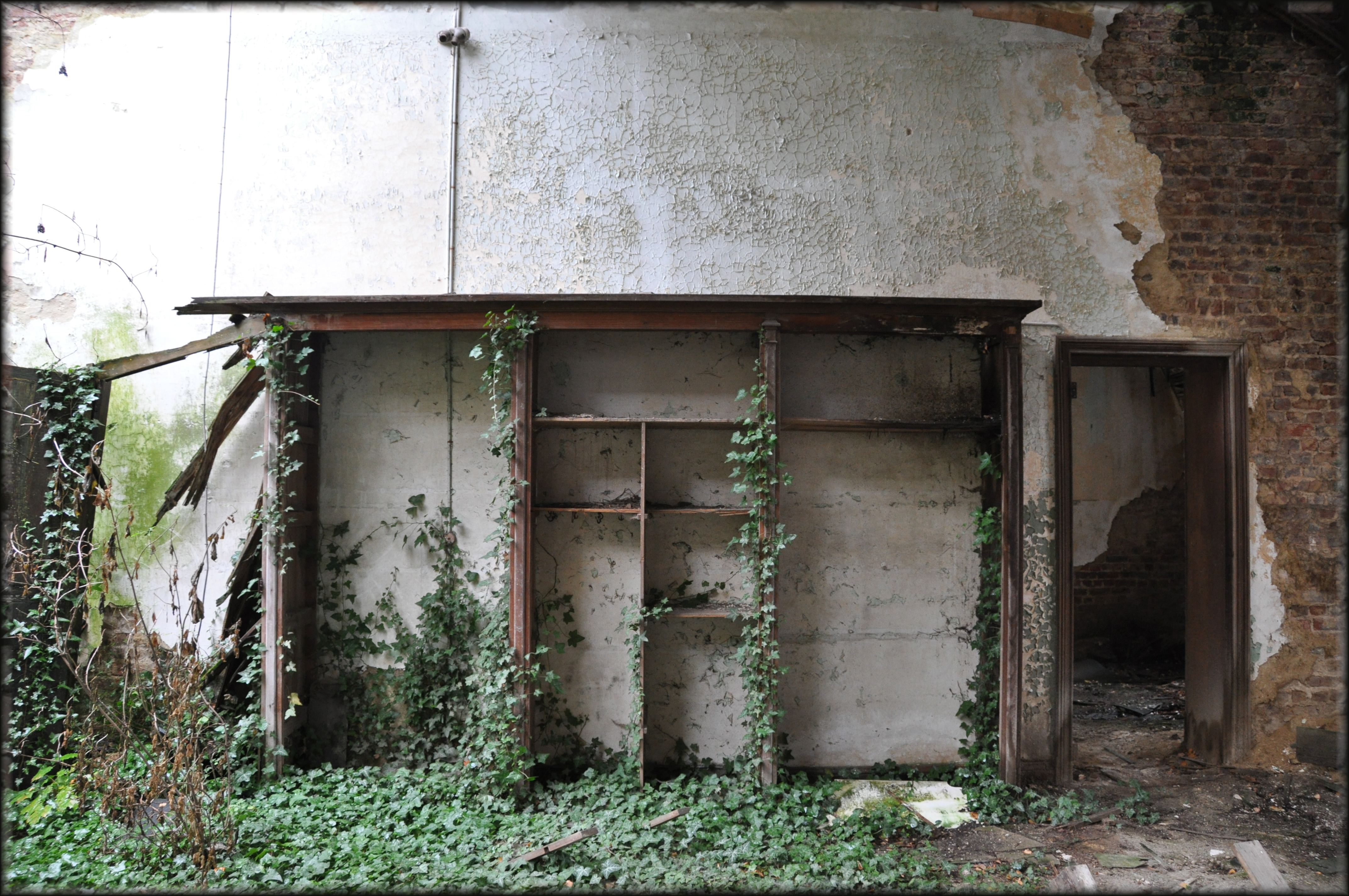
A recently received a new book called Interior Wilderness, a nice little collection of photographs from a guy called Ed Roppo (rustyjaw). On the back of the book, Ed writes that “abandoned buildings are a kind of wilderness turned inside-out. He also notes that “the most beautiful sites in abandonments are the result of natural processes left to operate on man-made materials”.

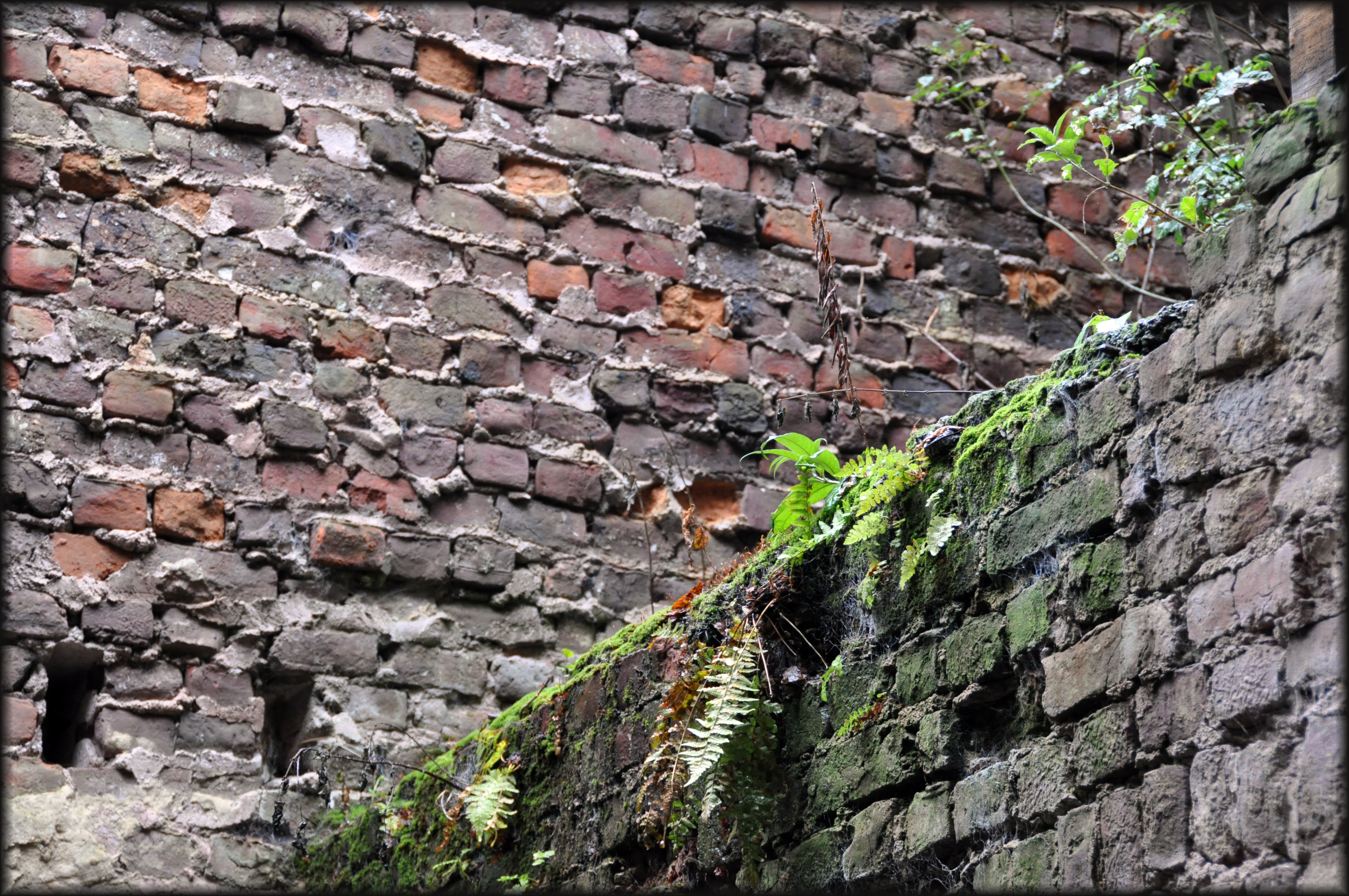
I wonder if part of our fascination as urbanites living in areas where nature in sometimes not readily accessible is that we can feel it in ruins. It humbles us, it reminds us of our place in the world, it reminds us that Mother Nature can take back what she has given at any time. Any small vine can collapse a concrete wall within years, sometime months, and in a few hundred, or a few thousand, as Alan Weisman so poignantly points out in his book The World Without Us, the great remnants of human civilization would be buried in the matrix of memory, almost invisible to the world, useful to the plants and animal left behind in ways we can never imagine.

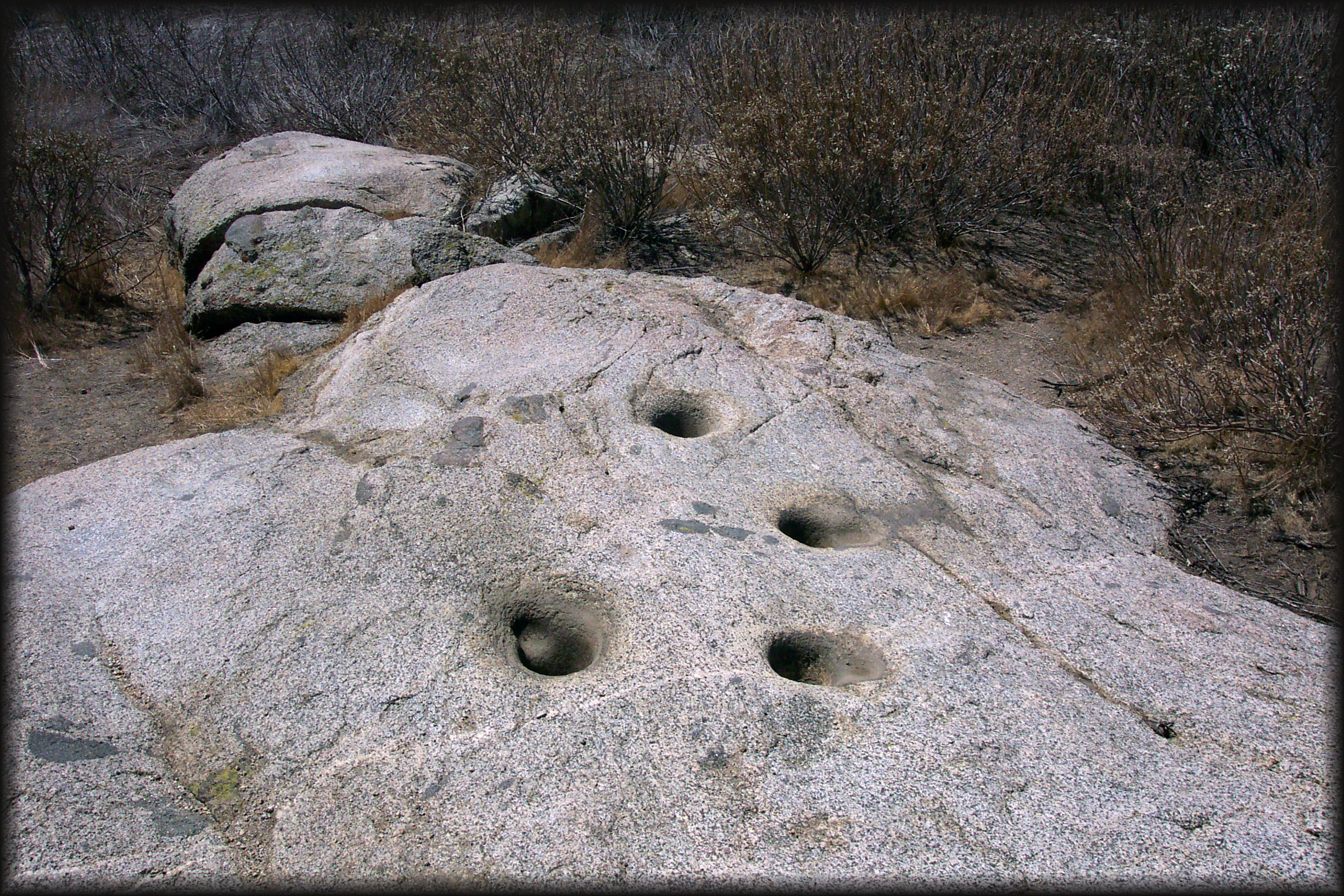
I once saw a deer drinking from a mortar hole in a large rock in Lake Elsinore, California.

Older stuff

I thought of the Luiseno Indian who sat there for years grinding out that hole with a pestle and wondered if they were ever curious about the possibility that this grinding slap might one day becoming a drinking hole for deer no longer hunted.

Nature climbing up

Nature crawling up

Urban camping is about adventure, yes, but it also about reminding ourselves what are place is in the world. A night in a ruin puts you in touch with reality, with homelessness, with decay, with nature, and over a few sips off good whiskey and some photograph sharing, with our friends.

Old or new?

I have fond childhood memories of camping, backpacking and road tripping. For me, these activities were always something done in solitude, something done alone to give one time to reflect. But this new camping that I am doing is an echo of my life in London. Social, active, full of encounter, danger, inspiration and intrigue. My research is building a piece of work (now my new solitude), but it is also building a new self, an identity that I never knew I loved. And perhaps, after all is said and done, urban camping is not about camping at all, it is about finding meaning in life.
Share
Tags : , , , , , , , , , , , , , , , , , , , , , , , , , | 4 comments

Paris Catacombs July 2009

Posted by Bradley L. Garrett on Thursday Jul 9, 2009 Under Uncategorized

Ever since becoming interested in UrbEx, I had heard the legends of the Paris Catacombs. It seemed to be some distant dream, the unobtainable pinnacle of UrbEx protected by cataflics and catophiles alike. But a few weeks ago, a phone call from Hydra handed me the golden key. A friend of ours in Paris (who is consequently one of the best photographers I have ever seen) invited us for a four day trip deep into the catacombs, a trip which was to cover dozens of kilometers, sleeping, eating, dreaming and crawling through the various galleries.

The trip began with a 8 hour coach ride from London, across the channel on the ferry, and into Paris at 7am. After spending the morning rounding up supplies, we crawled into the catas in the afternoon, finding them pretty much empty on a Friday. Although my gear was carefully minimized and I was in good shape for the explore, the catas required a different sort of stride than I was used to. It was low, head turned to one side, many times through deep water, waddling quickly after our guide who had endless energy and an incredible drive to explore.


photo by Hydra 2009

photo by Hydra 2009

photo by Hydra 2009

photo by Hydra 2009

The galleries underneath Paris seem to go on forever, punctuated by brief stops in various rooms (chatières) which have been lovingly dug out and maintained by the cataphiles who care for this place.


photo by Hydra 2009

photo by Hydra 2009

photo by Hydra 2009

photo by Hydra 2009

We slept in a tight chamber which became increasingly cold as the night wore on. At some point, about 2am, an explorer woke us up, looking for a place to sleep himself. He asked if we could wake him when we left but was not very amused when we started crawling at 7am again! We ran into a few other groups of people over the weekend, mostly people going down casually to party. The most interesting person we met however, was a cataphile who demonstrated the proper use of a smoke bomb to evade subterranean authorities. When we finally exited the room where he lit it, we had to feel our way along the walls and our torches only made it worse!

photo by Hydra 2009

photo by Hydra 2009

photo by Hydra 2009

photo by Hydra 2009

One of the things that struck me about the experience was the constant reminders of death. I guess this is inevitable, given that we are in a place full of the bones of the dead, a place underground where the dead are though to dwell, a place where one could die anytime. It seemed that everywhere you look, there is a skull, real or iconic, a death mask, a memorial or alter. Perhaps this is what makes this place so sacred, perhaps this is why the days I spent in the catacombs felt like a dream, like the sleep that the Buddhists call a “small death”. Perhaps this is why, for the last two days since I have been home, the catacombs still live in my dreams.


photo by Bradley L. Garrett

photo by Bradley L. Garrett

photo by Bradley L. Garrett

photo by Bradley L. Garrett

The end to our catajourney was somewhat comical. After days underground, we thought it would be funny to pop out of a manhole cover in the sidewalk and walk home. Unfortunately for us, the cover was incredibly heavy and we spent far too long trying to move it. Eventually, the police drove by and noticed the cover being moved and stopped to find out what was happening. After some assurances that we were safe and not up to mischief, they opened the cover for us, allowing for a safe exit from our 100 foot underground wander.

Our guide was an expert blagger and chatted up the police who eventually just wanted to ask questions about what was below and see our pictures and video. They even left us take some pictures of our exit and scrape with the gendarmes on our way home. I have to say that this experience, being American, was as surreal for me as the explore and I have an entirely new love and respect for France. Now maybe I should spend some time seeing it above ground!

photo by Bradley L. Garrett

photo by Bradley L. Garrett

Share
Tags : , , , , , , , , , , , , , , , , , | 1 comment

Rock-a-Hoola water Park, Mojave Desert, CA

Posted by Bradley L. Garrett on Friday May 1, 2009 Under Archaeology, Cultural Geography, Film, Urban Exploration

After two months of presenting, travelling and doing fieldwork in various locations, I have a 2-month long 3-in-1 report for the site. On March 26th, I presented a paper entitled Submerged Tribal Memory: the Case of the Winnemem Wintu at the 2009 American Association of Geographers conference. Despite some minor technical difficulties, the presentation went well. Check that off the list!

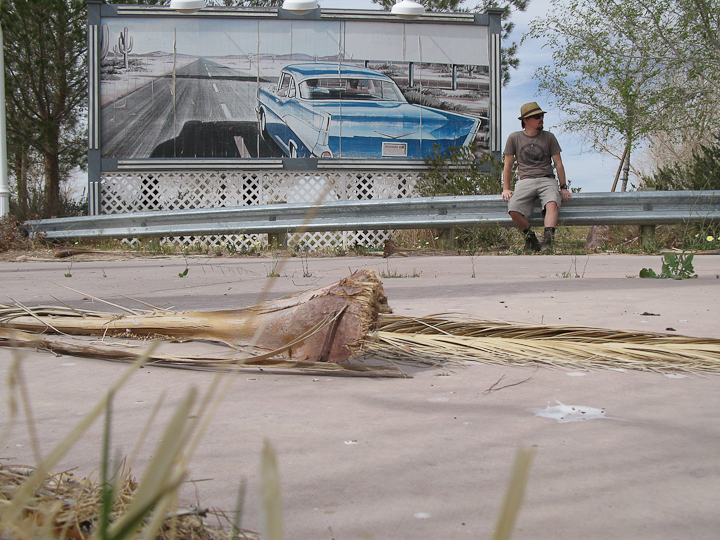
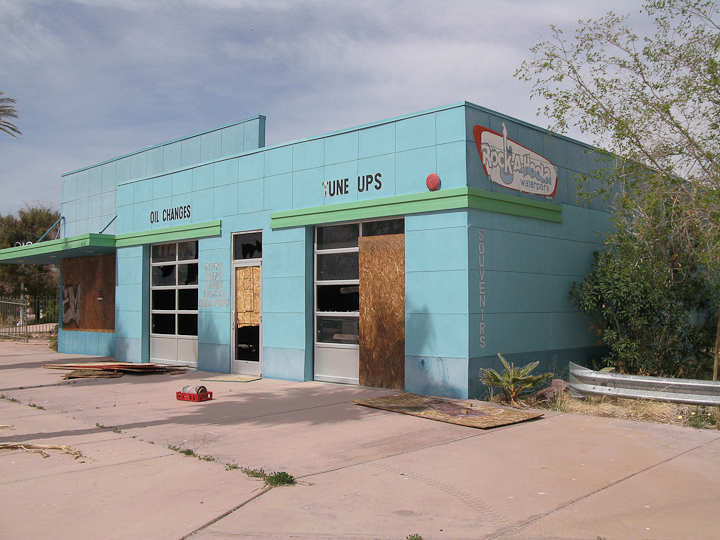
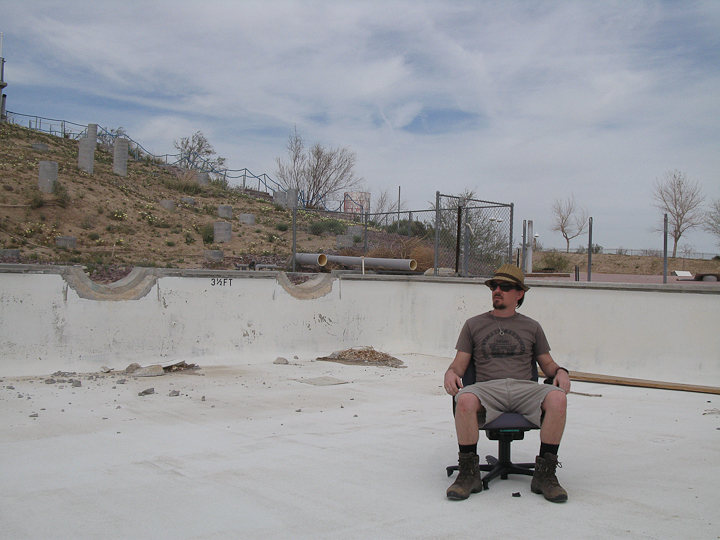
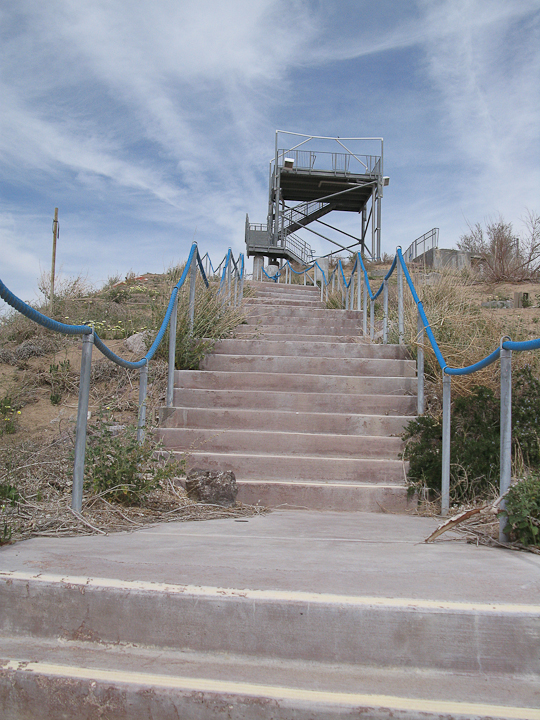
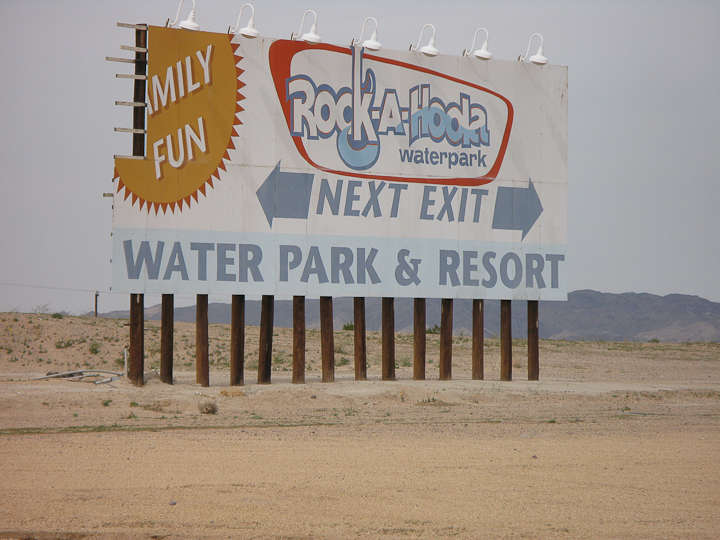
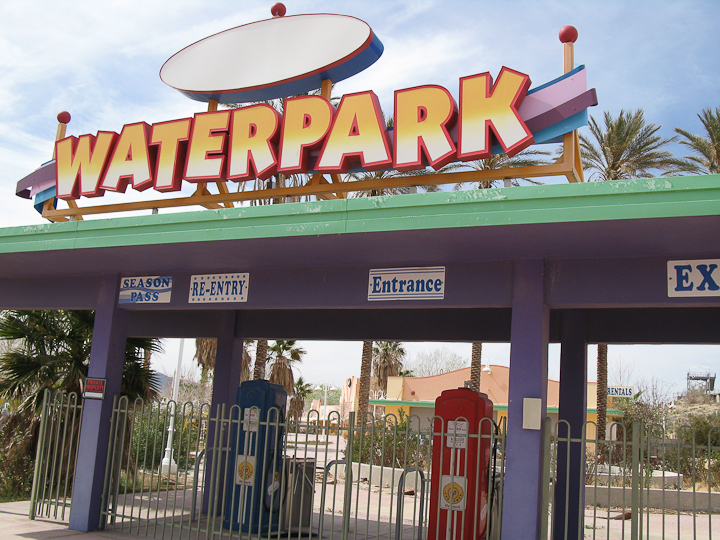
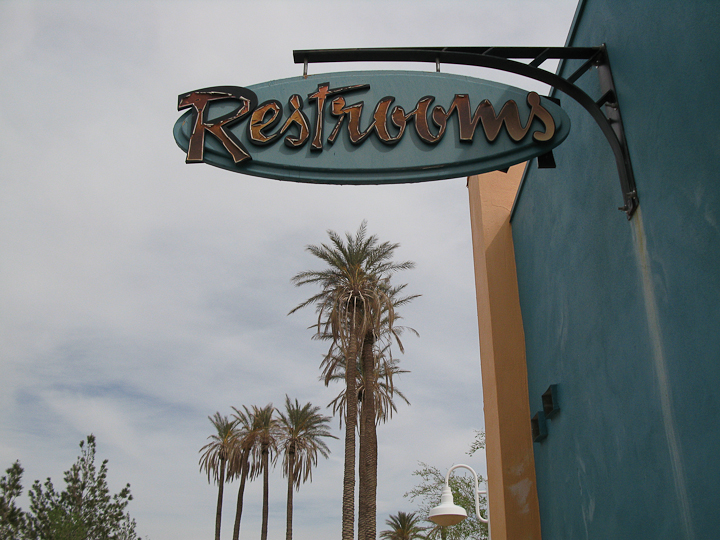
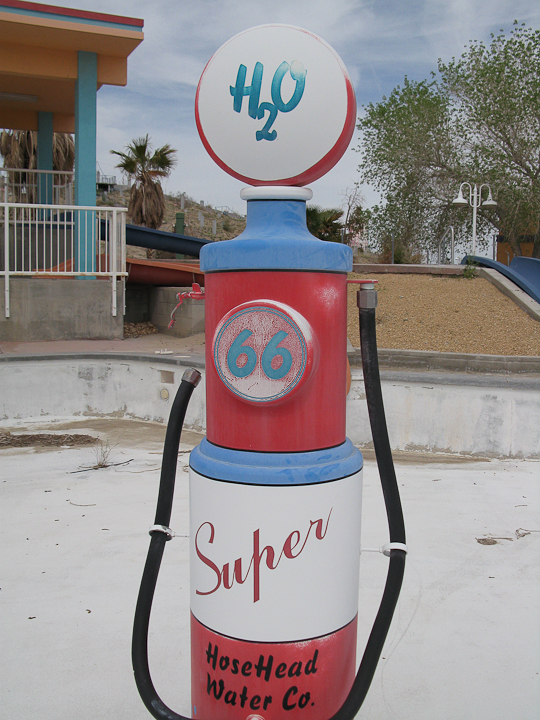
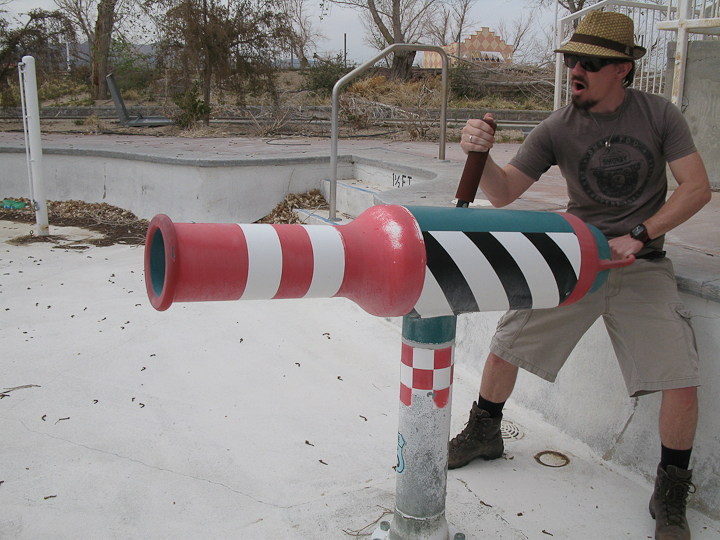
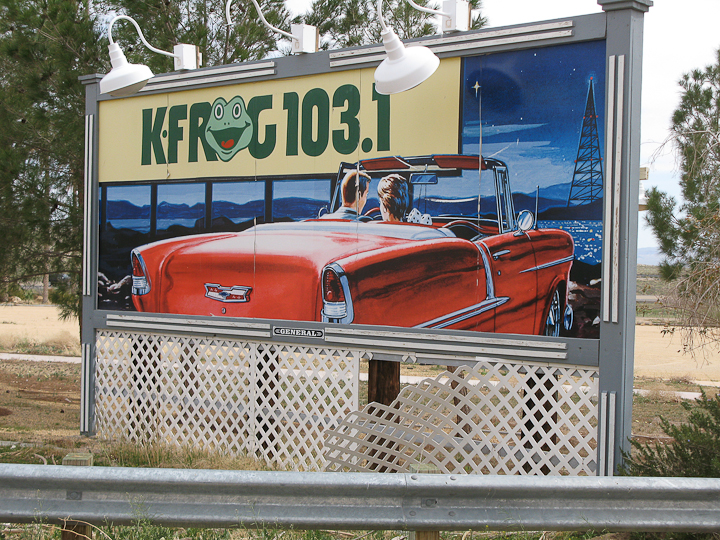
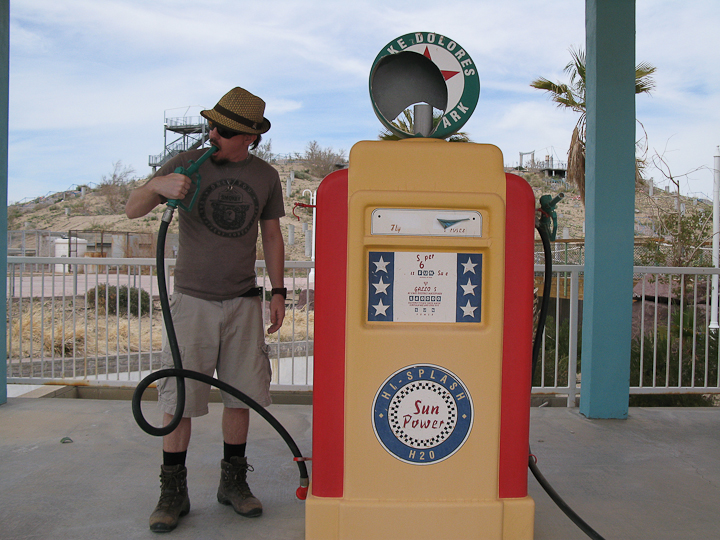
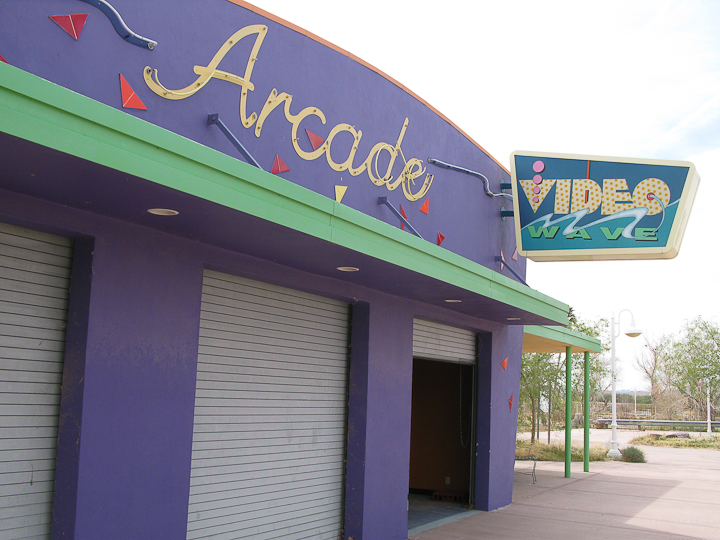
On the way back from Vegas, I stopped at the abandoned Rock-a Hoola Water park in the Mojave Desert smack dab in between Las Vegas and Los Angeles for a little bit of UE with sYnOnYx, a Las Vegas explorer. The park closed down in 2004 and is an eerie explore despite the recent removal of the slides form the park in recent years. Before the removal of the slides, the park was on an episode of MTV’s Rob and Big where they skate it:

With slightly less daring, I returned with my own photos:

So, with that little post, we are nowhere near up to date! I will play more catch up soon!

Share
Tags : , , , , , , , , , , , , | 4 comments