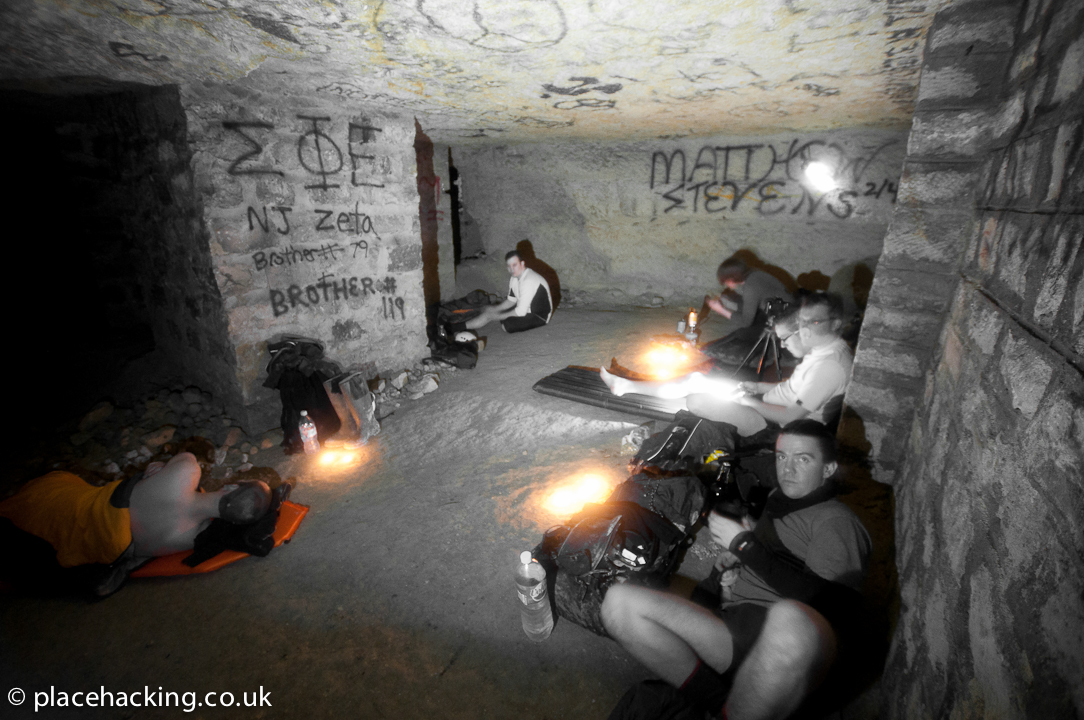
Man is free at the instant he wants to be.
-Voltaire
Clear light of bliss

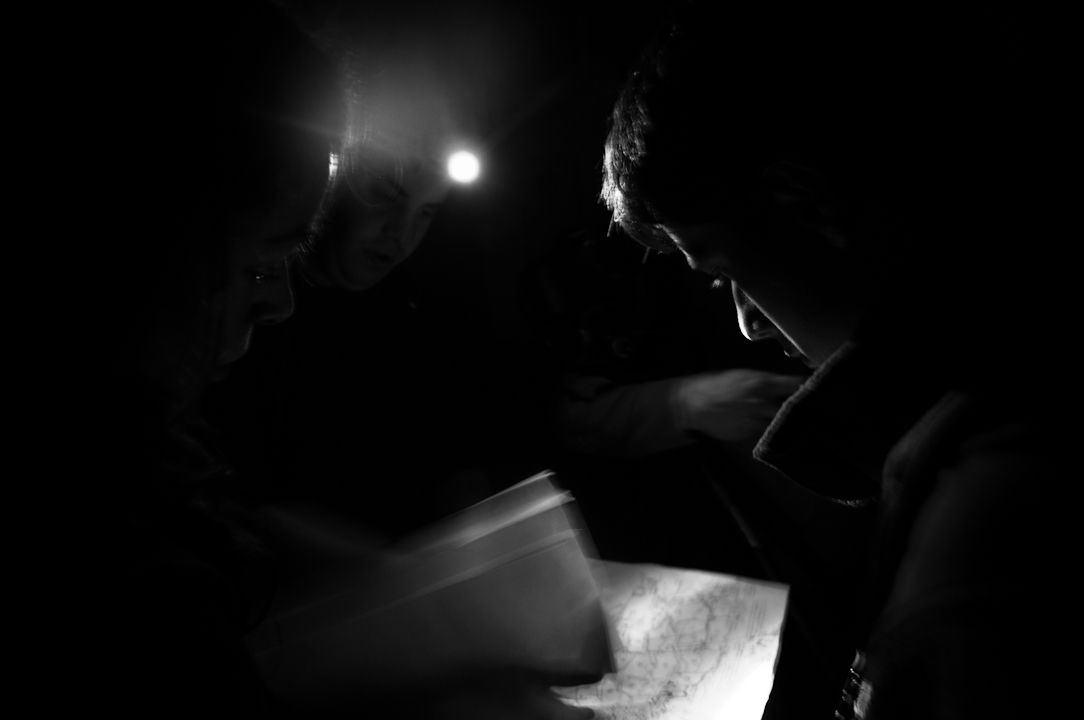
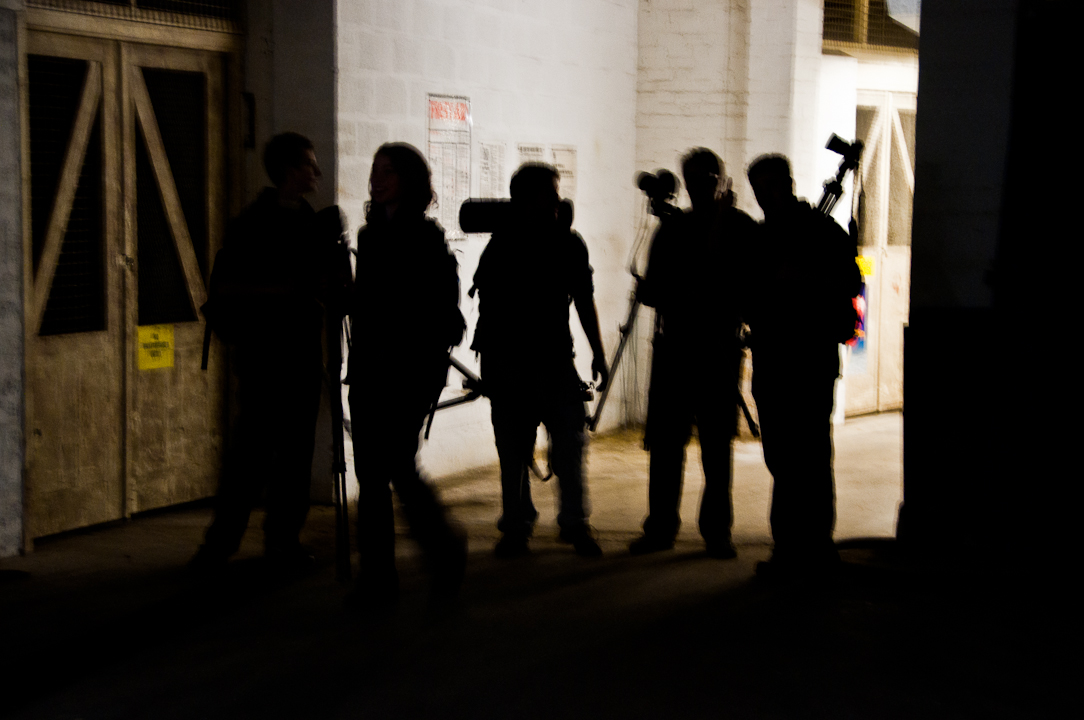
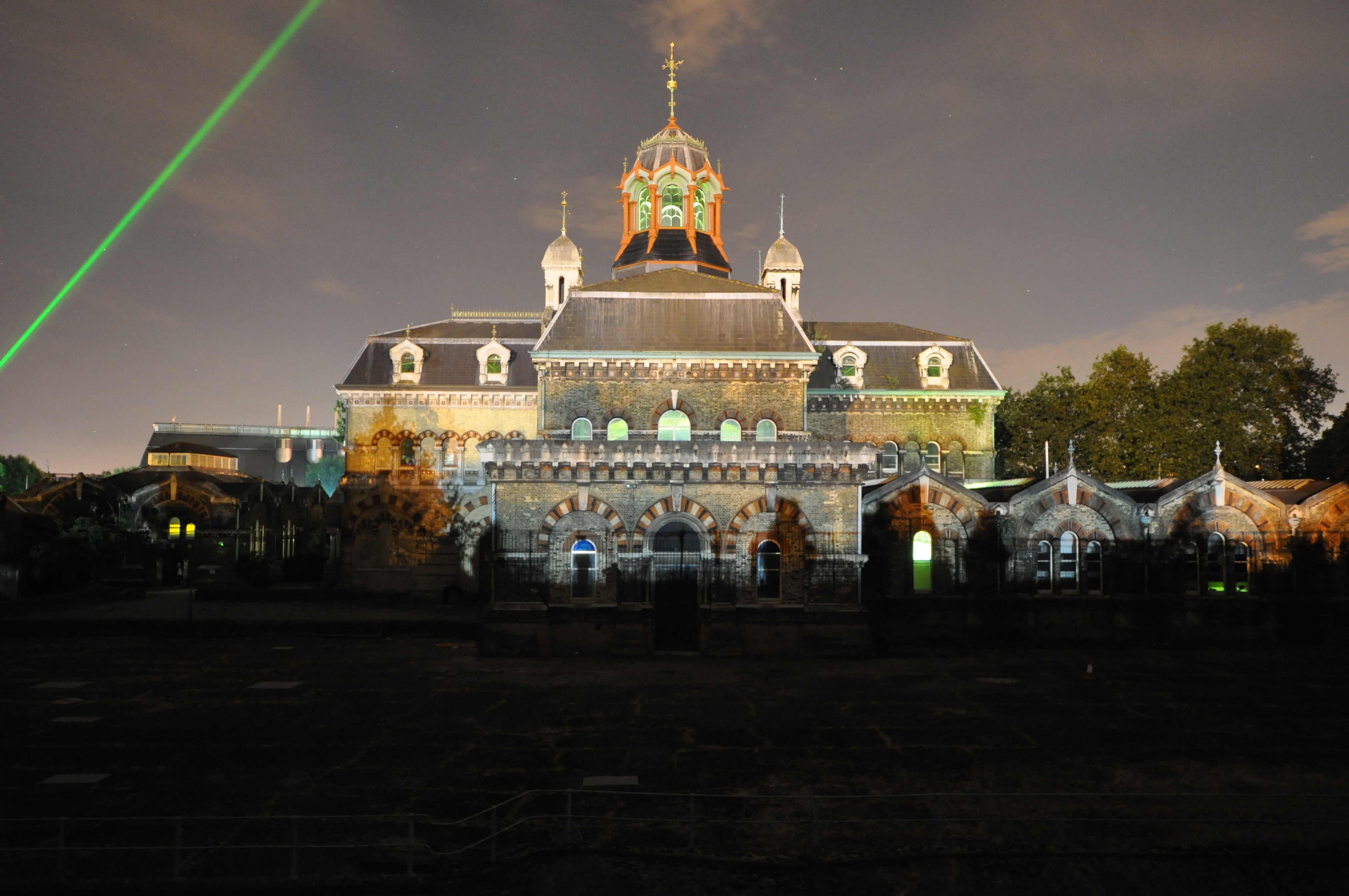
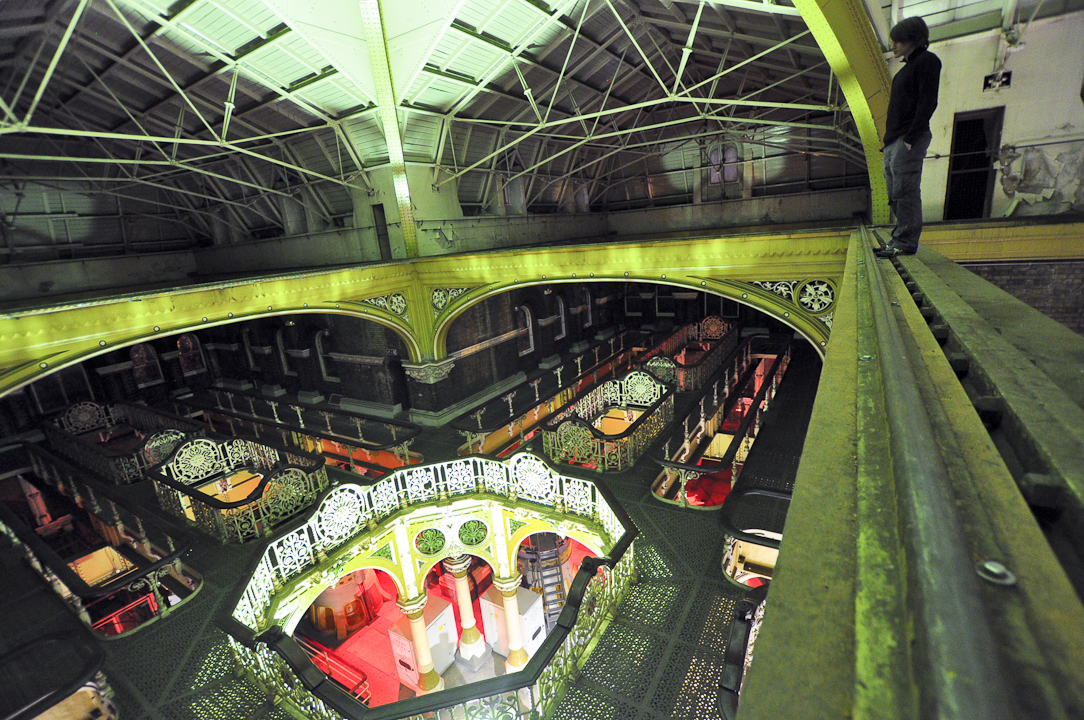
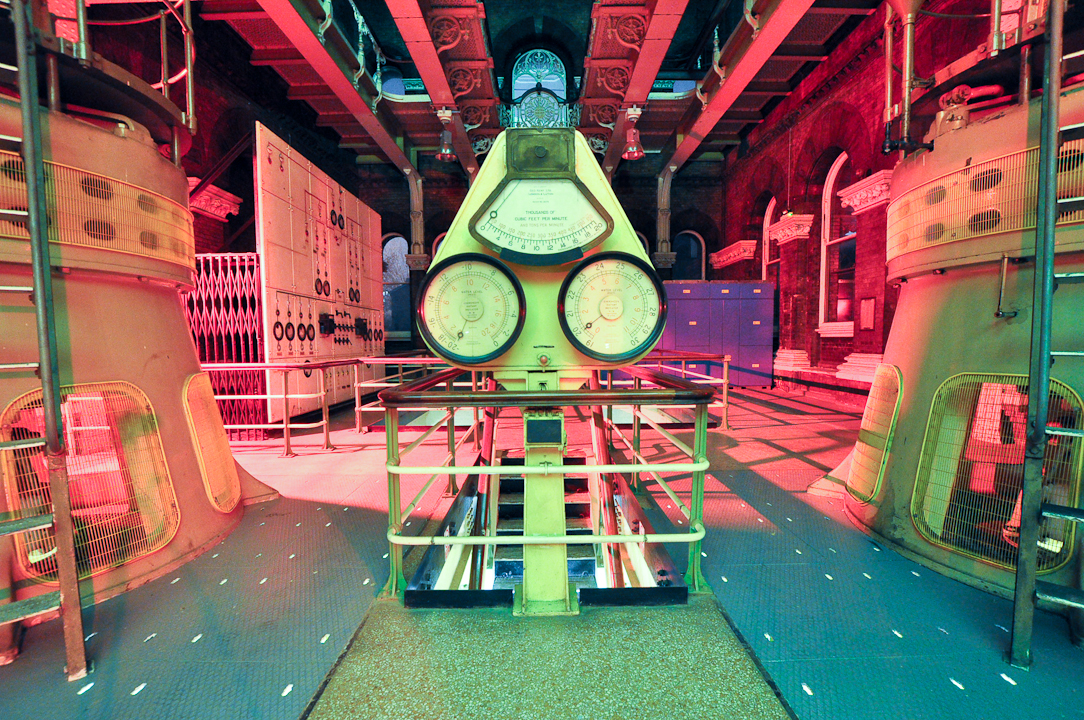
Silent Motion rolled up on the East London Greenway at about midnight. Sarah and Maria were with him and he was headed with a determined stride to an old flame. Architecturally speaking of course. The Abbey Mills Pumping Station, recently written about by our friend Paul Dobraszczyk on rag-picking history is indeed a Cathedral of Sewage.

The first empty Redstripe can spiked onto the security fence followed by another empty precariously placed on a ledge waiting for the next little gust of wind to send it spiralling into the River Lea clearly indicated that the Goblinmerchant and Brosa were already inside. But when Silent Motion and the girls rolled up, they found the dejected pair with the rogue Sophie dancing around a fifth of Famous Grouse playing tag with the demons of the night. The window was jammed.

Two hours of death-defying acrobatics followed. We all knew with Silent Motion there we weren’t walking away. The popping sound of the fire exit opening 40 minutes later was consequently rather satisfying, given how miserably cold we all were lying huddled around our empty Grouse bottle drawing straws to see who would be eaten first while we waited for the early-morning train from the Far East back to more respectable South London Boroughs.

Post-apocalyptic imaginaries were abandoned as we walked through the door.
In the presence
Of Bazalgette

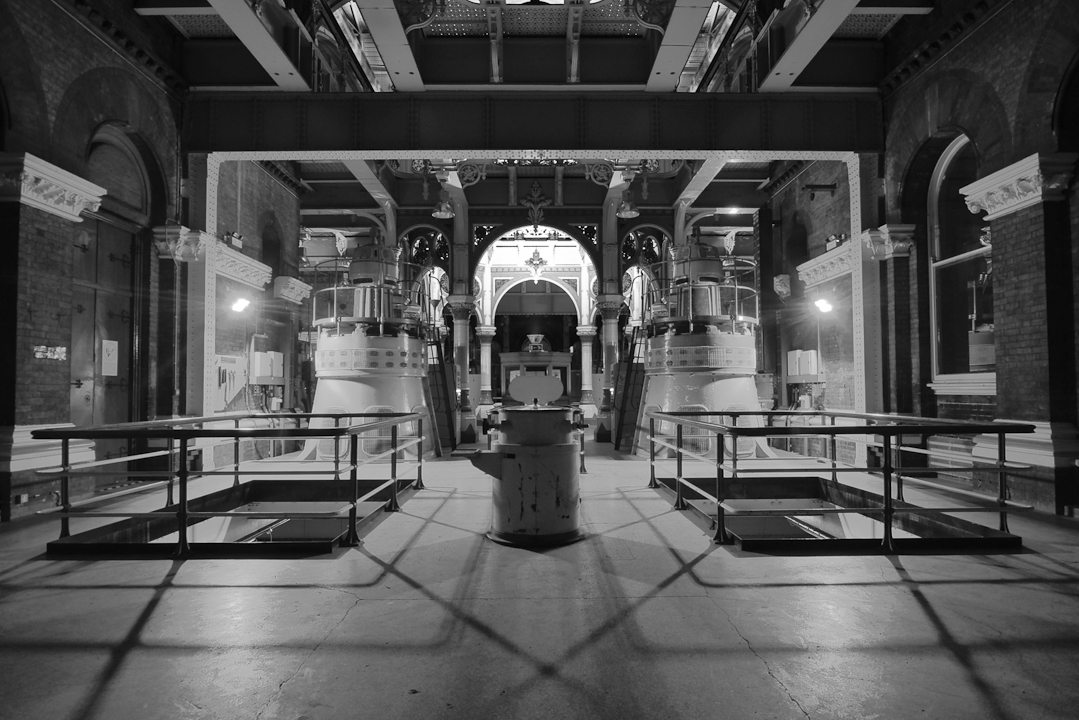
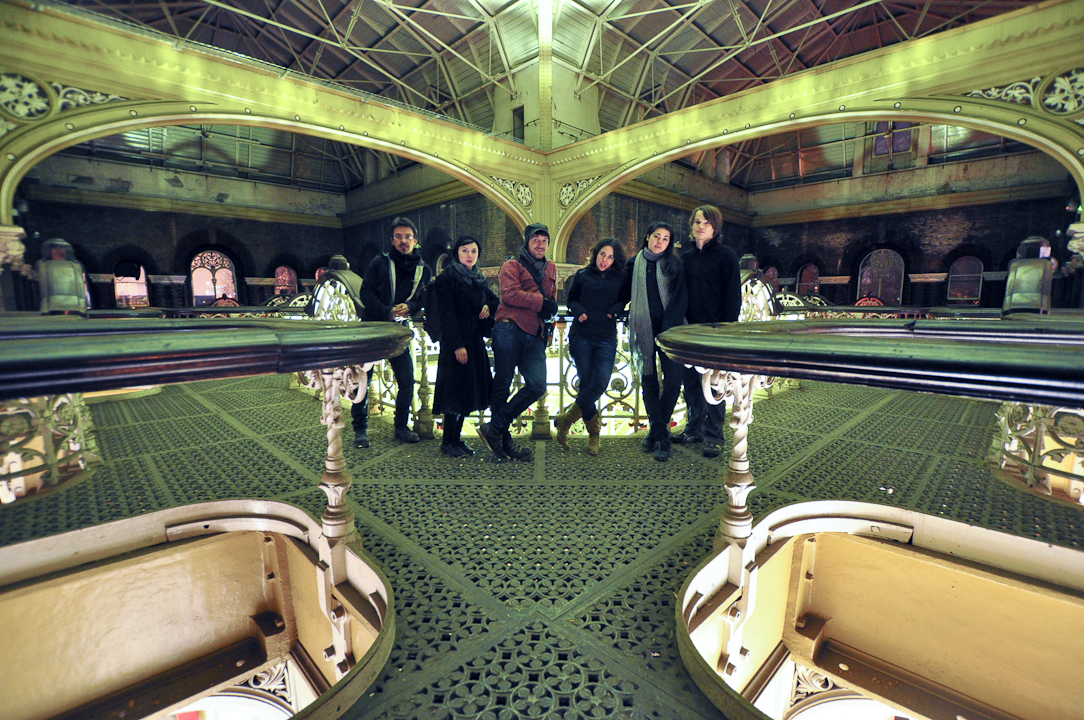
Being in such close presence to Joseph Bazalgette, hero of London sewage, urban exploration and architectural aesthetics, was instantly sobering. Standing in the main hall, it become clear that Bazalgette was mad as a hatter when he built this absurd monstrosity of shit-pumpage. But as Jack Kerouac writes in On The Road,

“The only people for me are the mad ones, the ones who are mad to live, mad to talk, mad to be saved, desirous of everything at the same time, the ones who never yawn or say a commonplace thing, but burn, burn, burn, like fabulous yellow roman candles exploding like spiders across the stars and in the middle you see the blue centerlight pop and everybody goes “Awww!”

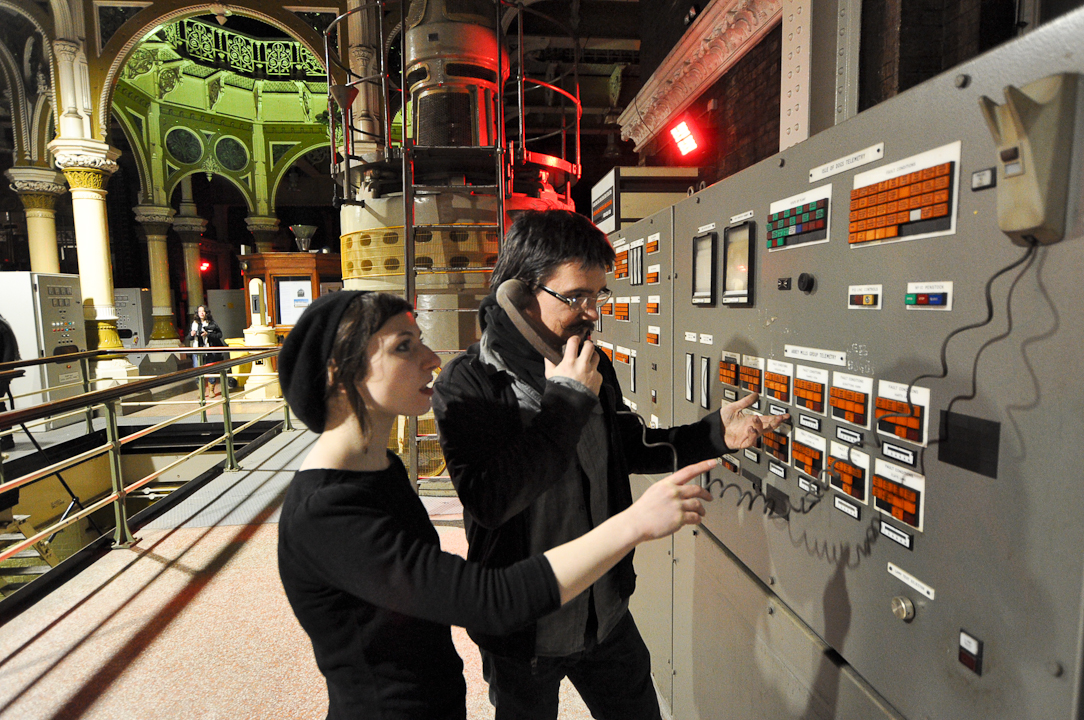
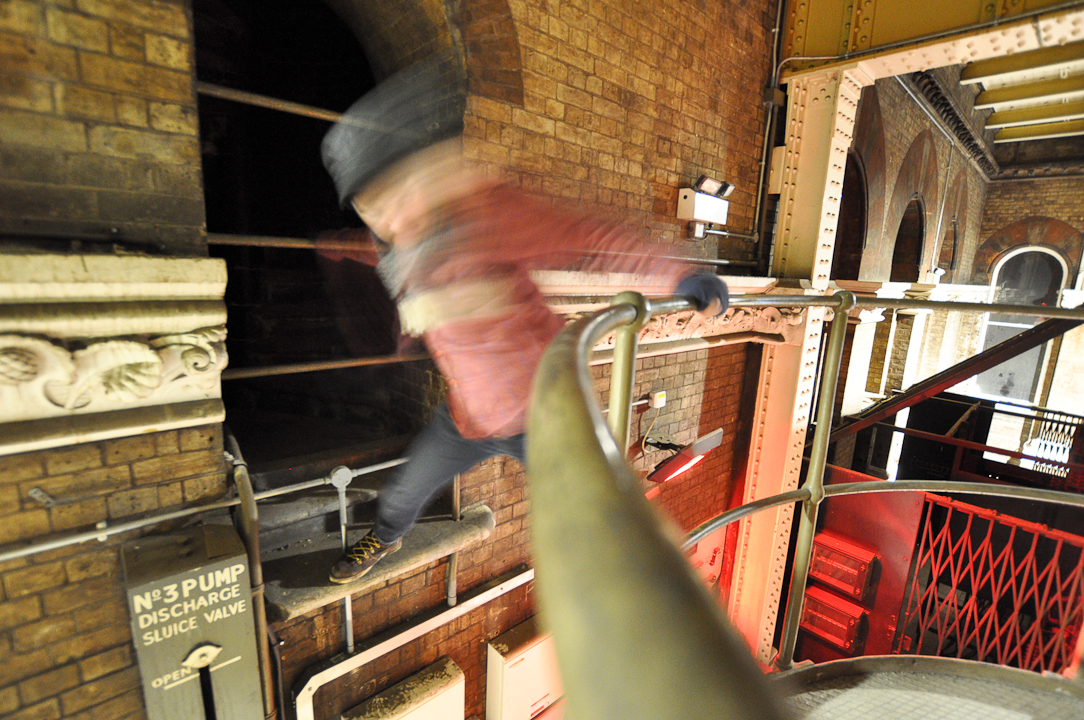
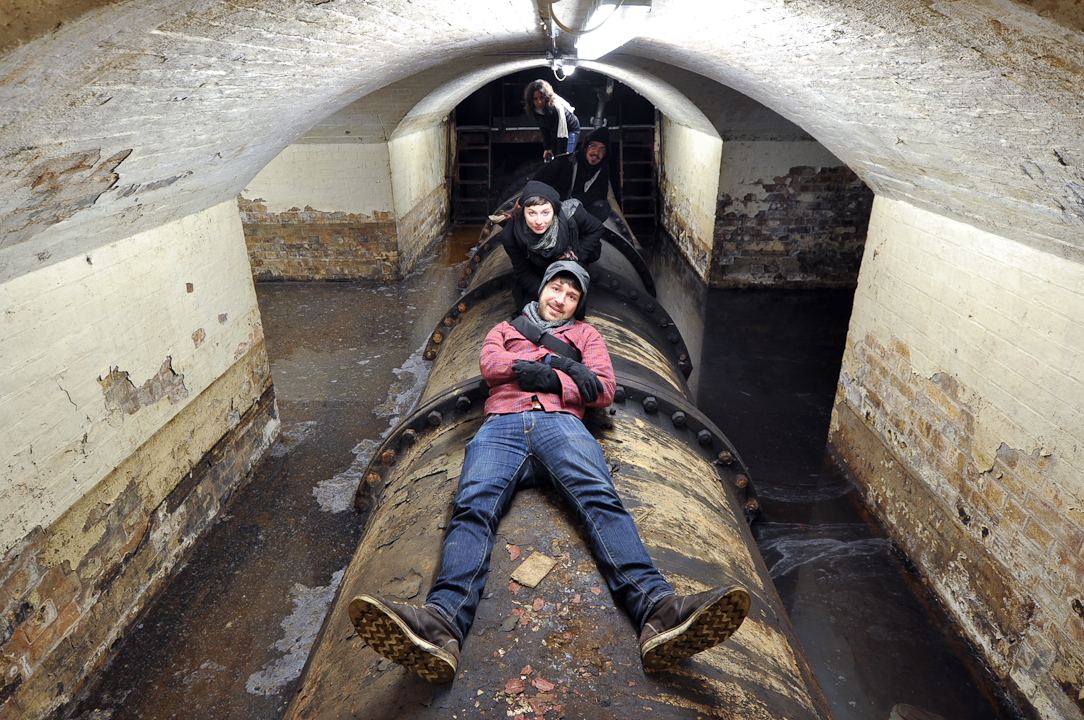
We were all on the same team here. It was clear to everyone in attendance that Bazalgette was there too, raving and craving, clawing and lusting, climbing and laughing. We went into a wild Bacchian frenzy. It was movable feast of affectual affordances as twisted Victorian metal was transmuted into swing and ladders, balance beams and gaps to jump. We played limbo under their security gates, we crawled on all fours across half-submerged pipes and used the derelict phone system to call the security hut and tell them they lost the game.
We don't need
To ask for
Permission

_________________________

The truth is that Silent Motion and I needed some time to play. We had been fighting police in the streets, sat in sub-zero kettles, setting fire to the city to keep warm for a month straight as part of the student protests. It felt like life had quickly become so serious. Even urban exploration had taken an ominous turn after other explorers started crying about our A-team exploits. One detractor even labelled our crew “the London can openers” which I quite liked.
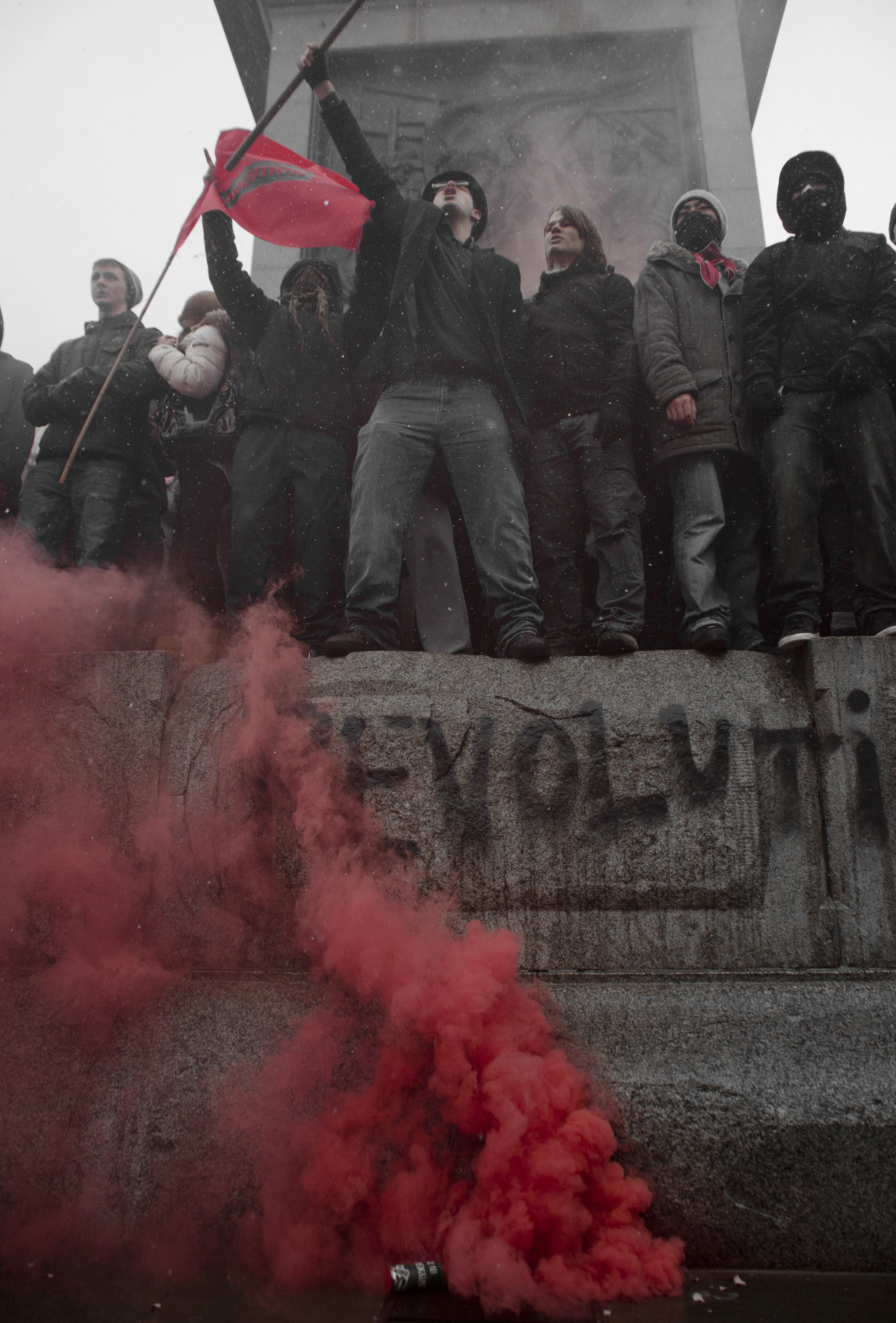
Spot the can opener

Our participation in particular types of exploration, our participation in the riots that most explorers chose to ignore while they sad at home madly bashing their keyboards in frustration, our participation in whatever the fuck gets us pumped up is a reminder, however sad, that as Winch has said before, there is no UrbEx community, there are just friends who enjoy hanging out with each other. Some are braver than others. Some explore for the glory, some for the fun. Some walk in the track of others. Some blaze new trails. Some try to make things a little more fun. As Statler says, there are no rules to UrbEx, there’s just where your morals fit and as Sartre once wrote about the philosophy teacher Mathieu, “he could do what he liked, no one had the right to advise him, there would be for him no Good or Evil unless he thought them into being.”

We needed this night to remind ourselves that this is what we are capable of. Elegance was reaped by bringing along a visitor to London for the weekend to experience a night out that wouldn’t be soon forgotten. We fed on that initial wonder that comes with realizing that yeah, you can just do this.
Let's
Just do this

Being free doesn’t require consent and we don’t need to ask permission to explore, not from the government, other explorers or your mum. No matter how much frustration we brew, how serious our work gets or how intense our lives may become, we are reminded through urban exploration that all it really takes to feel free again is the initiative to walk away from it all and rewrite the rules for a night. Disclaimer? There is none.

Space, despite all allusions and illusions to the contrary, is free.
Beautiful all around

__________________________

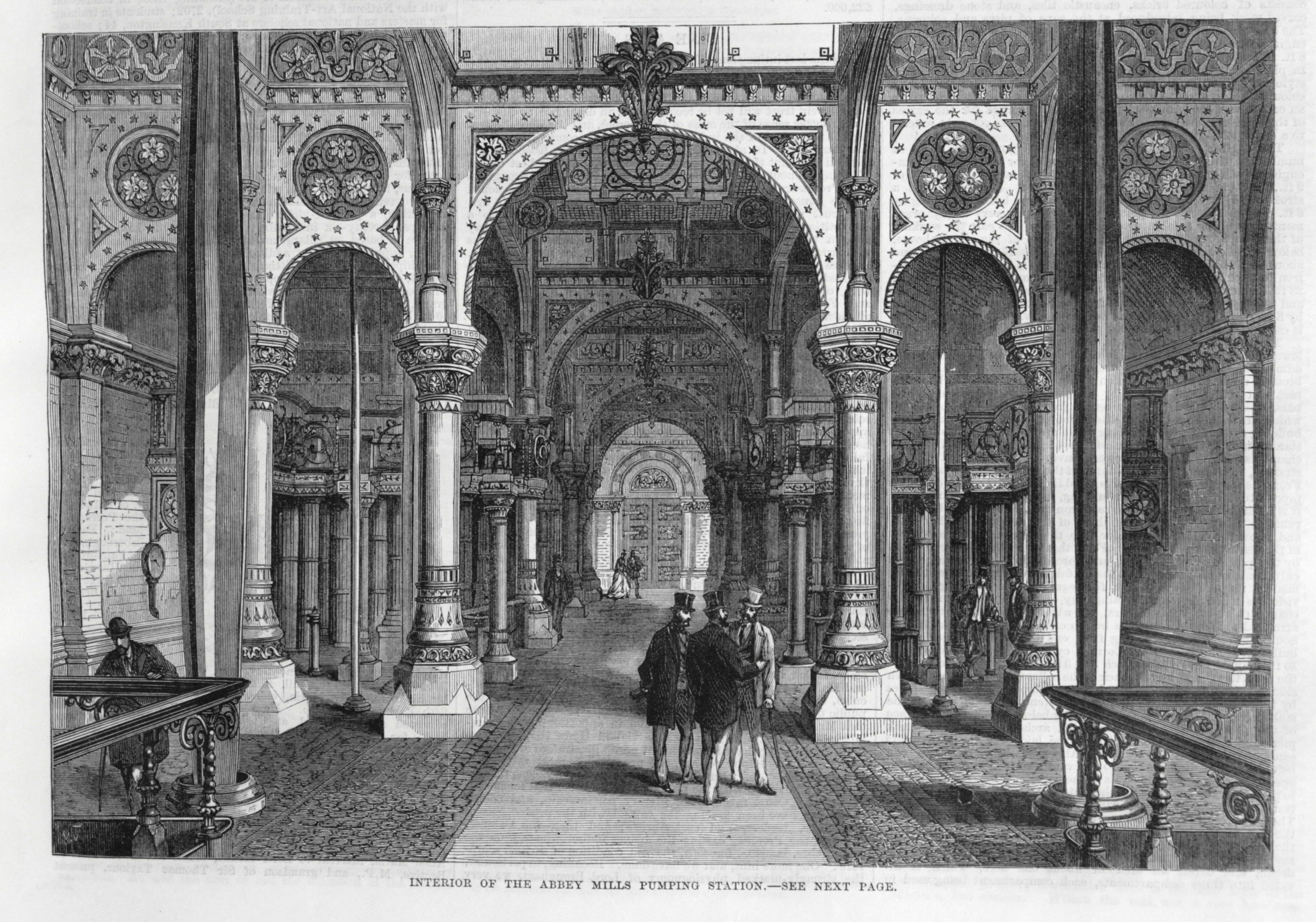
The photo of Abbey Mills in 1868 was jacked from Rag Picking History.

The photo of Silent Motion the can opener was kindly provided by Nicholas Adams at Guerilla Photography.

The Red Stripes and Famous Grouse were provided, on discount, by Emron from Pakistan at my corner shop who still wants me to make a documentary about his quest to abandon the family business to become a pilot.

The word were kindly provided by my brain, via my fingers during some sort of synaptic process that still eludes me.

Share
Tags : , , , , , , , , , , , , , , , , | 2 comments

“We enjoy thumbing our noses at petty bureaucrats and puerile legislators, and their half-baked attempts to stop us going to the places where we go… places they built with our tax money.”
Predator, Sydney Cave Clan

Drop in

Watching the US government scramble to patch up the PR damage being done through Julian Assange‘s leak of 250,000 private cables got me thinking more about the political implications of my notion of place hacking. The hacker ethos is clearly aligned to libertarian socialism, at times straddling the intersection between libertarianism on the right and anarchism on the left. This intersection was evident in the hails of praise for Julian Assange from both Anarchists and from Ron Paul, one of the leaders of the US Conservative Tea Party movement.

So when we recently explored a Ministry of Defense nuclear bunker, I could not help but make the connection between the militant existentialist ideology, shared by other groups such as graffiti writers who assert, as Tim Cresswell writes, that “everywhere is free space” and the Wikileaks ethos of populist-enforced democratic transparency which I assume Jim Hightower, the celebrated American liberal populist, must approve of. Both system hacking and urban exploration are about making the invisible visible and technology helps us to force transparency in both virtual and meat space. I created a podunk media flurry in Riverside California, my home town, last summer by sneaking into March Air Reserve Base with my brother Pip and photographing the remains of millions of dollars of government investment rotting in an abandoned military hospital while they planned to spend $80 million to build a new one one the same base during an economic meltdown. It therefore came as little surprise when we cracked this bunker and found equal waste in the UK. Which we of course, in both cases, we loved for the surreal playgrounds they create.

Planning

For transparency

Dsankt writes on Sleepy City that “whether you’re hacking transit systems or computer systems they’re all fissured, all possessing those little cracks just wide enough to wriggle your dirty little fingers into and force to sneak a peek into what lies beneath the shiny smoothed over façade most take for granted every single day”. I have suggested “place hacking” as a phrase which encapsulates the different types of explorations we undertake (urban exploration, infiltration, draining, buildering, unauthorised spelunking, urban adventuring, underground parties, etc.) as well as the more intangible themes of localization of heritage, political subversion, critical spatial practice and “alternative” community construction and identification. But I wasn’t the first. As early as the 1980s, the term “hacking” was applied first to physical space by the Technology Hackers Association at MIT who learnt to pick locks and infiltrated the steam tunnels underneath the university. Students began climbing rooftops on campus, conducting freshman on what is called The Orange Tour. Only later was the term appropriated by the computing community. As Löwgren writes, “the word ‘hack’ was used to refer to… practical jokes or stunts. Its meaning shifted to the technology needed to perform the prank, and later came to mean a clever technical solution in general”.

The 7th entry under the term “hacker” in the New Hacker’s Dictionary defines a hacker as “one who enjoys the intellectual challenge of creatively overcoming or circumventing limitations”, importantly pointing out the physical foundations of the art.

Place

Hackers

We worked for hours into the night, checking the walls for hidden tunnels to gain access to the bunker and crawled out some hours later covered in mud, tumbling in front of two large security cameras. Figuring we had already been seen and praying that no one was watching them, we pushed forward, all scared witless but determined to know what was contained within. Alan Rapp writes in his MA thesis that the practice of urban exploration “provides a tart reminder that the areas that we have regular access to are not just quotidian, but also normative, if not repressive. The patterning that we can infer from the sanctioned environment is absent from the spaces that urban explorers go; they have been deprogrammed”. In the same way the “the techniques dérive and détournement offer the possibility to explore spaces in new ways, and to rearrange existing aesthetic elements into new forms of expression”, urban exploration fits geographer Alistair Bonnett’s description of offering “a new form of geographical investigation that can enable the revolutionary reappropriation of the landscape”.

But while the organization and politicisation of the practice may be novel, a question remains whether the practice itself actually is. Urban exploration, though it looks similar to the dérive, or surrealist parodies, has learned from the successes and failures of preceding critical spatial practices, leading to the creation of a network that is truly horizontally structured, without leadership and completely decentralized, while adopting an opaque public image of apolitical benignity, at times even presented as a type of heroic preservationism. Urban exploration, as a result of this decentralised power structure and well-groomed public image, is political in action but not in assertion, rooted in freedom of personal choice that comes across as what I see increasingly as libertarian in ideology aligned with the work of Wikileaks and individual anarchists. As Marc Explo recently told me on a trespass into the quarries of Paris, “I don’t need anyone to tell me that I am free. I prove that I am free everyday by going wherever I want. If I want to drink wine on top of Notre Dame, I do that, if I want to throw a party underground, I do that.” The impetus to do so becomes even stronger when we feel excluded from the government decision making process that we are paying for. And so, as Marc Explo asserts, where right are not given, they are simply taken.

Information

Not offered

As Bonnett again points out, we tend “…to assign creative spatial behaviour to performance artists and other specialists in provocation.” He writes that he feels these groups somehow owned “the subversive imagination” but on closer inspection sees that “ordinary urban behaviour fairly sizzles with errant activities…” Indeed, as spectacular as urban exploration and infiltration may seem, it’s simply an act of walking, climbing, inspecting and recording, activities which are far from spectacular and certainly do not hold the same glamour that is assigned to the consumption of the records produced by these activities. Organized transgressions against normative daily behaviour, what Oli Mould and I have termed urban subversions are in fact rarely riotous.

Creative resistance may take the form of refusing to move in places where you are expected to, such as in a flash mob event where large groups of coordinated participants freeze in unison in public spaces designed for movement or in rural areas designated private property where groups such as the Ramblers Association of Britain hold yearly ‘Forbidden Britain’ mass trespasses, a simple act of walking somewhere you are not supposed to. Some spatial incursions into places do not even take place physically, such as Trevor Paglen’s visual trespasses onto United States military property through the telephoto lens of a camera, or his more recent work photographing US spy satellites that supposedly do not exist. Like many other activities, urban exploration, while conceptually provocative, is almost dull in practice, with many participants refusing to even acknowledge deeper implications. “Gary” told after reading some of my writing that, “what you do Brad, it’s just words, this doesn’t have anything to do with anything”.  I can’t fault “Gary” for preferring action over words.

Words

Into action

Clearly, in an existential libertarianism framework where “freedom is what you do with what’s been done to you”, the desire to explore unseen space could be seen as a reaction to a growing existential angst in urban inhabitants. I see place hacking as a proportional response the the closure of the majority of urban space in combination with the blatant and frivolous waste of of tax money constructing structures like secret nuclear fallout bunkers designed to shelter only the corrupt government that created the potential of nuclear attack in the first place. And like Assange, I say hey, keep building that shit, keep wasting our money. In fact, keep trying to patrol and lock it up. We will be right behind you to liberate that space for absurdity and play. Your move.

Just words


This posting is dedicated to the kids who have been protesting to be heard and fighting the police in the streets of London this week. Apathetic generation indeed. Solidarity!

Share
Tags : , , , , , , , , , , , , , , , , , , , , , , , , , , , , , | 30 comments

London Legends

Posted by Bradley L. Garrett on Sunday Nov 28, 2010 Under Breaking and Entering, Celebration, Cultural Geography, Freedom, Urban Exploration

As life is action and passion, it is required of a man that he should share the passion and action of his time, at peril of being judged not to have lived.
– Oliver Wendell Holmes, Jr.

Produced by Otter

Share
Tags : , , , , , , , , , , , , , , , , , , , , , , , , , | Comments Off on London Legends

Jute

Posted by Bradley L. Garrett on Saturday Nov 27, 2010 Under Academia, Archaeology, Cultural Geography, Film, Heritage, Ruins, Spatial Politics, Urban Exploration

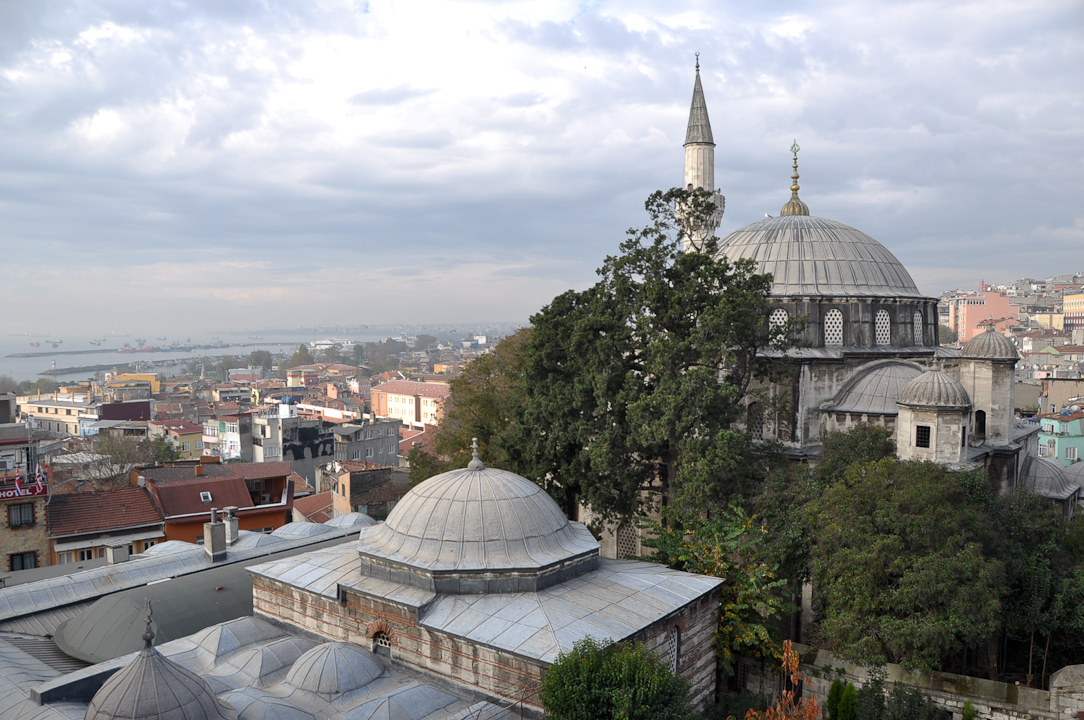
I spent a week in Istanbul, Turkey earlier this month, taking some necessary downtime after a heavy few months of publication submissions. The city was beautiful and I left feeling rejuvenated and ready to work on a new project. Which of course I did. My plane touched down back in London November 20th at 9pm and by November 21st at 6am I was on a train to Scotland.

Istanbul

I arrived in Dundee to meet with Michael Gallagher, Jonathan Prior, Brian Rosa, Tom Croll-Knight, Jennifer Rich, Jackie Calderwood, Amanda Repo Taiwo Thompson and Jessica Jacobs to take part in a workshop called working creatively with sound and image organised by Michael and Jonathan from the University of Edinburgh.

At the workshop, we were given a free hand to produce whatever we felt drawn to and I ended up organically gravitating to Brian and Jonathan who I have worked with previously on smaller projects. We decided in the end to attempt to produce a small film in the 3 days we had to work. We envisaged the film being roughy based around the Jute industry which thrived in Dundee at one time but has been long dead, now surviving as urban memory as part of the flagging tourist industry here. We went into the city armed with video cameras and audio recorders to try and locate connections between the historic industrial Jute city, the port that was essential to the transportation of the Jute and the changes that are taking place within the city that both build on and and overwrite that rich maritime heritage. In the end, the film also became as much about process as discovery as we found that the story we sought was buried in the urban palimpsest.

Methodologically, we were interested in making a film that broke from traditional documentary form, a piece led by sound (collected by Jonathan and Michael) rather than visuals (collected by Brian and myself) only taken from our time in “the field”. We were particularly careful to avoid narration or a film score, leaving the viewer with, we hope, a strong sense of a particular place at a particular time.

Given that the film is built around the audio, it is best watched with headphones on. Hope you enjoy it!

Share
Tags : , , , , , , , , , , , , , , , , , , , , , , , | Comments Off on Jute

Without contraries, there is no progression.
– William Blake

Everyone agrees. It’s about to explode.
The Coming Insurrection

Implosion

A lot of ink is spilled over urban exploration’s relationship to the past and I have previously written about how the anticipated transience of places, the act of bearing witness to their inevitable death, adds to our experience of exploring them in the present. These geographic imaginations of unrealized temporal iterations positively reinforce our notions of place in the world, giving us a sense of agency as we realise that in the midst of all of the endless death and decay, we live, even as we are reminded our time here is limited. This notion has guided historical attractions to ruination for centuries, stretching back to ancient Rome when Livy explored the Cloaca Maxima sewer. The nostalgic lust for derelict and crumbling spaces has never left us for as Alan Rapp writes ‘the metaphorical power of ruination is as relevant today as it was in an ostensibly more Romantic era’. Our love for things of the past, the nostalgia that Nietzsche found so crippling, is described by G.M. Trevelian who writes:

The poetry of history lies in the quasi-miraculous fact that once, on this earth, once, on this familiar spot of ground, walked other men and women, as actual as we are today, thinking their own thoughts, swayed by their own passions, but now all gone, one generation vanishing into another, gone as utterly as we ourselves shall shortly be gone…

The nature of Post

Ruins, like dreams, pull us, in one direction, toward our innermost yearnings and, in another, towards a life beyond the constraints of the real; the romantic accounts of ruin exploration in the last 2000 years abound. But clearly part of our attraction to derelict space also has a darker component of an imagined ruined future that has not been written about nearly as much, a Ballardian formulation of urban apocalypse.

Crumble

Recently, Paul Dobraszczyk wrote a wonderful paper in the journal City where he describes his trip the to exploded nuclear reactor at Chernobyl which ‘incorporated elements of both dark tourism and urban exploration’ as he searched for what Susan Sontag referred to confrontations with ‘inconceivable terror’. Just a few years previous, Tom Vanderbilt penned the book Survival City in which he explores the ruins of atomic America and in the new book Ruins of Modernity (my review in Environment and Planning D: Society and Space forthcoming), Jonathan Veitch tours the Nevada Atomic Test Site where he finds not the expected response of melancholy or nostalgia upon entering the ruins but Baudelaire’s Satanic laughter, a terror that is so visceral the only possible response humour, as if the emotions have been short-wired by the horror.

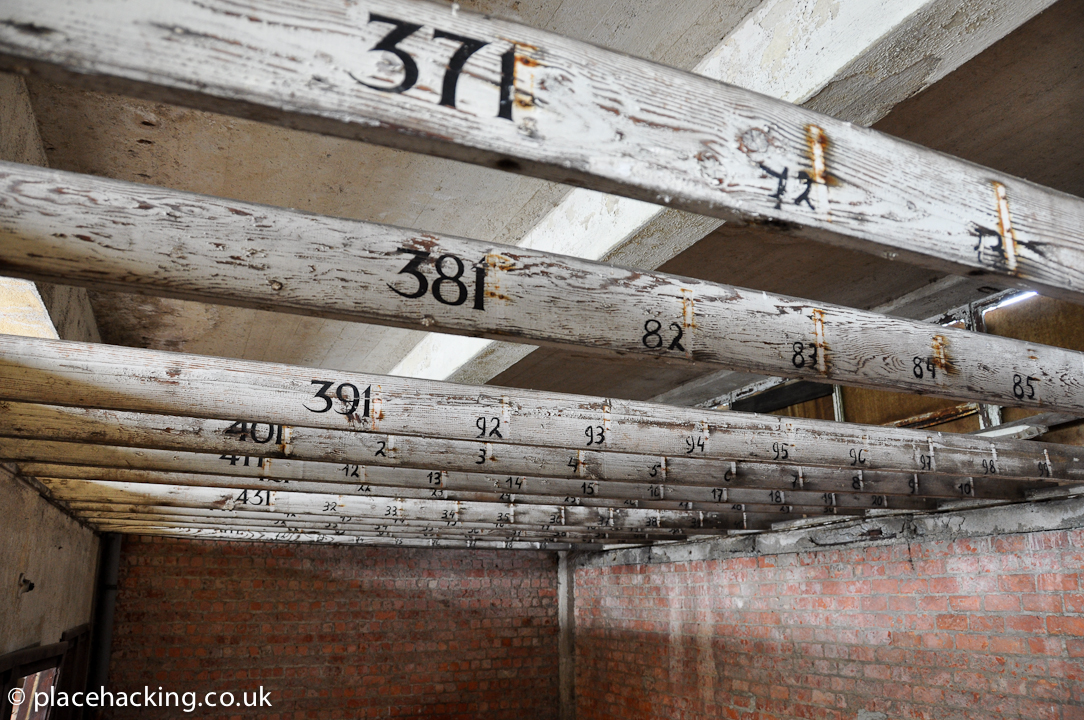
People as numbers

And so we come to the thesis. Part of the reason we enjoy exploring decaying architecture is rooted in an imagination of a post-apocalyptic future. These places are viscerally enticing in their wretchedness, in part, because imagining ourselves in a future where we populate them during imagined use-lives filled with heroism and adventure is so improbable that it forces one to meditate on the surreal nature of the past that had led us to this most improbable junction in time. Writing of Pripyat, one contributor to the new book Beauty in Decay which represents these sites with burning gothic intensity notes the Pripyat “continues to whisper of a ‘post-human’ earth which, in the end, may be the strongest fascination of them all.”

More than human?

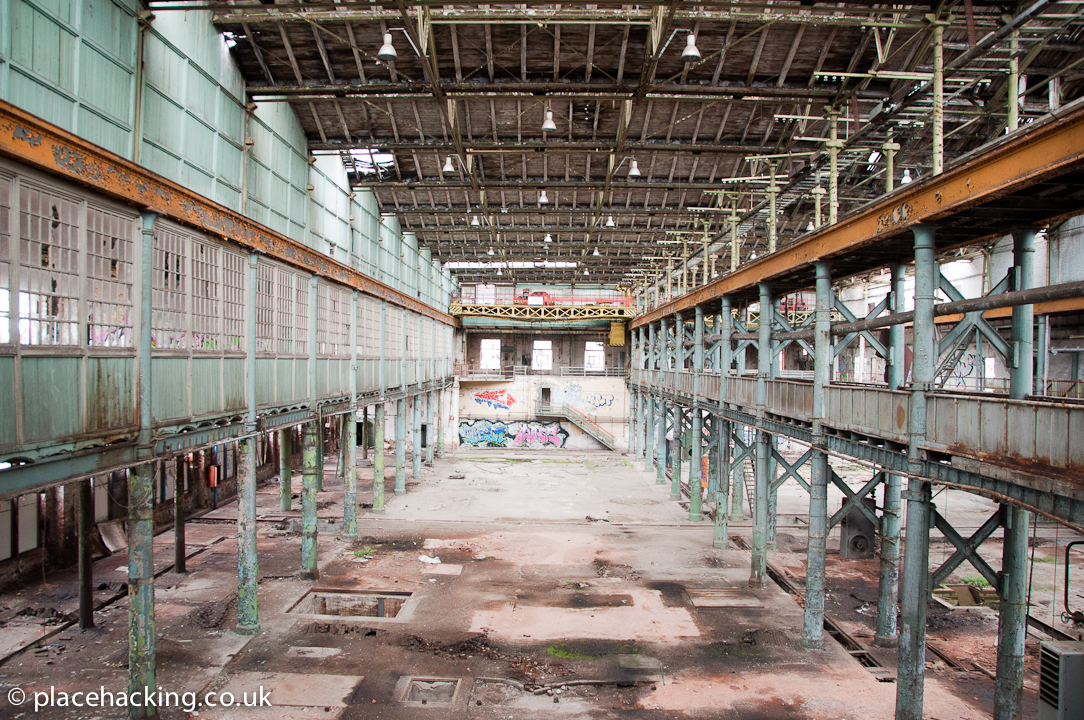
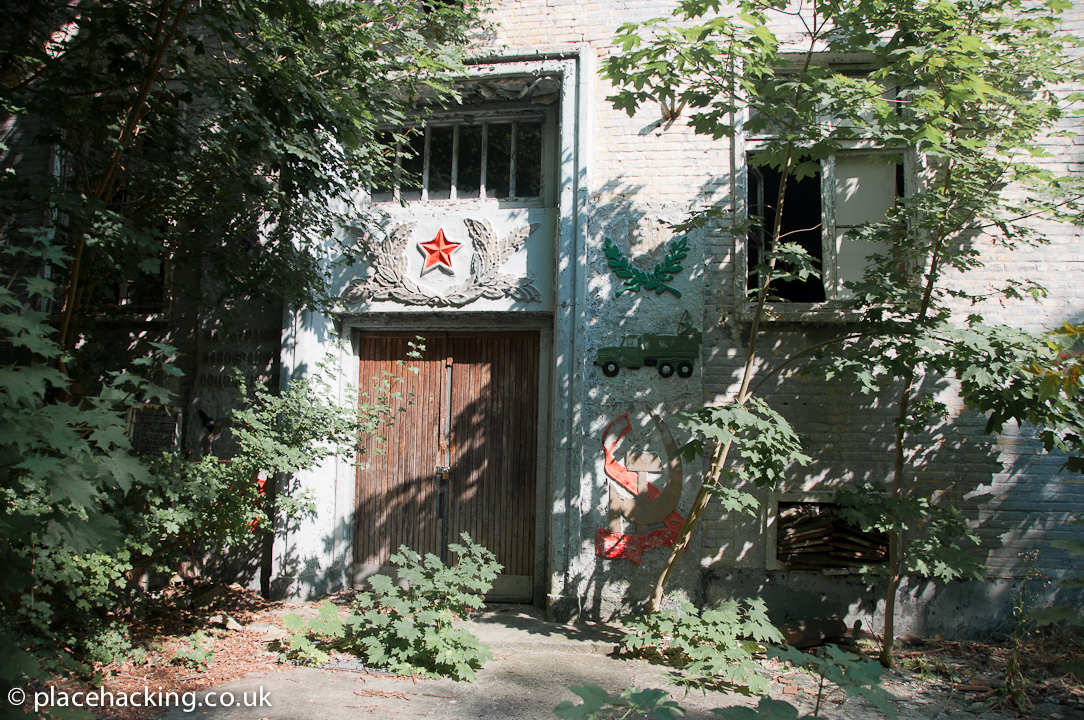
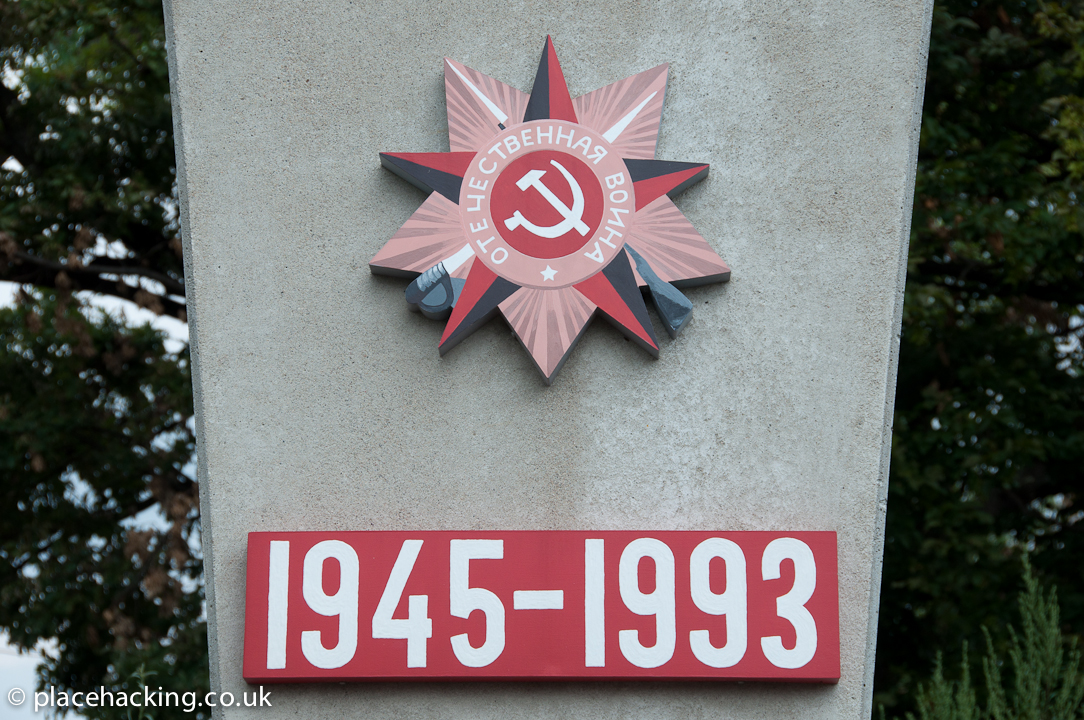
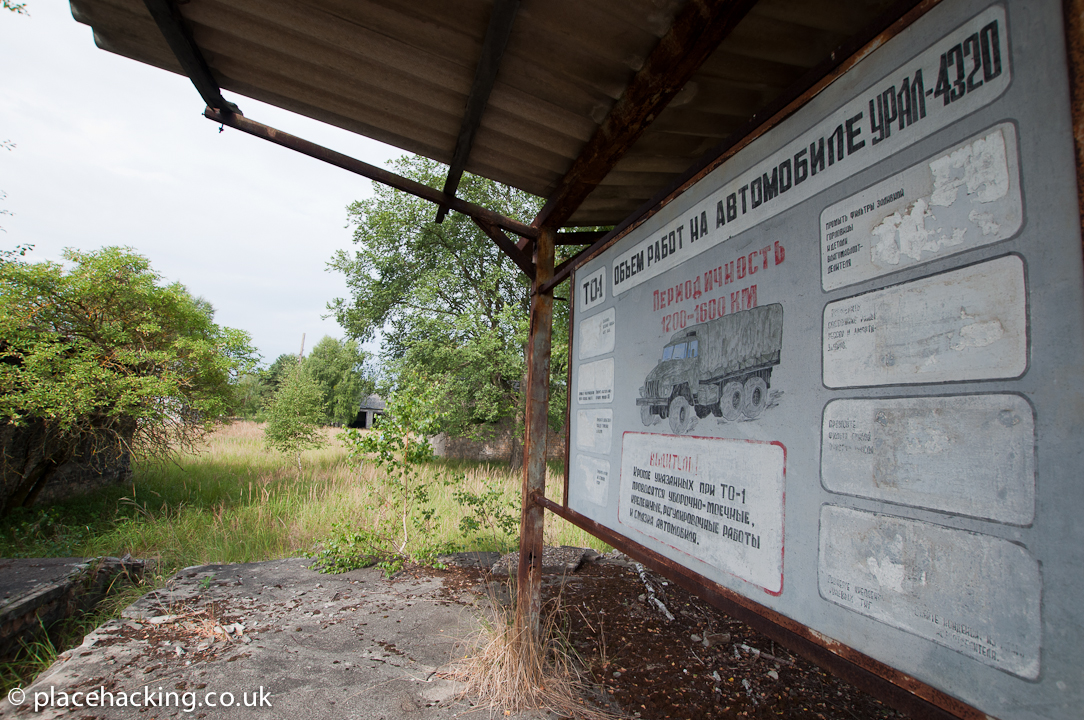
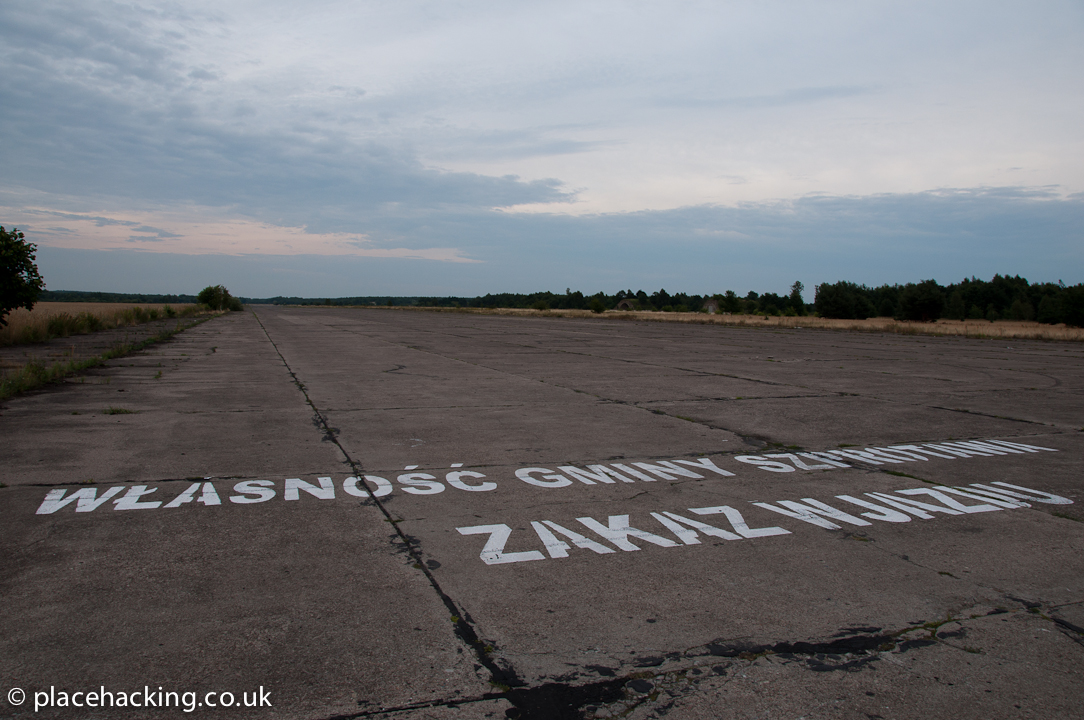
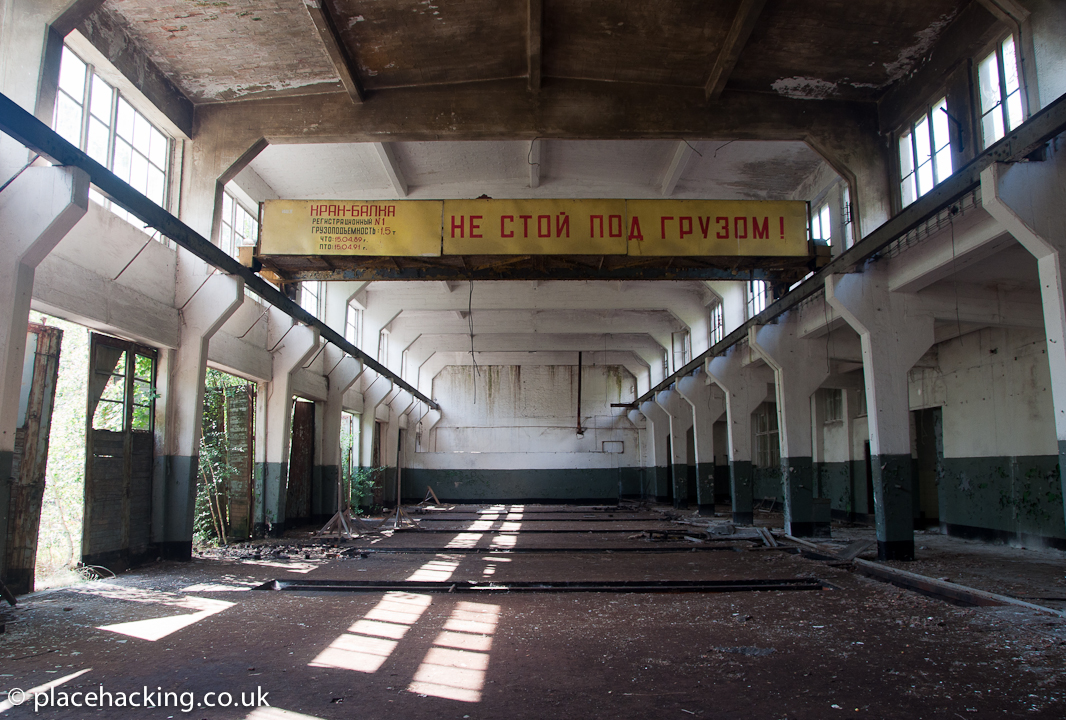
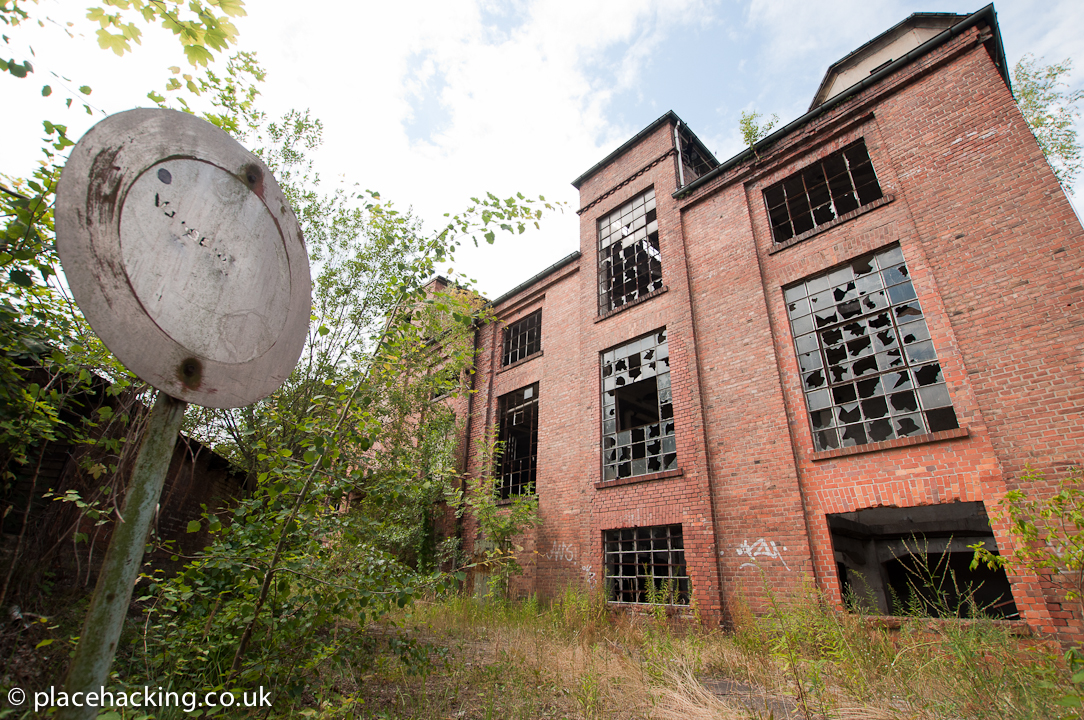
In our explorations of the ruins of Eastern Europe this past summer, we all took guilty pleasure in witnessing the remains of the failed Soviet Union and Nazi Germany, reacting, at times, absurdly to it. The experience left us in a distinctly different state than ruin exploration in the United Kingdom, the reverence for actual state failure (rather than imagined post-capitalist or “site-specific” failure) making our explorations both more poignant and more guilt-ridden.

Our former 'enemies'

Invoked

By a history

Never witnessed

But felt

If, as Dylan Trigg writes in The Aesthetics of Decay, a derelict factory testifies to a failed past but also reminds us that the future may end in ruin, what does the ruin of a failed state say to us?

Get on, I guess

Henry James writes in Italian Hours that “to delight in the aspect of the sentient ruin might appear a heartless pastime, and the pleasure, I confess, shows a note of perversity”. This perversity takes on a different form as you leave “home”, the nostalgia wears a dark mask of exotic fetishism that beckons the days of Empire even as we participate in the beginnings of the failure of capitalism and the nation state at home. Of course, these expeditions are markedly less decadent than those of ages past but even speaking English marks us as a potentially dark and exploitative party even as we seek to avoid being “tourists” by following Steve Pile’s advice that in order to get at some of the real (really operative) processes in city life, attention should be paid to those things that appear marginal, or discarded, or lost, or that have disappeared or are in the process of disappearance.

A rapidly depleting resource

A year ago, we took a trip out to the Mojave Desert in California for a friend’s bachelor party. Our intention was to explore the Calico Mines under the ghost town. Which we did, finding all sort of mysterious chambers, boxes of dynamite, uninvited spectres and endless subterranean playgrounds. But always in the back of our minds, there was a fantasy playing out of someday taking refuge here. Whether that was from drought, famine, nuclear attack or a zombie infestation was never articulated but we all knew it was implied. We were collecting derelict site locations as a post-apocalypse insurance policy. As Susan Buck-Morss wrote in The Dialectics of Seeing, throughout Benjamin’s Arcades Project, the image of the “ruin”, is emblematic not only of the transitoriness and fragility of capitalist culture, but also its destructiveness. Our imaginations were all bolstered by the thought we were seeing ghosts from a future yet to come.

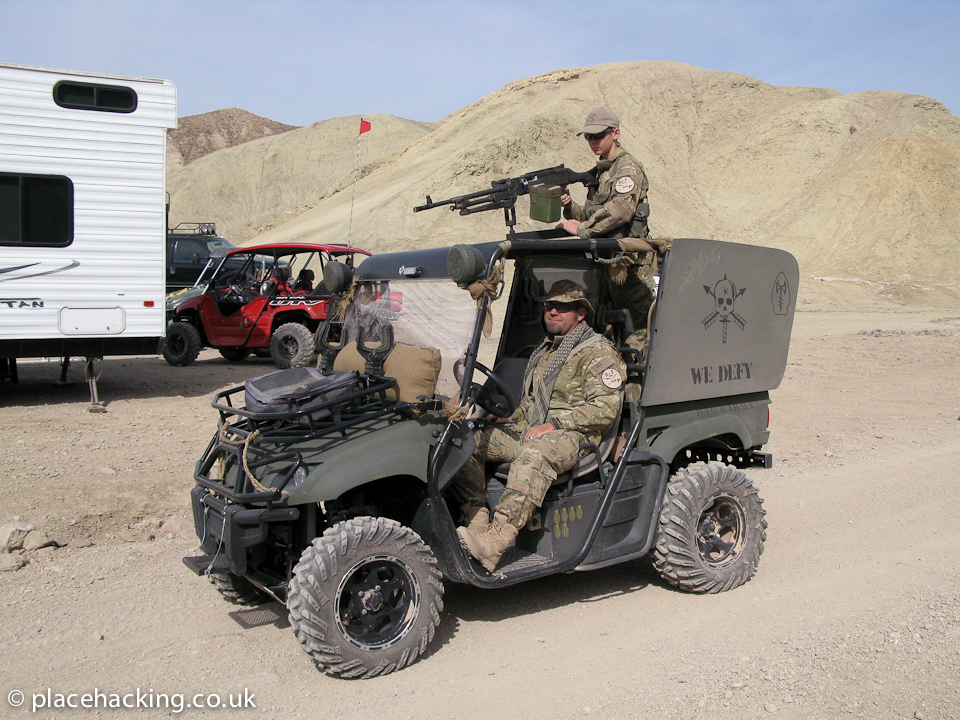
Indeed, as Hell and Schönle write in Ruins of Modernity, ruin exploration can involve “reflections about history: about the nature of the event, the meaning of the past for the present, that nature of history itself as eternal cycle, progress, apocalypse, or murderous dialectic process.” These inevitable intersections took grip firmly as we were leaving the mines. On the way out, we were confronted by survivalists from a militia who had dug into the caves to create desert shelters and were patrolling their territory in a weaponised 4×4 buggy. The father was clearly ex-military, barking orders at his kid to “get on the gun, son” for a photo op. As they sped away, they yelled back at us that the government was collapsing and we would do best to prepare to defend some territory, a new tribalism, they insisted, was on its way.

Apocalypse

These post-apocalyptic imaginaries are evident all over popular culture, from films like Mad Max28 Days Later12 Monkeys or Blade Runner, in books like After London, The World Made by HandThe RoadThe Stand, or The Plague and even in video games like Bioshock and Silent Hill. In all of these depictions, though the future may be bleak and dytopic, there is some underlying euphoria behind the freedom that comes with being released from the state, social life and cultural expectation that has an obvious relationship to the off-the-grid spaces that urban explorers go into. I have to wonder though, as we run into more and more people living this way now (primarily squatters and unsanctioned parties) rather than imagining to live this way in some distant future, what it takes to drive one off the grid like the Dad and son I met in the desert.

Hiding place

For thousands

Of disaffected

It seems to me that the imaginations of these distopic futures become increasingly realistic as our faith in the state to take care of us is eroded; as we see the world collapsing around us politically, environmentally and socially. Now that may be obvious. What isn’t obvious, what no one wants to say, is that we like the idea to some extent. In some part of all of us, we want the society of the spectacle to implode, to see how we would fare in a world not regulated by health and safety, to see what we might achieve when confronted with the most basic challenges of finding food, water and shelter.

Contamination

I argue that the interest in post-apocalyptic futures in nothing less than an interest in trying to get back to what we have lost in late capitalism, a sense of place, a sense of community, a sense of self. And although urban exploration passes through places rather than staking them out in any permanent way, urban exploration as a movement is a vital bridge, a gateway, because it finally makes to move from the imagined to the physical. When we explore, we take a step off the grid. It is only one more step to stay off it.

Always almost on the brink

Share
Tags : , , , , , , , , , , , , , , , , , , , , , , , , , , , , , , , , , , , , , , , , , , , , , , , | 9 comments