Sewers are perhaps the most enigmatic of urban infrastructures. Most citizens of modern cities are aware of their existence, yet few could accurately describe their layout or appearance.
–Matthew Gandy
Clearly not accurate

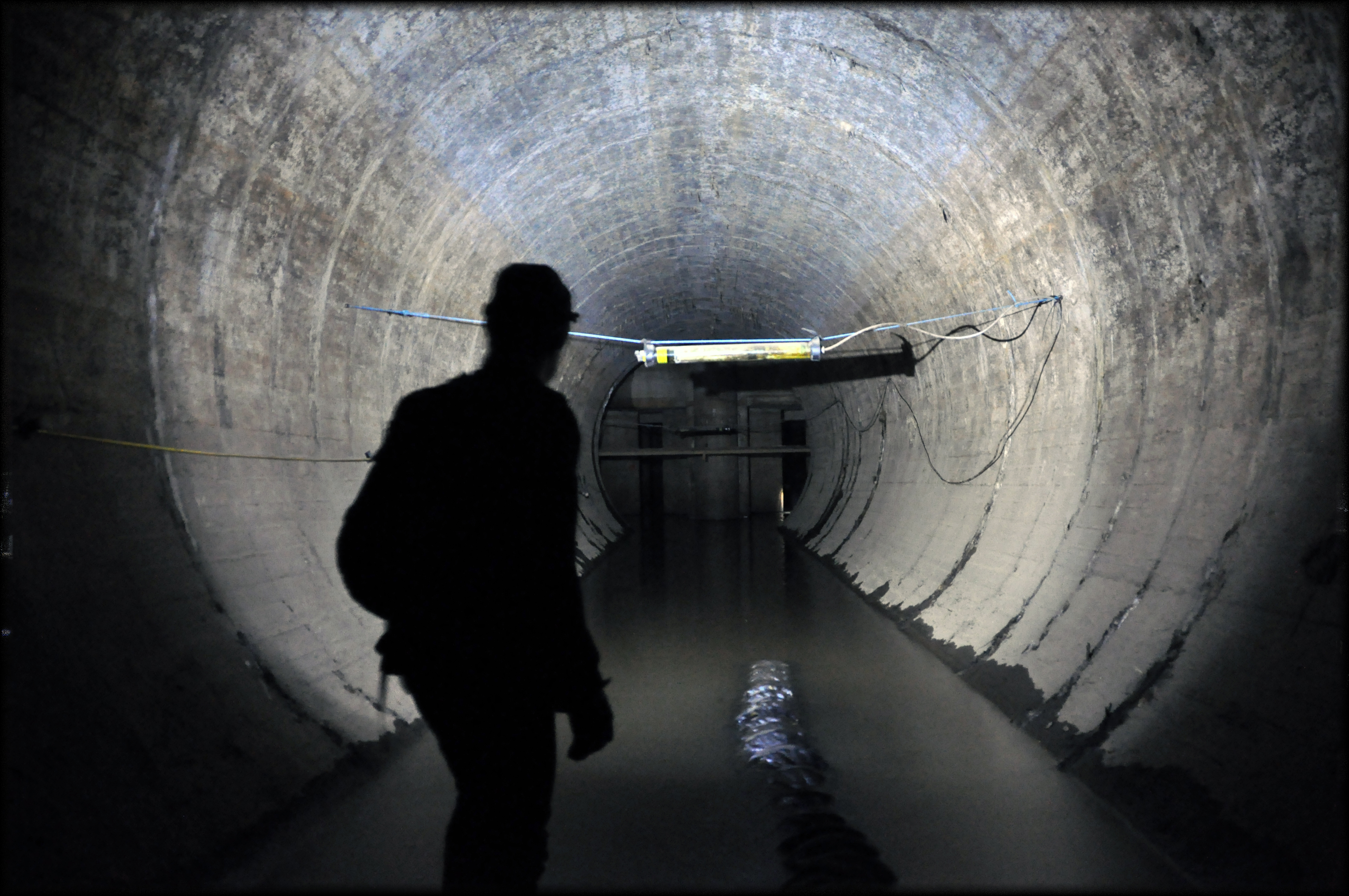
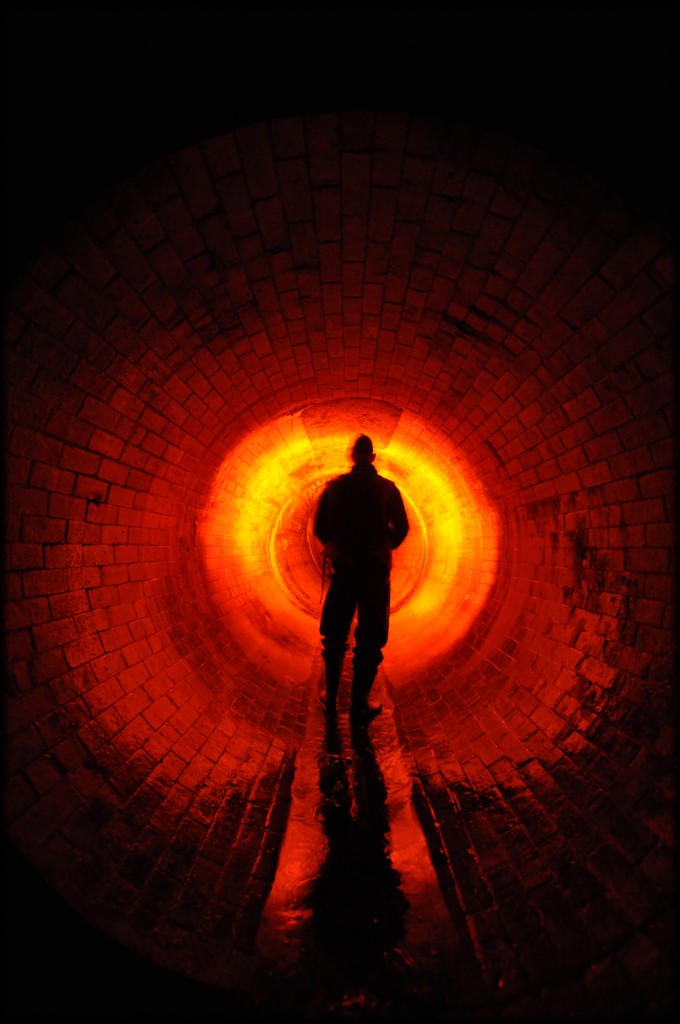
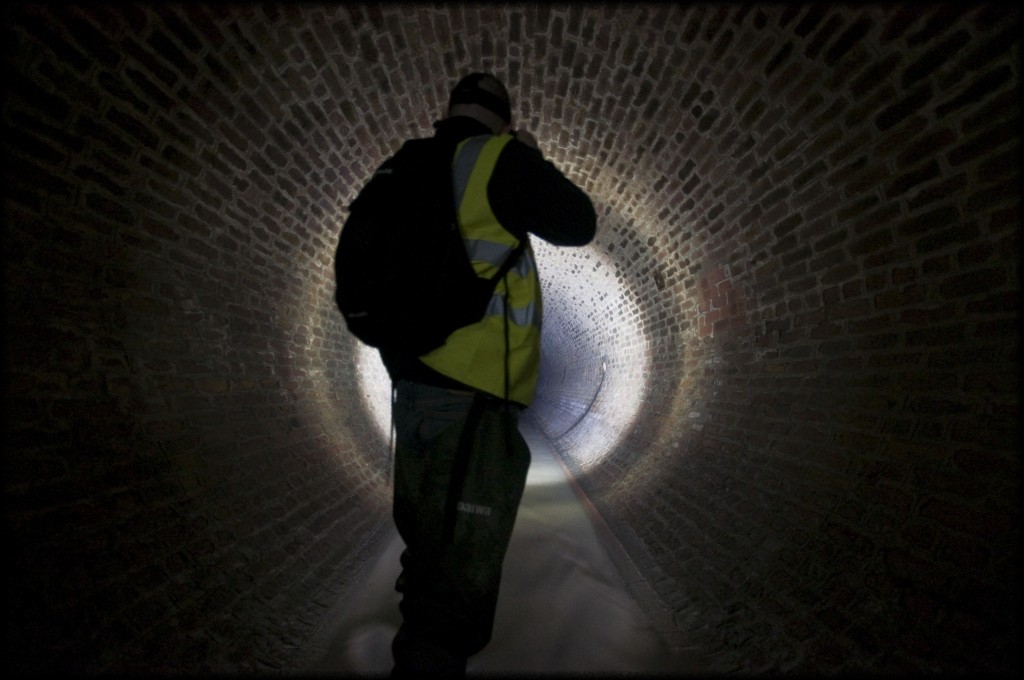
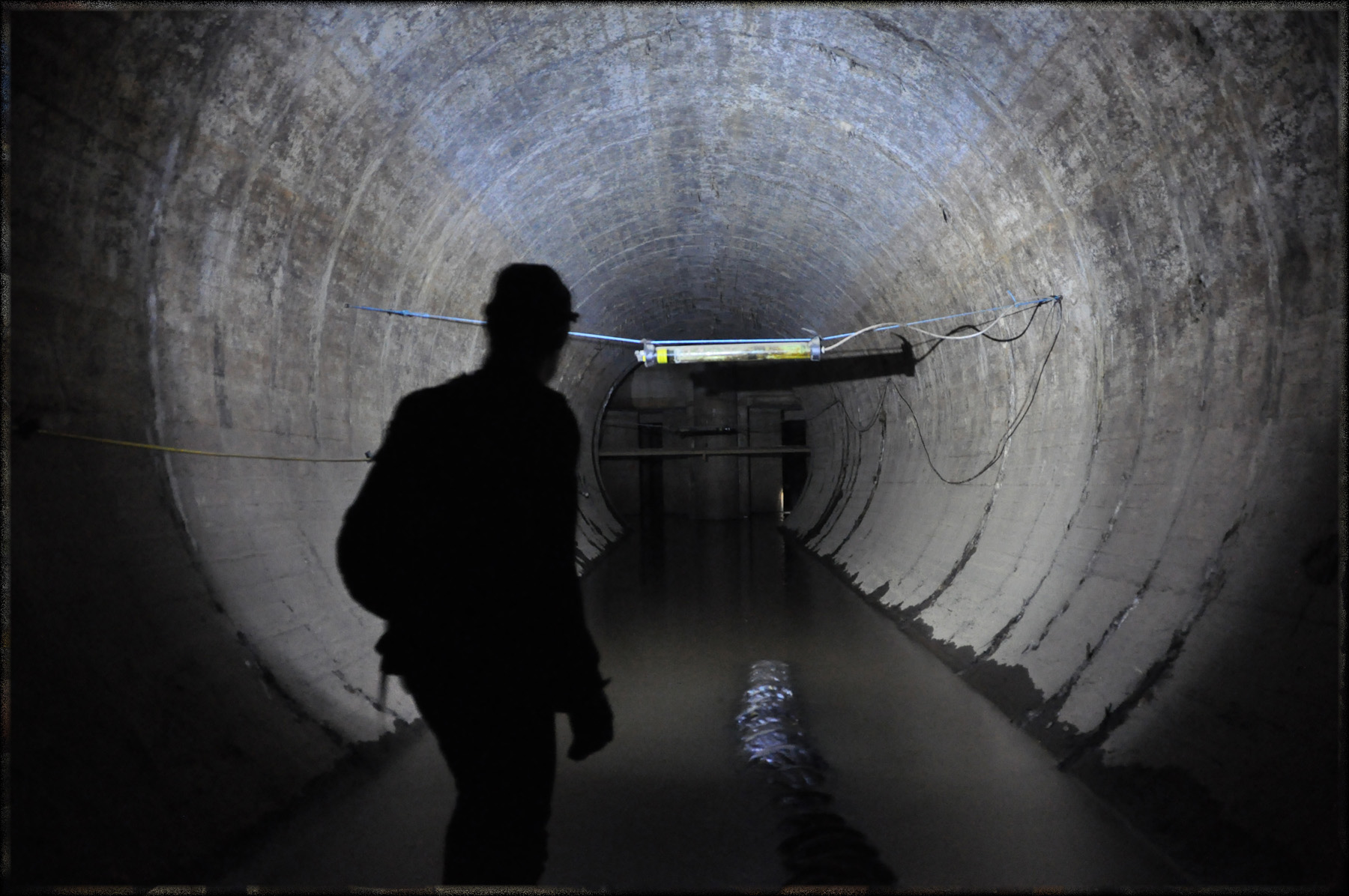
Above me, the heavy round metal doors into this underworld shake with a pinging metallic scream that reverbs down these watery tunnels, slowly fading into a seemingly endless succession of dull thuds that migrate down the street above us, some racing black cab speeding a jilted lover home from the pub after the last trains have stopped running. This overworld scenario interests me far more interpreted from below the undercarraige of the cab, little bits of shit-sticky mud dislodging themselves  from the freshly-pried manhole cover edges, plopping onto my bald head. Cue a shuddering shake, aural spell broken.

Water races around my feet faster than the cab, pinning my waders in a strange plastic comfort to my legs, little bits of used toilet paper and raw sewage which we lovingly call “the fresh” blocked by my PVC barrier, pushing around me angrily in an effort to make it down this old river and into the Thames like salmon swimming not toward their spawning ground but the river Styx where the boat will sink halfway across and they will float lazily to the bottom, never to move again. As drainers, we learn to love the waste just as we learn to love the trash left behind in the streets of London at 4am on a Friday night. It is the detritus of passion passion for life that staves off our impending deaths, as Michael Dibdin writes in Cosi Fan Tutti:

This place reeks of mortality.
I thought it reeked of rancid oil and bad drains.
It comes to the same thing in the end.

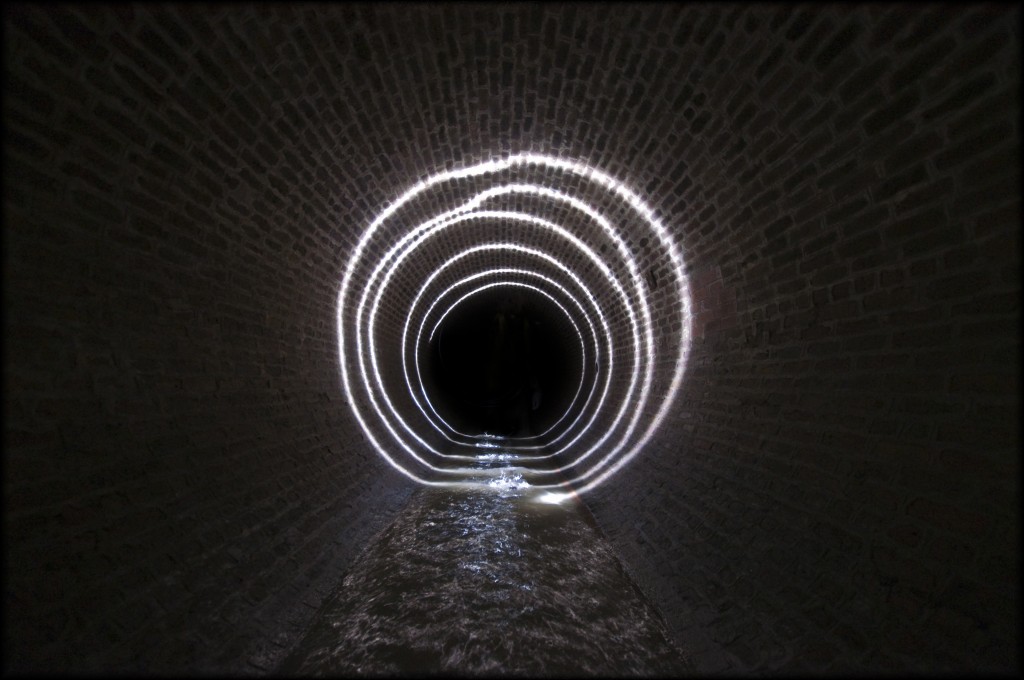
At some point in London’s Victorian Age, the separation between “river” and “sewer” became blurred. Technically, I am standing in the River Westbourne which no one but sewer workers and daring drainers have seen for a hundred and fifty years. Despite the fact that no one has drank the water from this river since the 1400s, it remains a vital waterway of this city, a throbbing vein of live humanness, rushing underneath our unknowing feet as we run to work on the pavement above. Seeing it is a reminder that, as Gay Hawkins writes, “our rituals of cleansing and disposal are enfolded with this landscape, our personal secrets are implicated in the public secret of sanitation.” This misadventure into the bureau of public secrets is the newest in our chain of London infiltrations, our most recent attempts to make sure that this city is documented from every possible angle through experience, fear and love. Just as I wouldn’t wipe the ass of somebody else’s baby, only London’s sewers interest me.

We view the stigma of what is flushes on these journeys both literally and socially. Our preferred mode of access to these hidden waterways is hiding in plain sight and the classism of London society works in our favour, with both police and the public ignoring everyone dressed in high-vis and a hard hat, benign foreign workers who make their living in places where no “respectable” Londoner would ever step foot. Our team of 4 digs into their toolbelts of large screwdriver, t-shaped keys and crowbars to break the seals into underdiscovered territory, finding what the city forgot existed, our brazen crew seemingly as hidden as this river when we actually look like we work for a living.
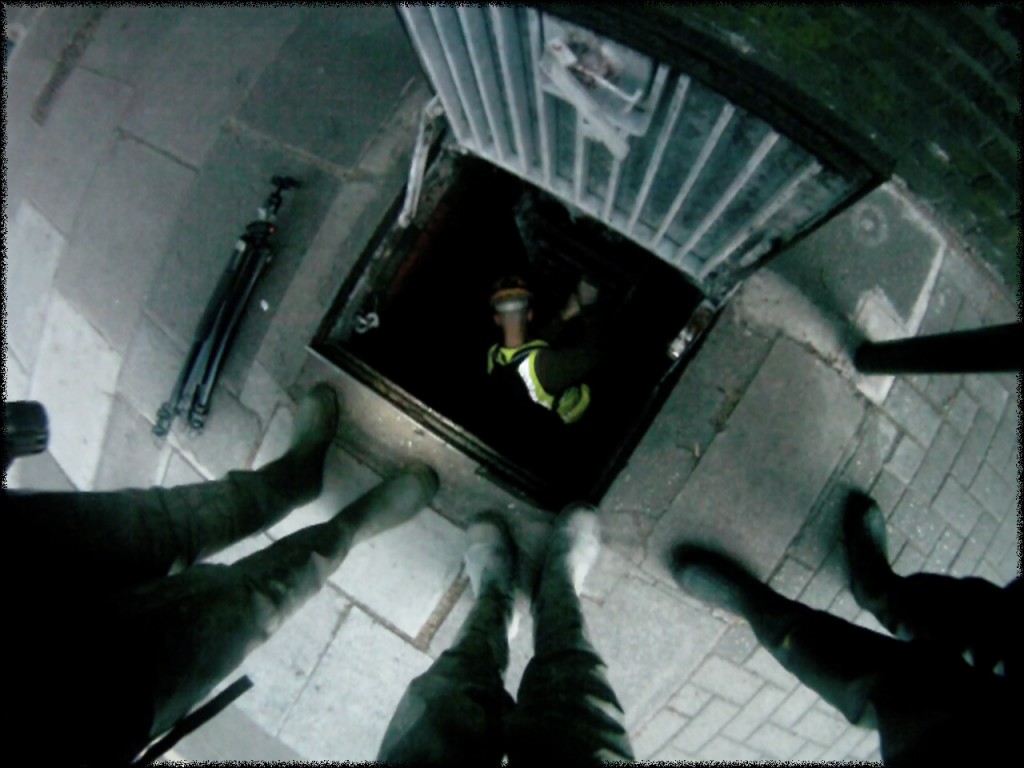
Cracked
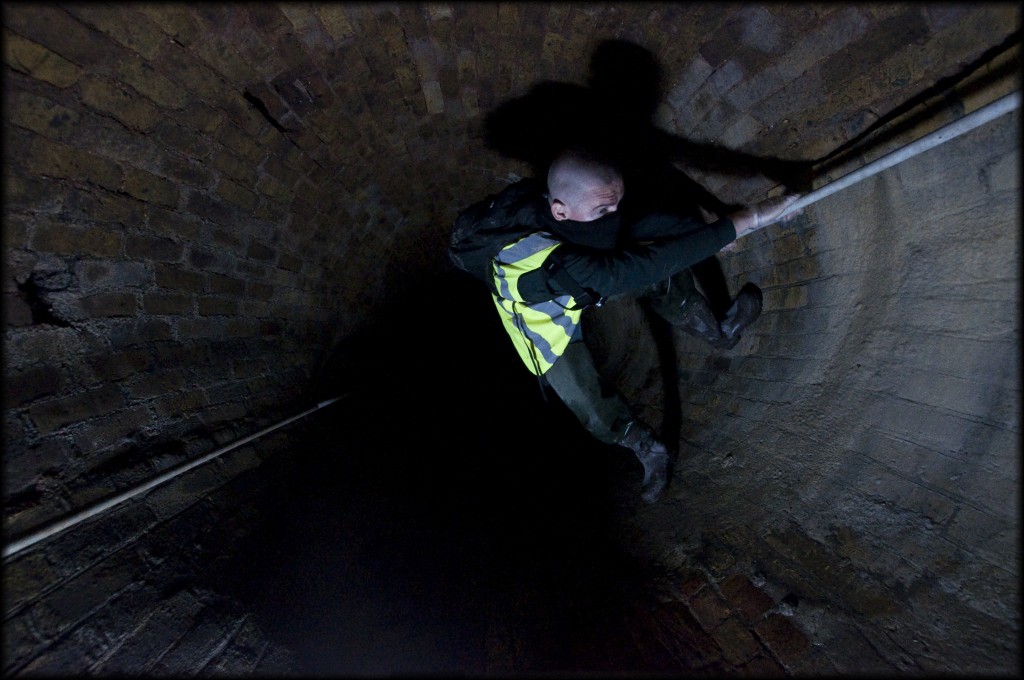
Pull this bird

The addiction to infiltration does not lay in the adrenaline rush of the experience. Infiltration creates unwieldy complications, difficult mental junctions and moments of crises that confuse, inspire and complicate our existence. My second identity as the underclass, the role that I play to gain access to urban secrets, is slowly becoming my primary identity. My clothing, my language, my social class, all now defined by my behaviour “on the job.” Leaving this tunnel late on this night (early the next morning?), we were greeted by “real” workers at a tube station who tossed slight nods our direction, eyeing us with confused interest, suspicion, respect and likely some revulsion given we were covered in underground wetness that smelled even worse than the rank pub toilet across the street.

We have been systematically exploring London’s subterranean features for the last few months, cracking every stormdrain, abandoned railway, cable tunnel and sewer we can find in the city – elements of this urban environment that Steven Smith, in his book Underground London, calls “London’s best kept secrets.” We know why. Not only are they some of the most beautiful and surreal places in the city, they are also the most foul.
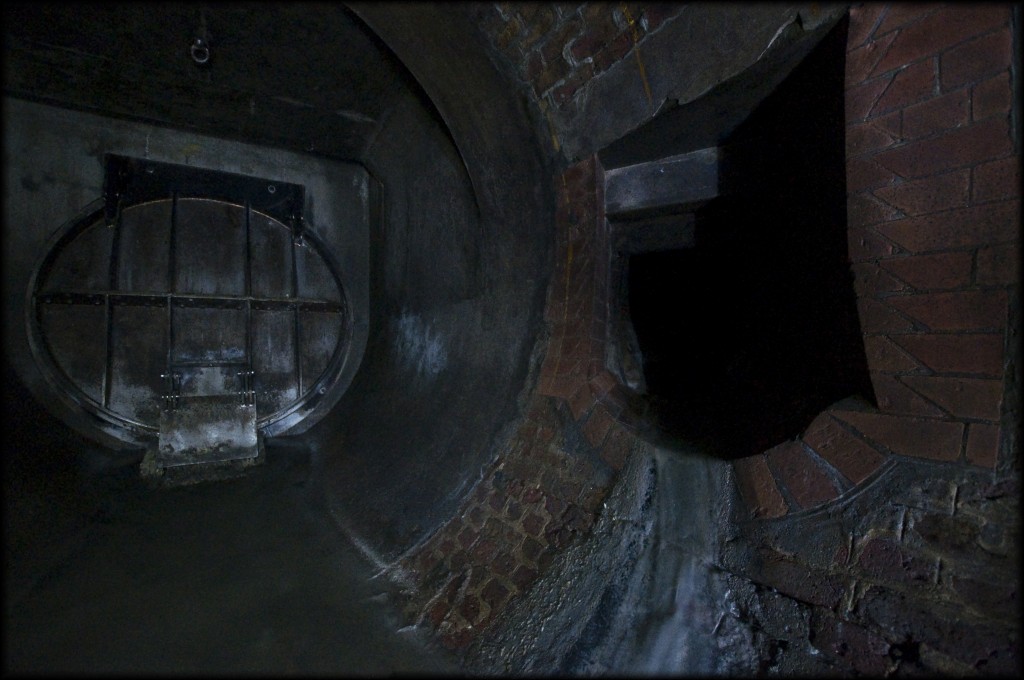
Pour your heart out

The sewer is a place for alterier cartography, a place where no one may reside but where one can pass through, cameras capturing endless angles of the oldly new, remapping our mental conceptions of where the verticality of the city begins and ends. Our embodied experiences move like the stinking water, shifting from one chamber to the next, chalk marks on walls marking our way home, level after level of underground run-off continually sinking into what we imagine to be an endless succession of metal grates covered in dried up cakes of unknown substances, unidentifiable pieces of fabric and scraps of food. Matthew Gandy, in his article The Paris sewers and the rationalization of urban space contends that “by tracing the history of water in urban space, we can begin to develop a fuller understanding of changing relations between the body and urban form under the impetus of capitalist urbanization.” Pretty sure he wrote that line from the Paris sewers.
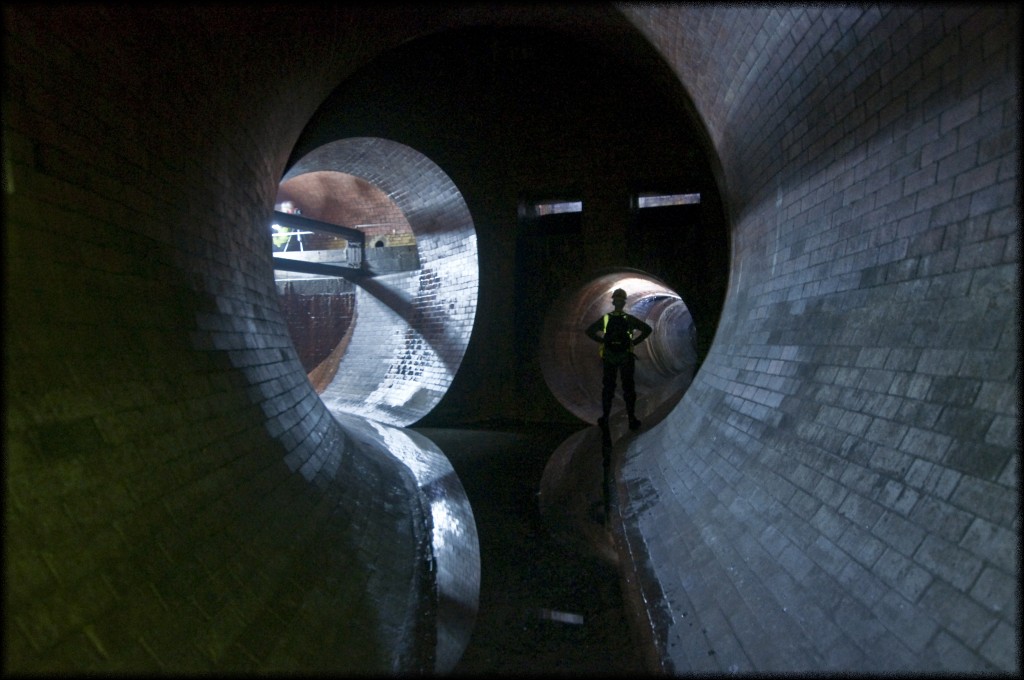
Alterier chamber

We trace these cultural lines and flows, finding here that nature and culture drift at the same rate in an interdependent foulness. London’s legendary sewer rats are in full effect tonight, running from us in a terrified scamper, climbing the round slippery walls of the tunnel in inexplicable ways and disappearing into holes we can’t even see into. I want to explore what they can see. At one point, some sort of nest is disturbed and they came at our lights, their little claws feet screeching all around us. Staying in the middle of the slimy sticky mud, shit and runoff where the rats won’t swim was clearly our best option.

We spent 4 hours sliding around these chambers, building up our immune system with aching stomachs upon exit and mouth sores to come. As we emerged I felt, as I often have, that tonight was another attempt to document my own disappearance in the course of making the city reappear in alternative iterations. As I sink deeper into my PhD, I sink deeper in this city, still so in love that there isn’t even room for another human being. I can only hope that either I or the thesis emerges at the end of this torrid love affair, unsure I will survive the potential breakup. Until then.

Own the night.
Cherish these secrets.
Wield this power.
Love this life.
Explored
Beneath your pub crawl

More playful than righteous

________________________________________

This author’s endeavour should be to make the Past, the sense of all the dead Londons that have gone to the producing this child of all the ages, like a constant ground-bass beneath the higher notes of the Present.

-Ford Madox Ford, The Soul of London

Share
Tags : , , , , , , , , , , , , , , , , , , , , , , , , , , | 13 comments

Lust for London

Posted by Bradley L. Garrett on Saturday Feb 13, 2010 Under Anthropology, Cultural Geography, Psychogeography, Uncategorized, Urban Exploration

Let us go then, you and I.
When the evening is spread out against the sky
like a patient etherised upon a table;
Let us go, through certain half-deserted streets…
-T.S. Eliot

Passion

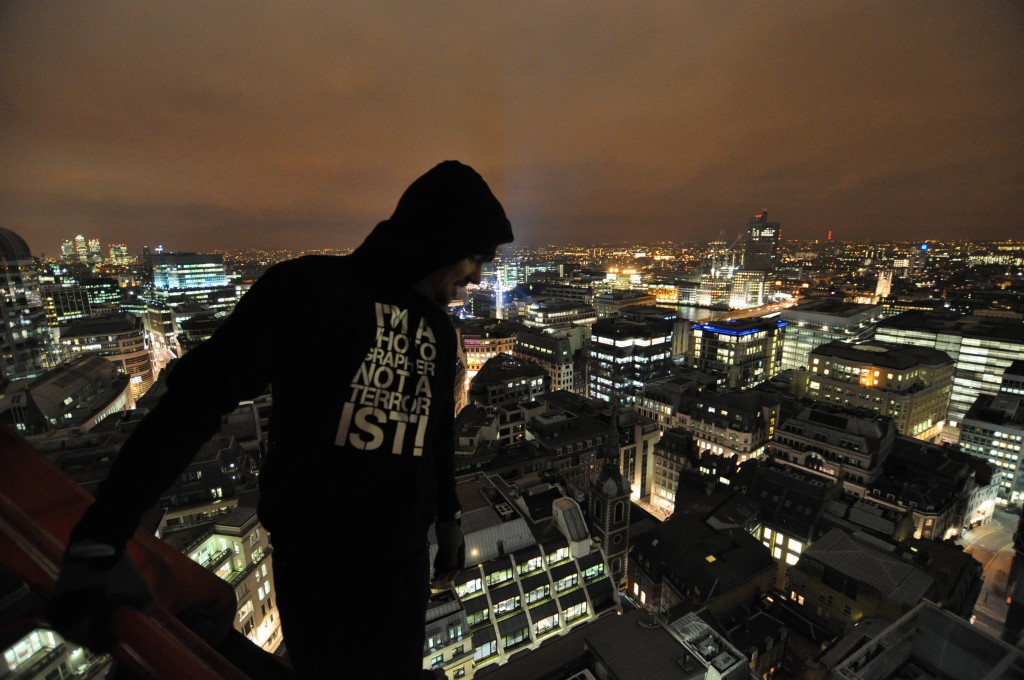
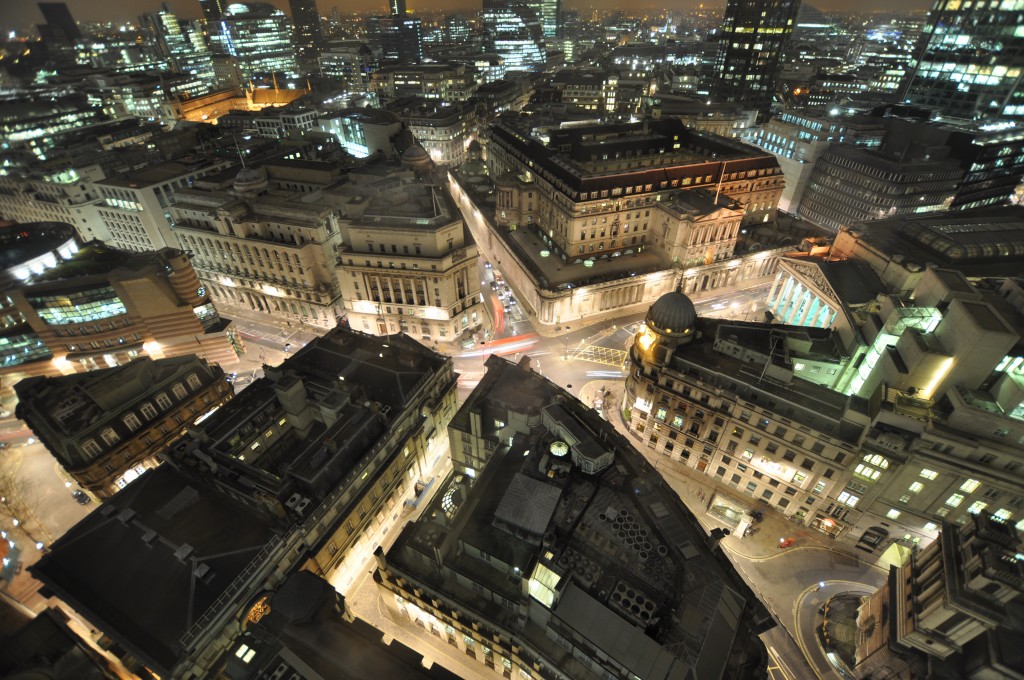
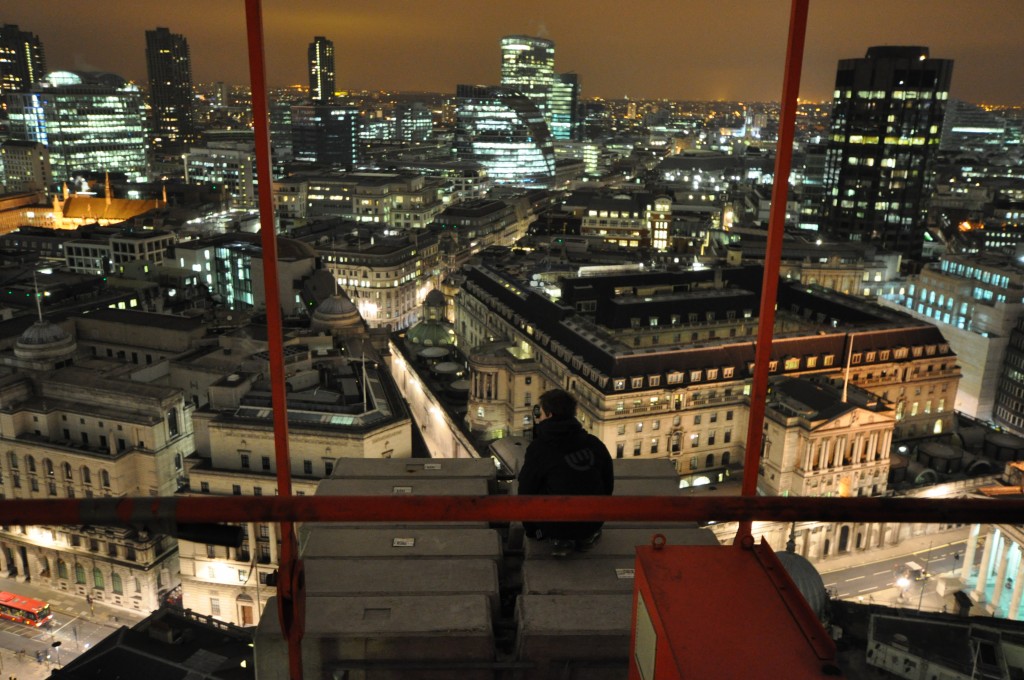
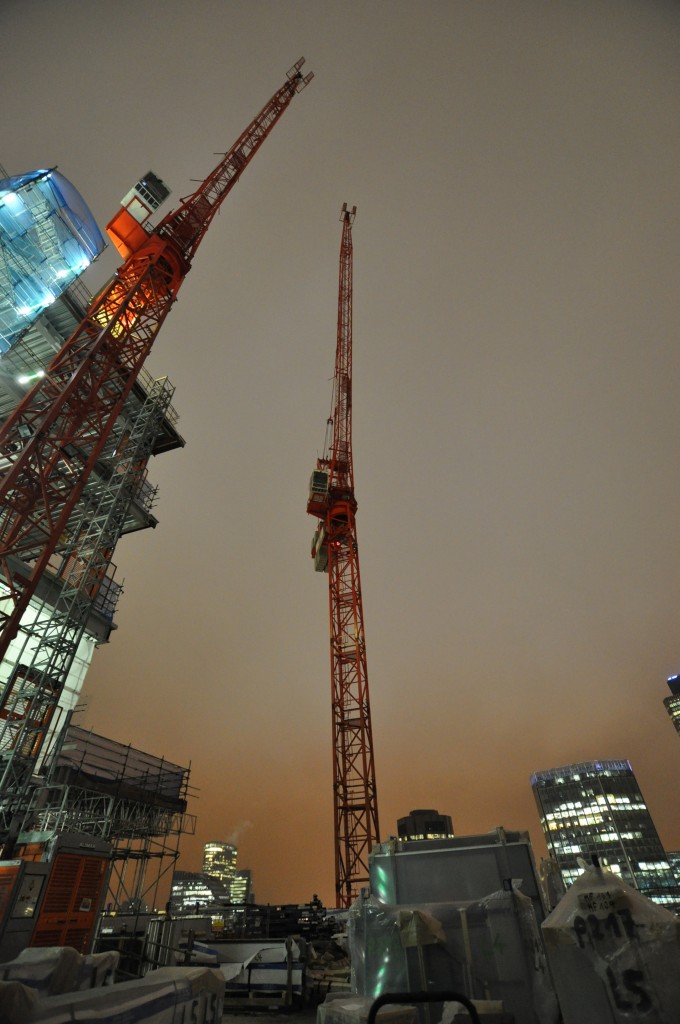
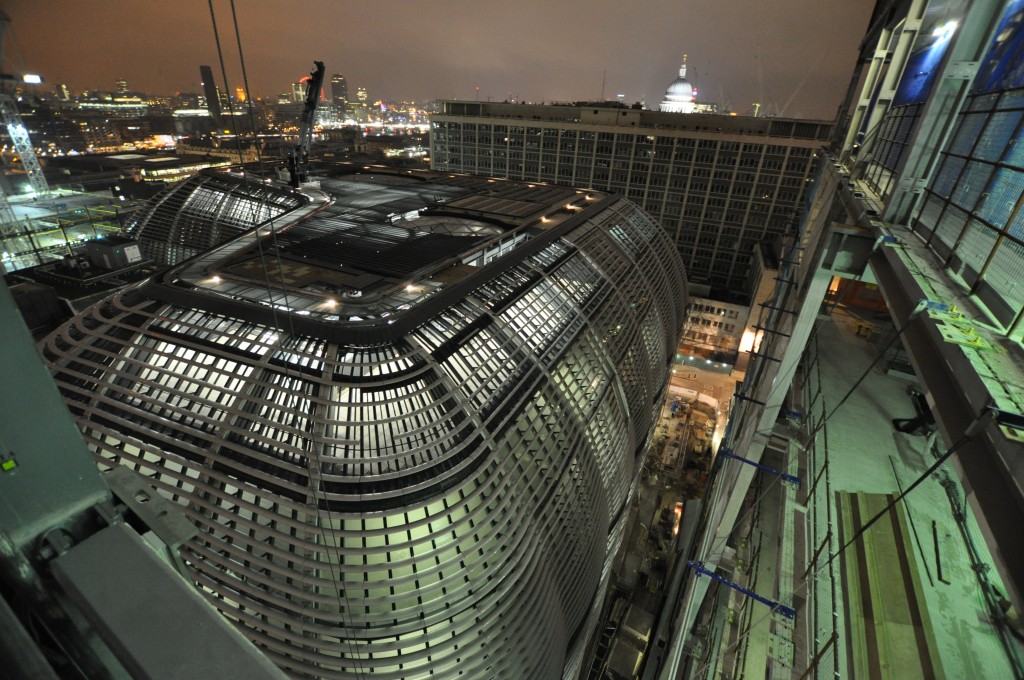
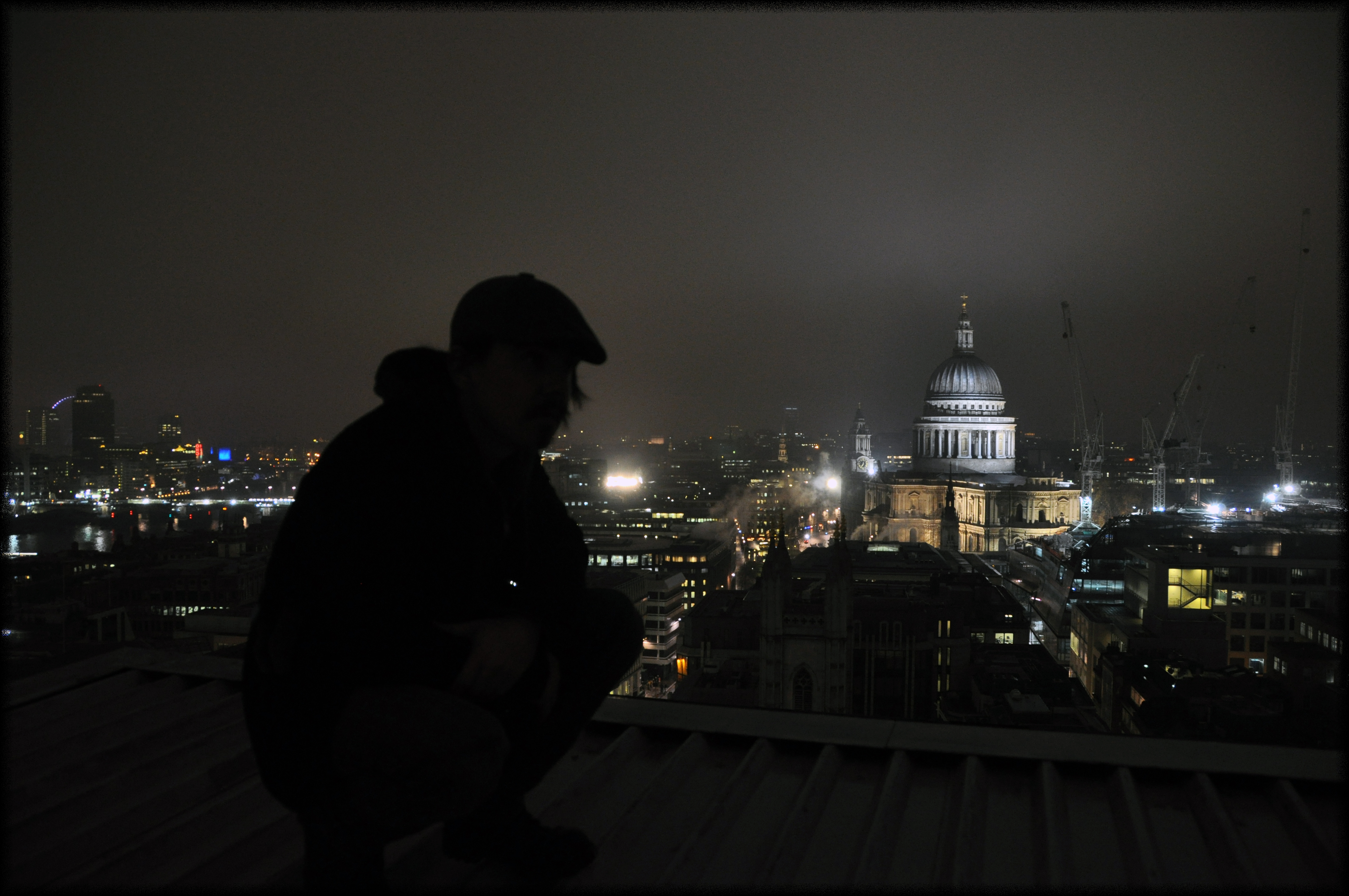
Hanging above bank station from a red crane that pulsates with foggy light warning off incoming aircraft, the metal making slow groaning sounds as the bitterly chill wind nudges the structure into a gentle sway, I look down at the bank of England and hear a cacophony of voices in the city.

But the voices I hear are not of the screaming hordes of city bankers, roping in whithered lovers for an evening of lust soon to be forgotten or morphed into office scandal, they are the voices of the past, explorers who walked these city streets in ours and other ages, who crawled into the dark folds of urban architectures looking for crack, photographs, walls to graph or poetry. I connect with myriad individuals who share my love for plenitude, the inanimate animated.

Dickens was a fellow nighttime crawler, a man wrapped up in a perpetual dream, an explorer of the uncanny who felt “a solemn consideration when I enter a great city by night, that every one of those darkly clustered houses encloses its own secret; that every room in every one of them encloses it’s own secret; that in every beating heart in the hundreds of thousands of breasts there is, in some of its imaginings, a secret the the heart nearest it!”

Beauty unmatched

Delving

Our secret is here, looking down on the city we work in, play in; the place where we encounter life in all it monstrous forms. And Dickens stands here with me, laughing at the audacity of this adventure, an approving smirk cracking his extravagant goatee.

I used to think of infiltration as an masochistic incarnation of urban exploration, a pale shadow of experience, disconnected from roots to history or respect for those that walked before us. But up here, staring down at this city that I am courting, the only city that has replaced my perpetual desire to be intimately attached to another human being, the city of blissful isolation where everyone minds their own fucking business, I am in love with the history of this moment and with the workers who are building our future, one brick at a time.

Building our future

In our limited time here on the planet, we can choose to stumble through life, working our job, drinking our beer in front of the blaring television in the darkness of “off-time”, blissfully uncaring. We can remain wrapped in an Indian Ashram, walking circles in the garden, in perpetual meditation for meaning, eschewing the trajectory of the age. Or we can hit back, head on, at the age in which we live, mining it for meaning and finding answers to questions both small and large, wherever those journeys may take us. None of these ways of life are better than another. They are just different, little epitaphs to tombs not yet constructed.

What luck!

The last time I watched The Big Lebowsky, I was stuck anew by the opening narration from the Old Timer:

“…Sometimes there’s a man…who, well, he’s the man for his time and place. He fits right in there.”

One day I may ask for your love London, but for now, thank you for returning my lust. For the first time in my life, I fit right in there.

Always yours,

The Goblinmerchant

Share
Tags : , , , , , , , , , , , , | 23 comments
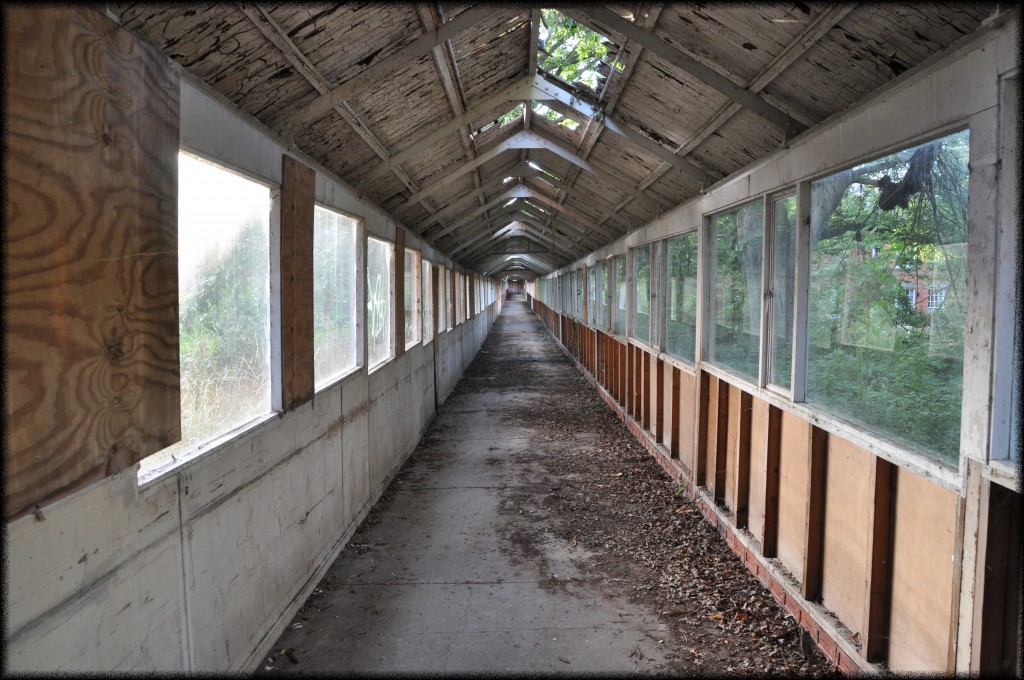
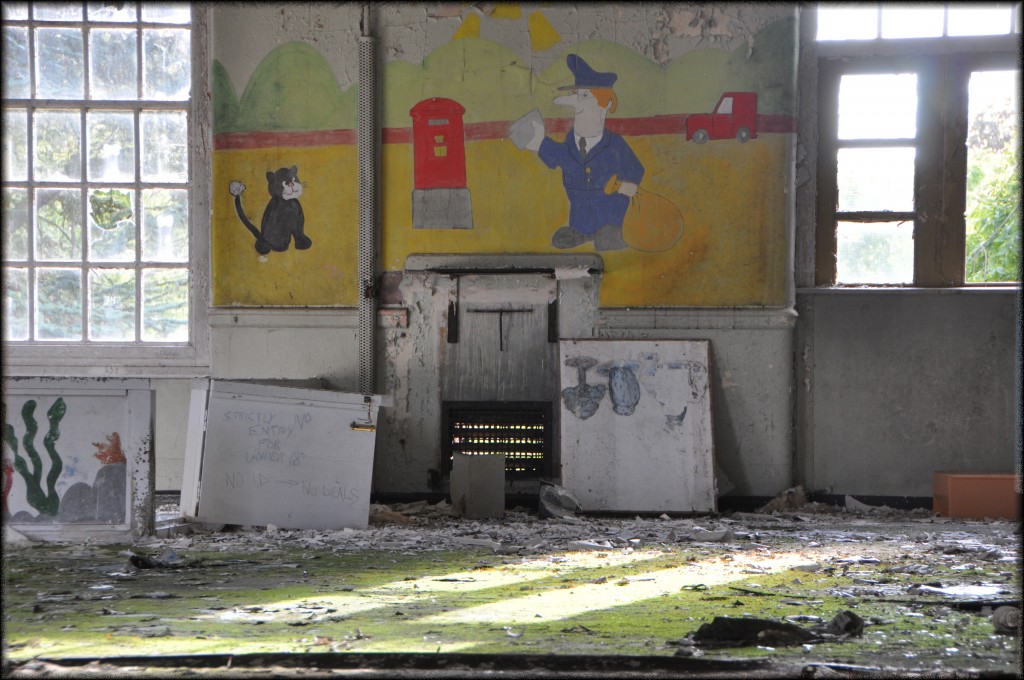
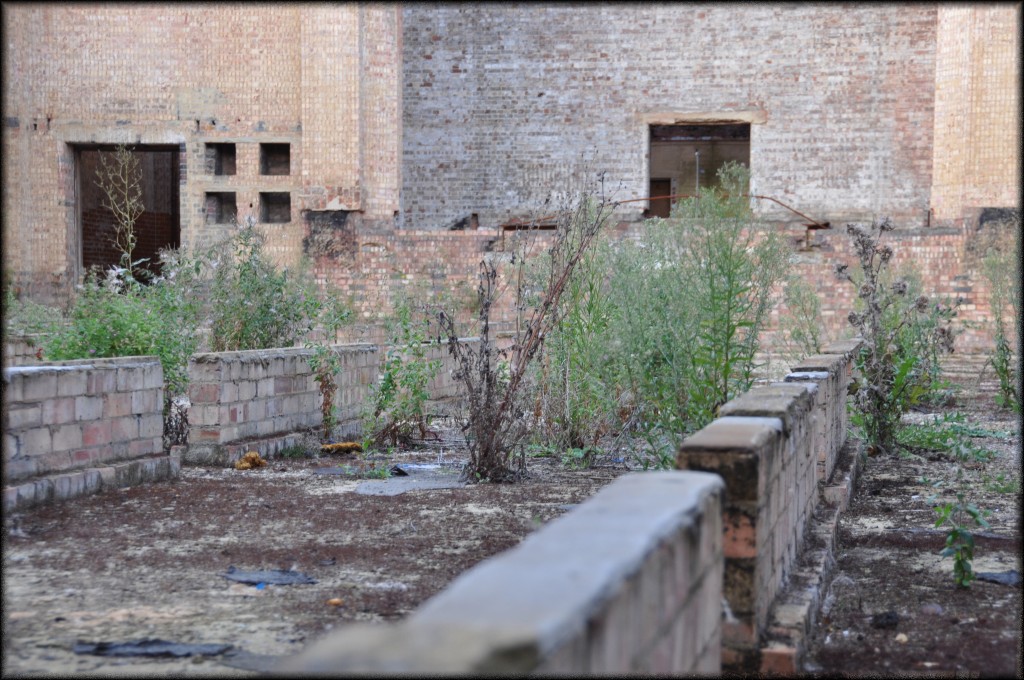
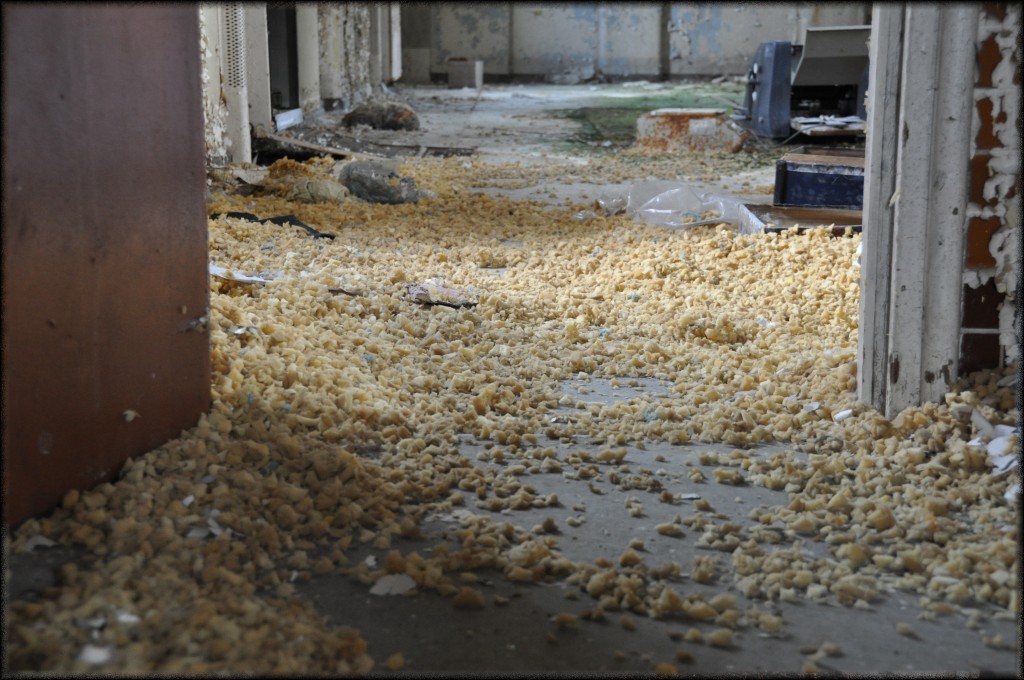
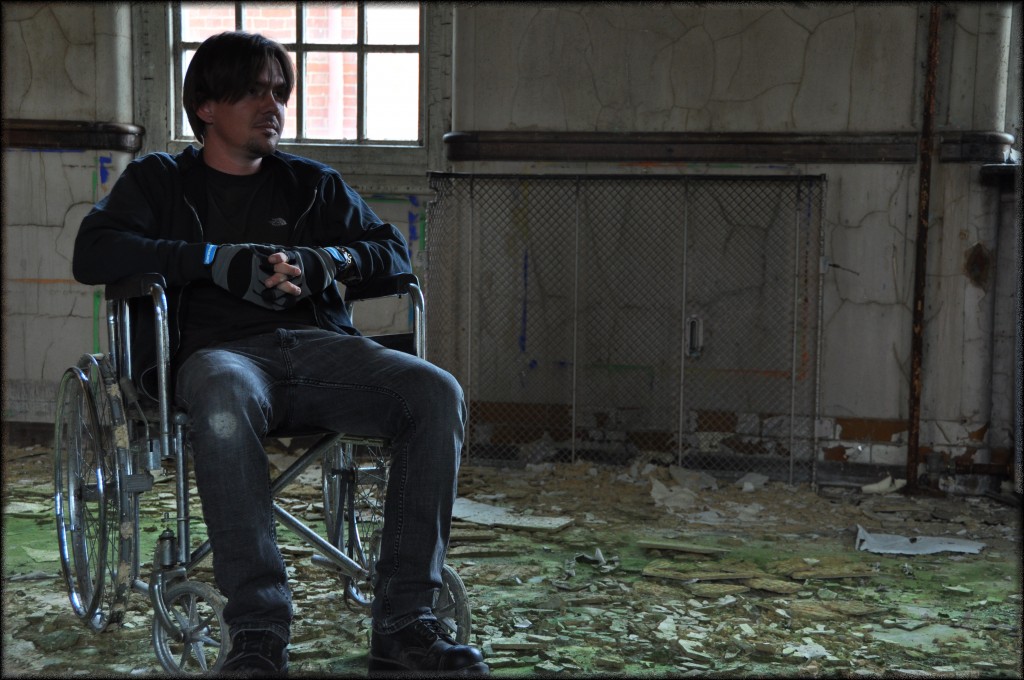
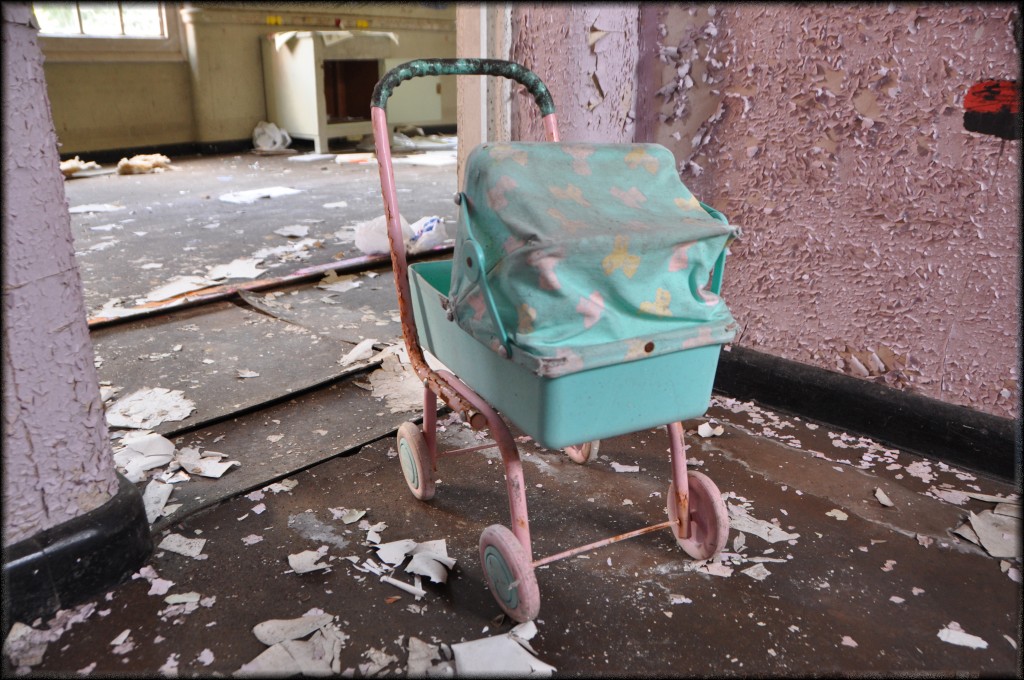
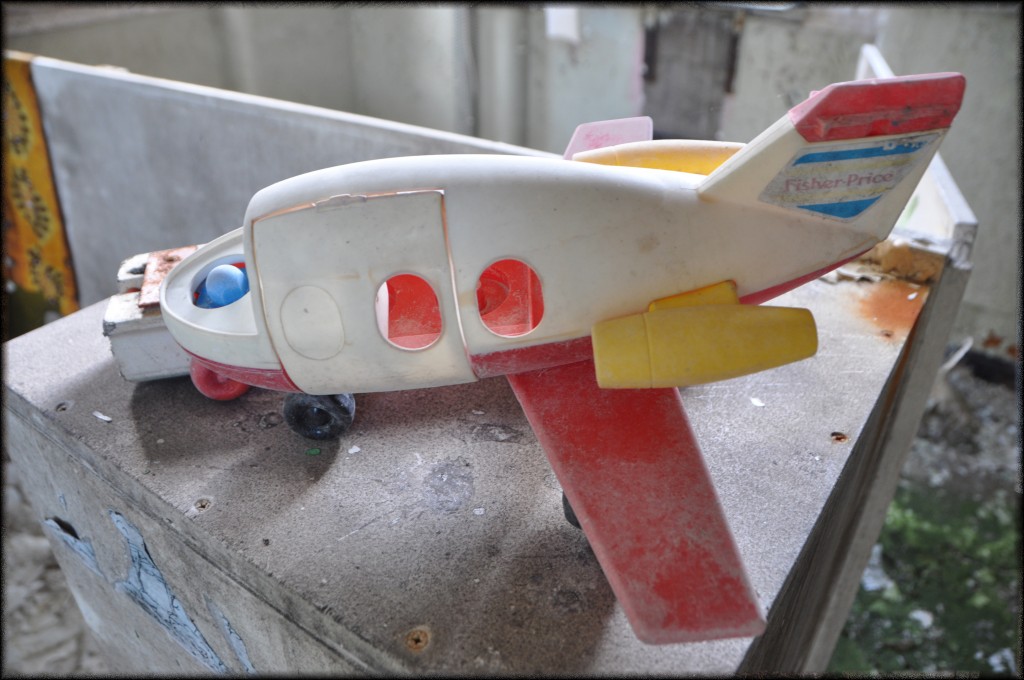
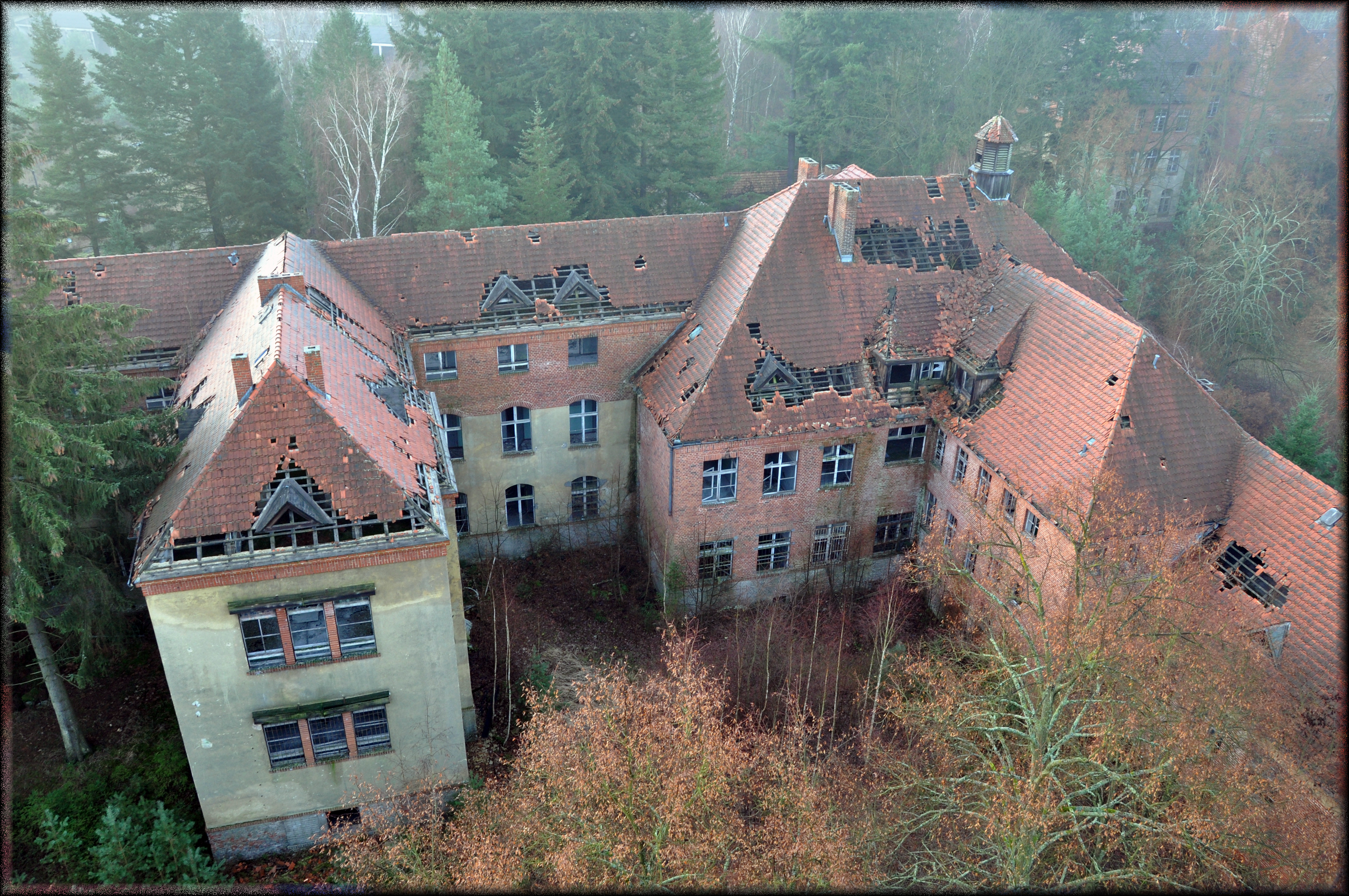
One of the most unique things to explore in and around London for the past 20 years or so has been the county asylums, many of which were shut down in the 1980s during Margaret Thatcher‘s privatization of UK government systems. Asylums like Severals, Cane Hill, Horton, Manor, Long Grove, and West Park have been places that inspired slow strolls, beautiful photography and space for quiet contemplation about local histories that we seem to have collectively forgotten.

Better housing?

In January of last year, I wrote about West Park, about how the legendary security guard lovingly called The Hammer came down on us like a ninja and walked us off the property. He was a good sec and likely the reason why the place was so beautifully preserved.

Then, in July, I wrote about it again, this time making it in after The Hammer had been laid off, probably due to the recession. I predicted at the time that this may be the end of our beloved asylum, with the economy crumbling and every developer grubbing around for areas to “redevelop” in line with the government’s plans to embed a curtain of concrete, metal and glass over the whole of greater London before the Olympic games in 2012.

Where we still play

Shiny

Well, sure enough, I just got word that Jonathan Lees, the Liberal Democrat Parliamentary Candidate for Epsom & Ewell has announced plans to level the site and build “a total of 373 new homes.”

When I posted the news story to my facebook page, I was surprised by two things. First, there was no cry of “let’s stop them!” (as my archaeologists friends might do) and second, the two comments that were posted (by UrbExers) were very reasonable in terms of letting go of the place. The first from Midnight Runner who say this “always happens but who’s going to buy their buildings in this financial climate?” and the second from Statler who said “interesting that they propose to convert the water tower into 4 dwellings, that tower has a HUGE crack down the middle of it and is held together by steel bands!”

Well thought out?

These comments reinforce my earlier postings about the UrbEx communities enjoyment of architectural transition and the lack of a need to hold on to the physicality of a place. But these comments also say something about the depth of our relationships with these places. Who else in this city has such detailed information about dangerous substances, unsafe architectural elements and archaeological points of interest?

Granted,  most of us who explore this place never saw West Park as an active asylum and maybe there are some memories here that people might want to forget. Perhaps this concept sits behind the scenes like a memory architect, quietly guiding the hand of redevelopment. We get nostalgic about the London Asylums but as David Lowenthal writes in The Past in Foreign Country “nostalgia is memory with the pain removed. The pain is today. We shed tears for the landscape we find no longer what is was, what we thought it was, or what we hoped it would be.” But does our discomfort with particular memories warrant an erasure of that past? Certainly a lesson here could be learned from Germany, a country which humbly preserves horrible memories because even memories of difficult times can help us to better understand who were are today, even if it is just about not repeating certain mistakes.

Dangerous?

The question that lingers is an important one – do we need the physical space to remain in order to remember? The UrbEx community seems content to look at thousands of photos taken and say “yeah, I was there when it was something different” yet we know an intimacy of place through experience. It seems to me a very mature response to spatial change, memory without attachment to place. But the archaeologist in me still wants to cry foul.

One comment on Lee’s blog by Dave Baker asks whether “there also been budgetary arrangements and provisioning for a photographic survey prior to demolition”. Dave, just so you know, there is probably no building in the city that has been better documented. The better question in my mind is whether our digital archiving is all that is needed to make sure these places are never forgotten. Where is the room in the agenda for experience of place?

I guess the likelihood of that argument holding weight in a society based on a commodity system is not likely to sway many hearts or minds but in terms of documentation, whenever the council would like to thank us for our wonderful work in preserving memories of these neglected places, including Rookinella’s controversial tour offered to The Independent, I am sure the UrbEx community would be happy to hear it. In the meantime Mr. Lee, just from an economic standpoint, please consider the possibility that the Asylum would make more money as a London County Asylum living museum and heritage park that as a housing development in the middle of a recession. Just a thought.

Thinking space

Documented

Young ones

Left behind

Share
Tags : , , , , , , , , , , | 12 comments

“I am both caveman & starfaring mutant, con-man & free prince”

-Hakim Bey

Good morning

If you are reading this, it is likely you are doing so for one of three reasons. One is that you know me and feel obligated, which we will ignore for now. Two is that you are using this text as an inspiration to act. Kudos to you. Three is that you are scared, scared of breaking your chains, of shattering the illusions set before you and you are using my reflections on experience as escapism, living vicariously through my surrealist decadence. If this third category applies to you, then this posting, this call to action, is just what you’re looking for.

Wild Children

Hakim Bey’s T.A.Z.: The temporary autonomous zone, ontological anarchy, poetic terrorism initially sounds like a purely philosophical proposition, but the TAZ is actually suggested by Bey to only take form in “geographical odorous tactile tasty physical space” (Bey 1985, pp. xi) I wish to elaborate here on some of Bey’s ideas and relate them to what I see as one of the hidden political and philosophical potentials of urban exploration, lurking around in the shadows like a dirty pirate coming to rape your mind. Bey’s description of the place of action, the place of meaningful existence that resides in between analysis and experience jives really well with my current reality. The cracks between physical encounter and intellectual stimulation comprise Bey’s “surrealist archaeology” (xii) and I, indeed, am now a practicing surrealist archaeologist.

Surrealist Archaeologist

My life over the last year, and especially my time during our last pro hobo road trip to Europe, has definitively taught me one thing: spatial barriers are an illusion, far more psychological than physical. They can all be overcome, excavated, sapped and exploded. The remaining fiery remnants are similar to little chocolate candies, a delight for children and pregnant Venus figurines. Pro hobo teaches us what Bush already knew, authority is an illusion, threats of imminent terrorism and spiritual destruction are an illusion, fear is an illusion, society is an illusion. My experience has taught me that I am the only master of my destiny and I decide what happens next.

Prohobo in the margins

Sartre, who is rumoured to have written an average of 20 pages a day over the course of his life, has scribbled extensively on freedom. And this freedom, I claim, is what Bey wants us all to exert. I say exert rather than find because the only searching you need to do to find it is within yourself. Locate it in a derelict building in Belgium, find it in an abandoned soviet military base in Russia, find it tearing down a statue of Saddam Hussein, find it while cornering police and taking their weapons, find it in a newborn’s sparkling eyes, find it with your lover in a bathtub surrounded by candles, find it in Grandma’s attic, find it at scummy drum & bass warehouse parties, find it by making things out of felt. But for fucks sake, find it in experience. Get out of that pub, get away from this computer, turn off that goddamn television and then go do something stupid, pointless, reckless and beautiful. And don’t apologize for it. Refuse to explain yourself, refuse to give anyone your “details” when they ask why you are doing it.

We need to find the cross sections between analysis and experience yes, but that is for you to do, no one will do it for you. Mindless action is stupid, but so is mindless acceptance of explanation. Siddhartha walks the middle path.

Meaning container

Well, that's over

Bey lays it out for you my friends. “What happened was this: they lied to you, sold you ideas of good & evil, gave you distrust of your body… mesmerized you with inattention, bored you with civilization & all its usurious emotion” (3). Then, they used your placated boredom, your distrust, your fear and your ideas of good and evil to create a world in which they could contain you. They told you that it was possible only to live within their structure. Well, fuck them. If we live in democratic societies than we are the structure. If we were in danger of terrorism, I would have been caught when I started scaling buildings in the City of London or when I climbed into the drain system under Los Angeles.
On your city

In your city

I hardly think I am more intelligent than some well-trained terrorist operative with a will to die. And if that is indeed the case, only one solution remains, given the places I have been able to infiltrate. We are not attacked because the threat is overmagnified or, at worst, nonexistent.

I won’t let this turn into a political rant. To be honest I could care less what kind of bullshit our leaders are feeding us. What I care about is you and me, the people on the ground. Hey… WAKE UP! We are alive! We cannot be stopped from doing anything. If you choose to be stopped, it is not the governments fault, or your friends. It is not because you have no money or because your girlfriend cheated on you when you were 20. It is because you are a twat and you are buying into a narrative constructed by people who want to control you. It may be your state, your parents, or your church, the important thing is for you to recognize that they can only hold you down because you let them. Look to Iran for inspiration. “Smash the symbols of Empire in the name of nothing but the heart’s longing for grace” (12-13).

Grace

I suggest urban exploration as a method of subversion; a state of “delirious & obsessive play” (9) that you knew when you were young. I suggest regression and even retardation of our boundary knowledge as “our feral angels demand that we trespass, for they only manifest themselves on forbidden grounds” (22). Remember how it felt when you were young and all signs and people telling you what to do were merely suggestions? They still are. Embrace your inner child again, cultivate “antics that are sharp enough to slice moonlight” (8). You don’t need drugs or alcohol to experience unfettered joy, to launch yourself raving into the stars. Roll around in them and get burned, scream with joy when the beauty melts your eyelids to your face! You only need your body, your imagination and the willpower to seize those experiences which are available to you, regardless of what you are told is or is not possible.

Suggestion

Problem

Solution

This will to power may find you in danger, hanging from scaffolding on a building or, at worst, dead like our friends Downfallen or Ninjalicious. But that last moment will be found in bliss, because you finished your story on your own terms, with style, kicking in the door and stabbing innocents like Sir Lancelot of Monty Python in your own “particular idiom”.

_____________________________

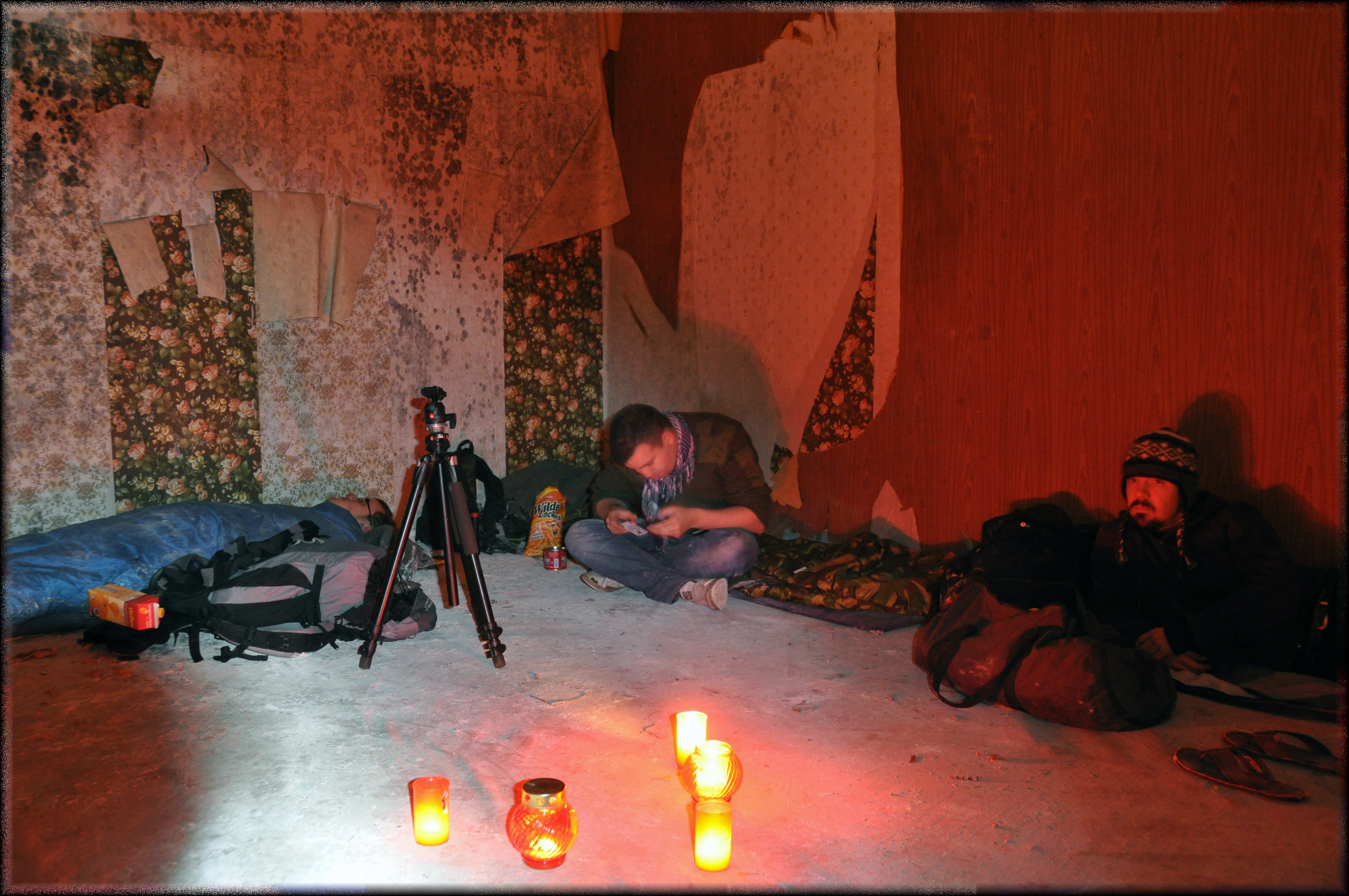
The fact that I call urban exploration place hacking is significant on multiple levels. Firstly I imply, of course, that we can hack physical space just as computer hackers hack virtual space. But hacking also implies mobility and using mobility to define places is tricky business. We stop in places long enough to eat or take pictures. When going pro hobo, we dwell longer, staying to sleep, BBQ in wheelbarrows or play games. In these instances, our proficiency as place hackers becomes even more transparent as we reconfigure the physical space of encounter, leaving behind archaeological, tangible, physical remnants of our time there, little monuments to the fuck all. But we are always passing through. Turning to Bey again, he suggests that “the TAZ is an encampment of guerilla ontologists”, they “strike and run away” (100). We are on it Bey, and we are running like hell.

Zerowork

Tangible

The pro hobo tour is a sacred pilgrimage, an experience that Westerners rarely find outside of the cliché roadtrip. It is a massive dérive, a journey to the far horizons of possibility, “a spiritual exercise which combines the urban & nomadic energies…into a single trajectory” (81). As we push the journey further from London, further from our homeland, our comfort food and our safe zone, as we run out of money and continually get drunker on Chimey and experience, the sheer duration “inculcates [us with] a propensity to experience the marvellous; not always in its beneficial form perhaps, but hopefully always productive of insight – whether thru architecture, the erotic, adventure, drink & drugs, danger, inspiration, whatever – into the intensity of unmediated perception and experience” (81).

Sacred Pilgrimage

Inspiration

I now recognize that these mobile transgressions are the heart of what makes urban exploration effective as a mode of spatial resistance. To stay in one place is to create a target for the state, to invite martyrdom at the expense of losing reality hackers. Look to examples of cults, hippie encampments, squatters villages. They are all too easily scoped in, laser painted targets. As Sun Tzu might advise, moving targets are difficult to hit. Keep them guessing where we will go next, where we will post next, who will be there, what will happen. Catch us if you can.

This is not just physical mobility but ontological mobility. Even though subscribers to the urban explorer code of ethics seek to leave behind no traces of our passing, they are inevitable. A dropped glove, a forgotten film canister, a helmet fallen in a well. Even if we do move without a trace, the records taken away will change perception of the space, will encourage more TAZ creations, UrbEx infiltrations and spatial disturbances. Every photograph is a call to action.

Call to action

This action, let me now assure you, is no revolution. The point of place hacking (and this is where Bey and I may disagree) is not anarchy or revolution. The point, my friends, is insurrection to disrupt order for the distinct purposes of expressing our rights to freedom, our rights to the city and to instil fear in the suits writing policy documents in cubicles, taking frequent coffee breaks to dream about what freedom feels like out there in tasty space. Show them what it looks like, better yet, show them what it feels like. They will love you for it, even as they avert their eyes from your soiled clothing on the tube.

This post is not a call to tear down the government, that would be stupid. As Nietzsche has pointed out, the truly free spirited will not agitate for the rules to be dropped or even reformed, since it is only by breaking the rules that we realize our power. Anarchism exists in the world and those places are shitholes. What we want is to gently remind those who would question us that this is our world, these are our societies. We allow those suits to run them, and that is democracy.

Dare me to press it? Double dog dare me?

Now…

Go go something stupid and reckless; go create your own TAZ. And remember that “the architecture of suffocation and paralysis will be blown up only by our total celebration of everything” (42).

We win.

Share
Tags : , , , , , , , , , , , , , , , , , , , , , , | 6 comments

Secret Histories of Infiltration

Posted by Bradley L. Garrett on Thursday Jan 14, 2010 Under Anthropology, Archaeology, Cultural Geography, Uncategorized, Urban Exploration

Sometimes it's an accident

When I began exploring here in London over a year ago, I was never quite sure how secretive I needed to be about what I was getting up to. But in the interest of academic transparency, I decided to be less cautious that I might have otherwise been. I felt an obligation, being here on a generous scholarship, to put my work “out there” to be crossed-checked, criticized and appreciated. It did not go unnoticed; a couple of people challenged my decisions to openly discuss certain exploits.
To tell you the truth, now that I know these places well, I think there was never much harm done in being open about my nocturnal wanderings. But some things change. Not because writing about the places I have been is going to get them locked down, not even because they are super-secret or ultra-sensitive. The real reason is, I think, a philosophical one.

Sometimes it's not

At some point in the last few months, I started doing infiltrations. It wasn’t really intentional; I just lost sight of the line between UrbEx and infiltration.

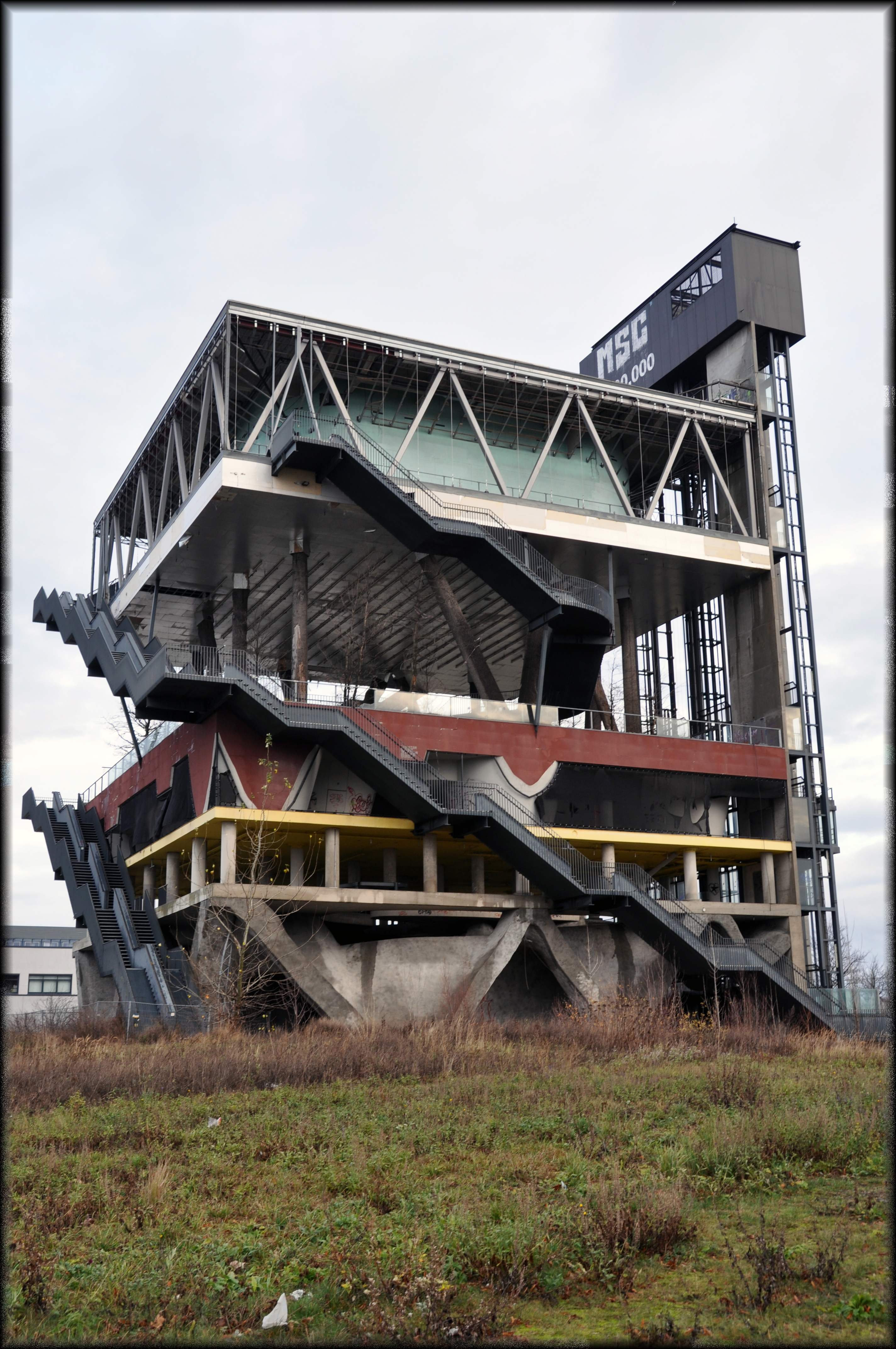
To be honest, I am not that interested in infiltration. Being an ex-archaeologist, I get really excited about the histories of sites and love seeing them falling apart and decay. Many infiltrations take place on construction sites and I spent a good chunk of my life working in these sorts of places. I therefore don’t find a lot of magic in them – too close to my own history I suppose, though I often make the argument that they are too close to the mundane existences of those who work there, hence my indifference.

So why are we interested in these places? They might be considered the polar opposite of the derelict building, going up instead of down, though they are both in a transitional state. They are also both, in a sense, “hidden”, off the grid and not to be seen. But I think our fascination with these places lies, as with most things, in the experiential fascination and secret personal histories to be found there.

So okay, yeah I am coming out of the closet and admitting that I have done some infiltrations that I have not shared, neither here nor on facebook. I can’t share them, either because I was recorded there on CCTV at some point during the explore, or somebody I know might have a connection to these places, or… I don’t know… that’s somebody’s job site. It would be like publishing pictures of your desk after hours when you weren’t there and I sat in your chair and went through your drawers. It’s just a little too personal. Maybe this is why we like it, because in these places we touch living histories, not dead or forgotten ones.

I wonder how many other explorers have secret histories of infiltration, how many sketchy night wanders were not photographed, caught in the memory of someone a little too nervous to ever talk about it? How much of urban exploration consists of secret histories of infiltration?

Either way, I'm still in love

Share
Tags : , , , , , , , , | 3 comments