West Park Asylum slated for housing “development”
Posted by Bradley L. Garrett on Thursday Feb 11, 2010 Under Anthropology, Archaeology, Cultural Geography, Uncategorized, Urban Exploration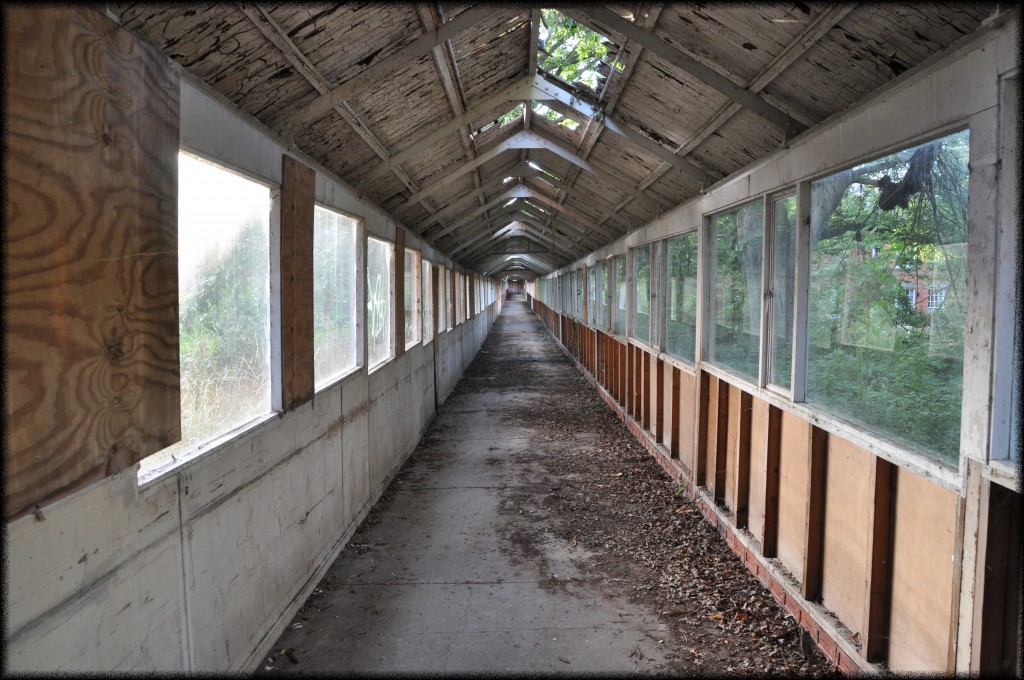
Better housing?
In January of last year, I wrote about West Park, about how the legendary security guard lovingly called The Hammer came down on us like a ninja and walked us off the property. He was a good sec and likely the reason why the place was so beautifully preserved.
Then, in July, I wrote about it again, this time making it in after The Hammer had been laid off, probably due to the recession. I predicted at the time that this may be the end of our beloved asylum, with the economy crumbling and every developer grubbing around for areas to “redevelop” in line with the government’s plans to embed a curtain of concrete, metal and glass over the whole of greater London before the Olympic games in 2012.
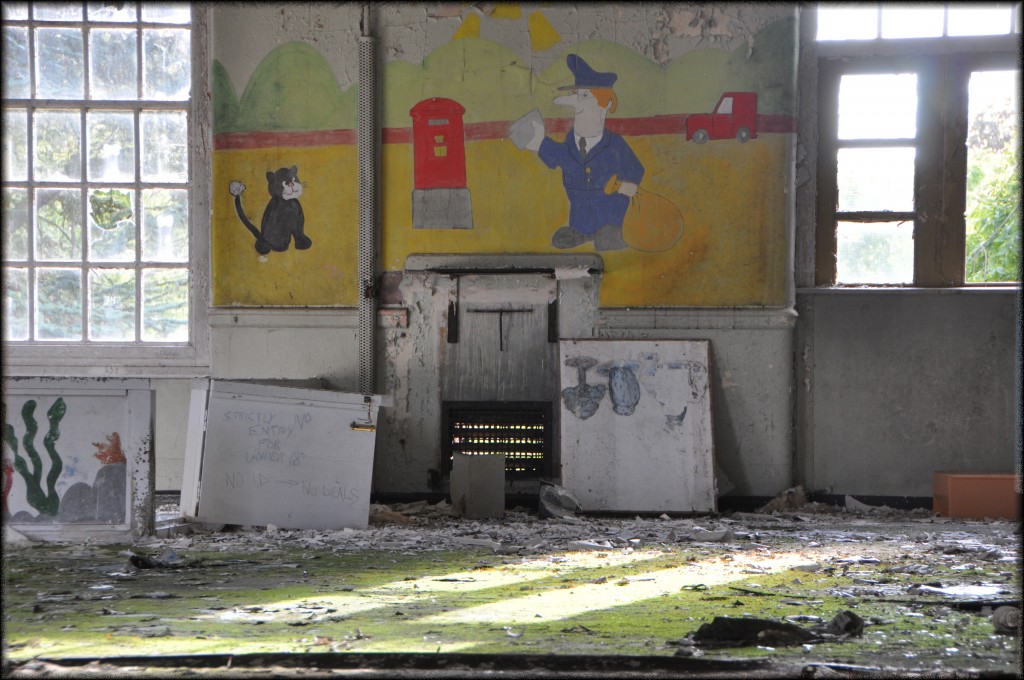
Where we still play
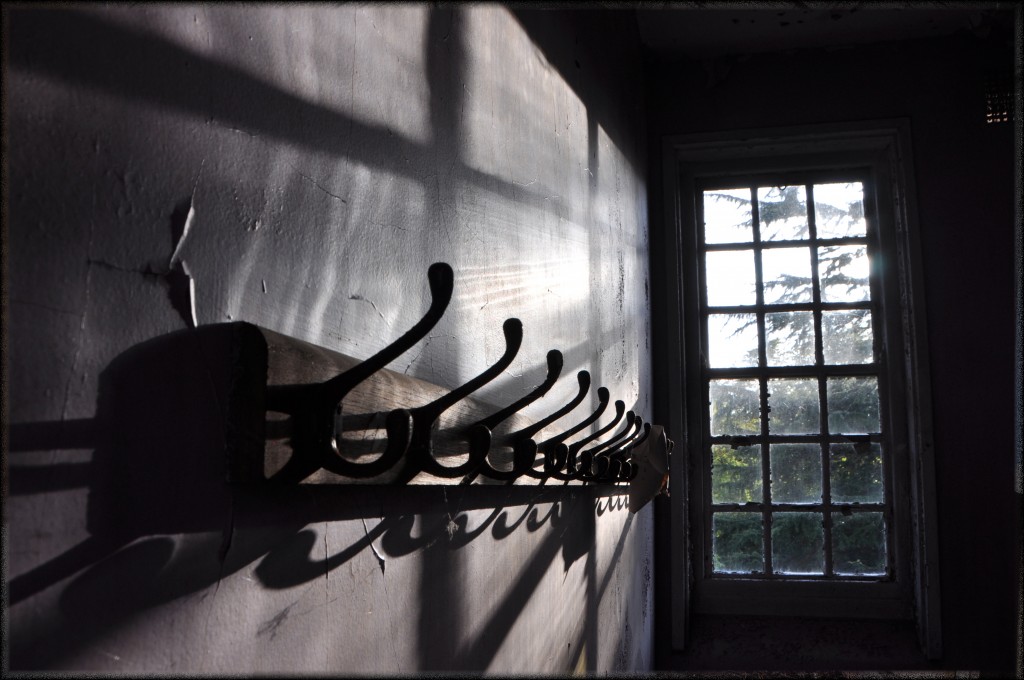
Shiny
Well, sure enough, I just got word that Jonathan Lees, the Liberal Democrat Parliamentary Candidate for Epsom & Ewell has announced plans to level the site and build “a total of 373 new homes.”
When I posted the news story to my facebook page, I was surprised by two things. First, there was no cry of “let’s stop them!” (as my archaeologists friends might do) and second, the two comments that were posted (by UrbExers) were very reasonable in terms of letting go of the place. The first from Midnight Runner who say this “always happens but who’s going to buy their buildings in this financial climate?” and the second from Statler who said “interesting that they propose to convert the water tower into 4 dwellings, that tower has a HUGE crack down the middle of it and is held together by steel bands!”
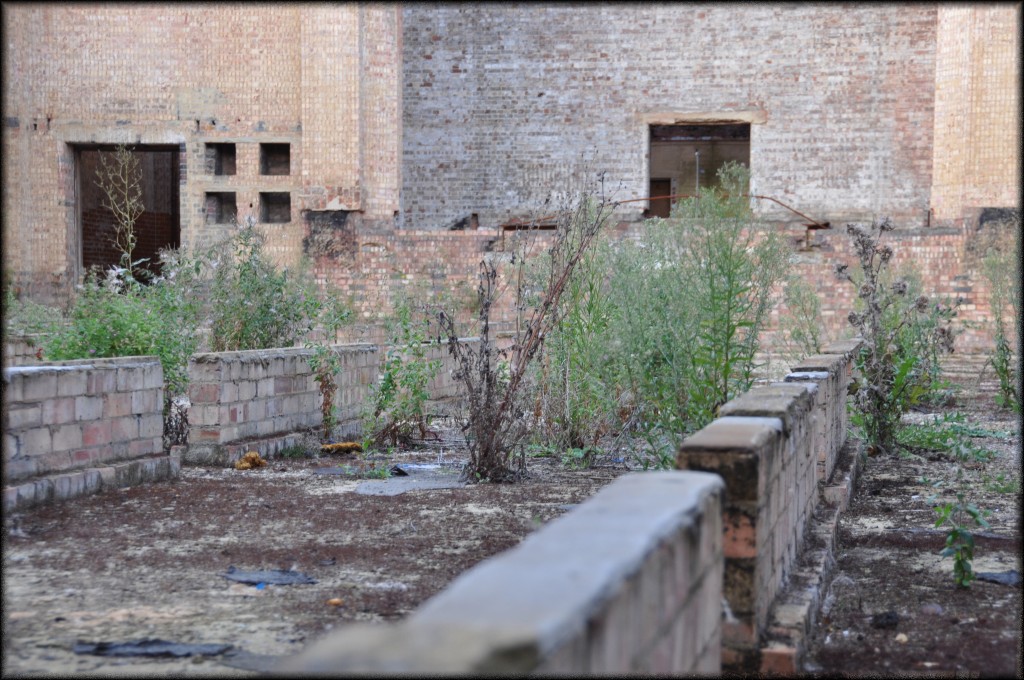
Well thought out?
These comments reinforce my earlier postings about the UrbEx communities enjoyment of architectural transition and the lack of a need to hold on to the physicality of a place. But these comments also say something about the depth of our relationships with these places. Who else in this city has such detailed information about dangerous substances, unsafe architectural elements and archaeological points of interest?
Granted, most of us who explore this place never saw West Park as an active asylum and maybe there are some memories here that people might want to forget. Perhaps this concept sits behind the scenes like a memory architect, quietly guiding the hand of redevelopment. We get nostalgic about the London Asylums but as David Lowenthal writes in The Past in Foreign Country “nostalgia is memory with the pain removed. The pain is today. We shed tears for the landscape we find no longer what is was, what we thought it was, or what we hoped it would be.” But does our discomfort with particular memories warrant an erasure of that past? Certainly a lesson here could be learned from Germany, a country which humbly preserves horrible memories because even memories of difficult times can help us to better understand who were are today, even if it is just about not repeating certain mistakes.
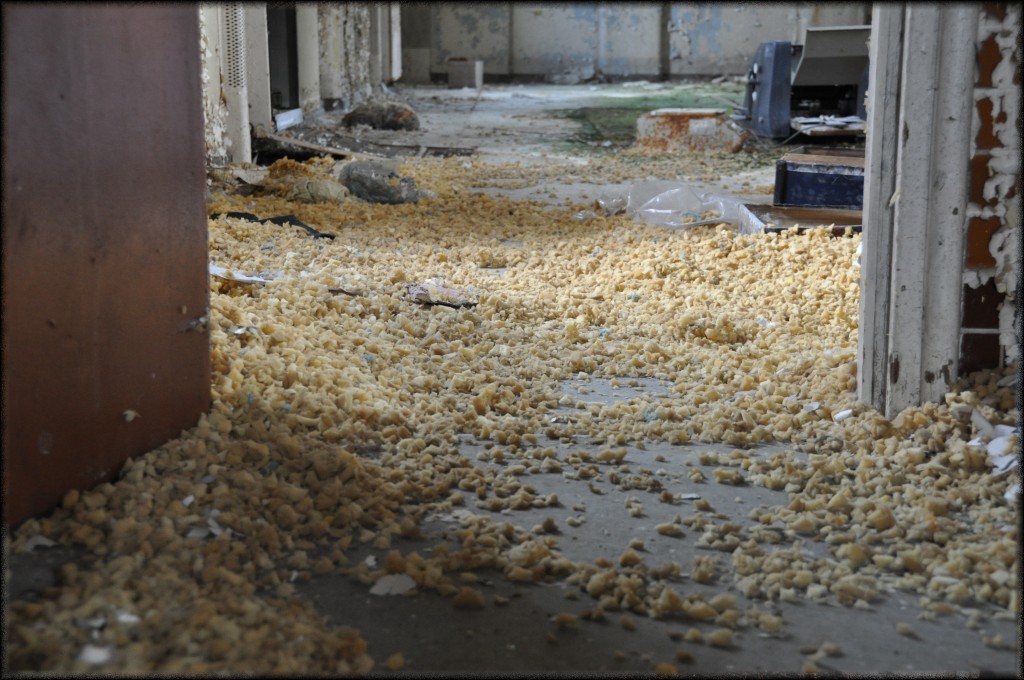
Dangerous?
The question that lingers is an important one – do we need the physical space to remain in order to remember? The UrbEx community seems content to look at thousands of photos taken and say “yeah, I was there when it was something different” yet we know an intimacy of place through experience. It seems to me a very mature response to spatial change, memory without attachment to place. But the archaeologist in me still wants to cry foul.
One comment on Lee’s blog by Dave Baker asks whether “there also been budgetary arrangements and provisioning for a photographic survey prior to demolition”. Dave, just so you know, there is probably no building in the city that has been better documented. The better question in my mind is whether our digital archiving is all that is needed to make sure these places are never forgotten. Where is the room in the agenda for experience of place?
I guess the likelihood of that argument holding weight in a society based on a commodity system is not likely to sway many hearts or minds but in terms of documentation, whenever the council would like to thank us for our wonderful work in preserving memories of these neglected places, including Rookinella’s controversial tour offered to The Independent, I am sure the UrbEx community would be happy to hear it. In the meantime Mr. Lee, just from an economic standpoint, please consider the possibility that the Asylum would make more money as a London County Asylum living museum and heritage park that as a housing development in the middle of a recession. Just a thought.
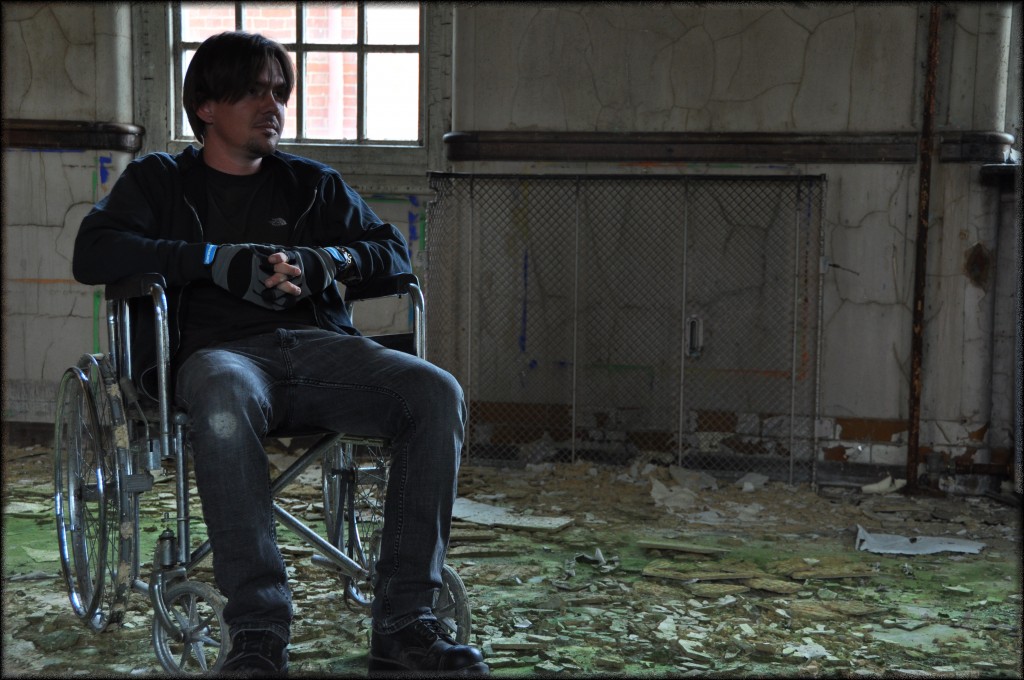
Thinking space
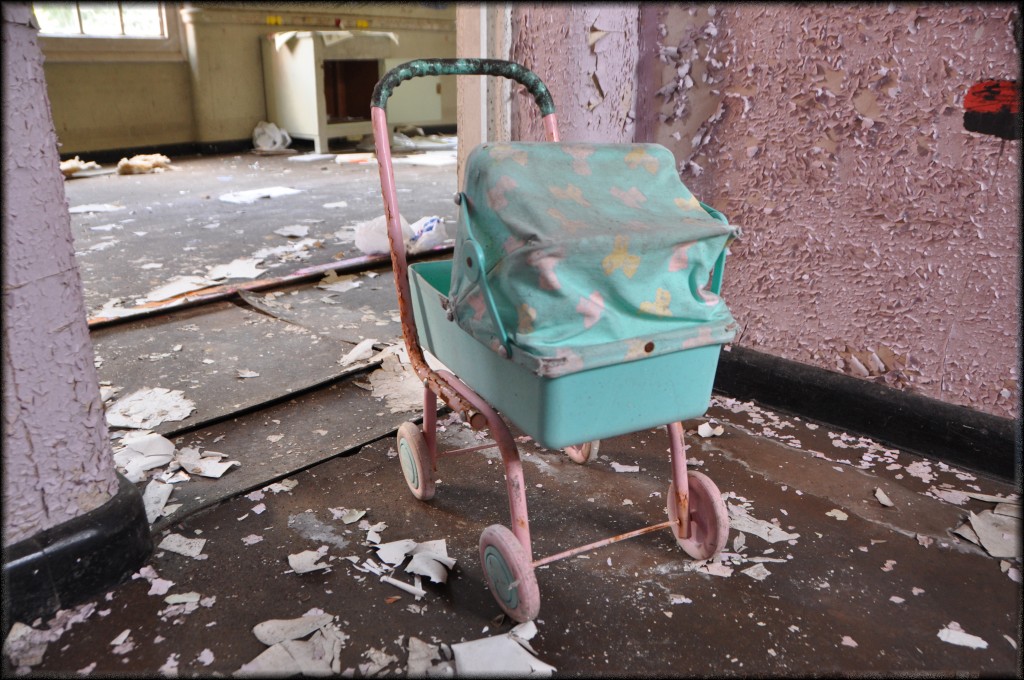
Documented
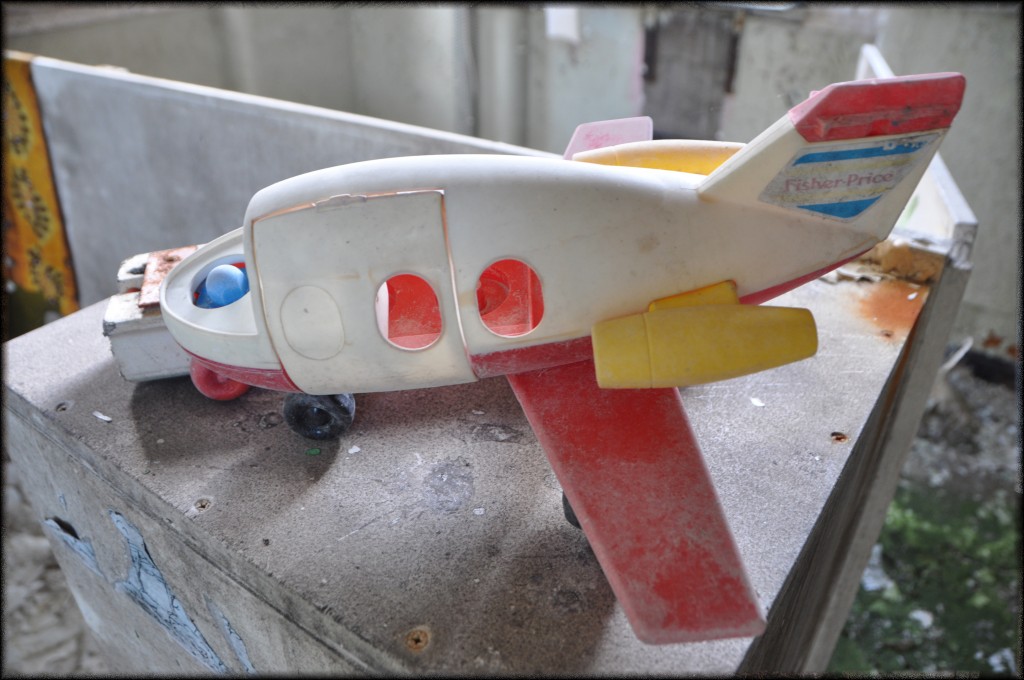
Young ones
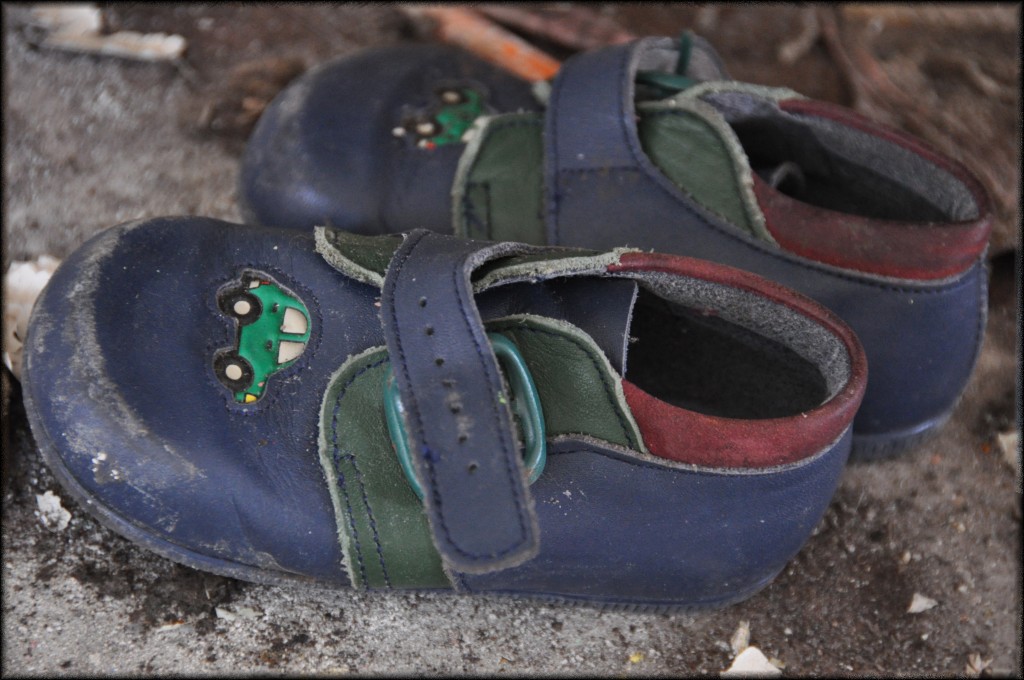
Left behind

 RSS
RSS Twitter
 Scribd
February 11th, 2010 at 11:25 am
Agreed, Mental Health needs a museum. Even if it’s just by using the Admin block and then converting the existing buildings on site, it would at least serve to show what a total asylum was and looked like.
My experiences of asylums have almost all been of dereliction, aside from one impromptu visit to St Cadocs in Wales, which hadn’t been closed yet. It felt very different; I guess the buildings being forgotten about and left to rot is a suitable metaphor for the people who were put there.
Derelict buildings will never able to be represented properly in a museum – they are an experience you have to dig out and work at.
February 11th, 2010 at 4:20 pm
Thanks for the comment Winch. So you think that there should be an exhibit but that it won’t really convey what we have experienced (or what the patients and staff experienced) in these places?
February 11th, 2010 at 3:50 pm
Hi Bradley,
Thanks for the link to County Asylums. I recently started to follow your blog because I think it might help me position myself relative to the practice of UrbEx. My own focus at the moment is the government’s “curtain of concrete, metal and glass” you refer to:
http://urbanorienteer.blogspot.com/2010/01/throwing-stones-at-glass-houses.html
However, I am interested to find out to what extent UrbExers share in a general attitude, and how best to characterise it? Apparently not nostalgia…so what else? Escapism or even fetishism perhaps? More specifically, without the threat of architectural change, would there be any motivation for exploration at all?
Unfortunately I don’t have any connections with UrbExers so I’m looking forward to reading more.
Cheers,
February 11th, 2010 at 4:18 pm
Thanks for the comment Oliver, I enjoy your blog as well. I am working on a side project at the moment about that changes London’s waterways are going through as part of the Olympic development that might coincide with what you are doing as well. I saw the Olympic village the other day for the first time and was amazed – it’s like a little city in there – they are even making their own concrete at a little factory on site!
I will keep you posted on the UrbEx research. At the risk of turning the movement into a postmodern trope, yes, the most salient characteristic of the community impetus is that there isn’t any. As with many groups that work in resistance to cultural and societal expectations, many urban explorers are not happy to be labeled (artists, local historians etc.), making the motivation behind the practice (as opposed to the praxis being exhibited) notoriously hard to pin down.
Thanks for stopping by!
February 11th, 2010 at 5:42 pm
Bradley, Hi
Great write up. My purpose in providing a comment to the planning applications committee was not to secure derelict urban exploration view more so to provide a concise and historically correct characterisation of West Park and its contribution to healthcare in modern Britain thus the conversations with English Heritage for a full site audit and historical record.
Do you know of any such documentation documenting the historical contributions to healthcare?
Thanks my friend
Dave
February 11th, 2010 at 5:52 pm
I do not Dave and I think you are right, proper historical and archaeological documentation should take place as part of the planning process if this is going to happen. I would mention though that Urban Explorers like Winch who built Canehill.org have set a wonderful example for ways in which English Heritage could do this sort of work. I am actually not from the UK and so would have no idea how to get them to begin considering this angle.
Hopefully somebody else does 😉
February 11th, 2010 at 6:16 pm
Thanks my friend – I will keep you up to date with response from the Planning Committee output and how the discussions evolve with EH, they seem very keen at the minute however funding is an issue – if we can get the planners to fund the characterisation then EH should become significantly interested 🙂
Winch done an awesome job – great historical importance and lots of work in there
Kind regards
Dave
February 12th, 2010 at 12:18 pm
Hi Bradley,
Many thanks for the reply. I haven’t been over to see the Olympics site for ages…just mud and cranes at the time. It seems absurd that they are going to cover the place with drone surveillance. After the games maybe they’ll wall it off and turn it into a Running Man arena.
Since the emphasis in my project has moved away from the Olympics development, it would be good to work it back in. My current collaborators are in the process of securing a gallery space for an exhibit this summer. I can’t promise anything but we are keen to invite others to join us. If you are working on something of your own already that might be perfect. I’ll keep you posted if there is an opening.
Also, I noticed your small documentary on Vimeo. Would you be happy if I decided to base a post on it at some point in the future?
Cheers,
February 12th, 2010 at 7:28 pm
I would be honored if you wrote about my video, thanks! If it is the 30 min urban explorers one, it will be in the journal Geography Compass with some accompanied text soon as well, I will shoot that over to you when it gets finalized.
Our Olympics exhibit will be done in June and it will be mobile so just let me know if you would be interested. Thanks again!
February 12th, 2010 at 8:21 pm
Thanks for the comments. It was most interesting looking at your site and the photos. For clarity it is not us (Lib Dems) that have put it up for development. There has been a plan for many years for housing to be built on here as proposed by Epsom & Ewell Council and a builder has submitted an planning application for this, which is what the article refers to. For information the Council is run by the Residents Association.
August 15th, 2010 at 1:33 am
Hey Bradley, I can confirm that The Hammer is in fact still there! He escorted us off the property today with the very same sense of confusion as to what we could possibly be doing there.
August 15th, 2010 at 4:38 pm
Can’t stop the Hammer!